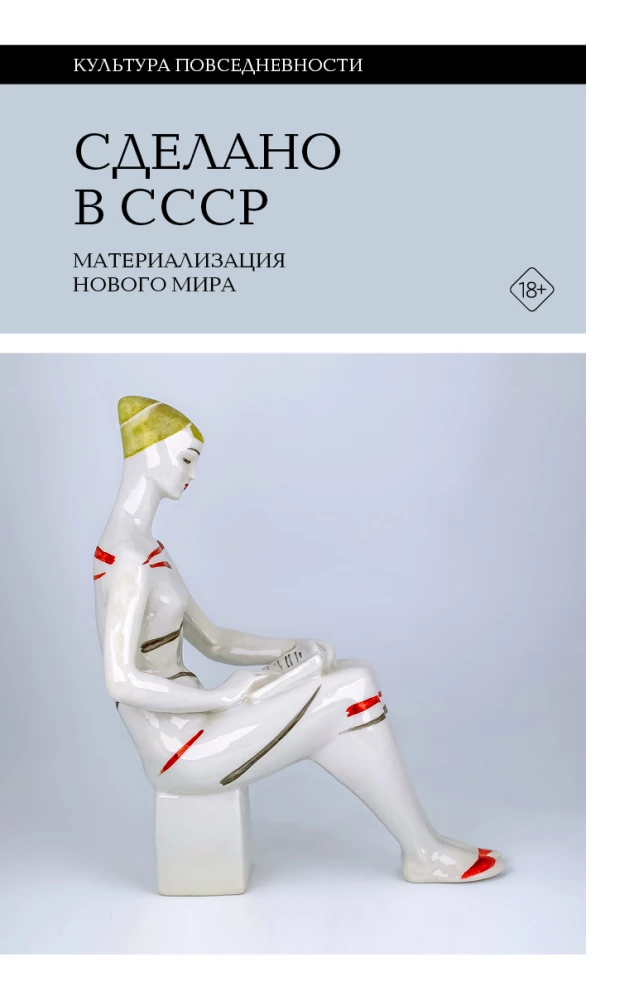
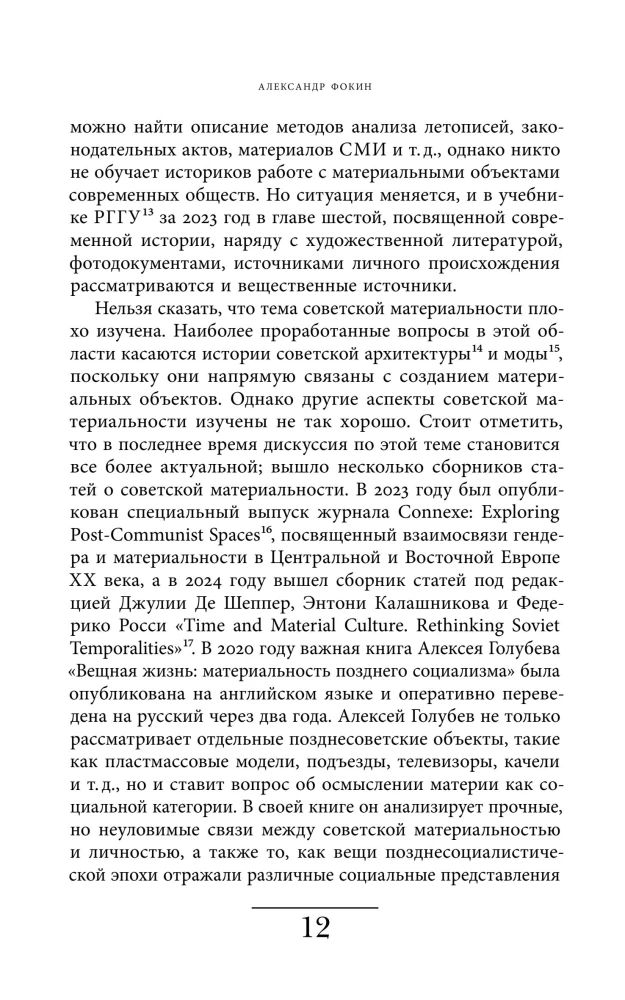
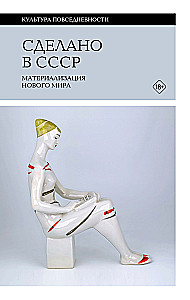
Made in the USSR: Materialization of a New World
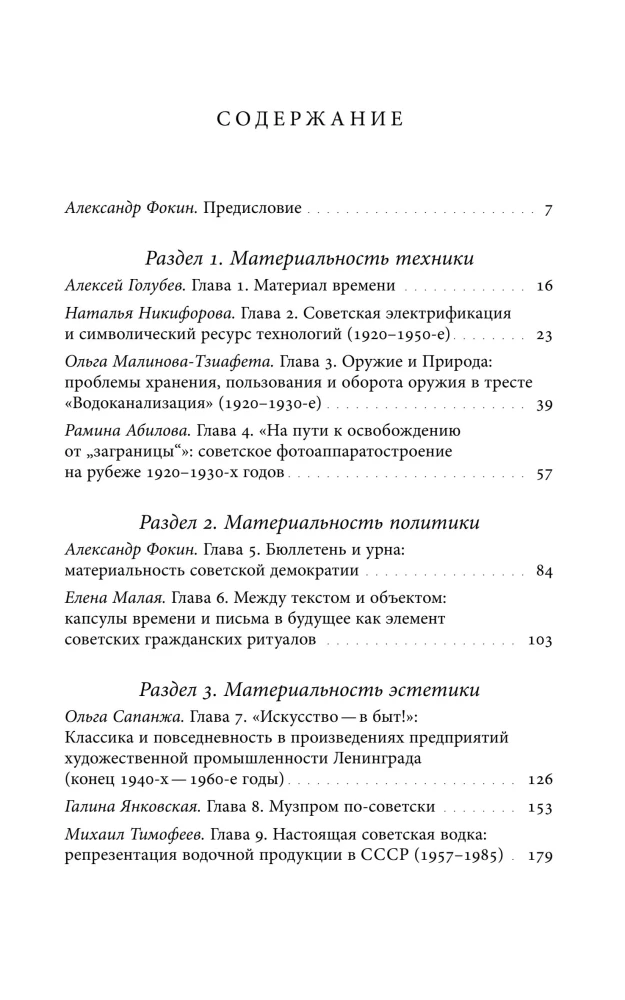
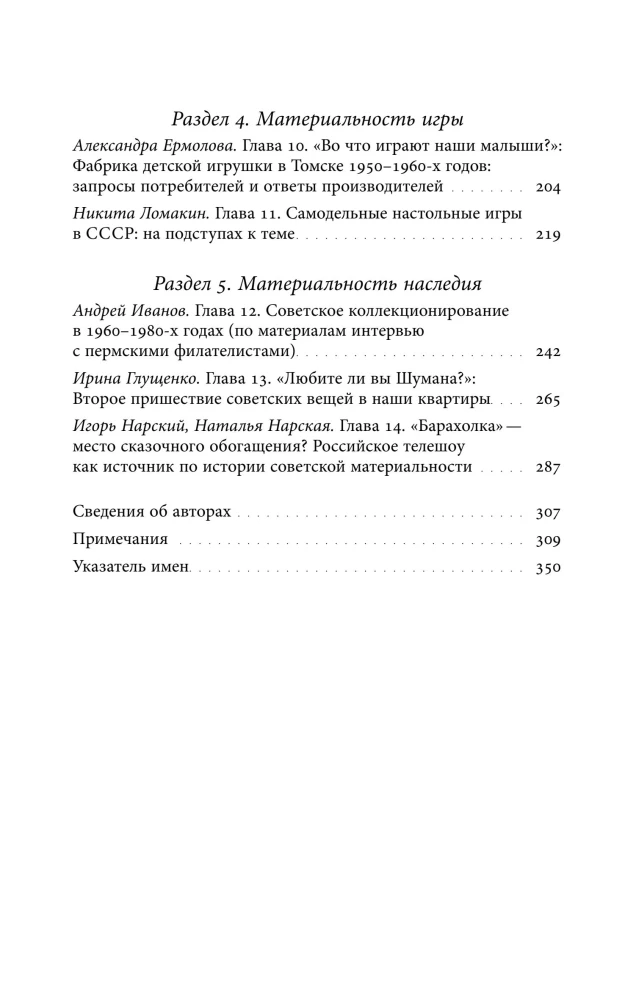
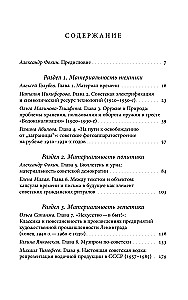
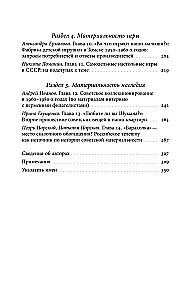
This collection shows how material objects and infrastructures became intermediaries between the state, society, and everyday life: from electrification and the dream of a unified energy system to bulletins and ballot boxes, from "Muzprom" to children's toys, from homemade board...
games to vodka labels.
What were the roles, networks, production practices, consumption, and exchange that created and reproduced the material system of the USSR? Historians, anthropologists, and art historians, whose articles make up the book, urge us to see things as full-fledged participants in political, aesthetic, and social processes, explaining why some technologies became symbols of the future, others solidified civic rituals, and others are returning today to museums, flea markets, and TV shows.
What were the roles, networks, production practices, consumption, and exchange that created and reproduced the material system of the USSR? Historians, anthropologists, and art historians, whose articles make up the book, urge us to see things as full-fledged participants in political, aesthetic, and social processes, explaining why some technologies became symbols of the future, others solidified civic rituals, and others are returning today to museums, flea markets, and TV shows.
Printhouse: Novoe literaturnoe obozrenie
Series: Culture of Everyday Life
Age restrictions: 18+
Year of publication: 2026
ISBN: 9785444827482
Number of pages: 352
Size: 205х130х22 mm
Cover type: hard
Weight: 435 g
ID: 1734391
Sold out
€ 17.69
Sold out
€ 17.69
Bestsellers






€ 13.29
In stock
12 Weeks in a Year. How to Achieve More in 12 Weeks Than Others Do in 12 Months
Майкл Леннингтон, Брайан Моран

€ 7.89
In stock
Choice. On the Freedom and Inner Strength of a Person
Эдит Ева Эгер, Эсме Швалль-Вейганд



€ 6.99
In stock


€ 6.99
In stock
How to Talk So Kids Will Listen, and How to Listen So Kids Will Talk
Элейн Мазлиш, Адель Фабер