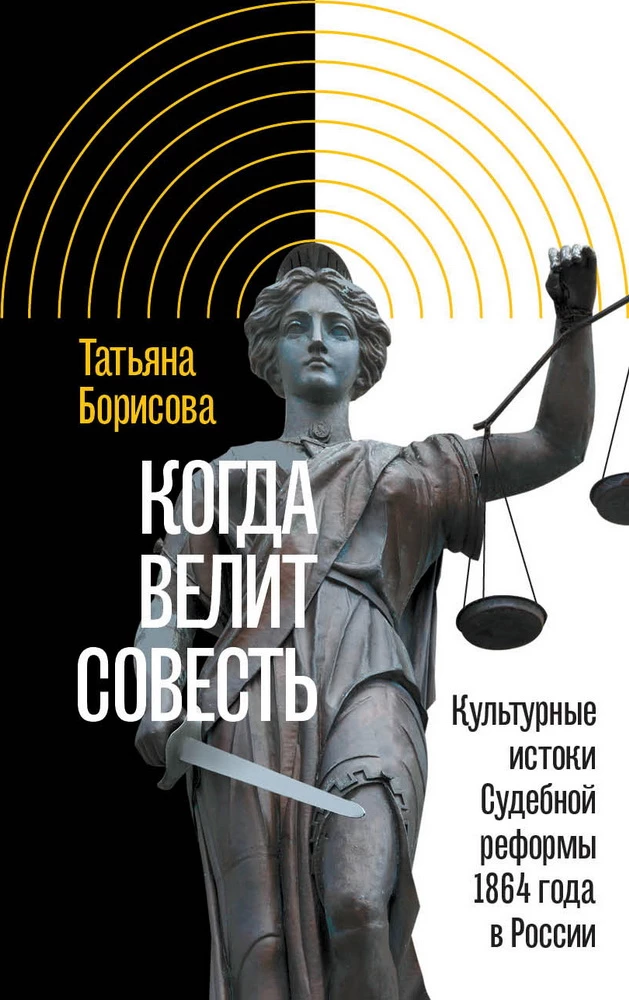
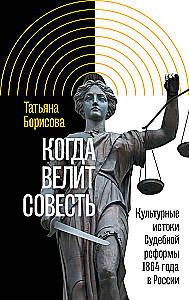
When Conscience Commands. Cultural Roots of the Judicial Reform of 1864 in Russia
New
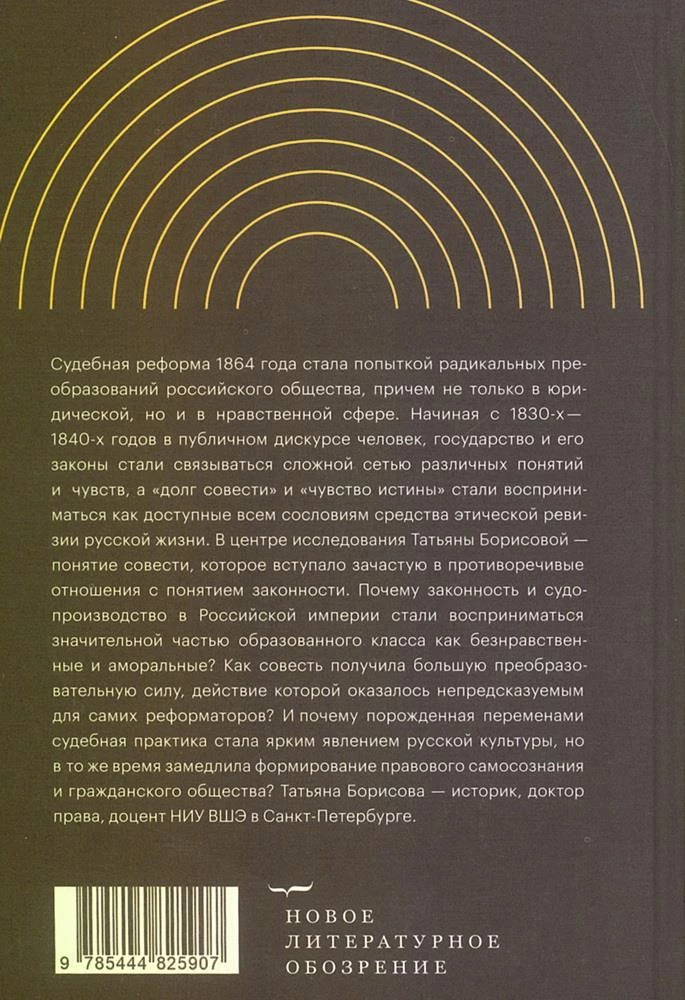
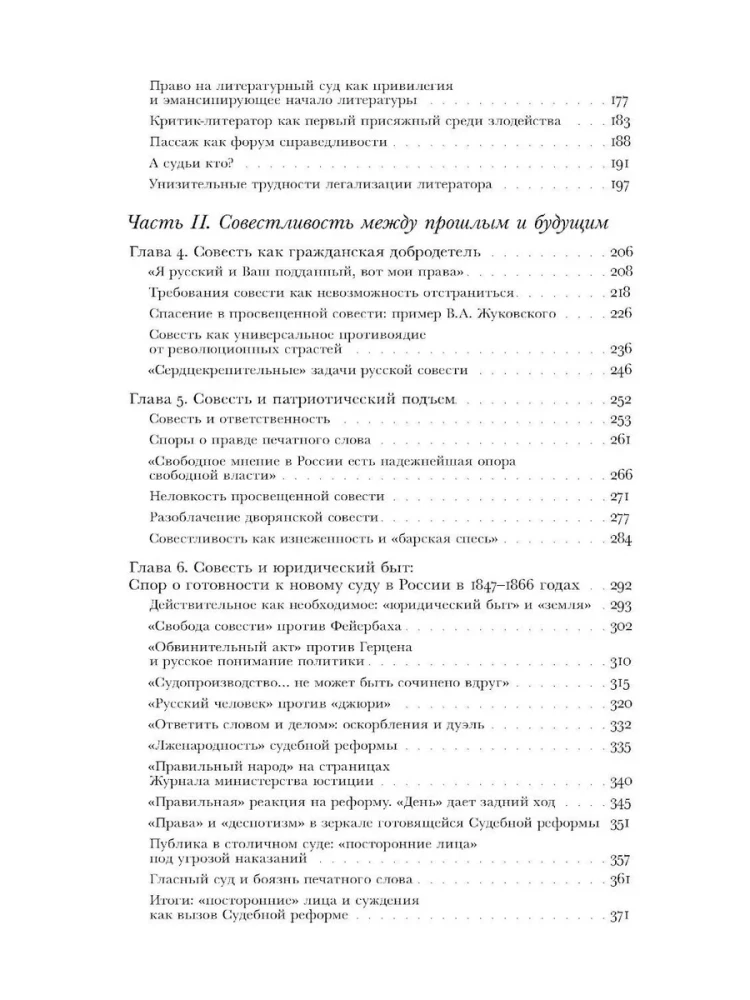
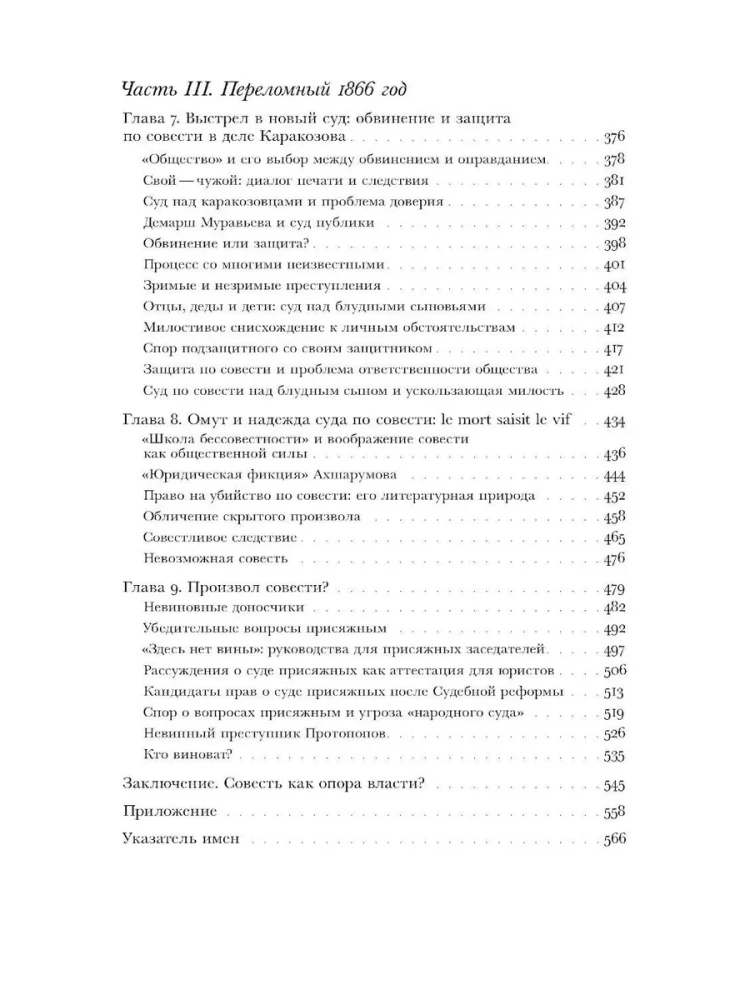
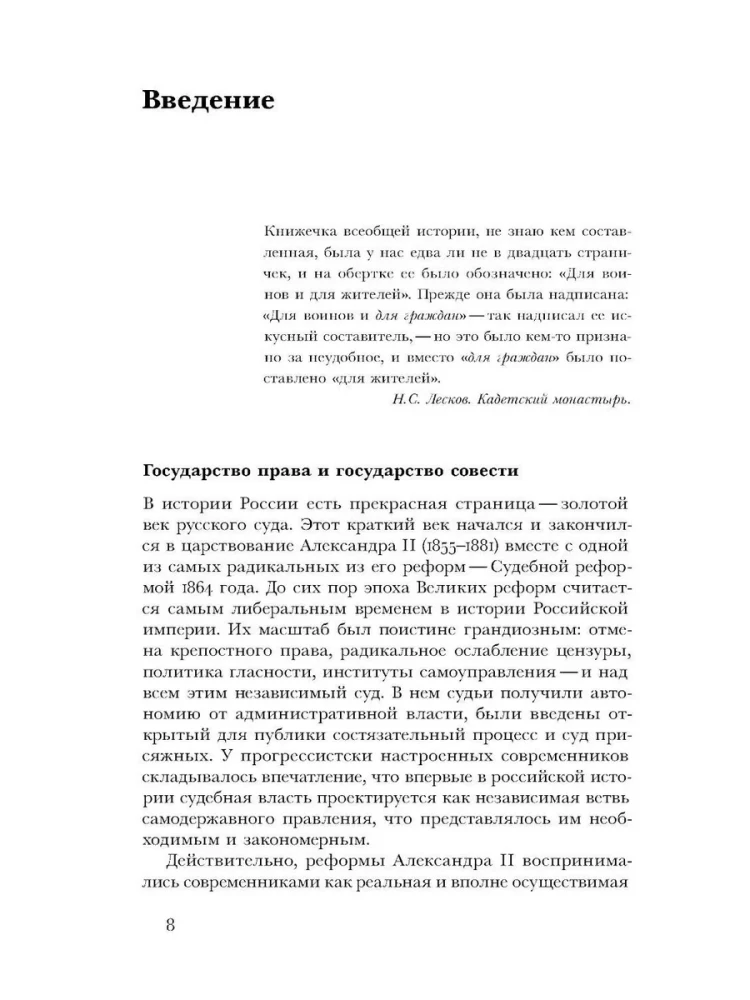
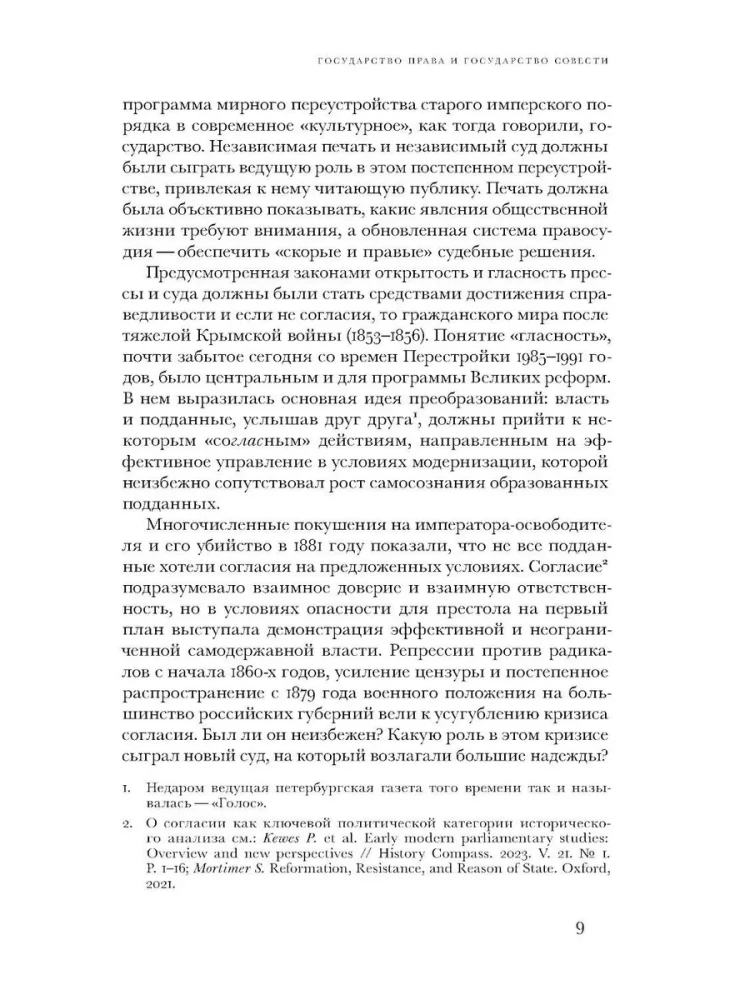
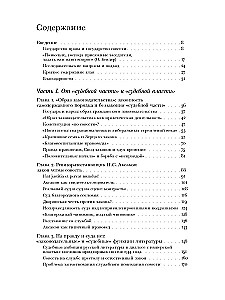
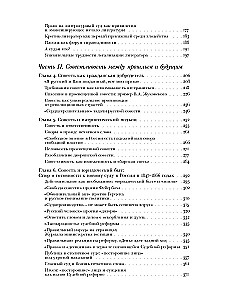
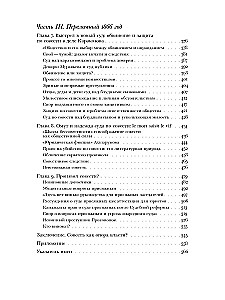
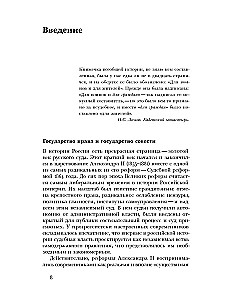
The judicial reform of 1864 was an attempt at radical transformations of Russian society, not only in the legal sphere but also in the moral sphere. Starting from the 1830s to the 1840s, in public discourse, the person, the state,...
and its laws became intertwined in a complex network of various concepts and feelings, while the "duty of conscience" and "feeling of truth" came to be perceived as means of ethical revision of Russian life accessible to all social classes. The focus of Tatiana Borisova's research is the concept of conscience, which often conflicted with the notion of legality. Why did legality and legal proceedings in the Russian Empire come to be perceived by a significant part of the educated class as immoral and unethical? How did conscience gain a powerful transformative force, the action of which turned out to be unpredictable for the reformers themselves? And why did the judicial practice born from these changes become a vivid phenomenon of Russian culture, but at the same time slowed down the formation of legal self-awareness and civil society? Tatiana Borisova is a historian, Doctor of Law, and Associate Professor at the Higher School of Economics in St. Petersburg.
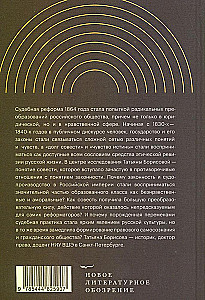
The judicial reform of 1864 was an attempt at radical transformations of Russian society, not only in the legal sphere but also in the moral sphere. Starting from the 1830s to the 1840s, in public discourse, the person, the state, and its laws became intertwined in a complex network of various concepts and feelings, while the "duty of conscience" and "feeling of truth" came to be perceived as means of ethical revision of Russian life accessible to all social classes. The focus of Tatiana Borisova's research is the concept of conscience, which often conflicted with the notion of legality. Why did legality and legal proceedings in the Russian Empire come to be perceived by a significant part of the educated class as immoral and unethical? How did conscience gain a powerful transformative force, the action of which turned out to be unpredictable for the reformers themselves? And why did the judicial practice born from these changes become a vivid phenomenon of Russian culture, but at the same time slowed down the formation of legal self-awareness and civil society? Tatiana Borisova is a historian, Doctor of Law, and Associate Professor at the Higher School of Economics in St. Petersburg.
Be the first to know about our current discounts, offers and new products!
Check icon
You have added to your basket
Check icon
You have added to favourites
Sold out
The item is currently out of stock.
In stock
Available in warehouse. You will receive the exact delivery date from the operator after the order confirmation.
To order
The product is delivered directly from the publisher. The order processing time is up to 14 days, you will receive the exact delivery date from the operator after the order confirmation.