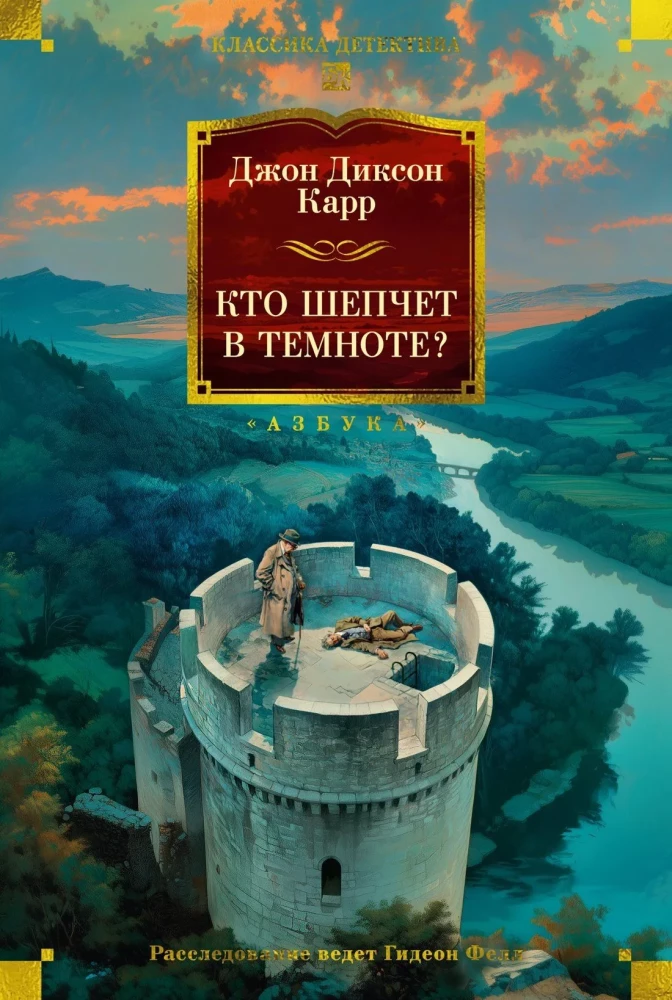
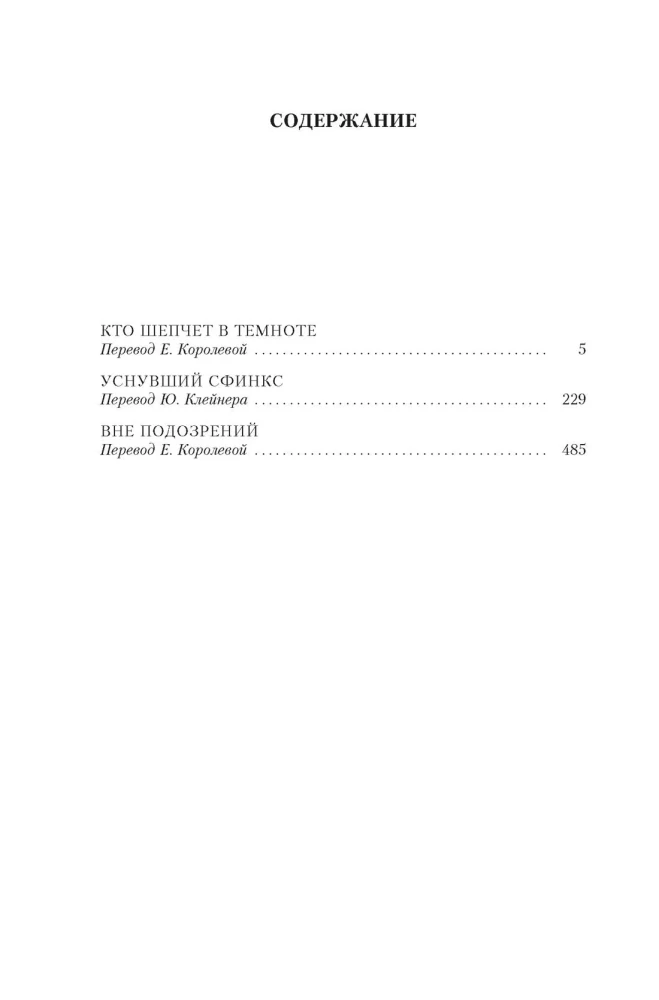
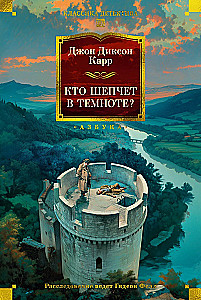
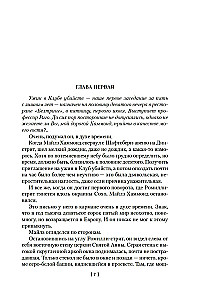
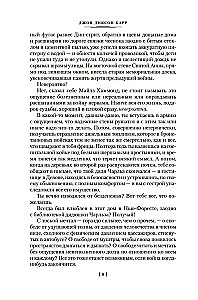
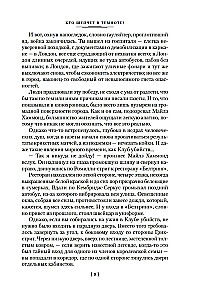
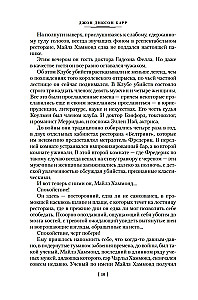
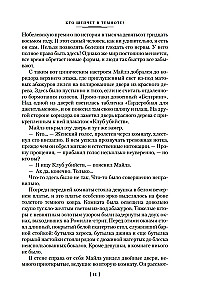
Who Whispers in the Dark?
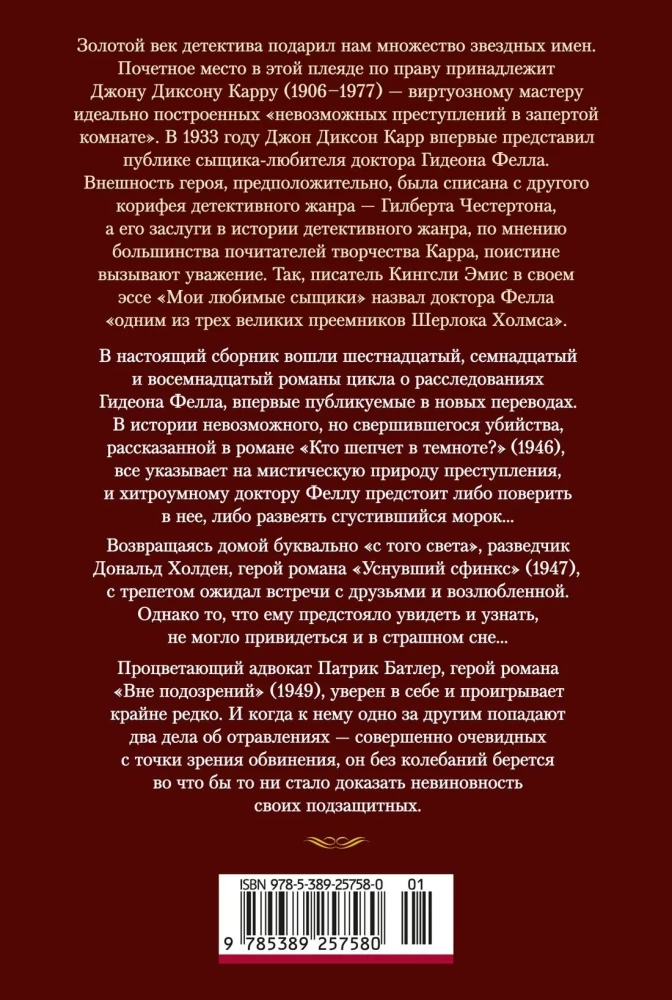
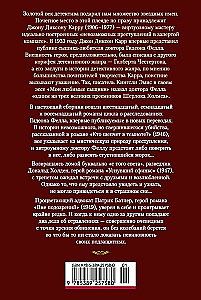
The golden age of detective fiction gifted us numerous star names. A rightful place in this pantheon belongs to John Dickson Carr (1906–1977) — a virtuoso master of perfectly constructed "impossible crimes in a locked room." In 1933, John Dickson...
Carr first introduced the amateur detective Dr. Gideon Fell to the public. The appearance of the hero is believed to have been modeled after another luminary of the detective genre — Gilbert Chesterton, and his contributions to the history of detective fiction, according to most admirers of Carr's work, truly command respect.
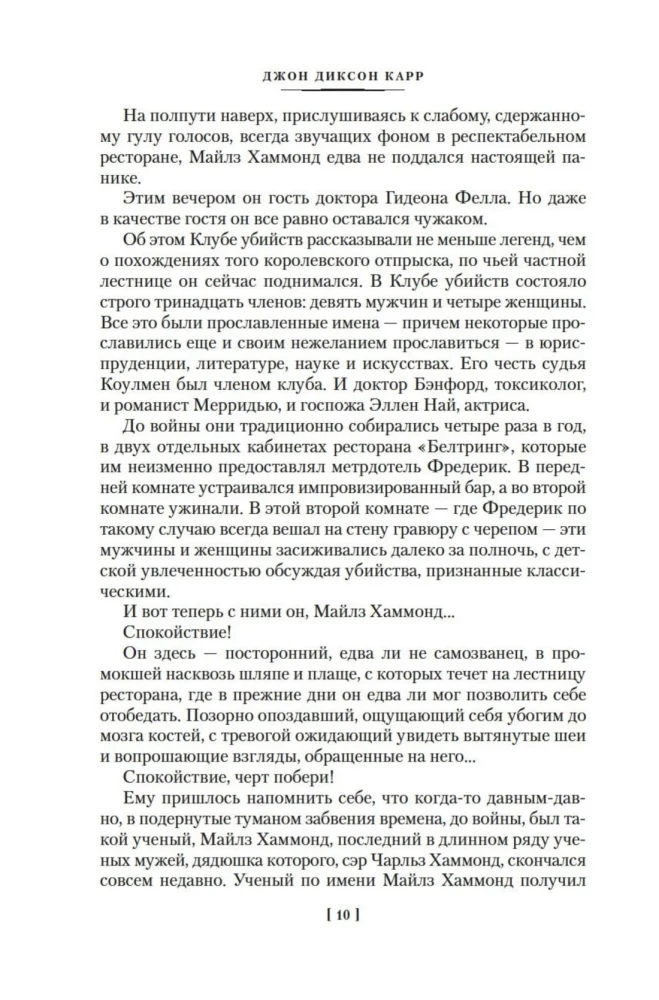
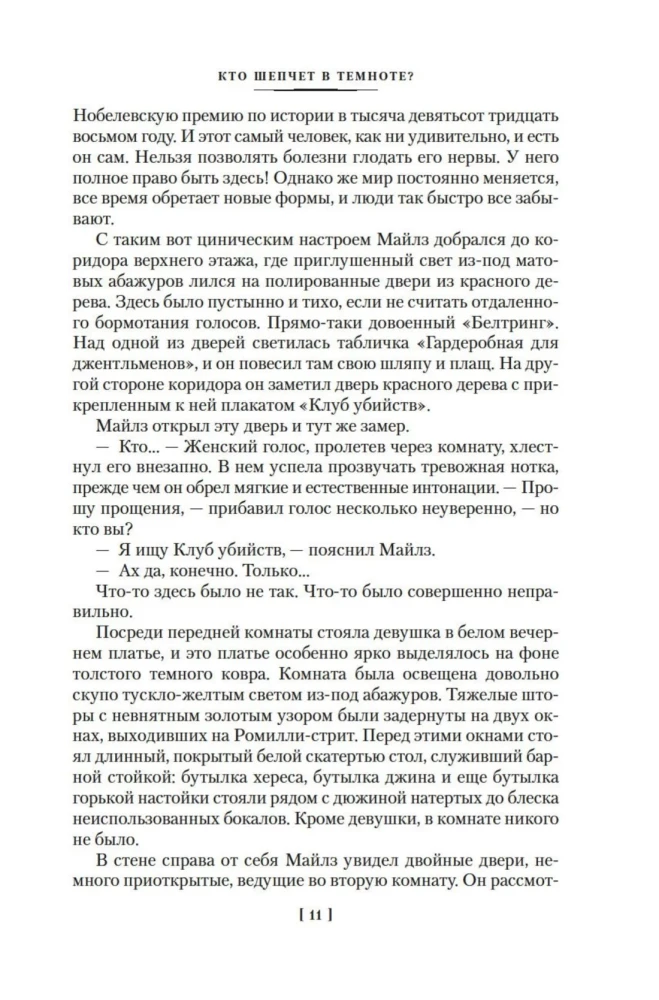
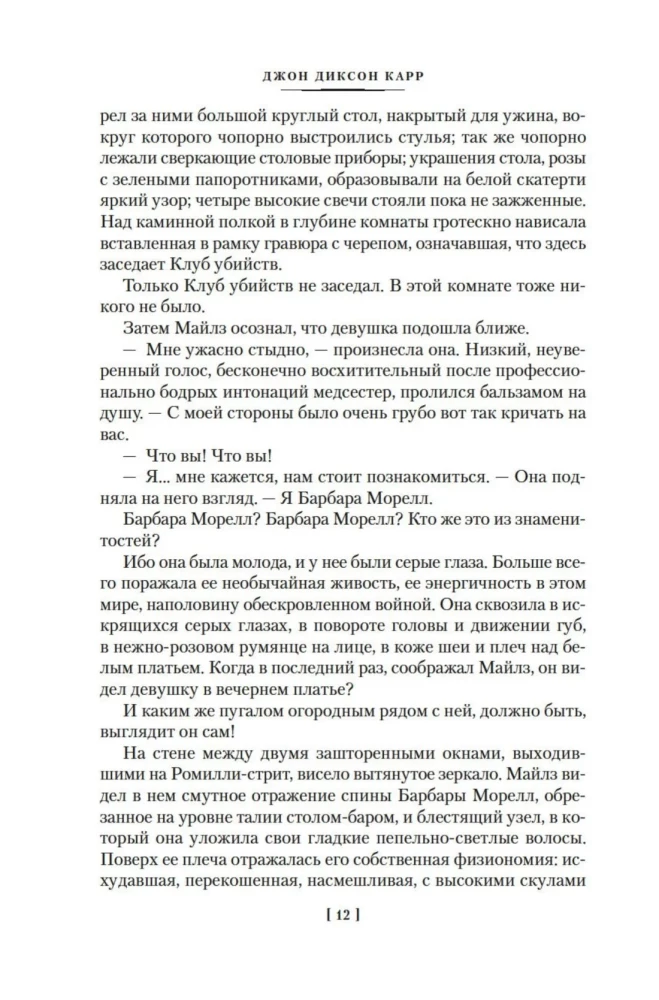
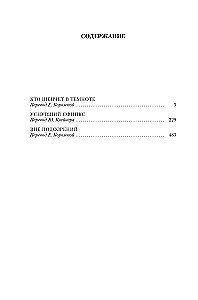
Thus, writer Kingsley Amis, in his essay "My Favorite Detectives," called Dr. Fell "one of the three great successors of Sherlock Holmes." This collection includes the sixteenth, seventeenth, and eighteenth novels of the Gideon Fell investigation cycle, published for the first time in new translations. In the story of the impossible, yet realized murder recounted in the novel "Who Whispers in the Dark?" (1946), all signs point to a mystical nature of the crime, and the ingenious Dr. Fell must either believe in it or dispel the thickening gloom… Returning home literally "from the other side," scout Donald Holden, the hero of the novel "The Sleeping Sphinx" (1947), anxiously awaited the reunion with friends and his beloved.
However, what he was about to see and learn could not have been imagined even in a nightmare… The successful lawyer Patrick Butler, the hero of the novel "Out of Suspicion" (1949), is self-assured and rarely loses. And when two poisoning cases land on his desk one after another — which are completely obvious from the prosecution's point of view — he unhesitatingly takes on the challenge to prove the innocence of his defendants.
Thus, writer Kingsley Amis, in his essay "My Favorite Detectives," called Dr. Fell "one of the three great successors of Sherlock Holmes." This collection includes the sixteenth, seventeenth, and eighteenth novels of the Gideon Fell investigation cycle, published for the first time in new translations. In the story of the impossible, yet realized murder recounted in the novel "Who Whispers in the Dark?" (1946), all signs point to a mystical nature of the crime, and the ingenious Dr. Fell must either believe in it or dispel the thickening gloom… Returning home literally "from the other side," scout Donald Holden, the hero of the novel "The Sleeping Sphinx" (1947), anxiously awaited the reunion with friends and his beloved.
However, what he was about to see and learn could not have been imagined even in a nightmare… The successful lawyer Patrick Butler, the hero of the novel "Out of Suspicion" (1949), is self-assured and rarely loses. And when two poisoning cases land on his desk one after another — which are completely obvious from the prosecution's point of view — he unhesitatingly takes on the challenge to prove the innocence of his defendants.
Author: Джон Диксон Карр
Printhouse: Azbuka
Series: Classic Detective. Big Books
Age restrictions: 16+
Year of publication: 2026
ISBN: 9785389257580
Number of pages: 736
Size: 210x140x26 mm
Cover type: hard
Weight: 813 g
ID: 1731747
In stock
€ 19.99
Will be delivered to United States on :
Unfortunately, we are currently unable to deliver orders to your region.
In stock
€ 19.99
Will be delivered to United States on :
Unfortunately, we are currently unable to deliver orders to your region.
Bestsellers





Bestseller
€ 12.19
In stock
Kanashibari. Until the Last Lantern Goes Out. Volume 1
Ангелина Шэн, Вероника Шэн