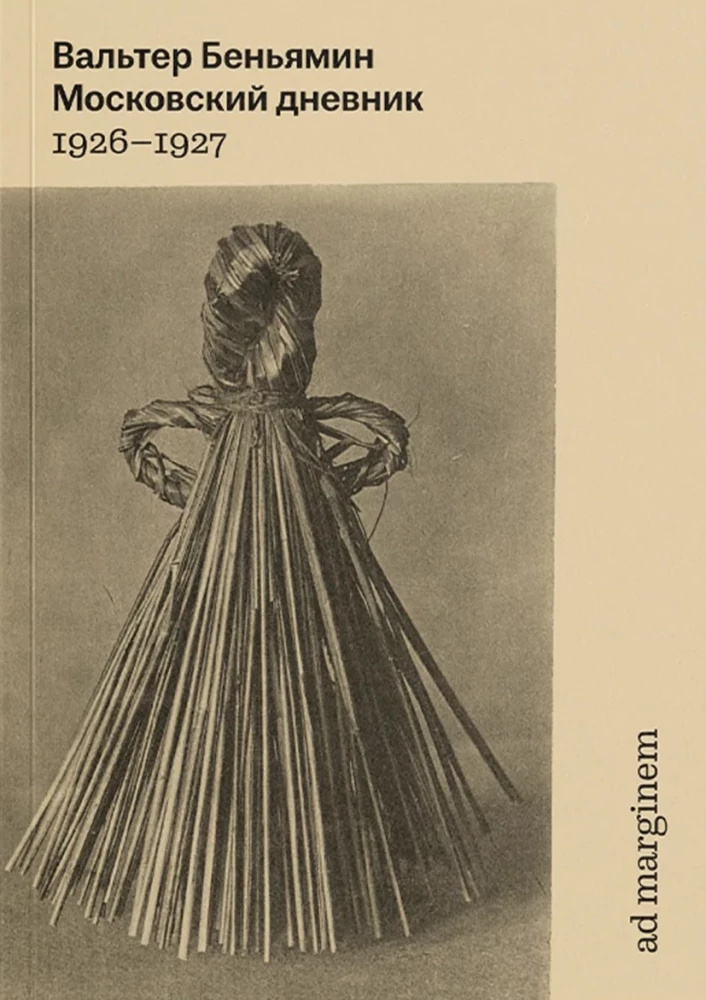
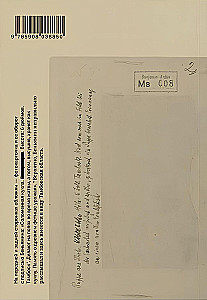
Walter Benjamin (1892–1940) is a remarkable figure even for the extraordinary diversity of German intellectual culture in the 20th century. Starting with studies dedicated to German Romanticism, Goethe, and the theater of the Baroque era, he then engaged in the...
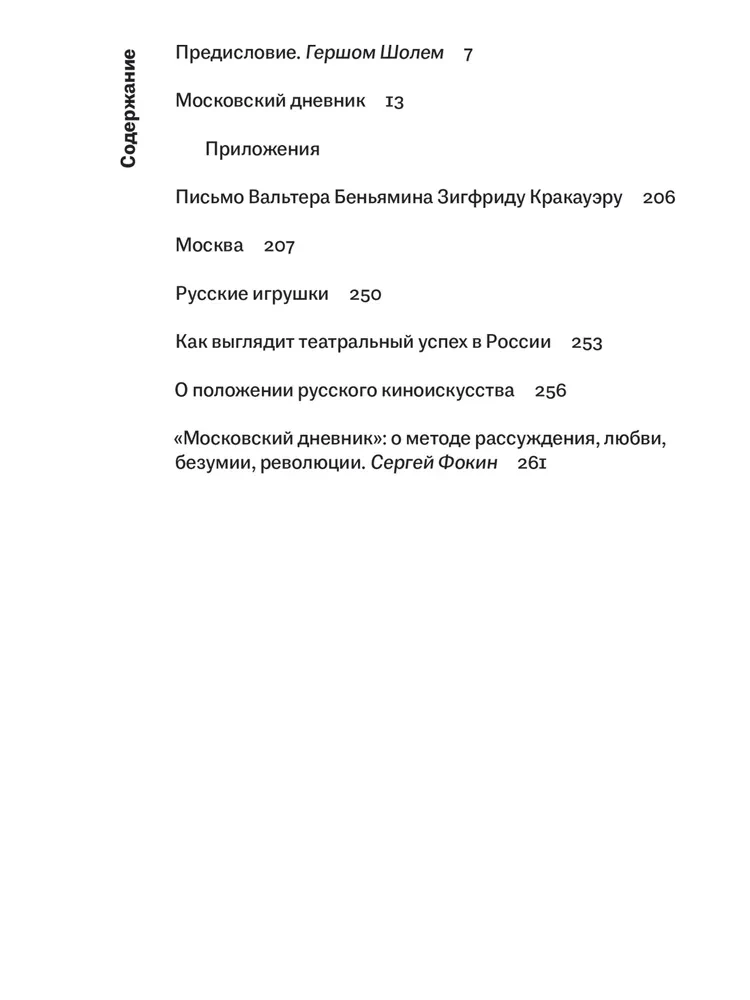
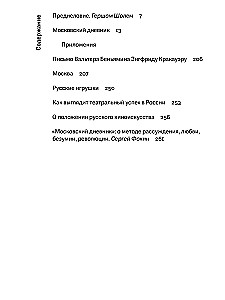
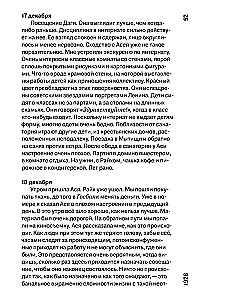
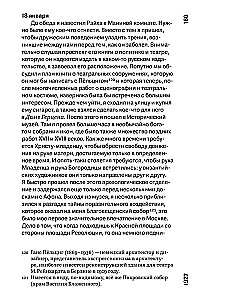
search for patterns in cultural development, striving to move from concrete, tangible phenomena of human life, often completely simple and everyday. Chaplin's comedies, children's books, tabloid newspapers, old photographs, or Parisian passages became reasons for him to reflect on how culture is structured. His studies on literature — about Baudelaire, Kafka, Proust, Leskov — turned out to be immeasurably broader than traditional literary criticism. Walter Benjamin's restless nature brought him to Moscow in the winter of 1926/27, where his encounter with the city played an important role in his fate. This edition of «Moscow Diary» includes Russian translations of other works by Benjamin related to Moscow and an afterword by Sergey Fokin, in which this corpus of texts is examined in the context of Soviet culture of that period.
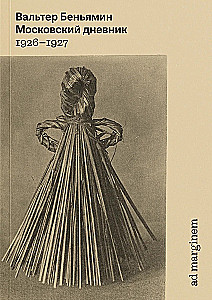
Walter Benjamin (1892–1940) is a remarkable figure even for the extraordinary diversity of German intellectual culture in the 20th century. Starting with studies dedicated to German Romanticism, Goethe, and the theater of the Baroque era, he then engaged in the search for patterns in cultural development, striving to move from concrete, tangible phenomena of human life, often completely simple and everyday. Chaplin's comedies, children's books, tabloid newspapers, old photographs, or Parisian passages became reasons for him to reflect on how culture is structured. His studies on literature — about Baudelaire, Kafka, Proust, Leskov — turned out to be immeasurably broader than traditional literary criticism. Walter Benjamin's restless nature brought him to Moscow in the winter of 1926/27, where his encounter with the city played an important role in his fate. This edition of «Moscow Diary» includes Russian translations of other works by Benjamin related to Moscow and an afterword by Sergey Fokin, in which this corpus of texts is examined in the context of Soviet culture of that period.
In stock
€ 12.79
Will be delivered to United States on 10 March (Tu):
By courier
from
€ 38.94
In stock
€ 12.79
Will be delivered to United States on 10 March (Tu):
Be the first to know about our current discounts, offers and new products!
Check icon
You have added to your basket
Check icon
You have added to favourites
Sold out
The item is currently out of stock.
In stock
Available in warehouse. You will receive the exact delivery date from the operator after the order confirmation.
To order
The product is delivered directly from the publisher. The order processing time is up to 14 days, you will receive the exact delivery date from the operator after the order confirmation.