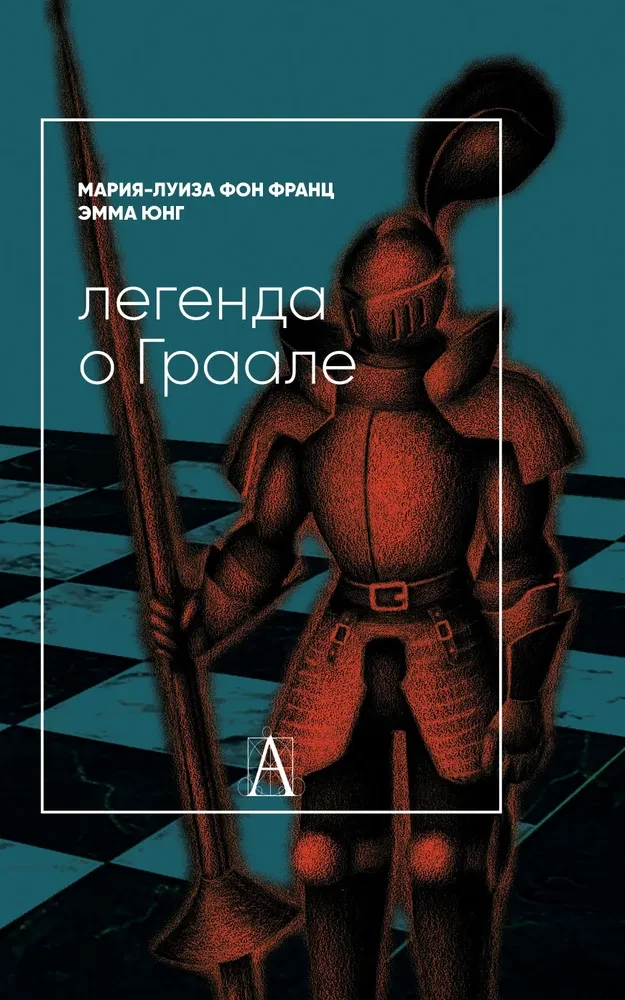
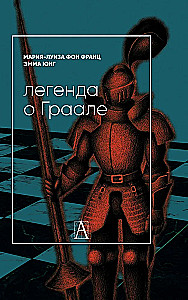
The Legend of the Grail
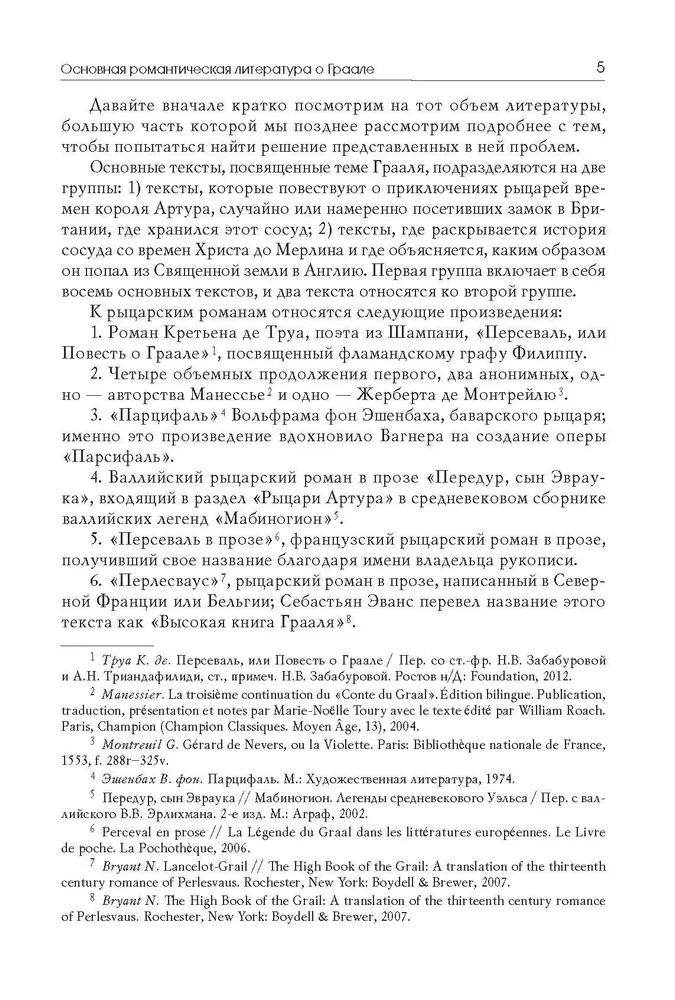
Emma Jung (1882–1955), the wife of the founder of analytical psychology Carl Gustav Jung, and Marie-Louise von Franz (1915–1998), his long-time associate and closest colleague, spent more than 30 years writing this book. From a Jungian perspective, both researchers dissect...
the extensive material of the Grail legends. Similar to the deep symbolism of alchemy, these folkloric fantasies and their symbolism depict essential, unconscious psychic processes. The primary focus of the authors is the work of the medieval French poet Chrétien de Troyes, the pioneer of the courtly romance and compiler of the oldest known compilations about the Grail. The belief in a magical artifact that grants health and prosperity, hidden in an inaccessible land, in the lost castle of the gravely ill King, has stirred the interest of a wide audience for eight centuries. The archetypal motif of the quest for treasure interacts in a whimsical way with the drama of the Passion of the Son of God: according to tradition, the coveted treasure is a vessel in which Joseph of Arimathea collected the spilled blood of Jesus Christ. Thus, the tale of the Grail illuminates not only fundamental human problems but also tragic events that shape the backdrop of Christian culture. Thanks to this paradoxical synthesis, the story of knights yearning to drink from the miraculous cup remains a vibrant literary phenomenon to this day.
Author: Мария-Луиза фон Франц, Эмма Юнг
Printhouse: Akademicheskii proekt
Series: Psychological Technologies
Age restrictions: 16+
Year of publication: 2022
ISBN: 9785829139605
Number of pages: 377
Size: 220х150х18 mm
Cover type: hard
Weight: 492 g
ID: 1726541
Sold out
€ 23.89
Sold out
€ 23.89
Bestsellers




€ 13.29
In stock
12 Weeks in a Year. How to Achieve More in 12 Weeks Than Others Do in 12 Months
Майкл Леннингтон, Брайан Моран

€ 7.89
In stock
Choice. On the Freedom and Inner Strength of a Person
Эдит Ева Эгер, Эсме Швалль-Вейганд



€ 6.99
In stock



€ 6.99
In stock
How to Talk So Kids Will Listen, and How to Listen So Kids Will Talk
Элейн Мазлиш, Адель Фабер