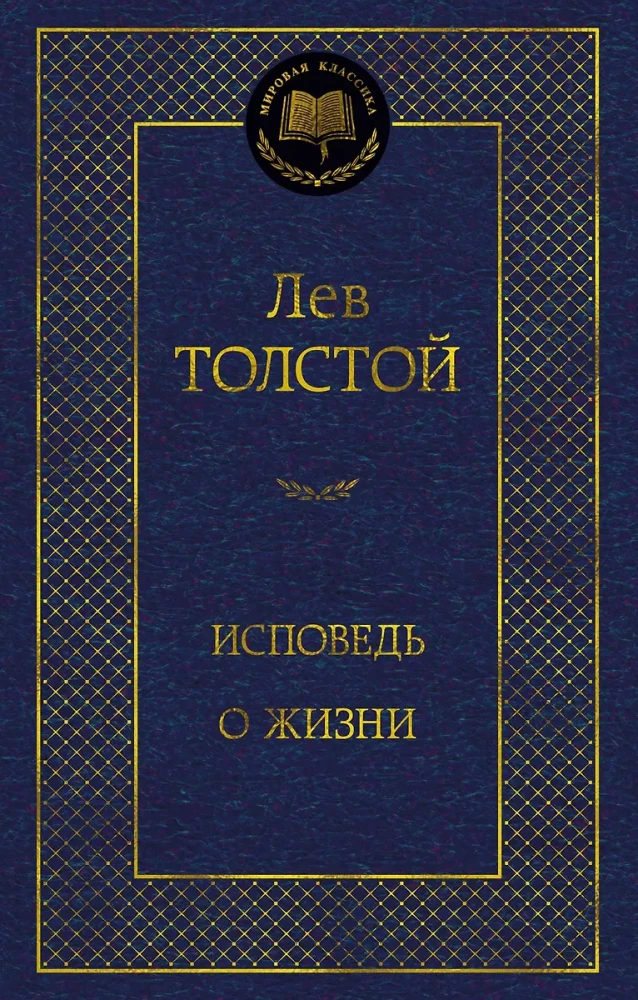
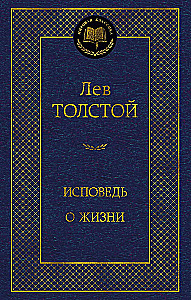
Confession. On Life
Leo Nikolaevich Tolstoy, possibly the most famous Russian writer in the world, entered the history of literature not only as the creator of immortal novels, stories, and tales, but also as a philosopher, the founder of his own teaching –...
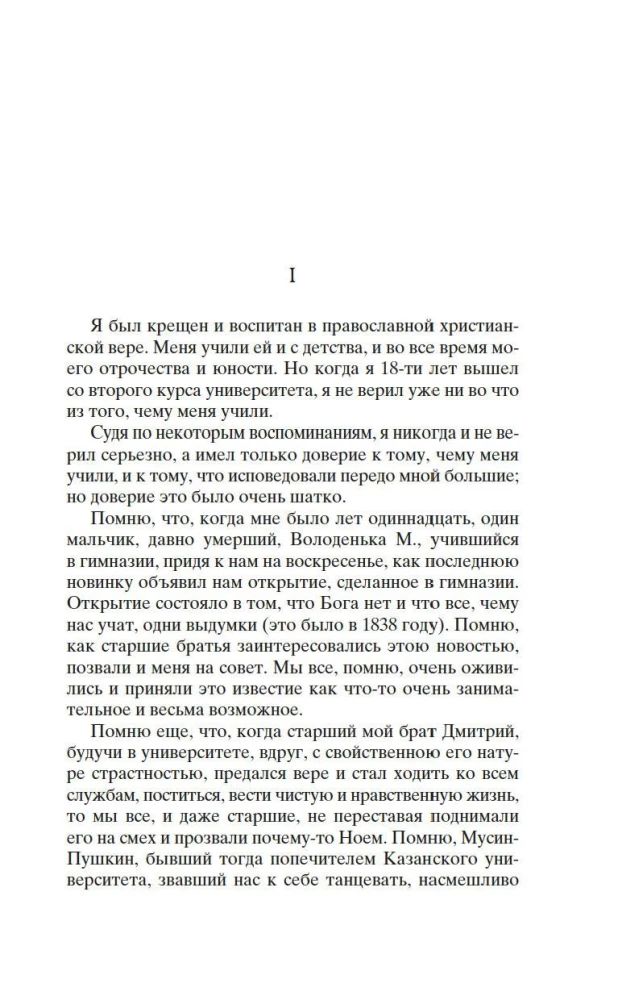
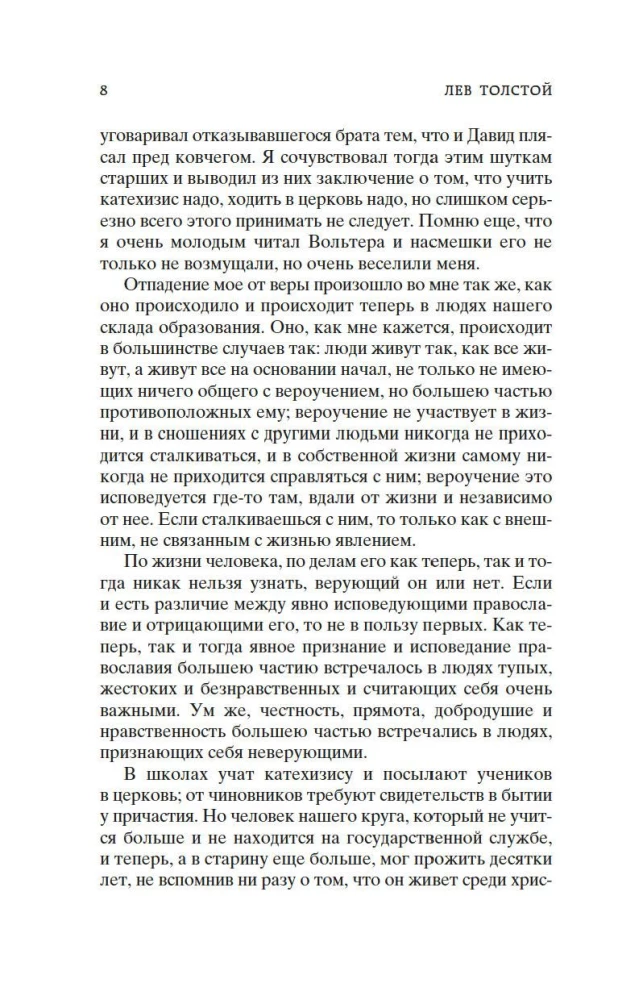
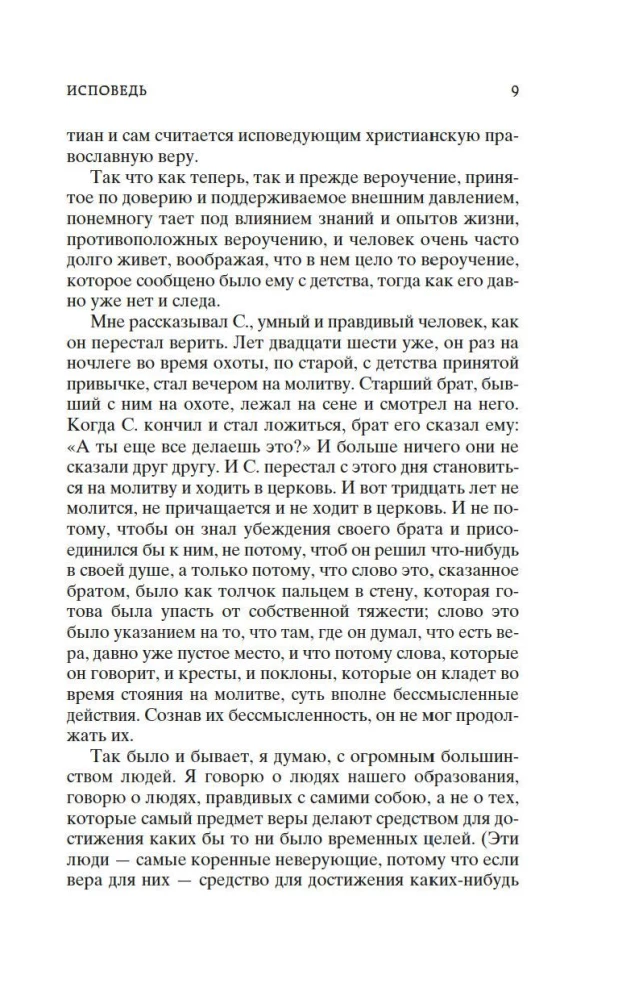
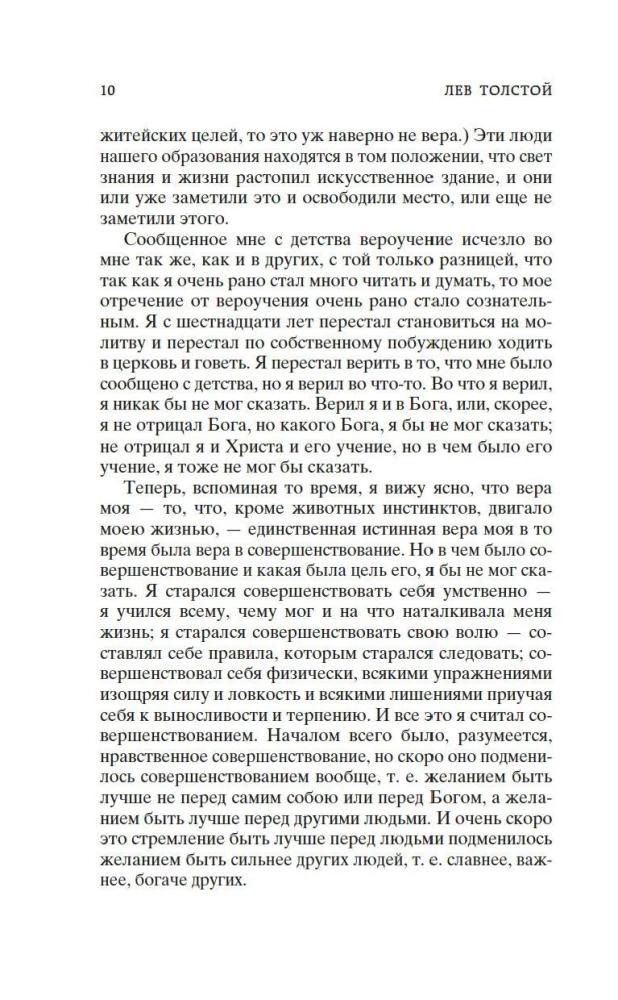
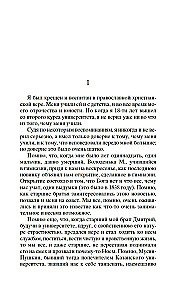
Tolstoyism. This edition includes two of the most important religious-philosophical works by L. N. Tolstoy – "Confession" and "On Life." These works became the culmination of the writer's many years of reflection on fundamental questions of human existence – about the meaning of life, about death and immortality, about faith, about what God is – and at the time of their publication, they were banned by censorship. While "Confession" spread throughout Russia in handwritten copies, the work "On Life" was unknown to the general reader. In "Confession," Tolstoy recreated a latent, externally inconspicuous process that was taking place in his spiritual life over several decades. "I experienced a revolution, which had long been preparing in me and whose seeds had always been in me," he wrote. Tolstoy looked intently at the years he had lived, trying to answer the questions that troubled him, the most important of which became the question of faith. Tolstoy sought to determine the essence of the revolution that occurred within him but understood that he was at the very beginning of the path. "Confession" is the first work on this path, "On Life" is the book that sums up the results.
Author: Лев Толстой
Printhouse: Azbuka
Series: Мировая классика
Age restrictions: 16+
Year of publication: 2025
ISBN: 9785389282650
Number of pages: 320
Size: 205х130х23 mm
Cover type: hard
Weight: 260 g
ID: 1708124
In stock
€ 4.89
Will be delivered to United States on :
Unfortunately, we are currently unable to deliver orders to your region.
In stock
€ 4.89
Will be delivered to United States on :
Unfortunately, we are currently unable to deliver orders to your region.
Bestsellers

Bestseller
€ 12.19
In stock
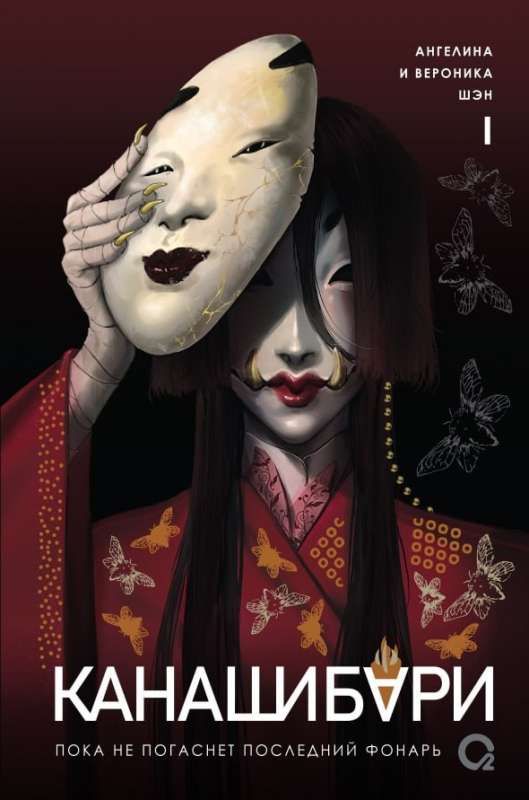
Kanashibari. Until the Last Lantern Goes Out. Volume 1
Ангелина Шэн, Вероника Шэн