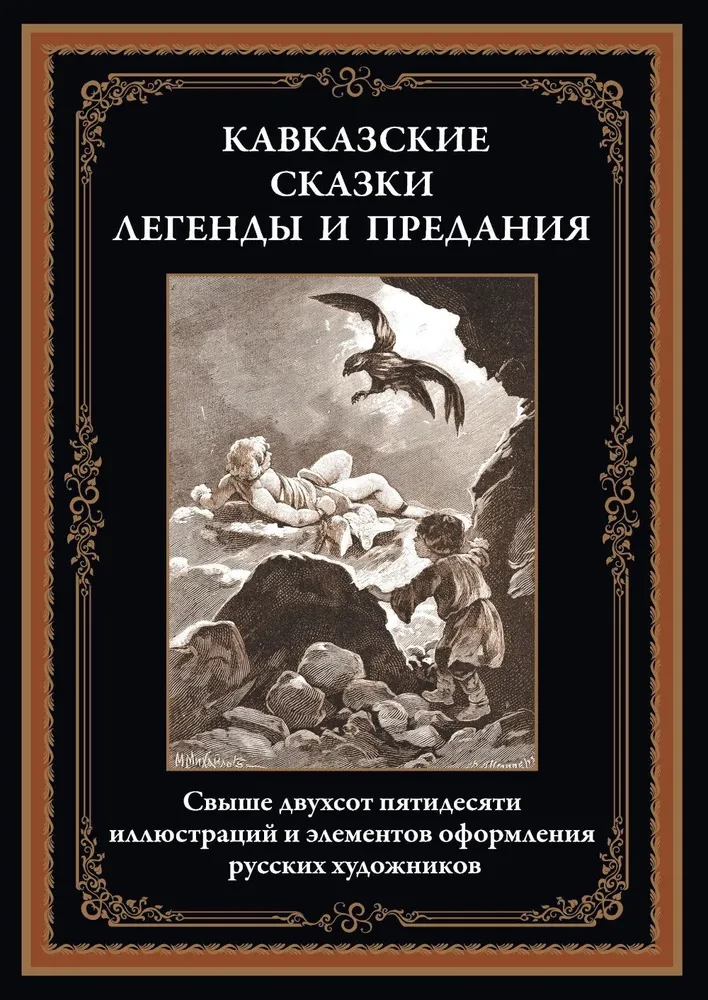
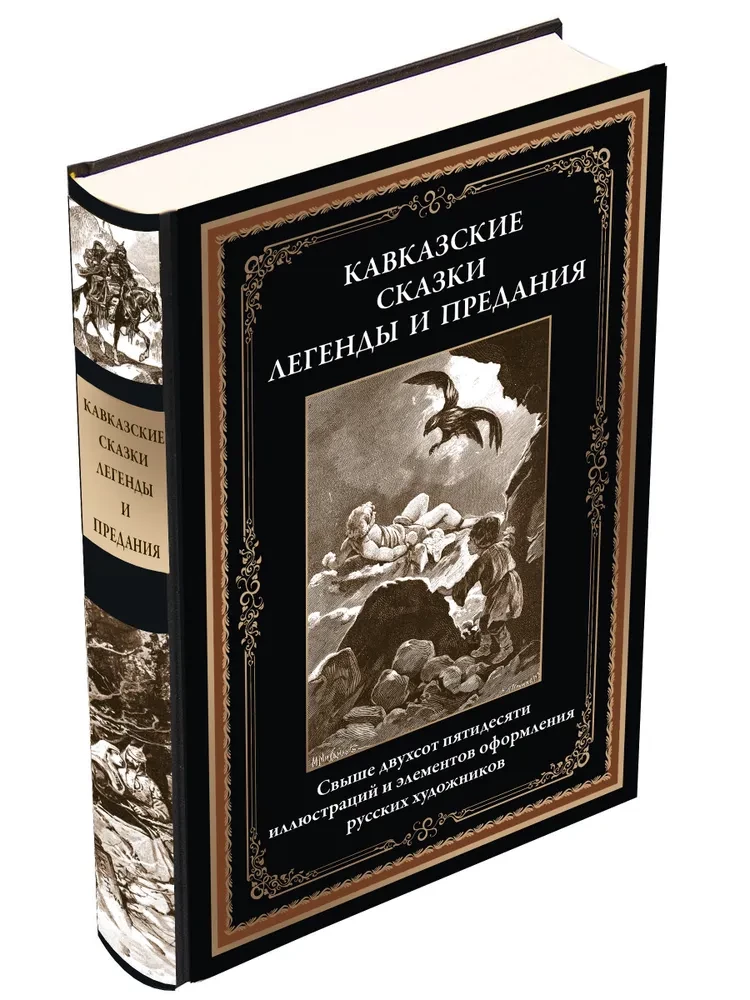
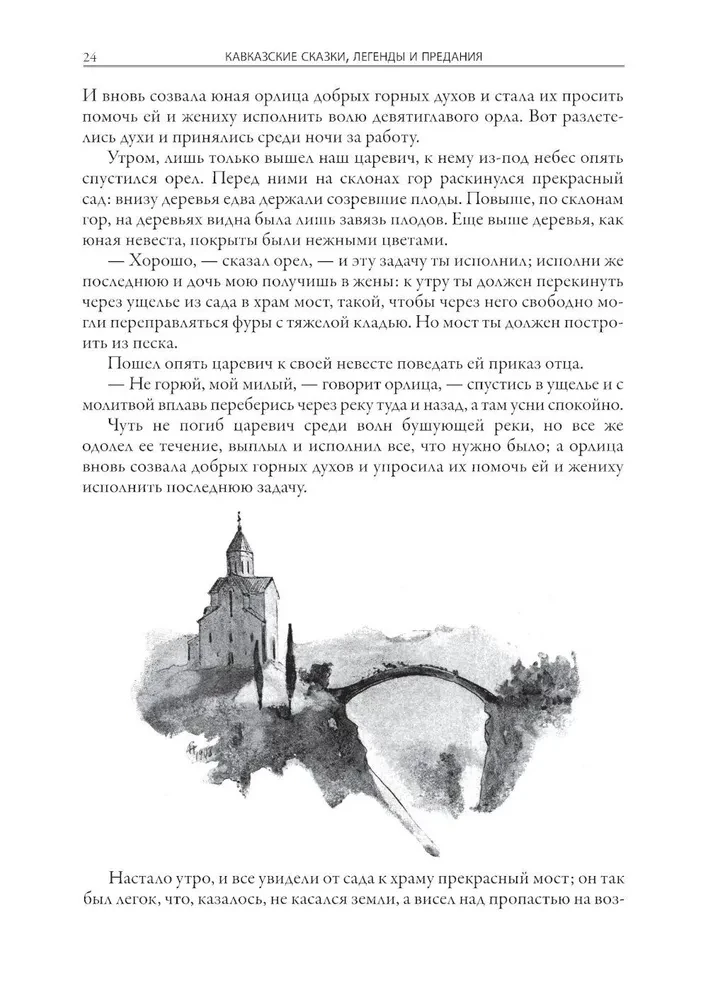
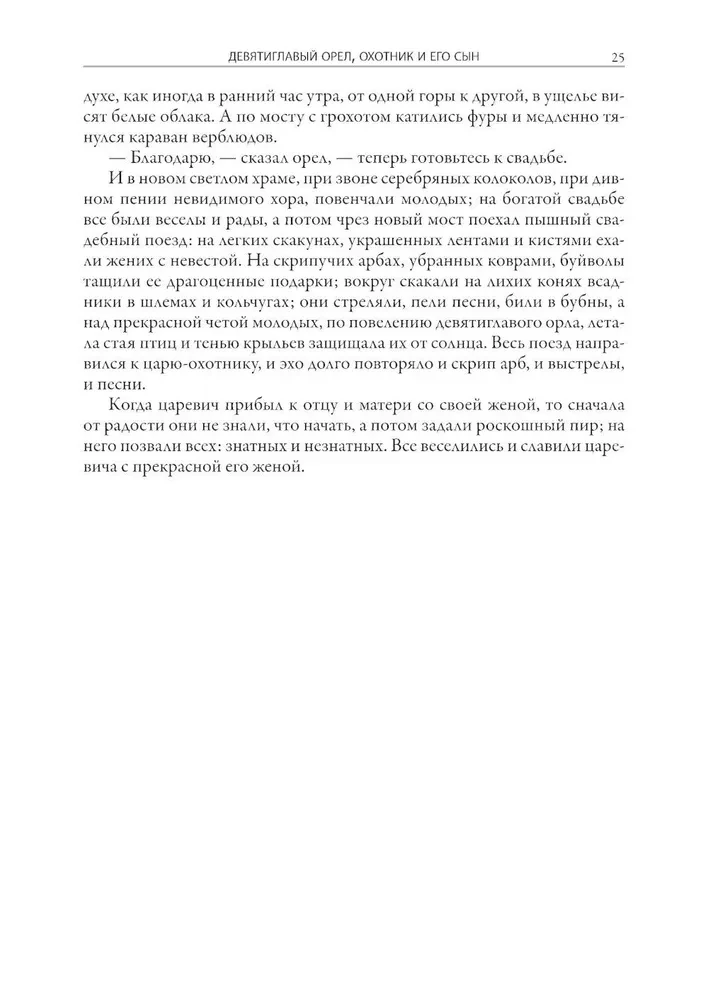
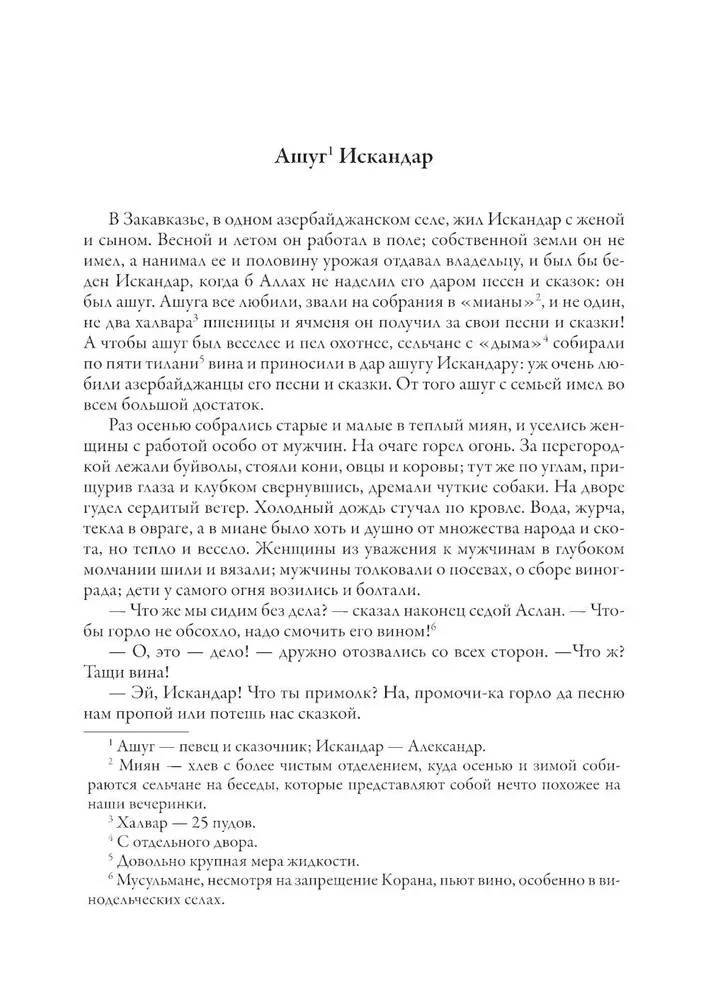


Caucasian Tales. Legends and Traditions
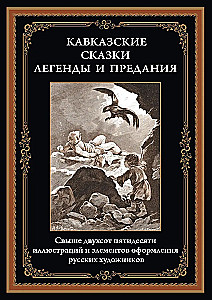
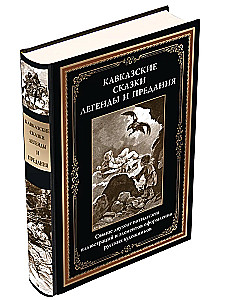
The gift illustrated edition is printed on creamy plush paper with a bookmark of the same color as the headband.
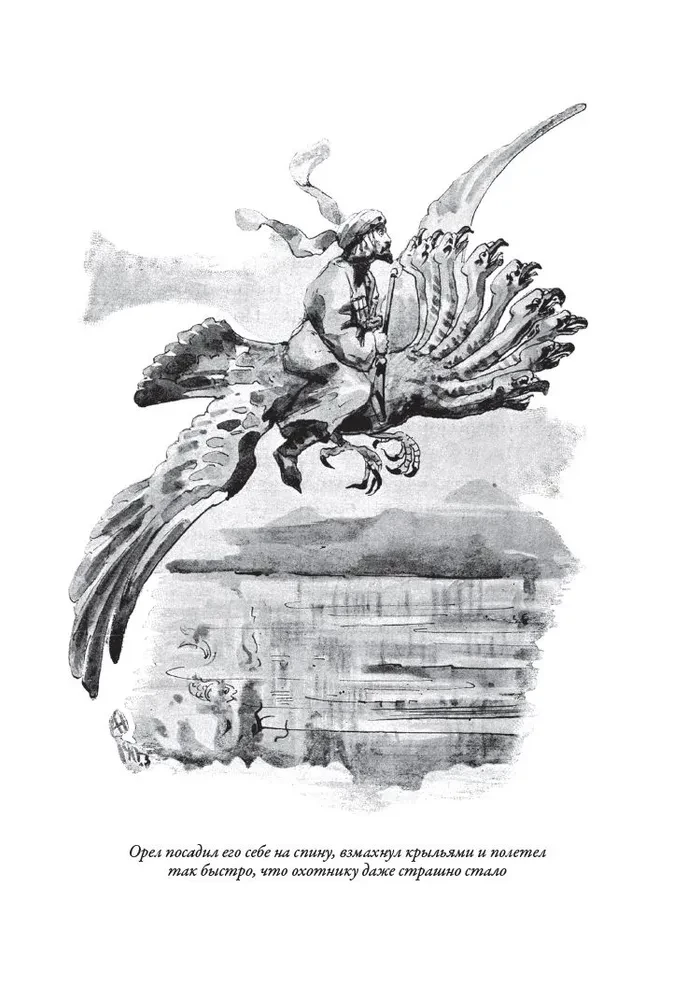
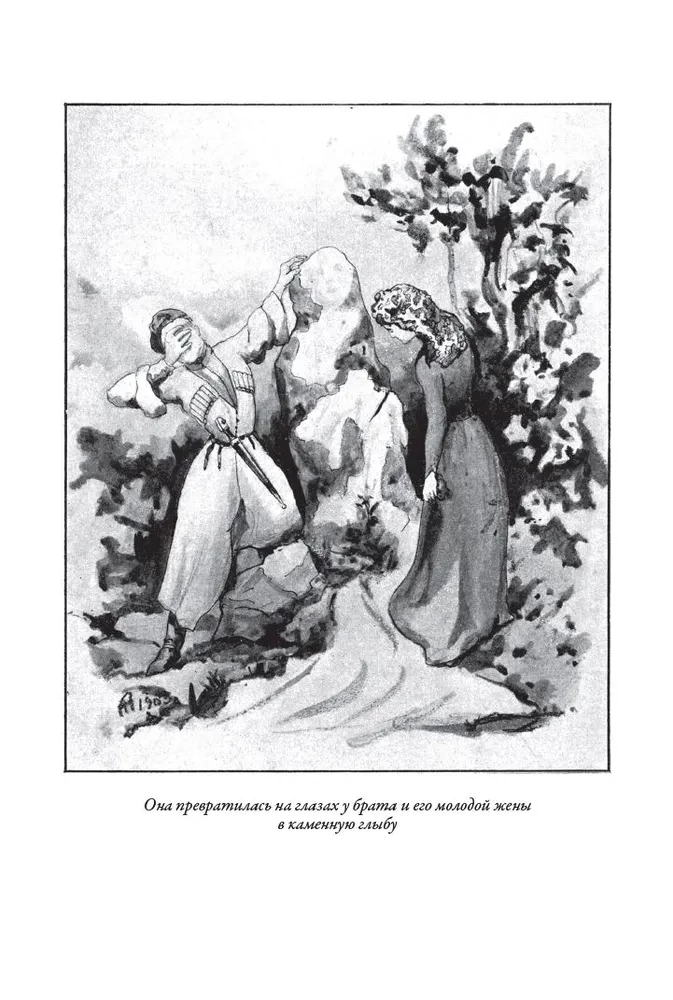
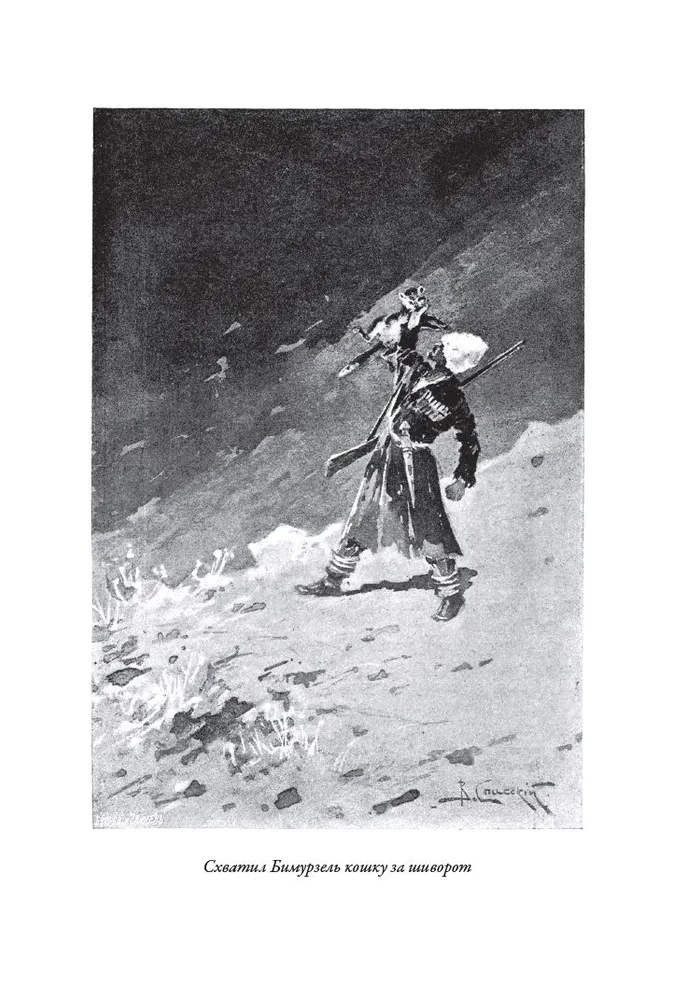
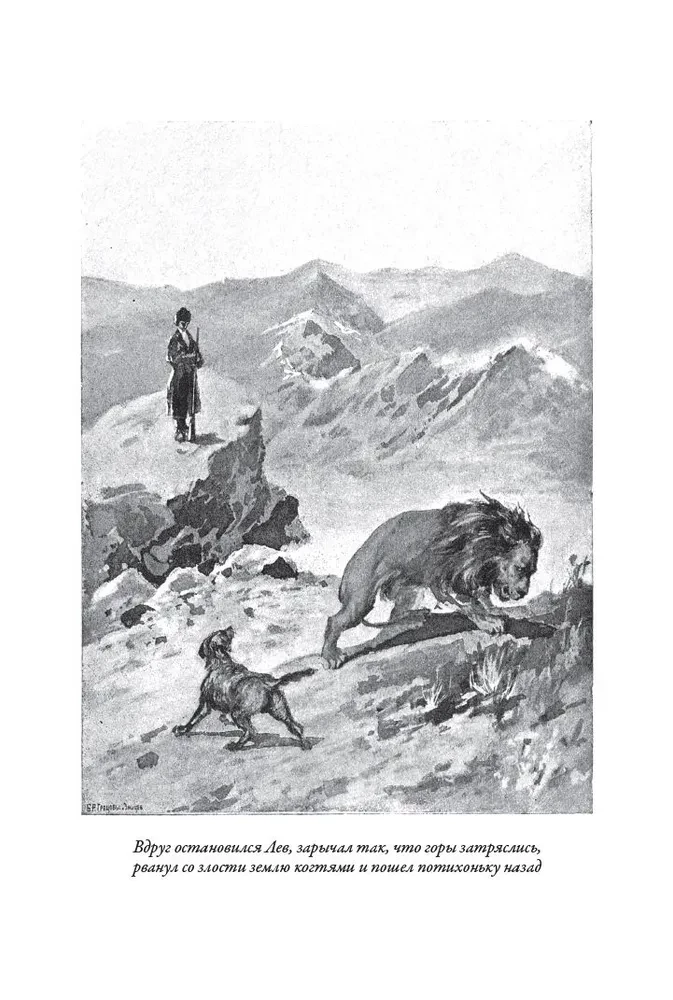
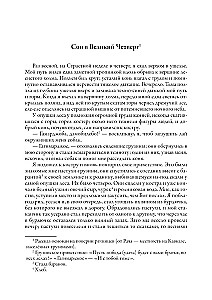
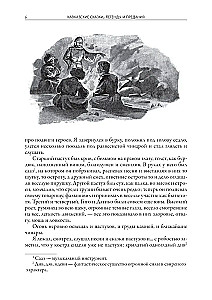
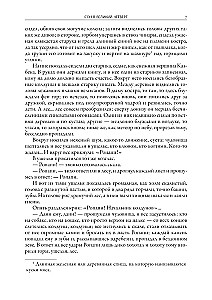
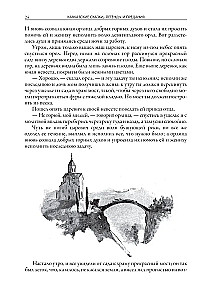
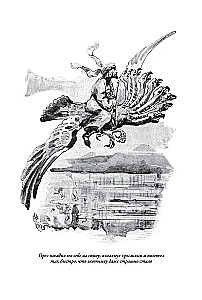
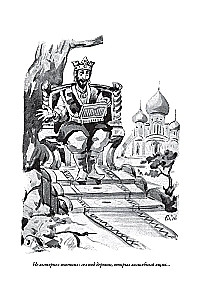
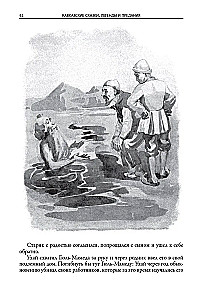
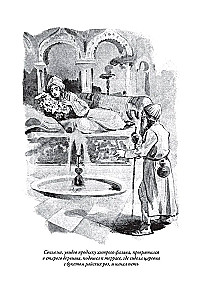
This edition presents delightful tales, legends, and traditions of the peoples of the Caucasus. They have been collected and processed by... three outstanding writers of their time: G. Dorofeev (1862–?), V. Gatsuk (1863–1910), and L. Chersky (1866–?). The originality and beauty of these stories are reflected in the wonderful unique illustrations by talented artists who worked at the turn of the 19th-20th centuries: A. Apsit (1880–1944), A. Eisner (1872–1942), V. Spassky (1870–1923), and M. Mikhailov (1855–1932).
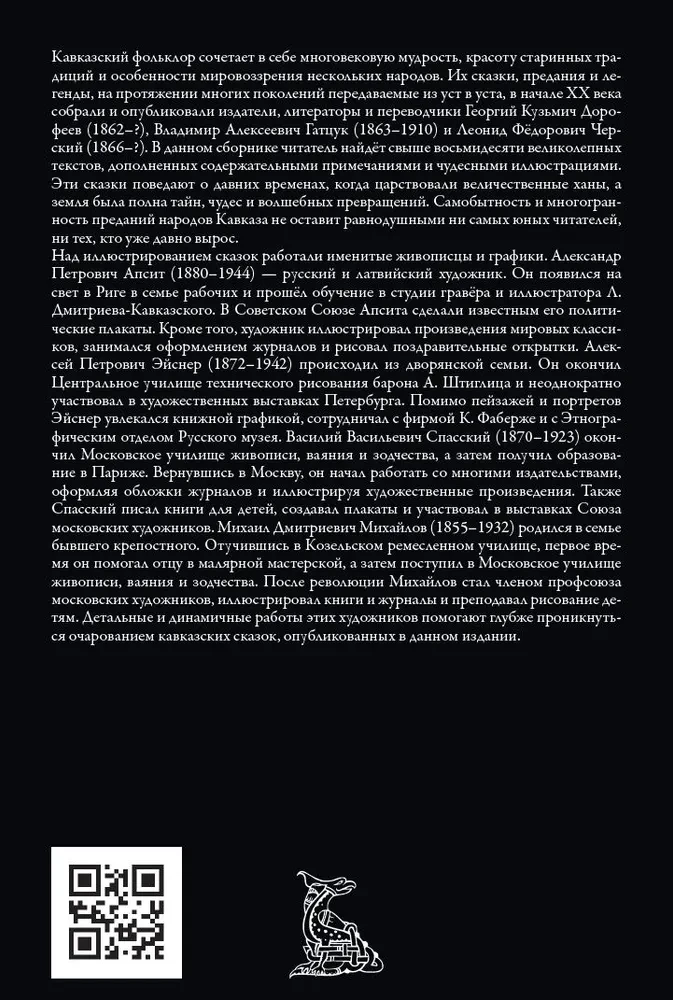
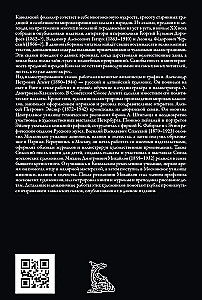
Caucasian folklore combines centuries-old wisdom, the beauty of ancient traditions, and the peculiarities of the worldview of several peoples. Their tales, traditions, and legends, passed down orally for many generations, were collected and published in the early 20th century by publishers, writers, and translators Georgy Kuzmich Dorofeev (1862–?), Vladimir Alekseyevich Gatsuk (1863–1910), and Leonid Fyodorovich Chersky (1866–?). In this collection, the reader will find over eighty magnificent texts, complemented by meaningful notes and wonderful illustrations. These tales will tell of ancient times when majestic khans reigned and the land was full of mysteries, wonders, and magical transformations. The originality and diversity of the traditions of the peoples of the Caucasus will not leave indifferent either the youngest readers or those who have long grown up.
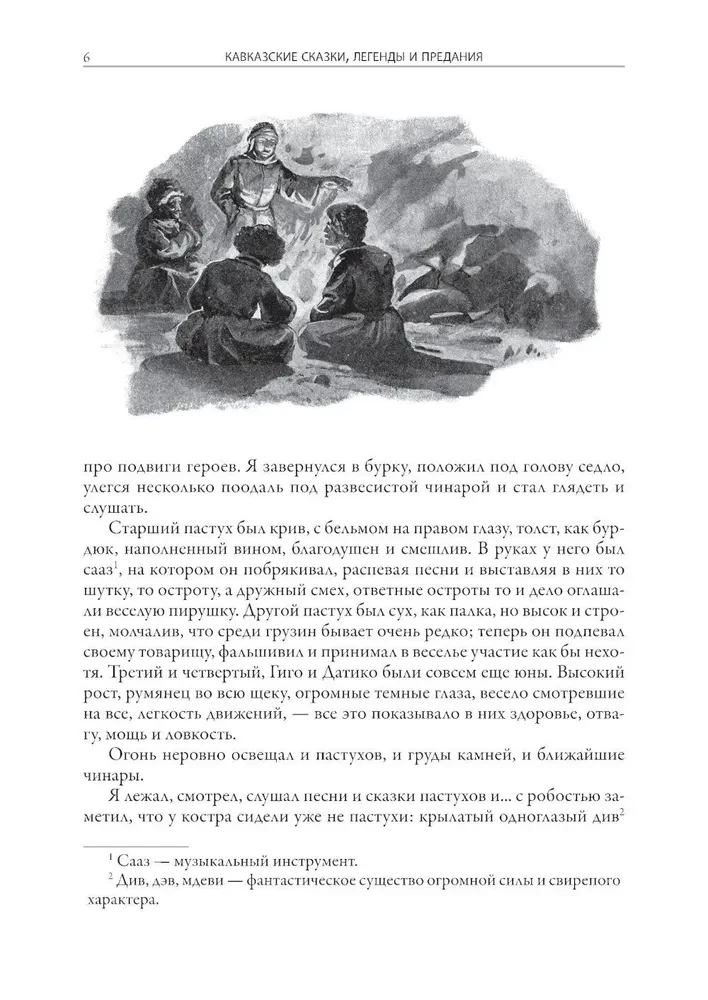
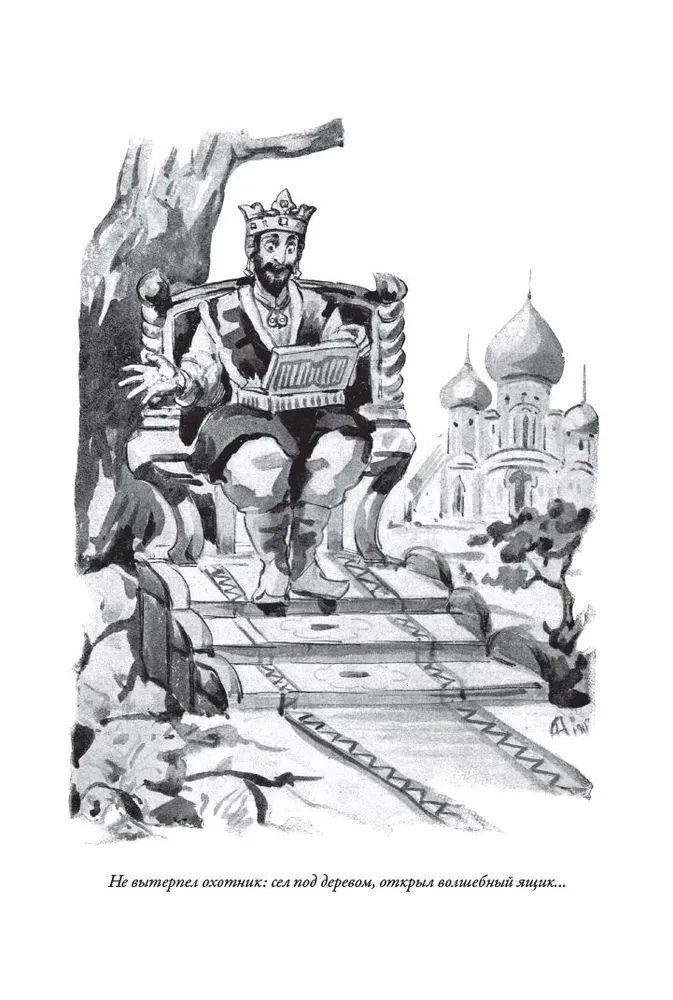
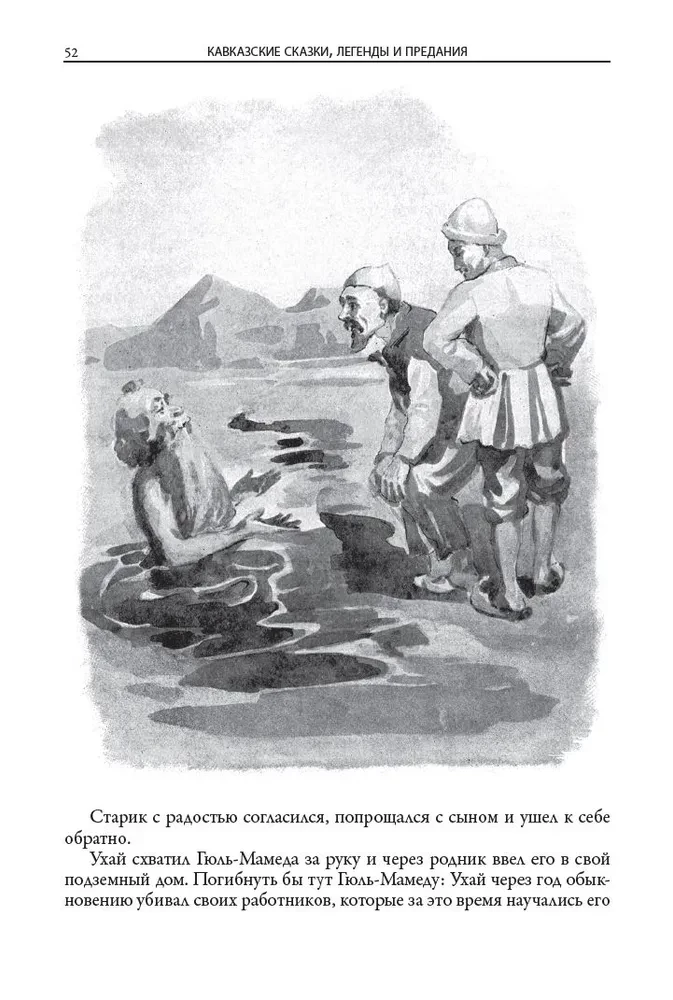
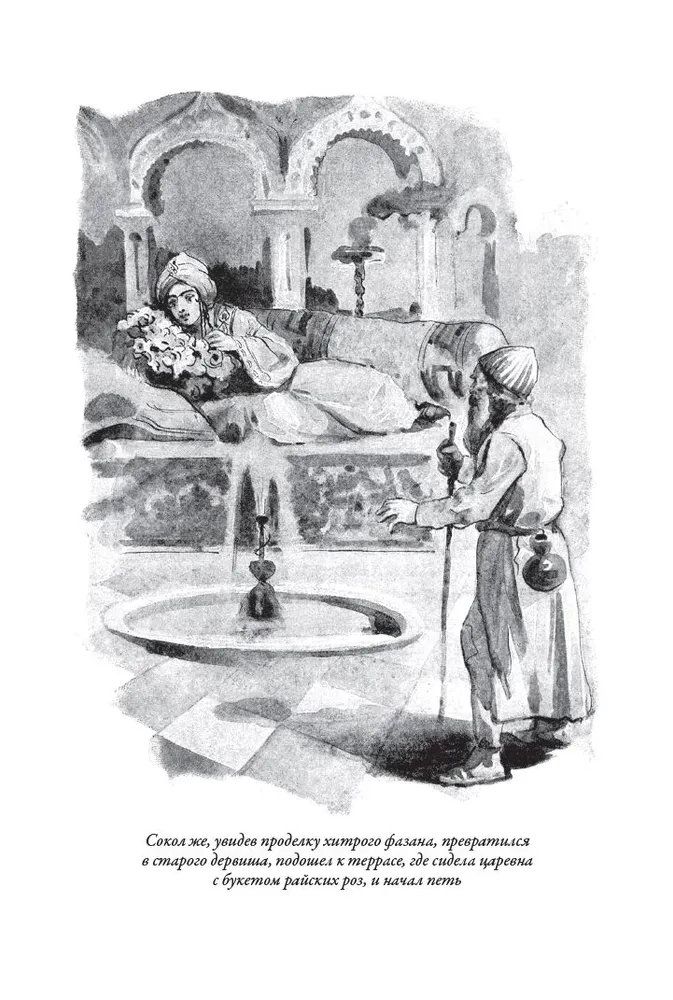
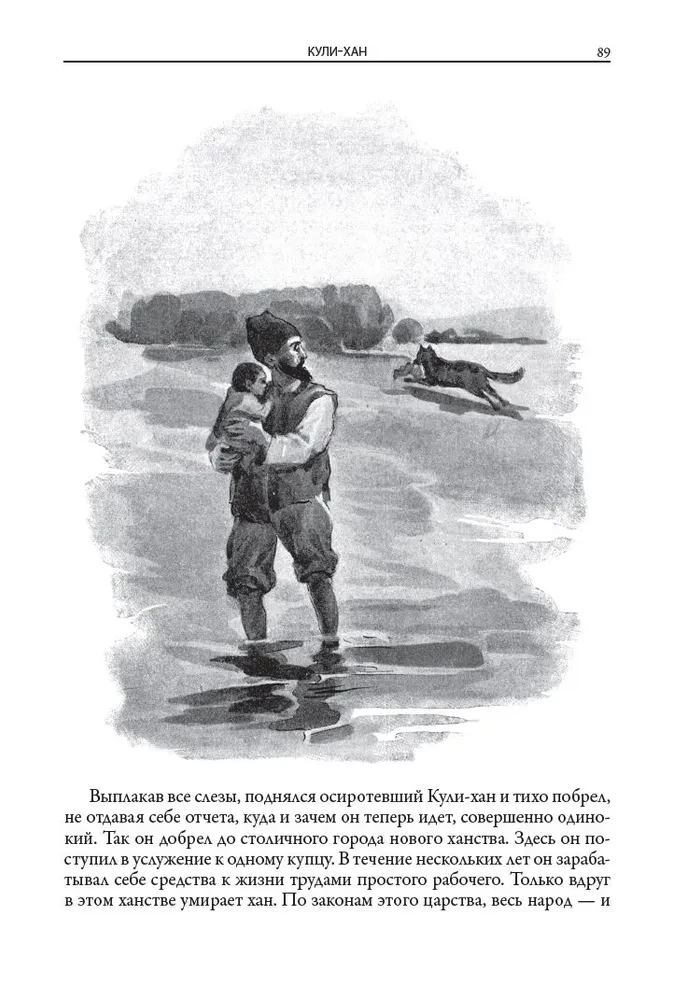
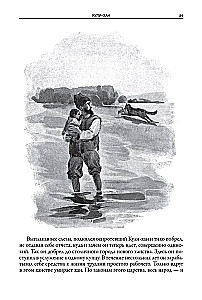
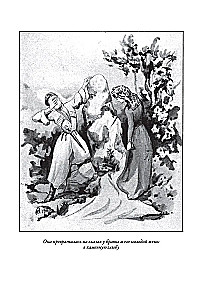
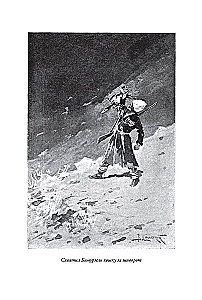
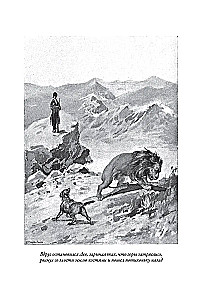
Famous painters and graphic artists worked on the illustration of the tales. Alexander Petrovich Apsit (1880–1944) was a Russian and Latvian artist. He was born in Riga to a family of workers and studied at the studio of engraver and illustrator L. Dmitriev-Kavkazsky. In the Soviet Union, Apsit became known for his political posters. In addition, the artist illustrated works of world classics, designed magazines, and drew greeting cards. Alexey Petrovich Eisner (1872–1942) came from a noble family. He graduated from the Central School of Technical Drawing of Baron A. Stieglitz and participated multiple times in art exhibitions in St. Petersburg. Besides landscapes and portraits, Eisner was passionate about book graphics, collaborated with the K. Fabergé firm, and with the Ethnographic Department of the Russian Museum. Vasily Vasilyevich Spassky (1870–1923) graduated from the Moscow School of Painting, Sculpture, and Architecture, and then received his education in Paris. Upon returning to Moscow, he began working with many publishers, designing magazine covers and illustrating artistic works. Spassky also wrote children's books, created posters, and participated in exhibitions of the Union of Moscow Artists. Mikhail Dmitrievich Mikhailov (1855–1932) was born into the family of a former serf. After studying at the Kozelsk Craft School, he initially helped his father in a painting workshop, and then entered the Moscow School of Painting, Sculpture, and Architecture. After the revolution, Mikhailov became a member of the union of Moscow artists, illustrated books and magazines, and taught drawing to children. The detailed and dynamic works of these artists help to immerse oneself deeper into the charm of Caucasian tales published in this edition.
This edition presents delightful tales, legends, and traditions of the peoples of the Caucasus. They have been collected and processed by... three outstanding writers of their time: G. Dorofeev (1862–?), V. Gatsuk (1863–1910), and L. Chersky (1866–?). The originality and beauty of these stories are reflected in the wonderful unique illustrations by talented artists who worked at the turn of the 19th-20th centuries: A. Apsit (1880–1944), A. Eisner (1872–1942), V. Spassky (1870–1923), and M. Mikhailov (1855–1932).
Caucasian folklore combines centuries-old wisdom, the beauty of ancient traditions, and the peculiarities of the worldview of several peoples. Their tales, traditions, and legends, passed down orally for many generations, were collected and published in the early 20th century by publishers, writers, and translators Georgy Kuzmich Dorofeev (1862–?), Vladimir Alekseyevich Gatsuk (1863–1910), and Leonid Fyodorovich Chersky (1866–?). In this collection, the reader will find over eighty magnificent texts, complemented by meaningful notes and wonderful illustrations. These tales will tell of ancient times when majestic khans reigned and the land was full of mysteries, wonders, and magical transformations. The originality and diversity of the traditions of the peoples of the Caucasus will not leave indifferent either the youngest readers or those who have long grown up.
Famous painters and graphic artists worked on the illustration of the tales. Alexander Petrovich Apsit (1880–1944) was a Russian and Latvian artist. He was born in Riga to a family of workers and studied at the studio of engraver and illustrator L. Dmitriev-Kavkazsky. In the Soviet Union, Apsit became known for his political posters. In addition, the artist illustrated works of world classics, designed magazines, and drew greeting cards. Alexey Petrovich Eisner (1872–1942) came from a noble family. He graduated from the Central School of Technical Drawing of Baron A. Stieglitz and participated multiple times in art exhibitions in St. Petersburg. Besides landscapes and portraits, Eisner was passionate about book graphics, collaborated with the K. Fabergé firm, and with the Ethnographic Department of the Russian Museum. Vasily Vasilyevich Spassky (1870–1923) graduated from the Moscow School of Painting, Sculpture, and Architecture, and then received his education in Paris. Upon returning to Moscow, he began working with many publishers, designing magazine covers and illustrating artistic works. Spassky also wrote children's books, created posters, and participated in exhibitions of the Union of Moscow Artists. Mikhail Dmitrievich Mikhailov (1855–1932) was born into the family of a former serf. After studying at the Kozelsk Craft School, he initially helped his father in a painting workshop, and then entered the Moscow School of Painting, Sculpture, and Architecture. After the revolution, Mikhailov became a member of the union of Moscow artists, illustrated books and magazines, and taught drawing to children. The detailed and dynamic works of these artists help to immerse oneself deeper into the charm of Caucasian tales published in this edition.
Printhouse: SZKEO
Series: Library of World Literature
Age restrictions: 10+
Year of publication: 2024
ISBN: 9785960311649
Number of pages: 496
Size: 240х170х45 mm
Cover type: hard
Weight: 850 g
ID: 1702065
In stock
€ 13.79
Will be delivered to United States on 21 September (Mo):
By courier
from € 38.94