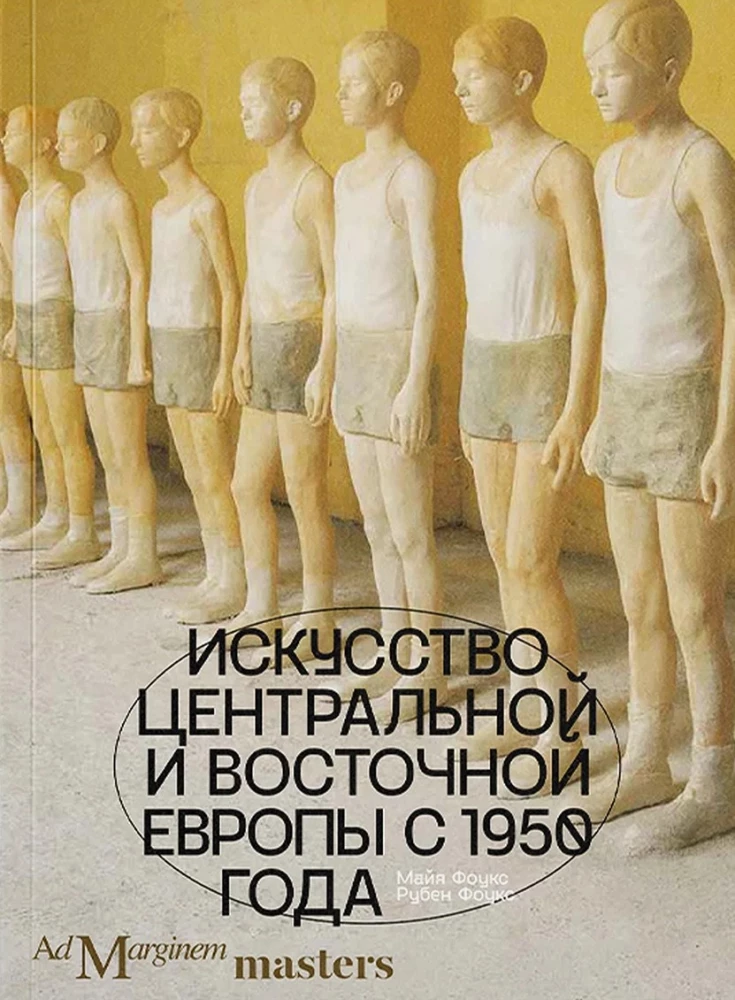
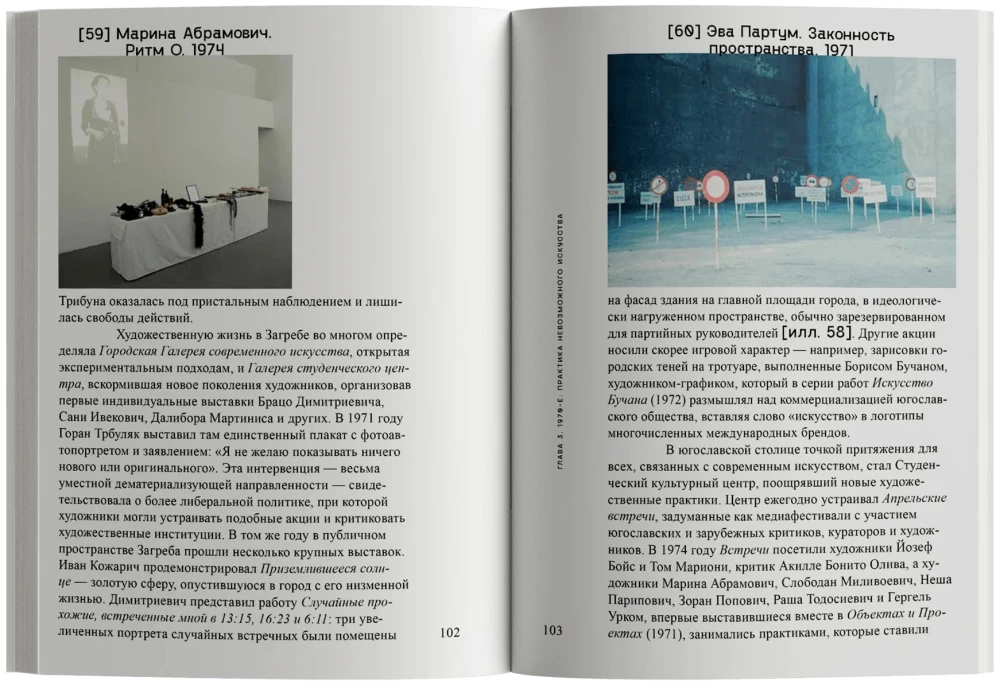
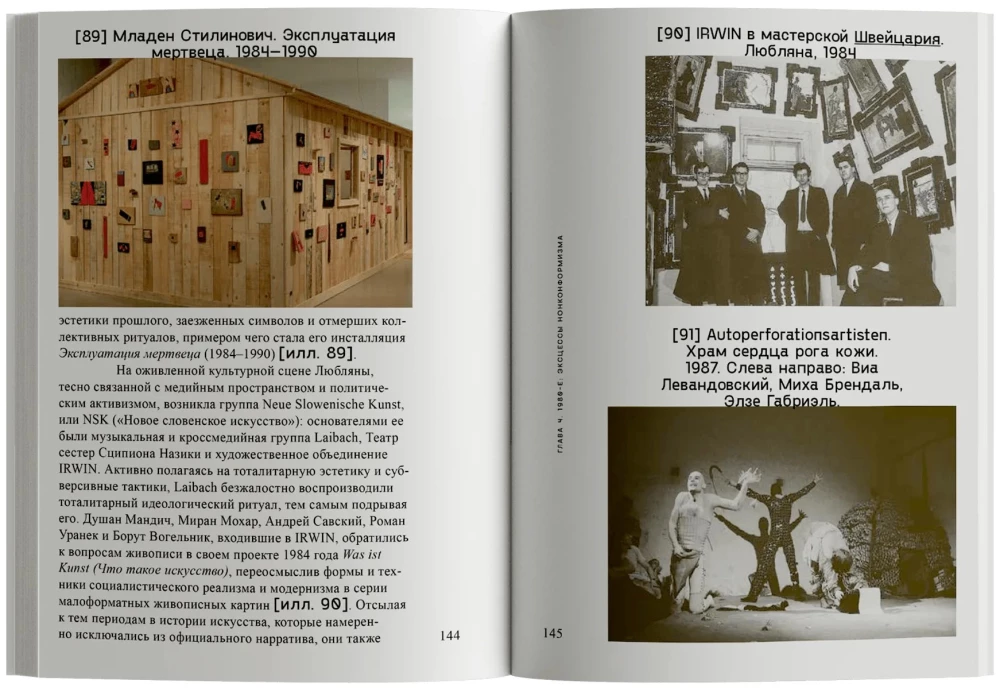
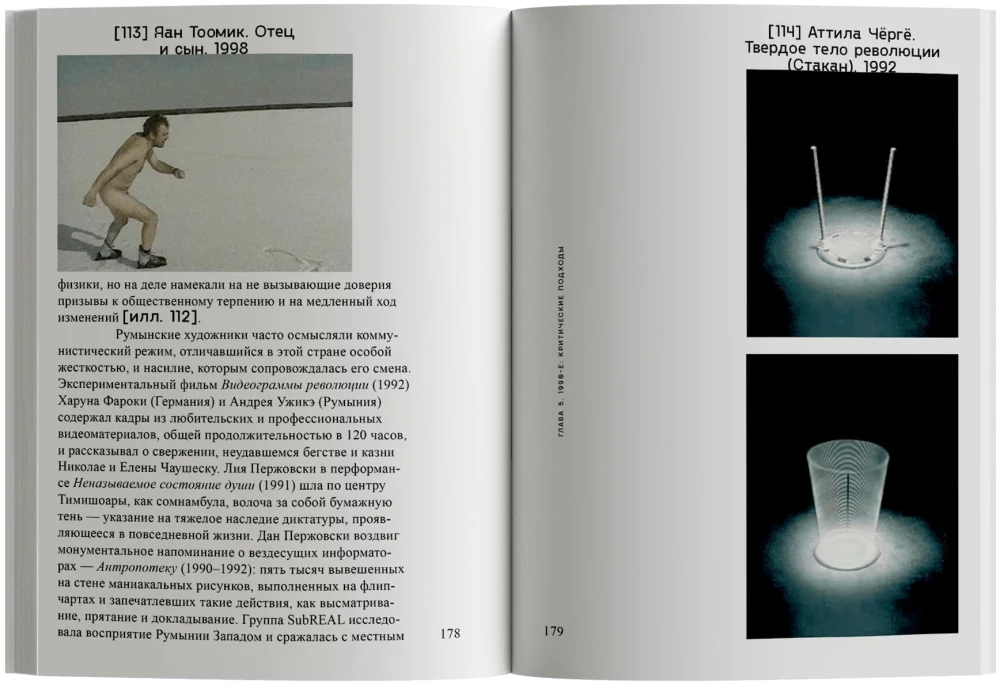
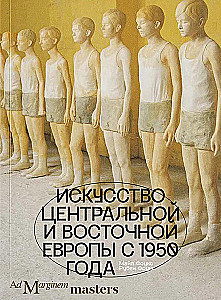
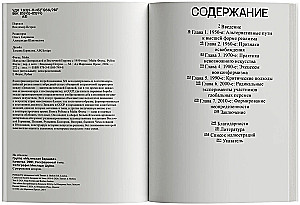
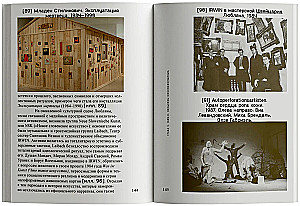
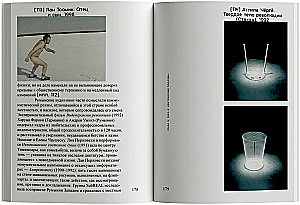
The Art of Central and Eastern Europe since 1950
In the history of art in the second half of the twentieth century, the Central and Eastern European region has a hybrid status as an extensive border territory between the ‘West’ — capitalist Europe, where at that time there was...
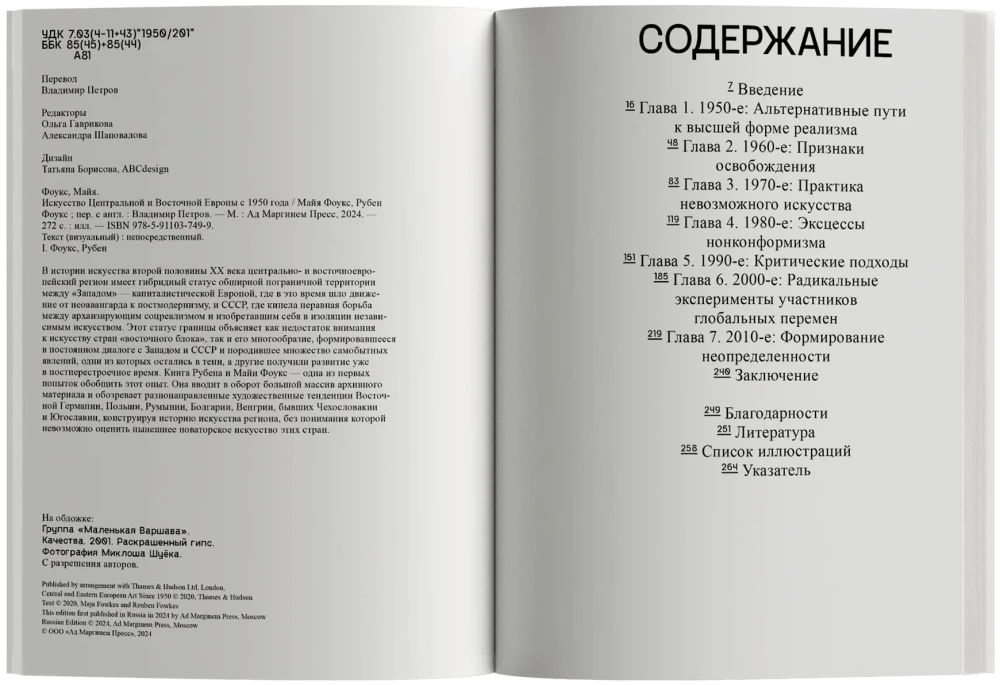
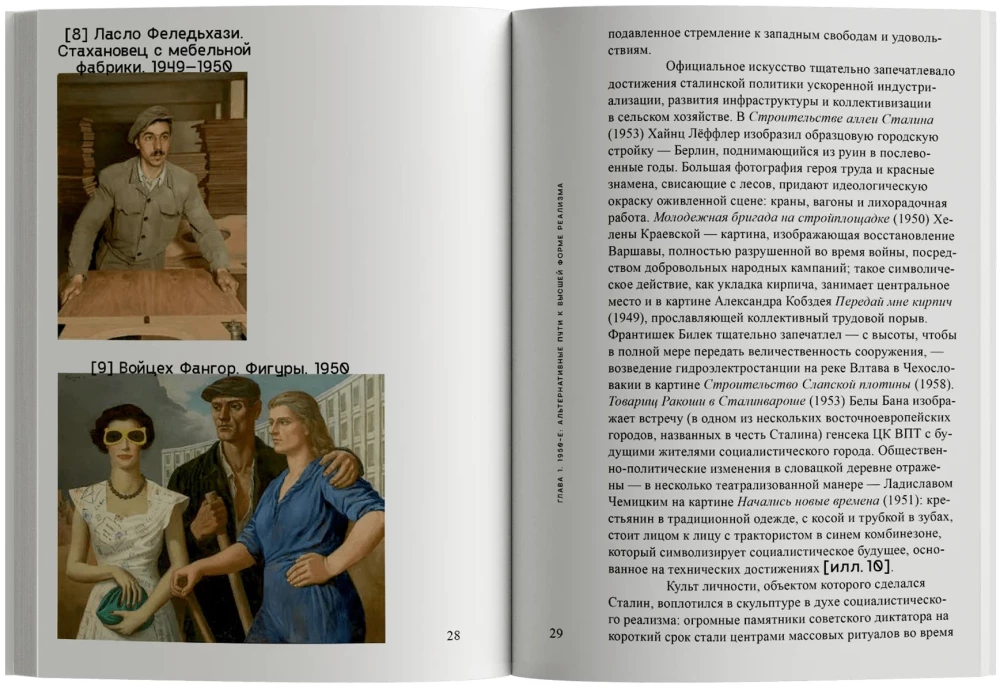
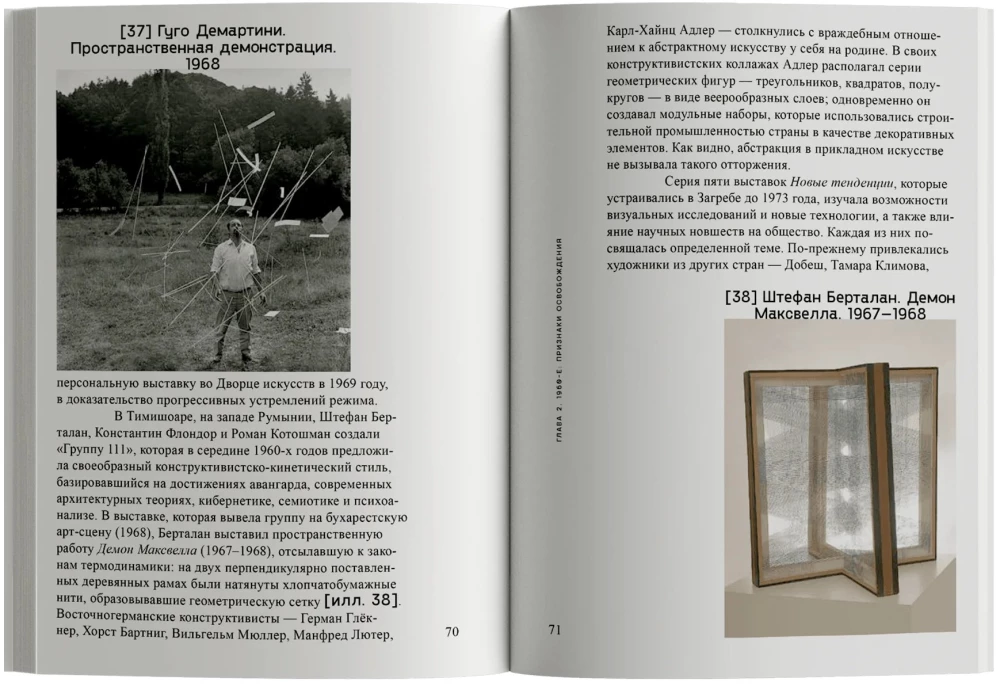
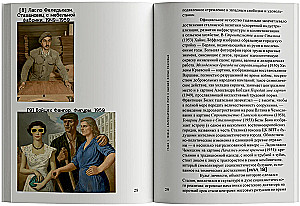
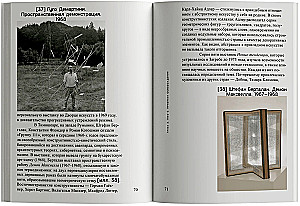
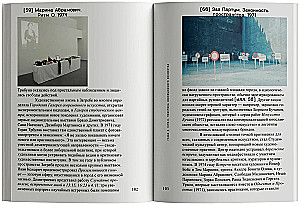
a movement from neo-avant-garde to postmodernism, and the USSR, where there was an unequal struggle between archaizing socialist realism and independent art reinventing itself in isolation. This border status explains both the lack of attention to the art of the ‘Eastern bloc’ countries and its diversity, which was formed in constant dialogue with the West and the USSR, giving rise to many unique phenomena, some of which remained in the shadows, while others developed in the post-perestroika period. The book by Ruben and Maya Fowkes is one of the first attempts to summarize this experience. It introduces a large array of archival material and reviews the diverse artistic trends of East Germany, Poland, Romania, Bulgaria, Hungary, the former Czechoslovakia, and Yugoslavia, constructing the art history of the region, without understanding which it is impossible to evaluate the current innovative art of these countries.
Author: Фоукс Майя, Фоукс Рубен
Printhouse: Ad Marginem
Year of publication: 2024
ISBN: 9785911037499
Number of pages: 272
Size: 145x200 mm
Cover type: soft
Weight: 260 g
ID: 1673784
In stock
€ 12.59
Will be delivered to United States on 7 July (Tu):
By courier
from € 38.94
Bestsellers
€ 5.19
In stock

€ 9.29
In stock
Choice. On the Freedom and Inner Strength of a Person
Эдит Ева Эгер, Эсме Швалль-Вейганд