-20%
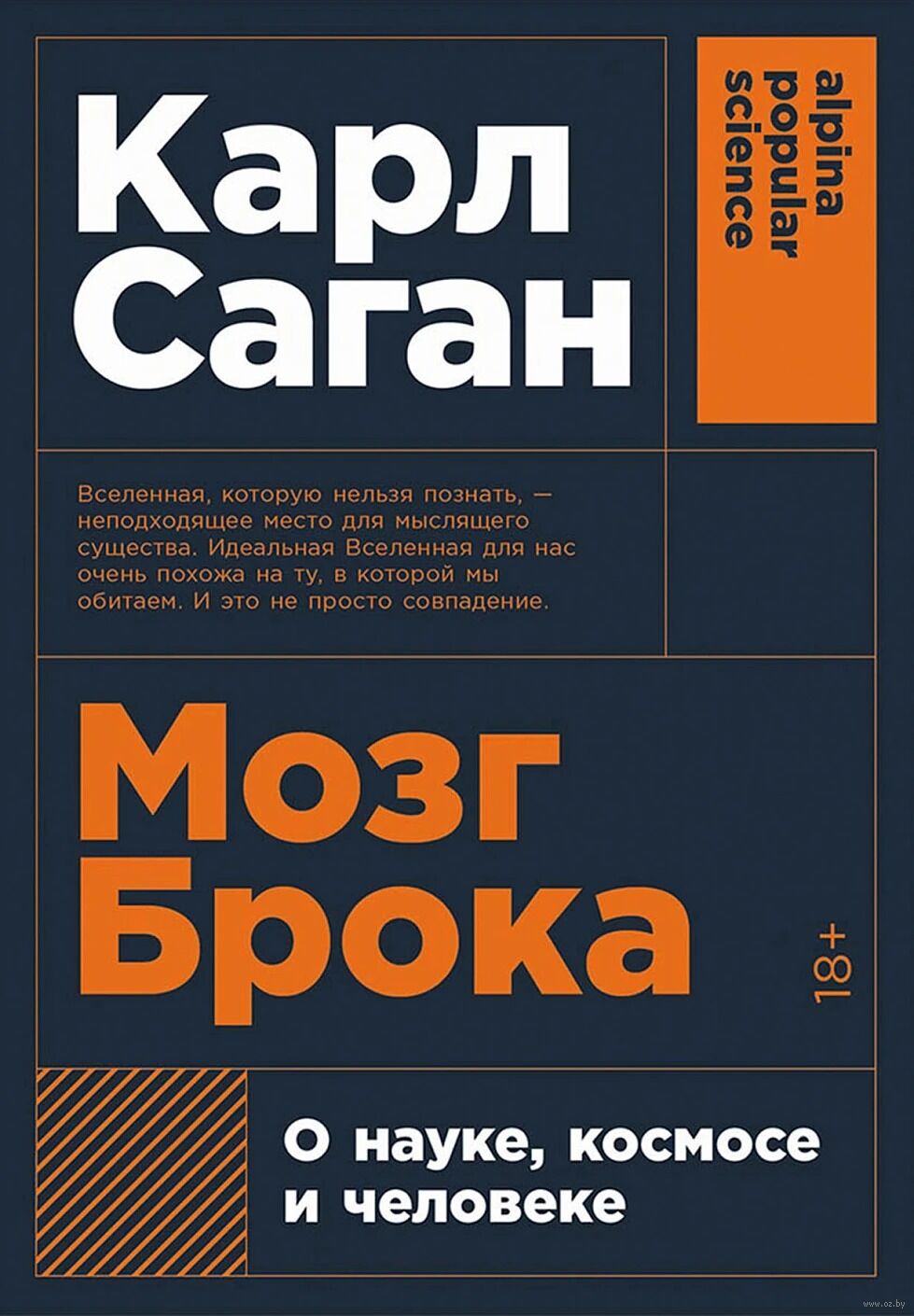

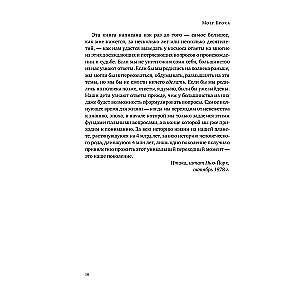
Broca's Brain. About Science, Space, and Humanity
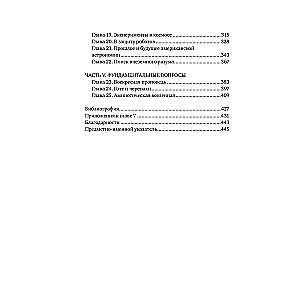
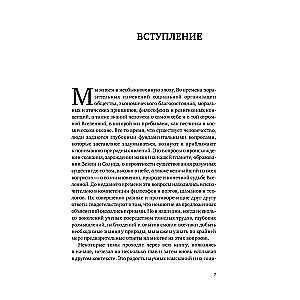
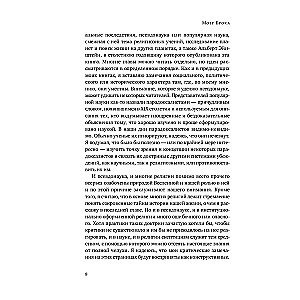
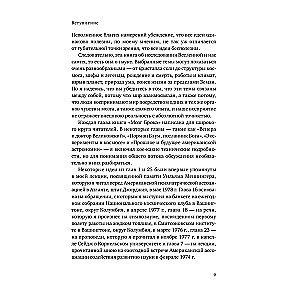
The book "Broca's Brain" – a deep and poetic narrative by an outstanding astronomer and astrophysicist about the romance and responsibility, risks and prospects of science.
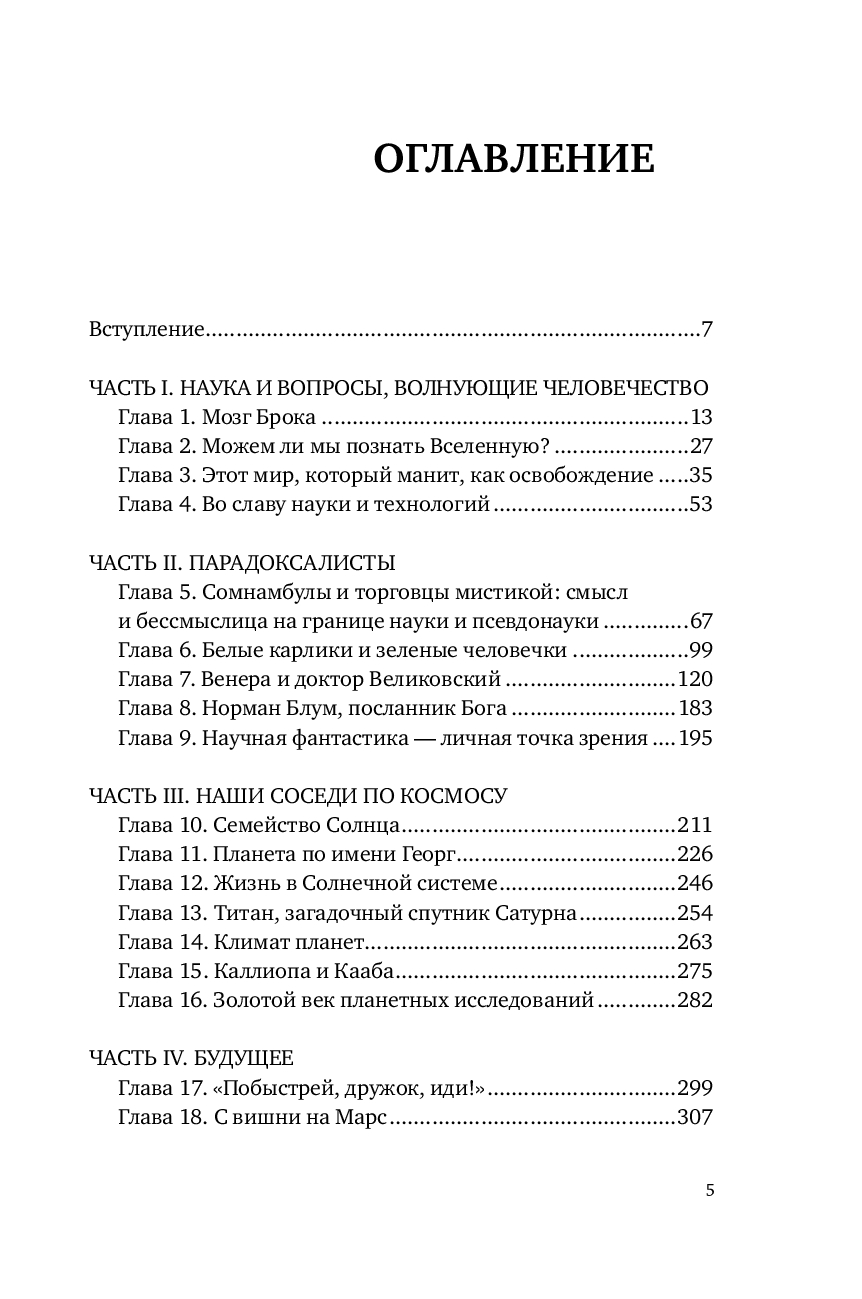
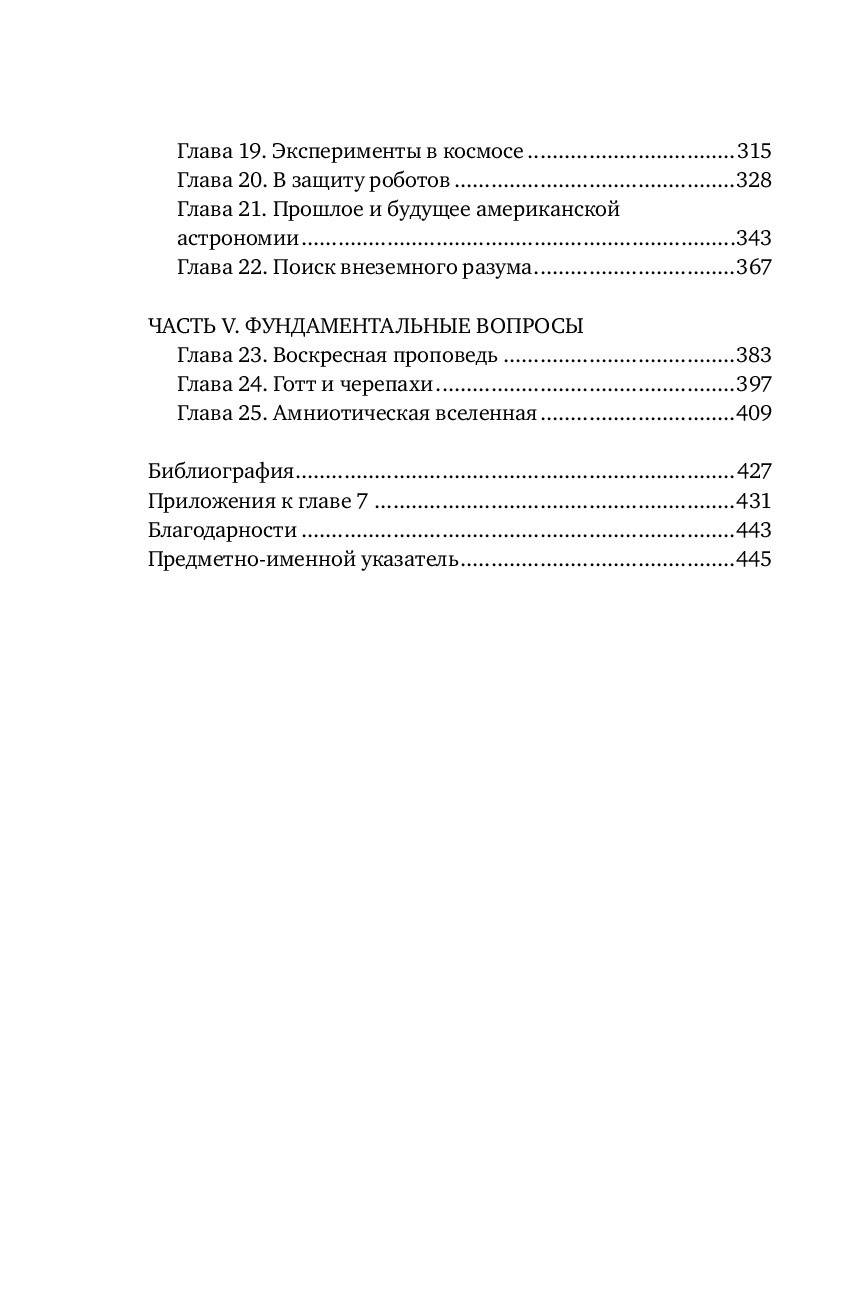
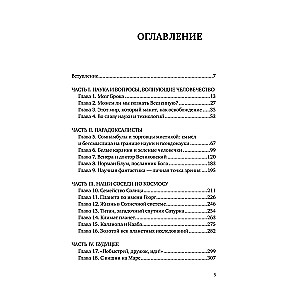
What place does it occupy in the life of humanity and how does it differ... from pseudoscience? Where do the myths about Atlantis, the Bermuda Triangle, ancient astronauts, and emotions in plants come from, and why is it important to debunk them? Which planets and moons of the solar system could be suitable for colonization, how did life originate, and where in the distant cosmos could it still be possible? How are planets and galaxies named, and what mistakes have great scientists made over the years in the pursuit of truth? How can science explain near-death experiences, and how might this be related to the experience of birth? How does religion relate to science? What is the future of artificial intelligence and space exploration?
All these reflections were prompted in Carl Sagan by a visit to the Paris Museum of Mankind. In particular, he was struck by the collection of Paul Broca, which includes the brain of Broca himself – the great anthropologist, especially famous for discovering the area in the human brain responsible for articulate speech.
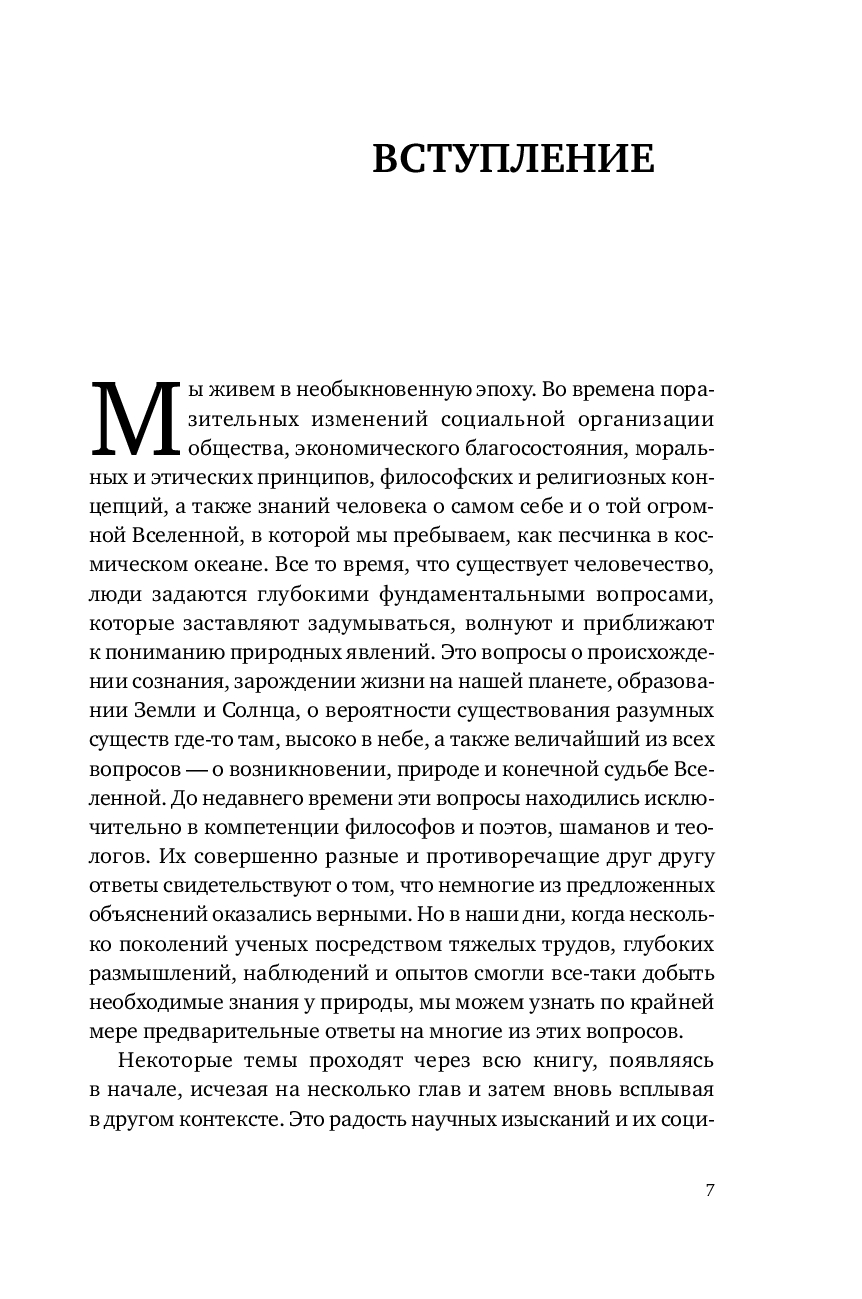
Despite the grandeur and informativeness of the book, the author's skill and the unique tone characteristic of Sagan make it accessible and enjoyable for the broadest readership.
What place does it occupy in the life of humanity and how does it differ... from pseudoscience? Where do the myths about Atlantis, the Bermuda Triangle, ancient astronauts, and emotions in plants come from, and why is it important to debunk them? Which planets and moons of the solar system could be suitable for colonization, how did life originate, and where in the distant cosmos could it still be possible? How are planets and galaxies named, and what mistakes have great scientists made over the years in the pursuit of truth? How can science explain near-death experiences, and how might this be related to the experience of birth? How does religion relate to science? What is the future of artificial intelligence and space exploration?
All these reflections were prompted in Carl Sagan by a visit to the Paris Museum of Mankind. In particular, he was struck by the collection of Paul Broca, which includes the brain of Broca himself – the great anthropologist, especially famous for discovering the area in the human brain responsible for articulate speech.
Despite the grandeur and informativeness of the book, the author's skill and the unique tone characteristic of Sagan make it accessible and enjoyable for the broadest readership.
Author: Карл Саган
Printhouse: Al'pina Pablisher
Series: Alpina Popular Science
Age restrictions: 18+
Year of publication: 2024
ISBN: 9785002230563
Number of pages: 558
Size: 166x115x24 mm
Cover type: soft
Weight: 364 g
ID: 1673687
In stock
€ 5.67
€ 7.09
Will be delivered to United States on 24 July (Fr):
By courier
from € 38.94
Bestsellers






€ 5.19
In stock


€ 7.99
In stock
Choice. On the Freedom and Inner Strength of a Person
Эдит Ева Эгер, Эсме Швалль-Вейганд

€ 15.99
In stock
12 Weeks in a Year. How to Achieve More in 12 Weeks Than Others Do in 12 Months
Майкл Леннингтон, Брайан Моран




Publishers "Al'pina Pablisher" recommends

Bestseller
€ 9.49
In stock
The Happy Union. The Seven Habits of Highly Effective Couples
КОВИ СТИВЕН Р., КОВИ ДЖОН