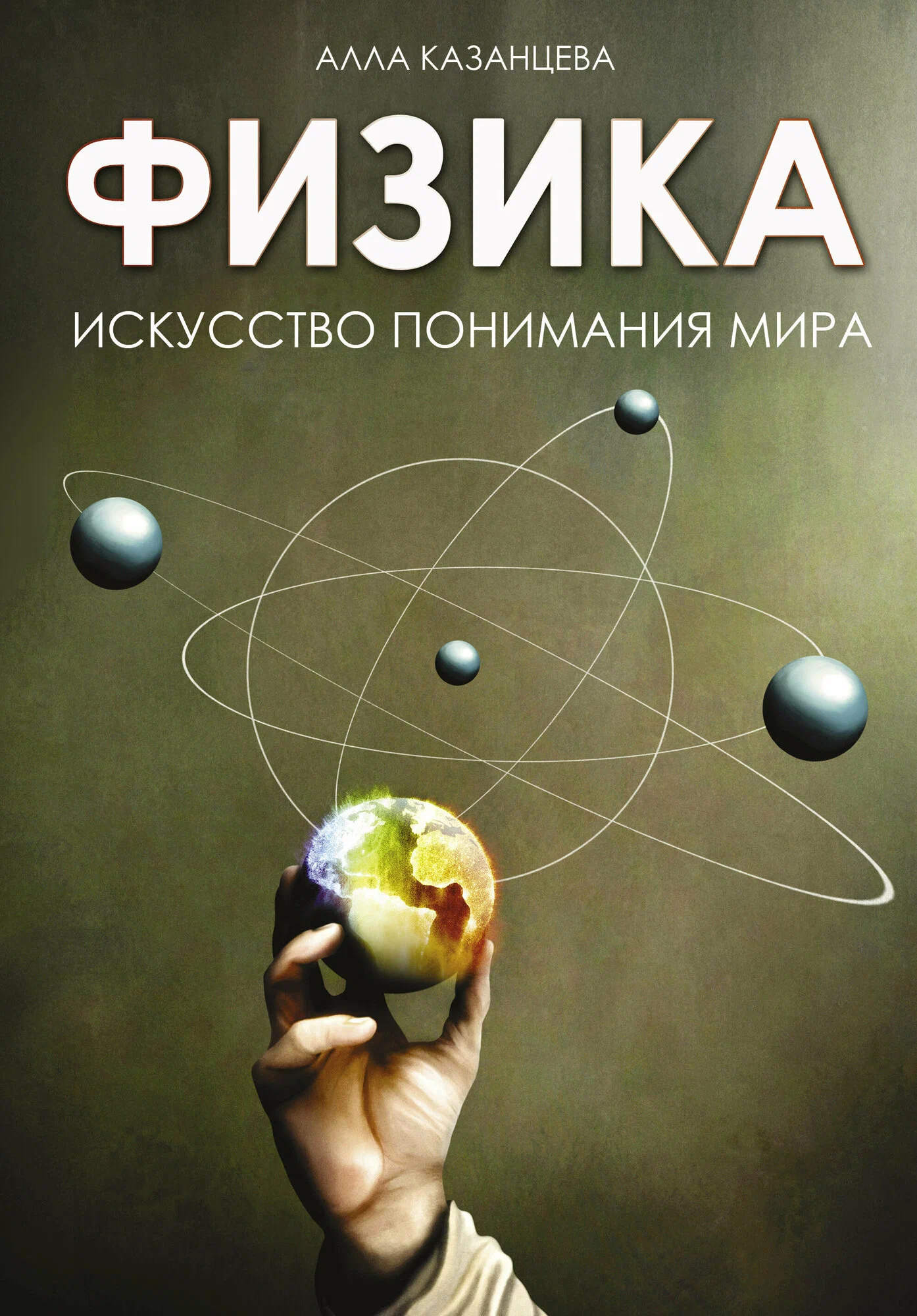
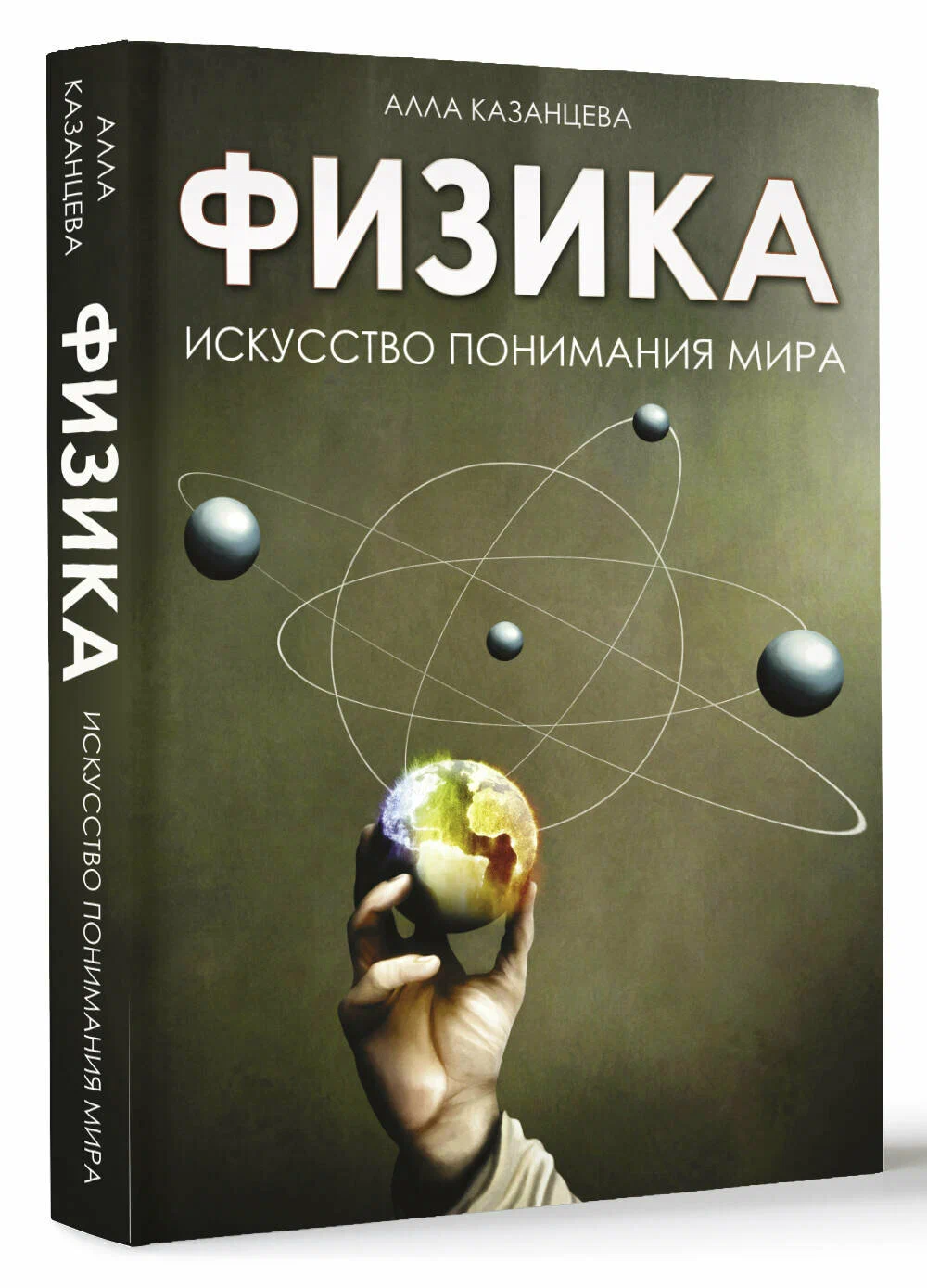
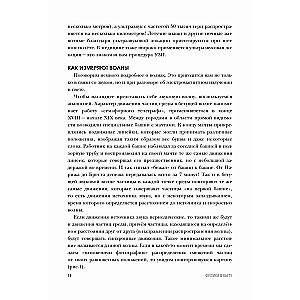
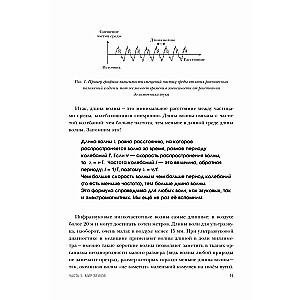
Physics. The Art of Understanding the World
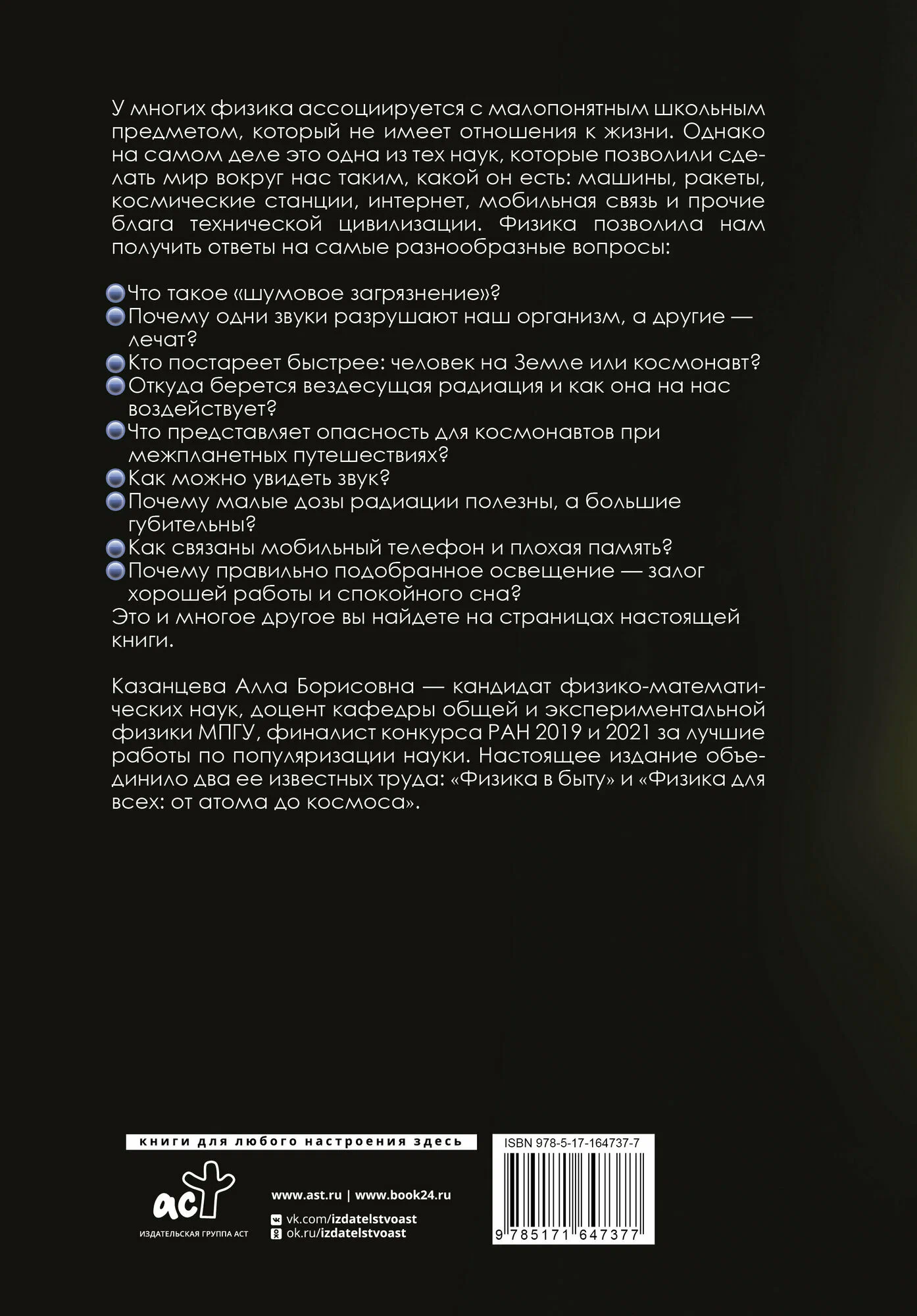
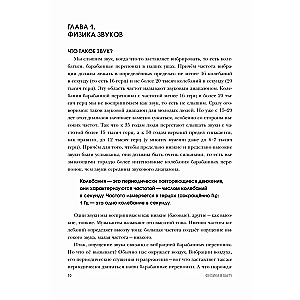
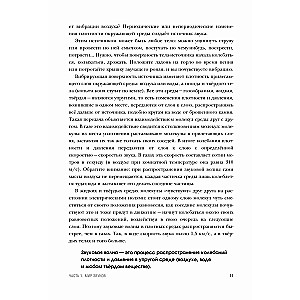
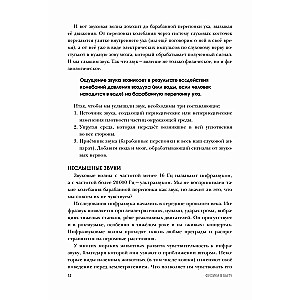
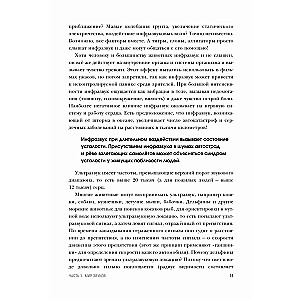
For many, physics is associated with an incomprehensible school subject that has nothing to do with life. However, in reality, it is one of those sciences that has allowed us to make the world around us what it is: cars,...
rockets, space stations, the internet, mobile communication, and other benefits of technical civilization.
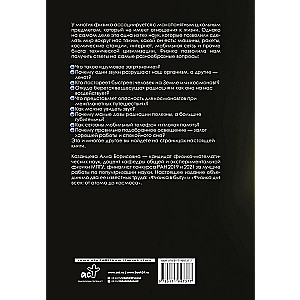
Physics has allowed us to answer a wide variety of questions:
- What is "noise pollution"?
- Why do some sounds harm our body while others heal?
- Who ages faster: a person on Earth or an astronaut traveling to another planet?
- Where does the ubiquitous radiation come from and how does it affect us?
- What dangers do astronauts face during interplanetary travels?
- How can you see sound?
- Why are small doses of radiation beneficial while large doses are deadly?
- How are mobile phones and poor memory related?
- Why is properly chosen lighting the key to good work and peaceful sleep?
This and much more can be found in the pages of this book. Alla Borisovna Kazantseva is a candidate of physical and mathematical sciences, an associate professor of the Department of General and Experimental Physics at MPGU, a finalist of the Russian Academy of Sciences competition in 2019 and 2021 for the best works in popularizing science.
This edition combines two of her well-known works: "Physics in Everyday Life" and "Physics for Everyone: From Atoms to Space"
Physics has allowed us to answer a wide variety of questions:
- What is "noise pollution"?
- Why do some sounds harm our body while others heal?
- Who ages faster: a person on Earth or an astronaut traveling to another planet?
- Where does the ubiquitous radiation come from and how does it affect us?
- What dangers do astronauts face during interplanetary travels?
- How can you see sound?
- Why are small doses of radiation beneficial while large doses are deadly?
- How are mobile phones and poor memory related?
- Why is properly chosen lighting the key to good work and peaceful sleep?
This and much more can be found in the pages of this book. Alla Borisovna Kazantseva is a candidate of physical and mathematical sciences, an associate professor of the Department of General and Experimental Physics at MPGU, a finalist of the Russian Academy of Sciences competition in 2019 and 2021 for the best works in popularizing science.
This edition combines two of her well-known works: "Physics in Everyday Life" and "Physics for Everyone: From Atoms to Space"
Author: Алла Казанцева
Printhouse: AST
Series: History and Science of Runet. Gift Edition
Age restrictions: 16+
Year of publication: 2024
ISBN: 9785171647377
Number of pages: 352
Size: 244x171x23 mm
Cover type: hard
Weight: 563 g
ID: 1672956
Available from suppliers
Expected delivery time – up to 2 weeks
€ 14.39
Available from suppliers
Expected delivery time – up to 2 weeks
€ 14.39
Bestsellers



€ 5.19
In stock




€ 14.99
In stock



![[НЕ]ВЕРНОСТЬ. Что делать, когда не знаешь, что делать](https://mnogoknig.com/storage/media/372416/a9a59434-4a89-40ec-835d-0286347946cb.gif)