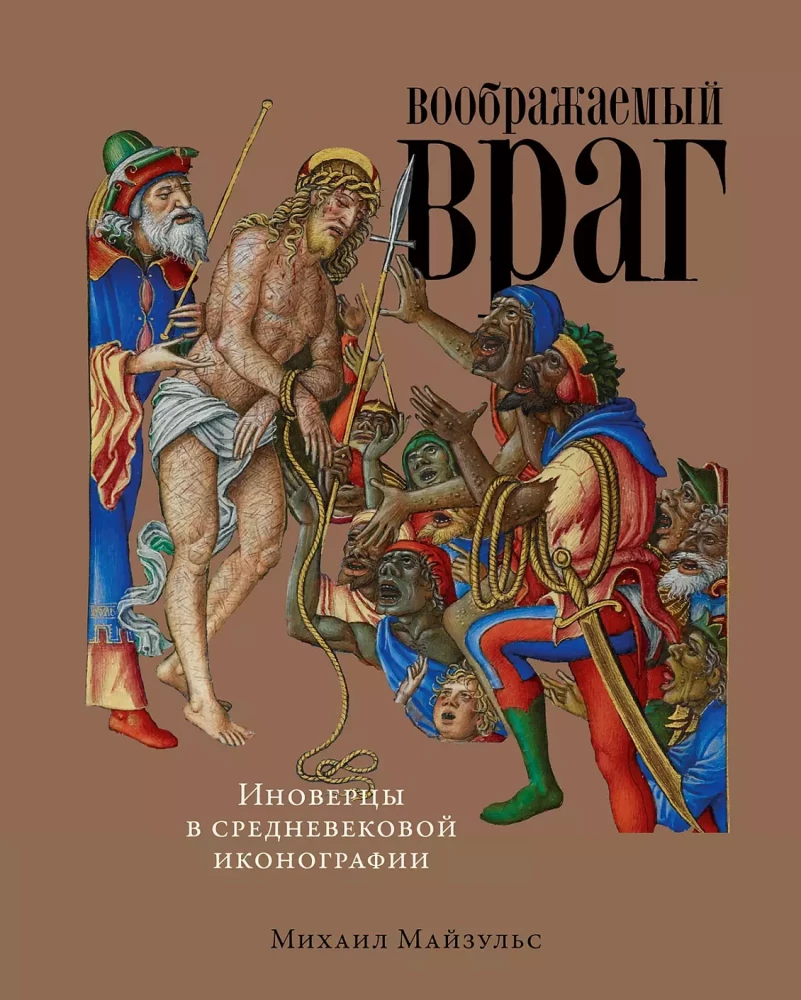
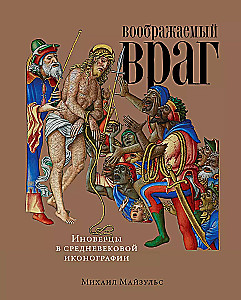
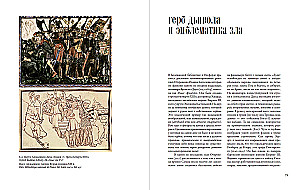
Imaginary Enemy: Non-Believers in Medieval Iconography
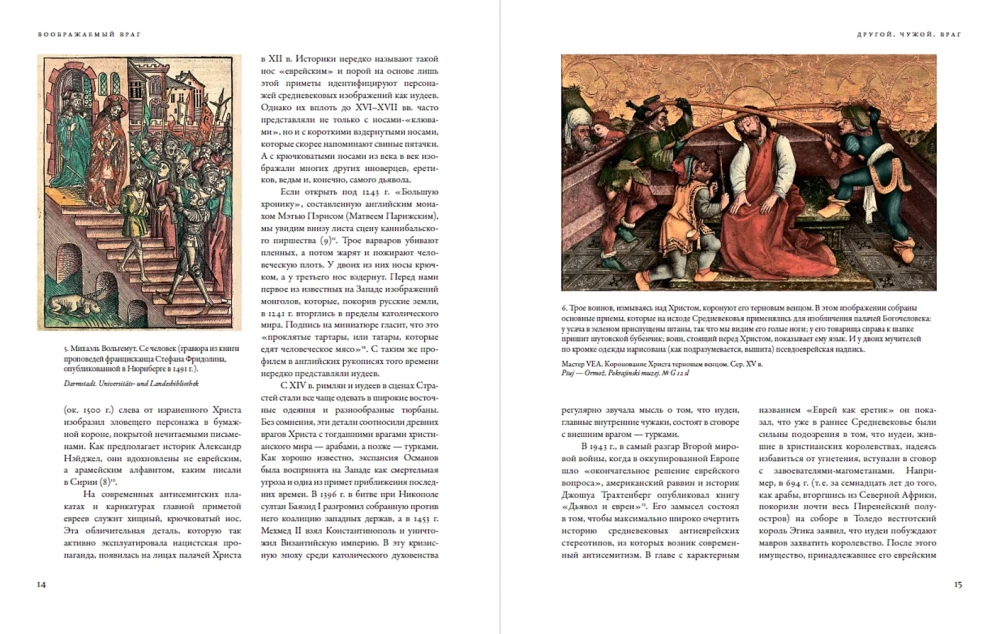
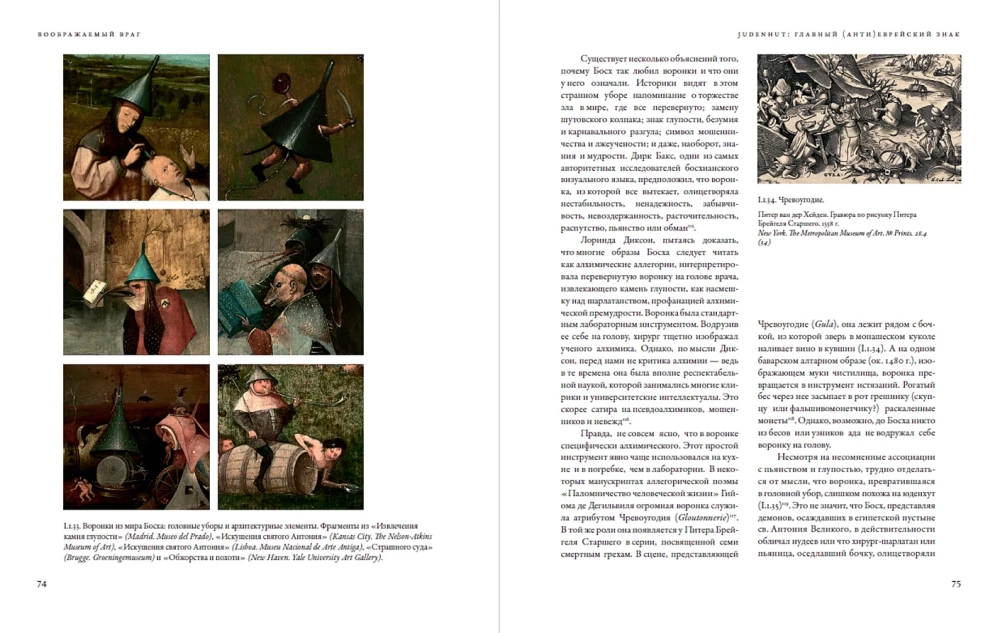
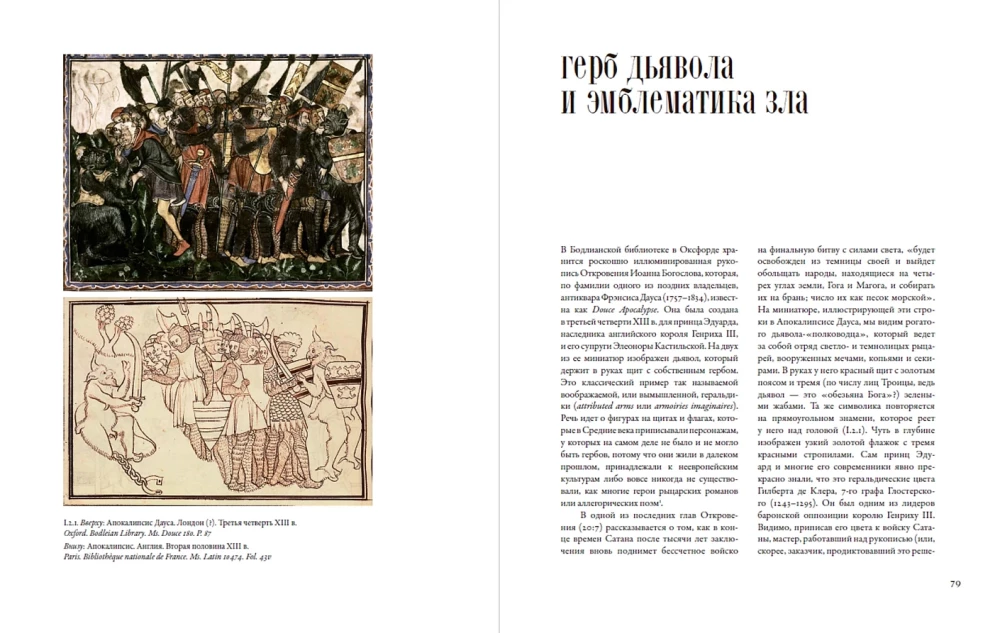
Coats of arms and flags featuring scorpions, exotic turbans and caps, hooked noses, red hair, crimson, black or even blue faces, unnaturally twisted poses, indecent gestures, and maliciously aggressive grimaces. The art of medieval Western Europe employed a multitude of...
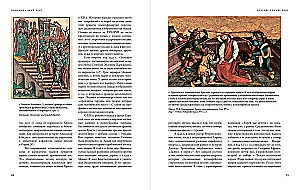
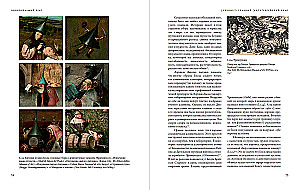
signs that marked and denounced non-believers (Jews, Muslims, and pagans), heretics, other sinners, and the outcasts. All of them were associated with the „father of lies“ — the devil, as well as with each other, as if they were part of a global conspiracy against the Christian society. Roman pagans were sometimes depicted in Jewish caps and with pseudo-Jewish inscriptions on their clothing, Jews — in Muslim turbans, while Muslims were accused of idol worship and invoking ancient Roman gods. In his new book, medievalist Mikhail Maizuls shows how from the 12th to the 16th century the image of the enemy was constructed, how the mechanisms of stigmatization worked in the sphere of images and on the streets of cities, and how techniques that emerged in the Middle Ages transitioned into pamphlets, posters, and caricatures of the Modern Age.
Author: Михаил Майзульс
Printhouse: Al'pina Pablisher
Age restrictions: 12+
Year of publication: 2023
ISBN: 9785001394334
Number of pages: 368
Size: 258х205х35 mm
Cover type: hard
Weight: 1700 g
ID: 1473065
In stock
€ 28.99
Will be delivered to United States on 29 September (Tu):
By courier
from € 38.94
Bestsellers





€ 13.29
In stock
12 Weeks in a Year. How to Achieve More in 12 Weeks Than Others Do in 12 Months
Майкл Леннингтон, Брайан Моран

€ 7.89
In stock
Choice. On the Freedom and Inner Strength of a Person
Эдит Ева Эгер, Эсме Швалль-Вейганд


€ 14.99
In stock
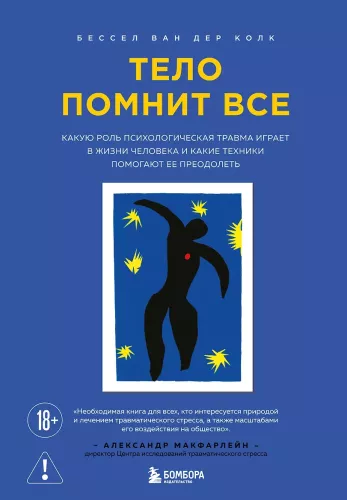
The Body Remembers Everything: The Role of Psychological Trauma in a Person's Life and Techniques to Overcome It
Бессел ван дер Колк

€ 6.99
In stock
Publishers "Al'pina Pablisher" recommends

Bestseller
€ 9.49
In stock
The Happy Union. The Seven Habits of Highly Effective Couples
КОВИ СТИВЕН Р., КОВИ ДЖОН