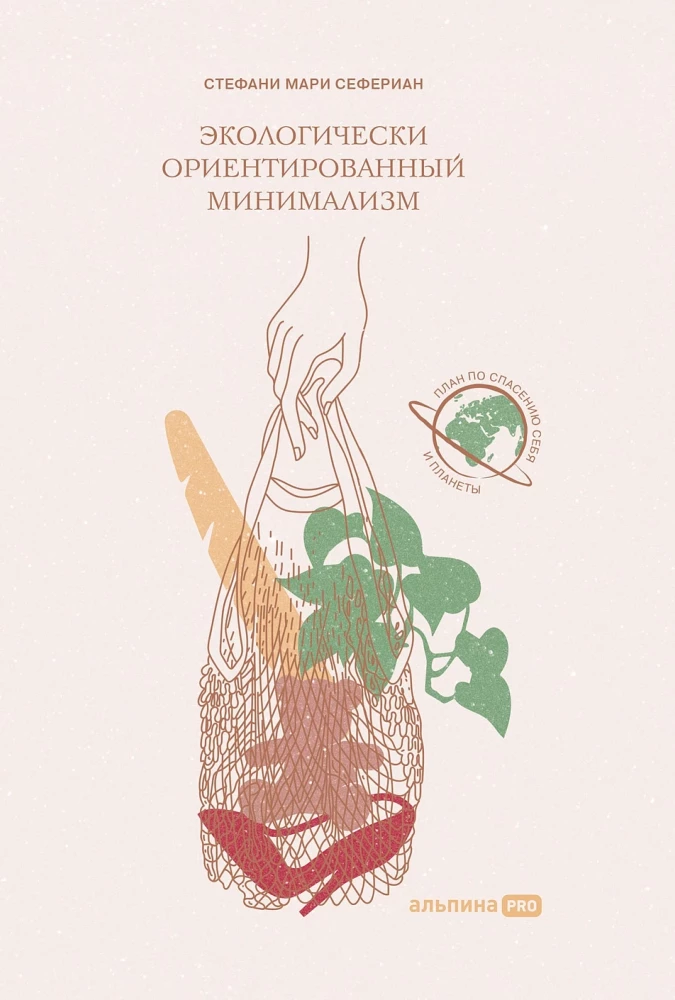
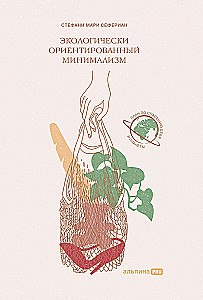
Eco-oriented Minimalism. A Plan to Save Yourself and the Planet
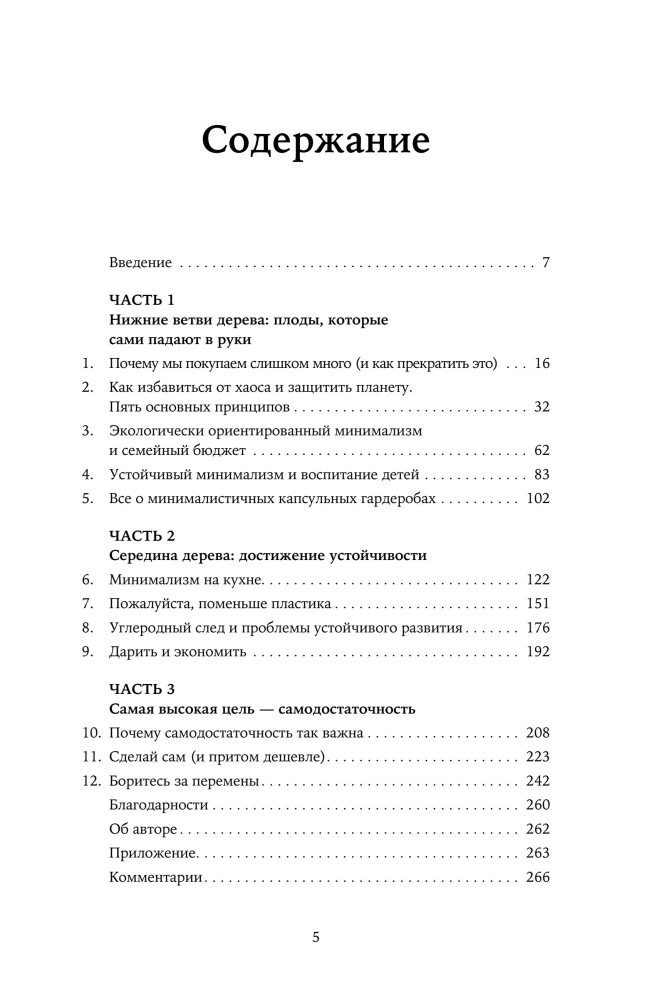
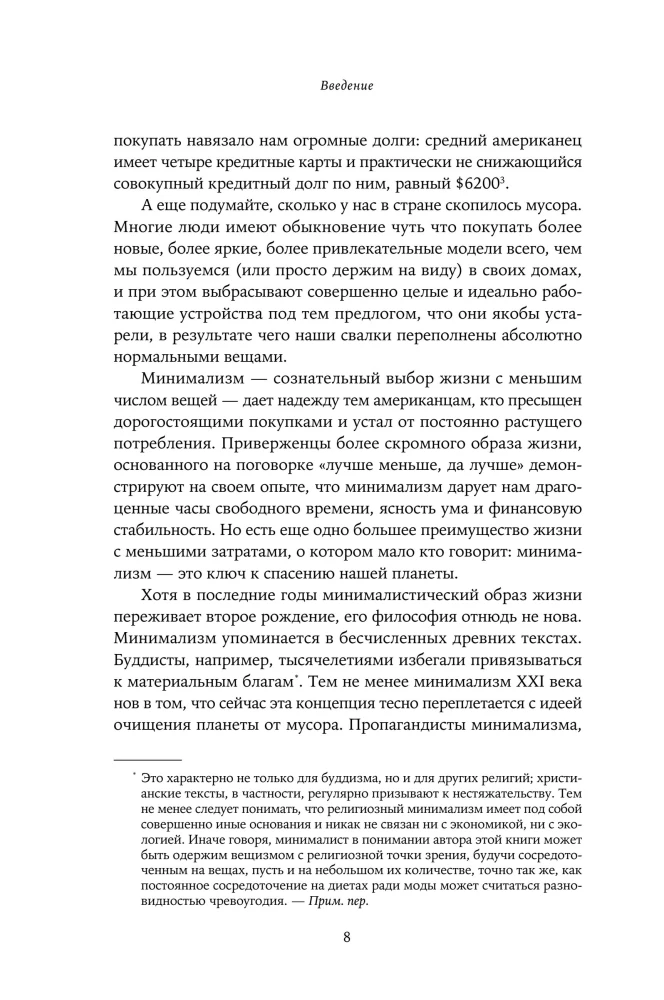
Minimalism is not synonymous with frugality, not a fashion fad, and not a whim of wealthy people. It is a conscious choice and an effective approach to forming an eco-friendly lifestyle with fewer belongings. The fewer things around, the more...
free space and time, the faster the decision-making process, and the more productive our day passes.
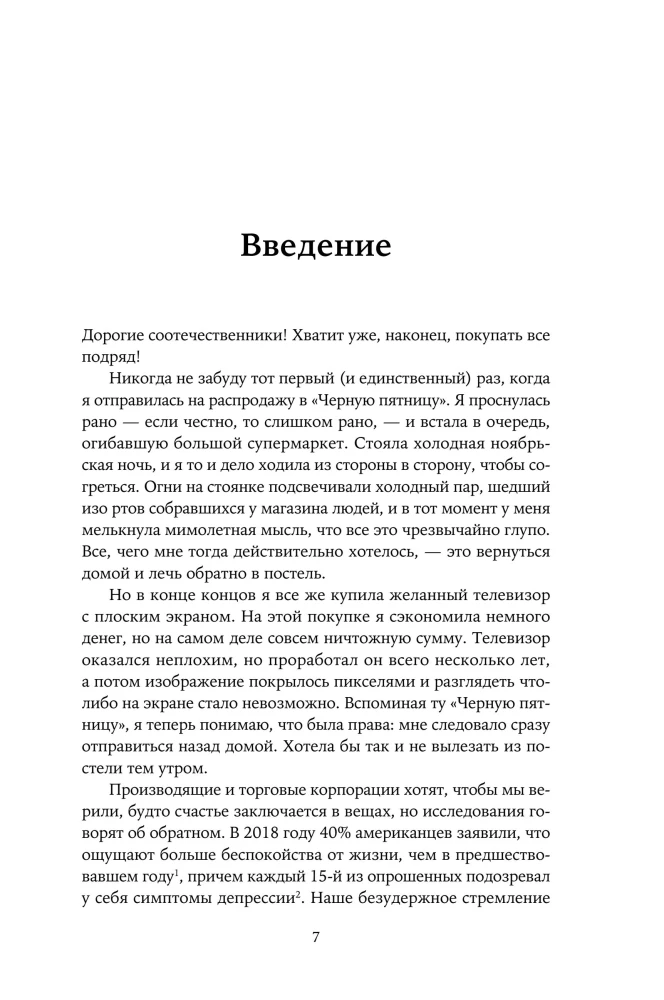
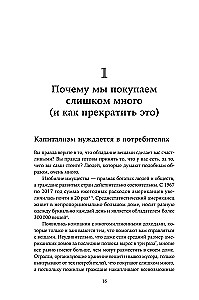
The consumer society creates a dependency on purchasing first, and then on storing items. But how often does what we spend our hard-earned money on soon end up in a landfill? By avoiding unnecessary expenses, we not only save money and time but also gain mental clarity and financial stability to focus more on our health, education, and improving our quality of life.
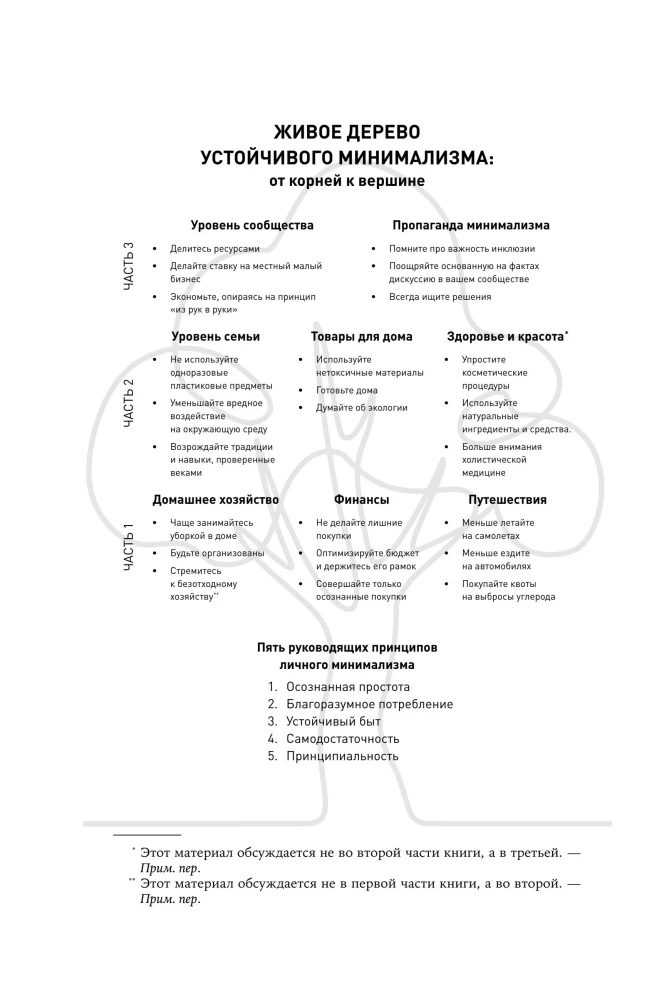
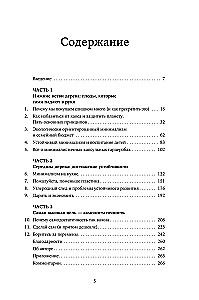
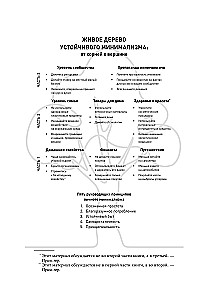
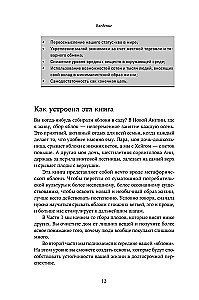
If you are just considering transitioning to a minimalist lifestyle and don’t know where to start, Stephanie Sefarian's book will introduce you to the basic principles of eco-oriented minimalism and help you take the first steps in this direction. The author offers a step-by-step plan based on methods and practices, most of which she successfully applies herself. It includes all aspects of organizing the household and lifestyle of the modern person: from wardrobe, children’s toys, and nutrition to plastic use, energy consumption, and a new, more eco-friendly way of thinking.
And remember, there is another huge advantage of living with fewer expenses, which is often overlooked (but not by the author of this book): minimalism is the key to preserving the Earth's precious resources and ultimately—saving our planet.
The consumer society creates a dependency on purchasing first, and then on storing items. But how often does what we spend our hard-earned money on soon end up in a landfill? By avoiding unnecessary expenses, we not only save money and time but also gain mental clarity and financial stability to focus more on our health, education, and improving our quality of life.
If you are just considering transitioning to a minimalist lifestyle and don’t know where to start, Stephanie Sefarian's book will introduce you to the basic principles of eco-oriented minimalism and help you take the first steps in this direction. The author offers a step-by-step plan based on methods and practices, most of which she successfully applies herself. It includes all aspects of organizing the household and lifestyle of the modern person: from wardrobe, children’s toys, and nutrition to plastic use, energy consumption, and a new, more eco-friendly way of thinking.
And remember, there is another huge advantage of living with fewer expenses, which is often overlooked (but not by the author of this book): minimalism is the key to preserving the Earth's precious resources and ultimately—saving our planet.
Author: Стефани Мари Сефериан
Printhouse: Al'pina Pablisher
Age restrictions: 16+
Year of publication: 2022
ISBN: 9785907534643
Number of pages: 280
Size: 216х146х17 mm
Cover type: hard
Weight: 450 g
ID: 1472797
In stock
€ 10.89
Will be delivered to United States on 30 June (Tu):
By courier
from € 38.94
Bestsellers



€ 5.19
In stock


€ 9.29
In stock
Choice. On the Freedom and Inner Strength of a Person
Эдит Ева Эгер, Эсме Швалль-Вейганд