



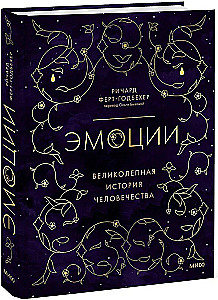

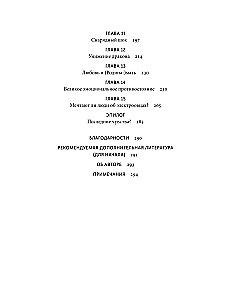
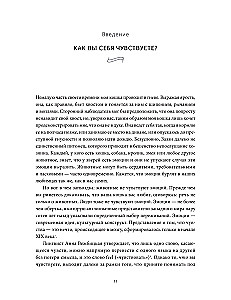
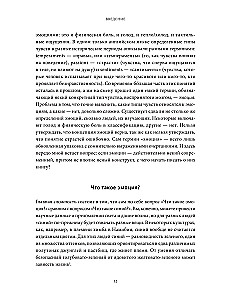
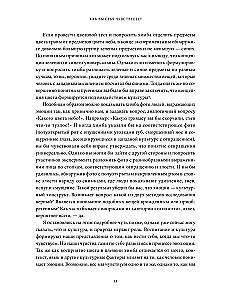
Emotions: A Magnificent History of Humanity
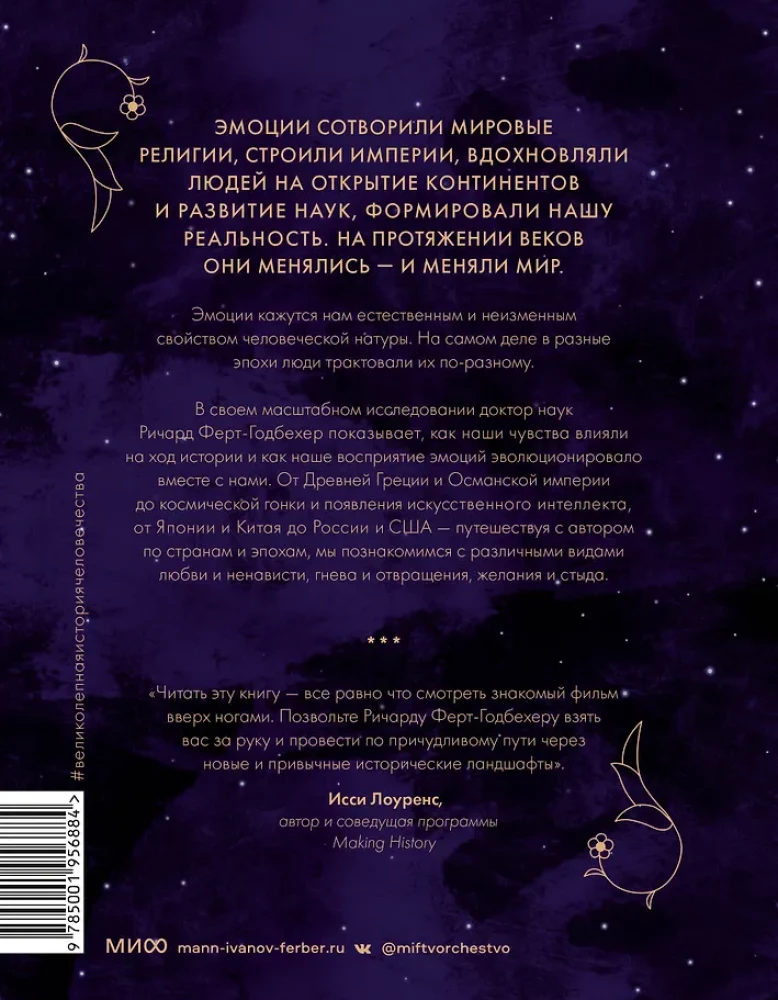
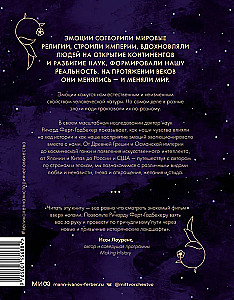
A large-scale and engagingly written study of how emotions have influenced the course of human history and how our perception of emotions has evolved with us. We humans like to think of ourselves as rational beings who, as a species,...
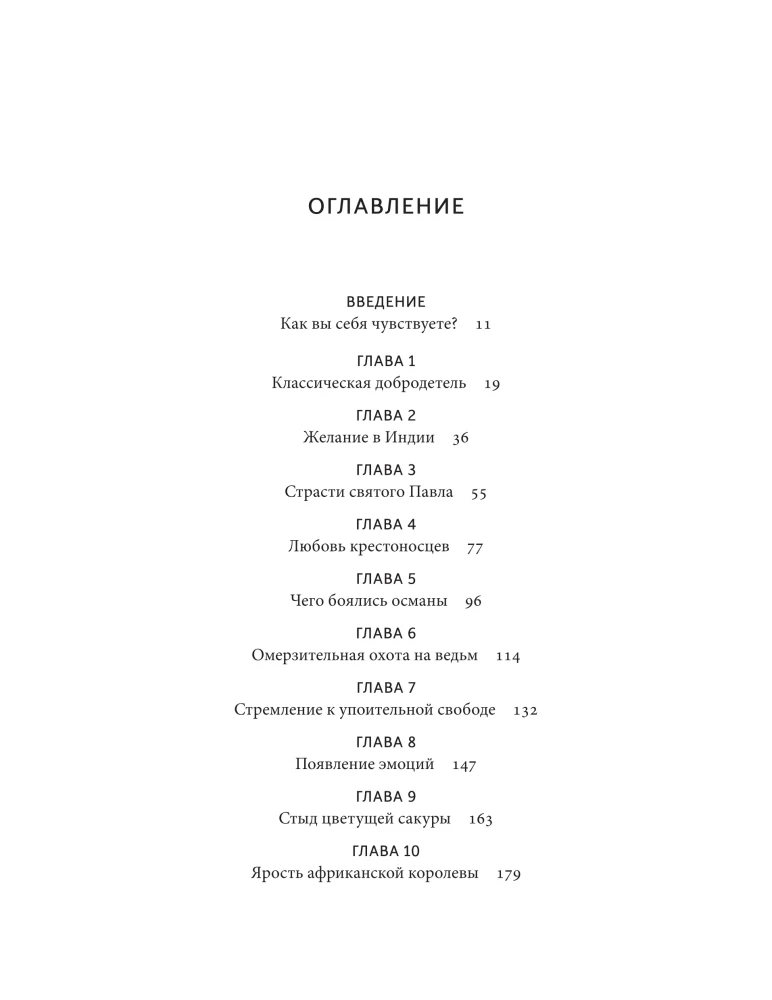
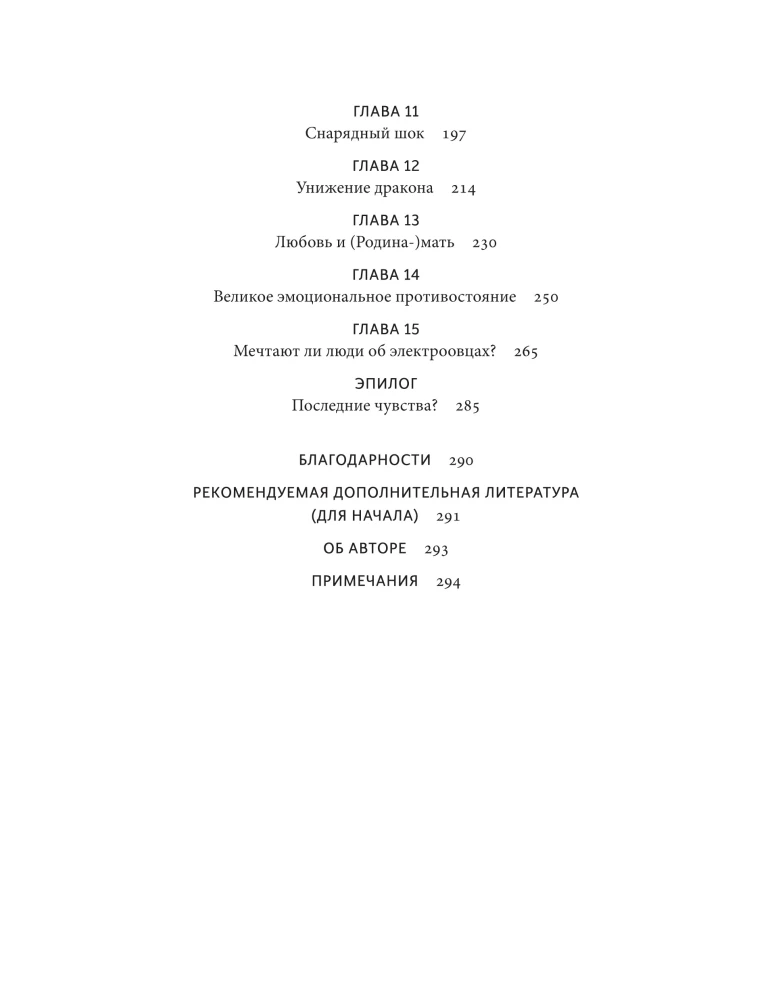
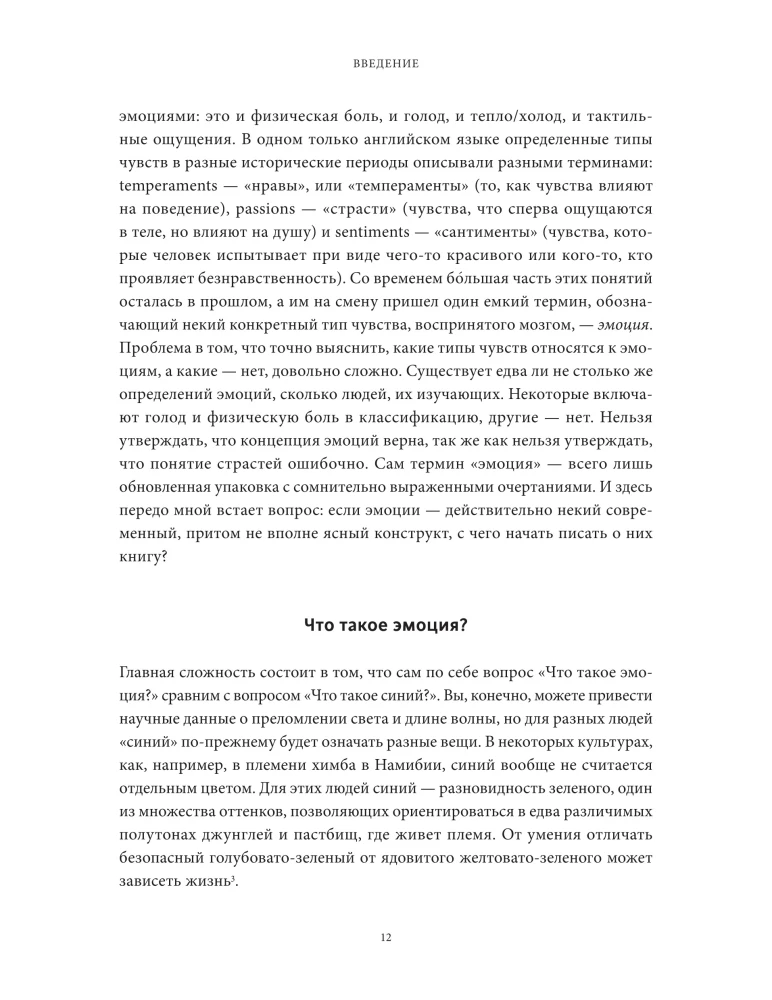
relied on intellect to survive. But many of the most important moments in our history had nothing to do with cold facts and were related to feelings. In this book, Dr. Richard Furt-Godbacher discusses emotions in the context of different eras and cultures – Ancient Greece, Ghana, Japan, the Ottoman Empire, the USA, China, and Russia. Drawing on psychology, neurobiology, philosophy, art, and the history of religion, he provides a comprehensive understanding of this aspect of existence that is rarely taken into account in the humanities. In each chapter, the author examines specific historical periods and regions, thus creating a complete picture of how emotions have shaped the modern world in all its diversity. He demonstrates with examples how our understanding and experience of emotions have changed over time and how our ideas about feelings – alongside the feelings themselves – have largely shaped us and the world we live in. The book has been translated into 20 languages. From the author: History demonstrates the power of emotions – alongside technologies, political currents, and great thinkers, they create the world we live in. Emotions underlie world religions, philosophical works, and the pursuit of knowledge and wealth. But they can also be a dark, destructive force that sows discord, greed, and distrust. Each chapter is dedicated to a specific historical period and region, yet together they present a fairly complete picture of how emotions have shaped the modern world in all its diversity, with all its complexities and wonders. I hope that after reading this book, your perception of emotions will never be the same again. Who this book is for: For those interested in emotional intelligence and its
Author: Ричард Ферт-Годбехер
Printhouse: Mann, Ivanov i Ferber
Series: A Magnificent History of Humanity
Age restrictions: 16+
Year of publication: 2022
ISBN: 9785001956884
Number of pages: 320
Size: 217х170х21 mm
Cover type: hard
Weight: 500 g
ID: 1233841
Sold out
€ 15.49
Sold out
€ 15.49
Bestsellers







€ 5.19
In stock



€ 11.49
In stock
12 Weeks in a Year. How to Achieve More in 12 Weeks Than Others Do in 12 Months
Майкл Леннингтон, Брайан Моран

€ 6.79
In stock
Choice. On the Freedom and Inner Strength of a Person
Эдит Ева Эгер, Эсме Швалль-Вейганд