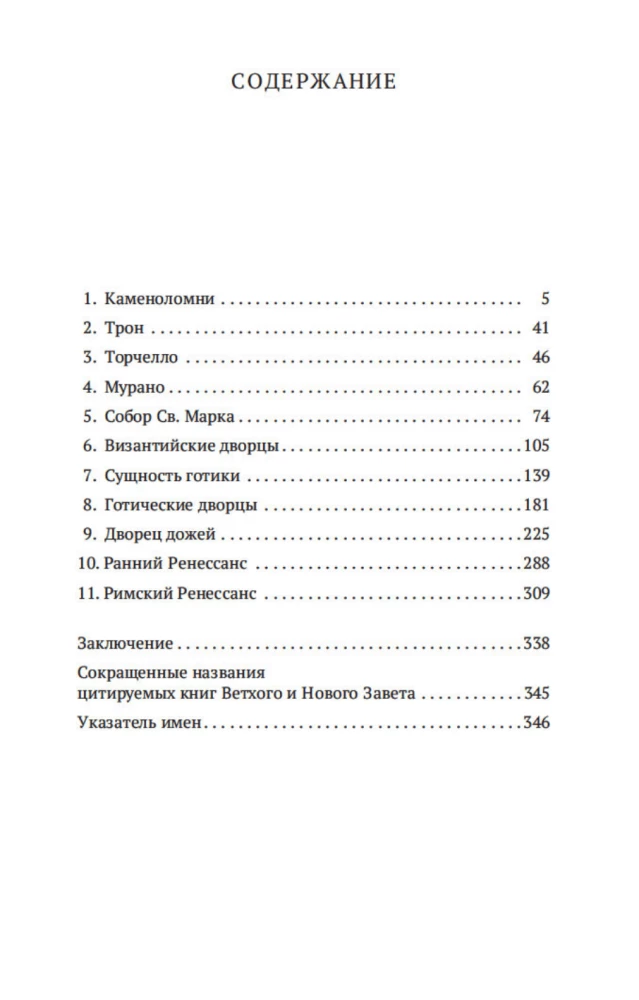
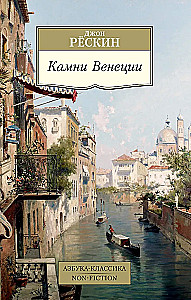
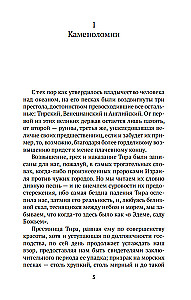
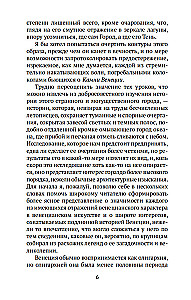
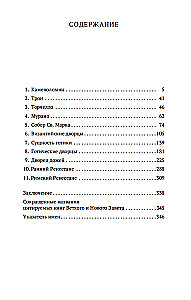
Stones of Venice
John Ruskin (1819–1900) was a famous English historian and theorist of art, poet, publicist, author of works on ethics, aesthetics, and natural science, and a social reformer. In his universal system, art and architecture exist in close connection with morality,...
religion, human life, and, ultimately, nature; the industrial revolution and the capitalization of society prove equally destructive for the environment, human souls, and the creative process.
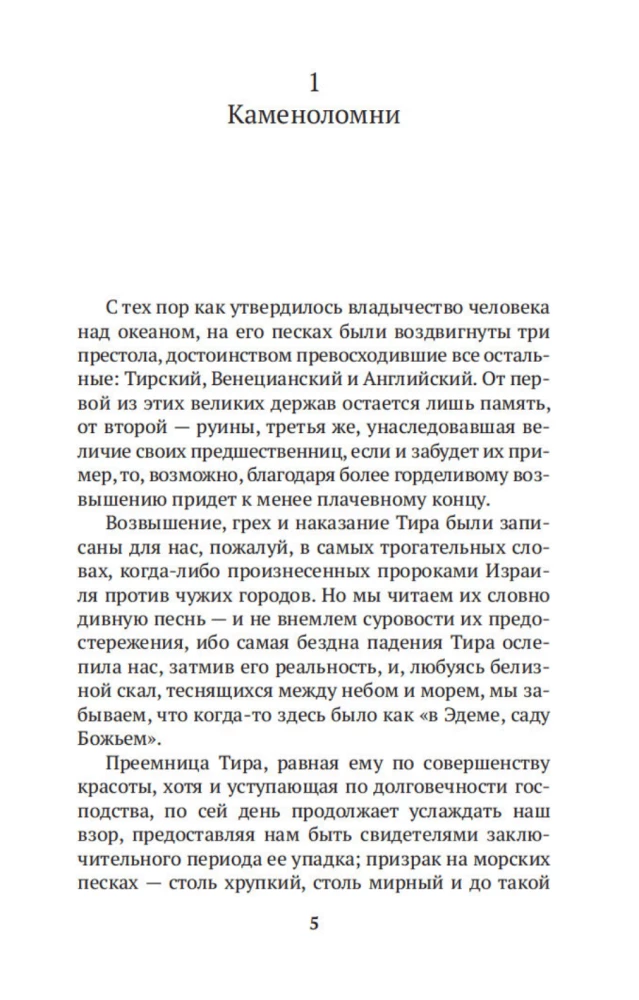
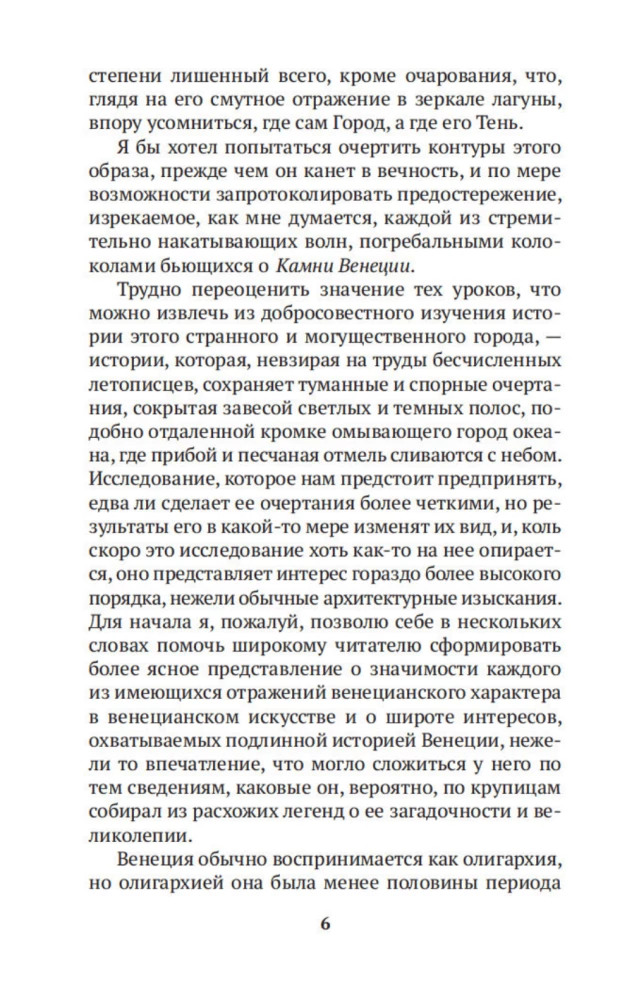
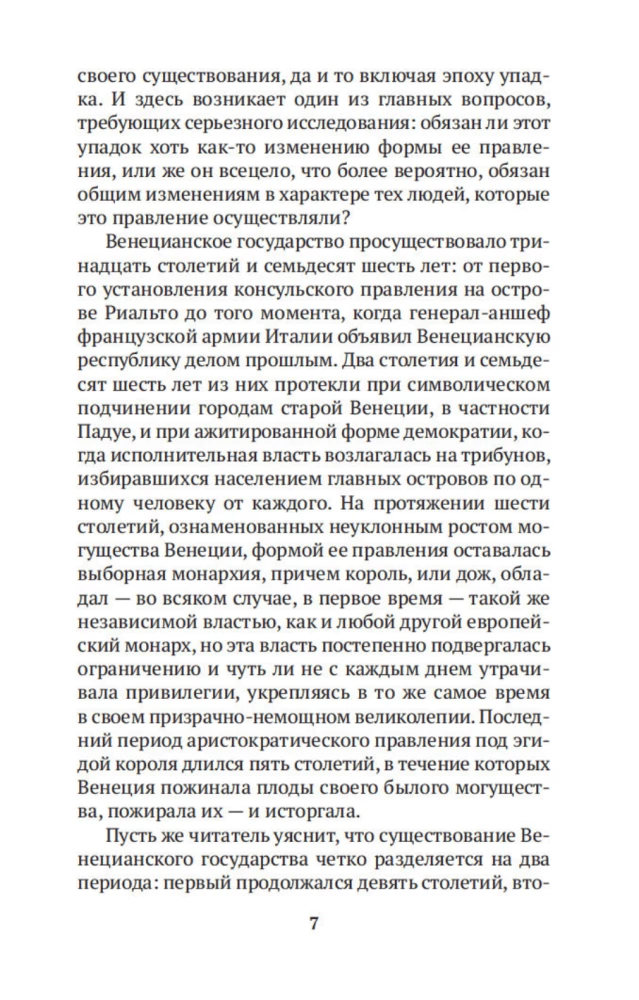
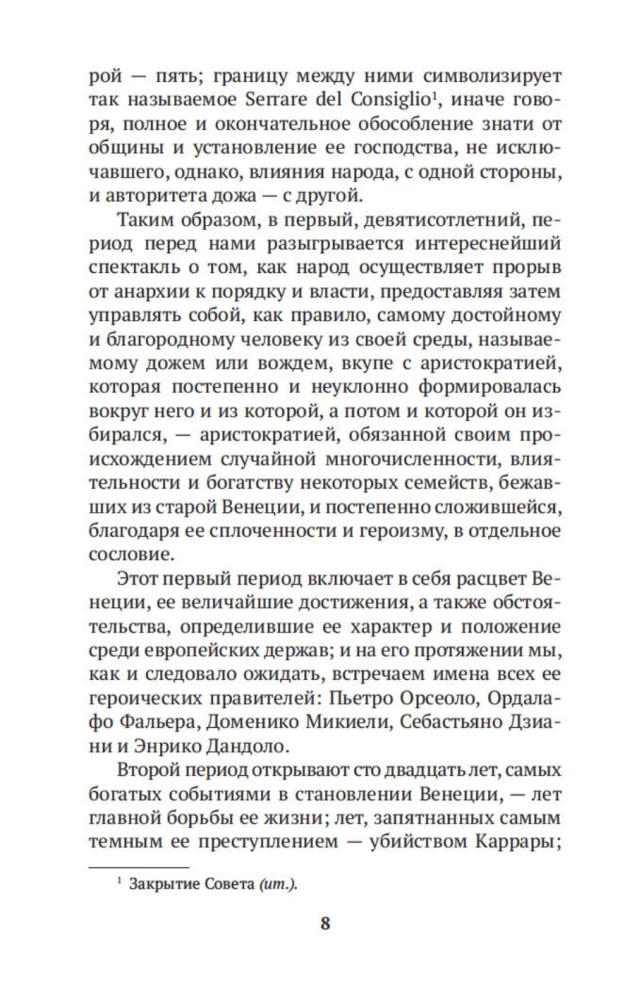
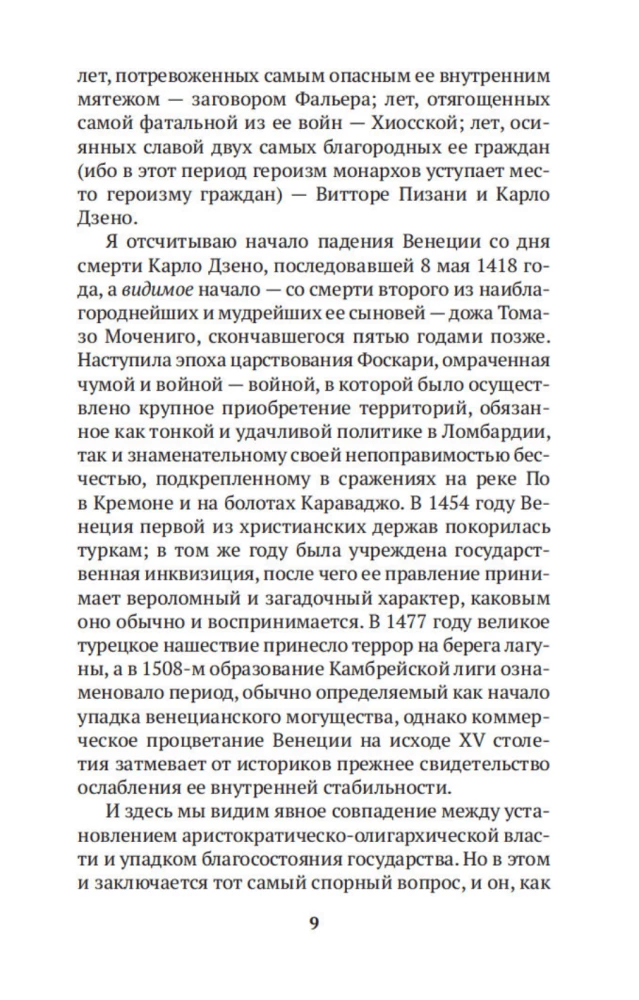
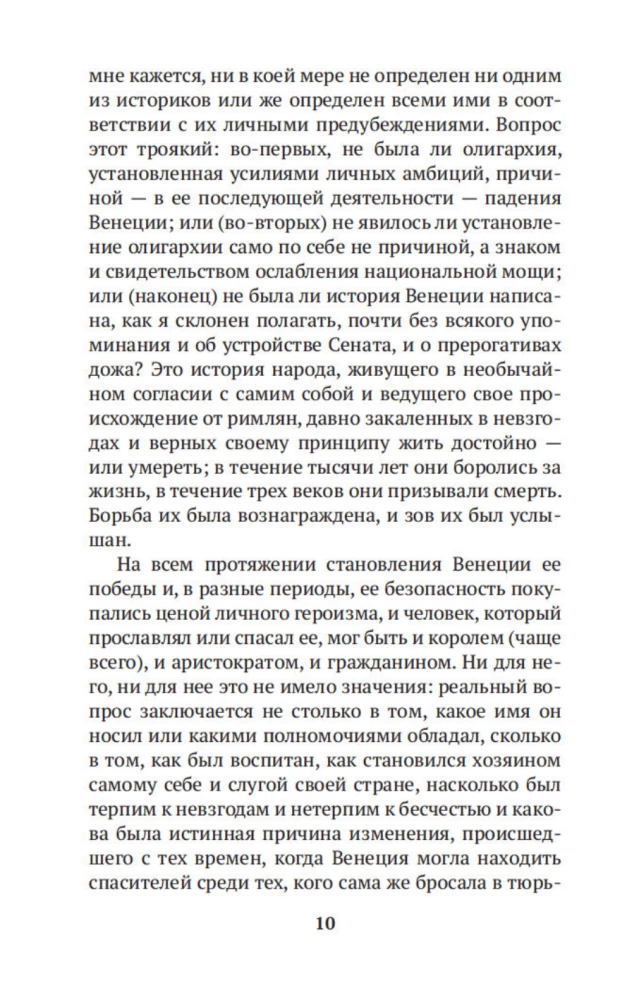
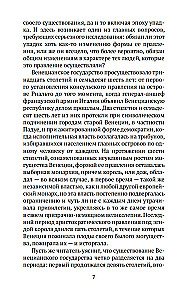
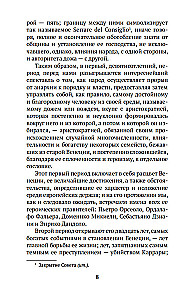
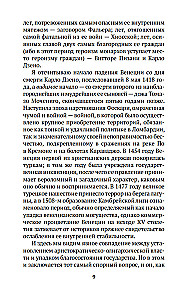
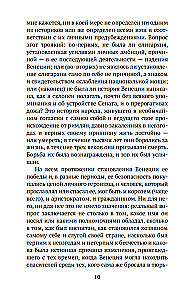
The monumental treatise "The Stones of Venice" was published by John Ruskin in 1851–1853, serving as a logical continuation of his famous essay "The Seven Lamps of Architecture." On the rich material of the monuments of Venice, the author enthusiastically explores and analyzes the architectural heritage of different eras—from the treasures of Byzantine heritage to the creations of Renaissance architects—equally engrossed in the details of facades and reflecting on large-scale historical processes.
The grand scope of the treatise was the reason that after the release of the first three-volume edition, it was repeatedly published in various abridged versions. In Russian, the treatise "The Stones of Venice" is also published in an abridged translation.
The monumental treatise "The Stones of Venice" was published by John Ruskin in 1851–1853, serving as a logical continuation of his famous essay "The Seven Lamps of Architecture." On the rich material of the monuments of Venice, the author enthusiastically explores and analyzes the architectural heritage of different eras—from the treasures of Byzantine heritage to the creations of Renaissance architects—equally engrossed in the details of facades and reflecting on large-scale historical processes.
The grand scope of the treatise was the reason that after the release of the first three-volume edition, it was repeatedly published in various abridged versions. In Russian, the treatise "The Stones of Venice" is also published in an abridged translation.
Author: Джон Рёскин
Printhouse: Azbuka
Series: Azbuka-Classics. Non-Fiction
Age restrictions: 16+
Year of publication: 2020
ISBN: 9785389187771
Number of pages: 352
Size: 115х180 mm
Cover type: soft
Weight: 175 g
ID: 989789
Sold out
€ 3.89
Sold out
€ 3.89
Bestsellers




€ 5.19
In stock




€ 14.99
In stock