
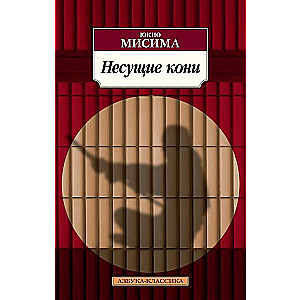
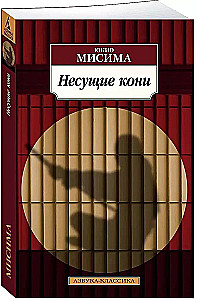
Carrying Horses
Yukio Mishima is the most famous and widely read Japanese writer in the world. He became renowned equally for his works in all conceivable genres (novels, plays, stories, essays) and for his extravagant lifestyle and death (hara-kiri following an unsuccessful...
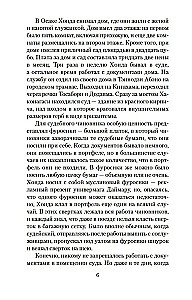
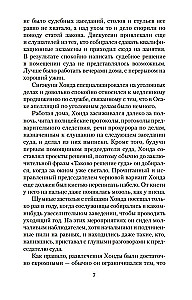
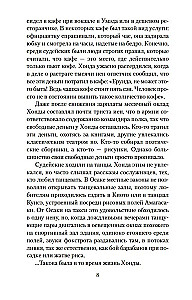
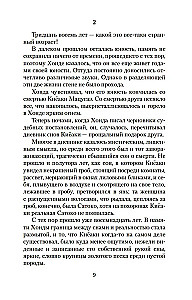
attempt at a monarchial coup). "Spring Snow" is the first novel of the tetralogy "The Sea of Fertility," considered the pinnacle of Mishima’s writing and a kind of creative testament; it is a work in which Mishima, in his own words, "expressed all his ideas" and after which he had "nothing left to write about." After finishing the last novel of the tetralogy, he put a period at the end of his life. "The Sea of Fertility" contains the quintessence of Mishima's own aesthetic system, blending samurai-Shinto elements with images of European antiquity, the influence of esoteric Buddhism, and even Hinduism. The cornerstone of this aesthetic has always been the theme of death and beauty; Mishima's heroes strive to comprehend the terrifying and indefinable mystery of beauty that exists beyond morality and ethics, capable of subjugating and destroying human personality. The plot of "The Sea of Fertility" is based on the idea of reincarnation, which is progressively revealed through the story of tragic love, idealistic self-sacrifice, mystical obsession, and the shattering of illusions. The main hero of "Carrying Horses," young kendo practitioner Isao Inuma, raised by his father according to the rules of the samurai code, organizes a conspiracy aimed at restoring the emperor's greatness and curbing the rampant governmental corruption - possibly at the cost of his own life…
Author: Юкио Мисима
Printhouse: Azbuka
Series: Azbukaclassics
Age restrictions: 18+
Year of publication: 2021
ISBN: 9785389191129
Number of pages: 448
Size: 115х180 mm
Cover type: soft
Weight: 218 g
ID: 668155
Sold out
€ 5.19
Sold out
€ 5.19
Bestsellers



Bestseller
€ 12.19
In stock
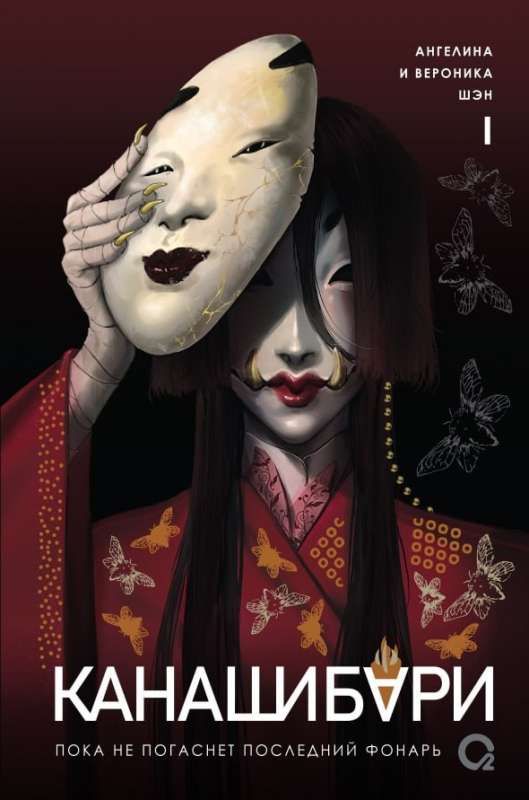
Kanashibari. Until the Last Lantern Goes Out. Volume 1
Ангелина Шэн, Вероника Шэн