New

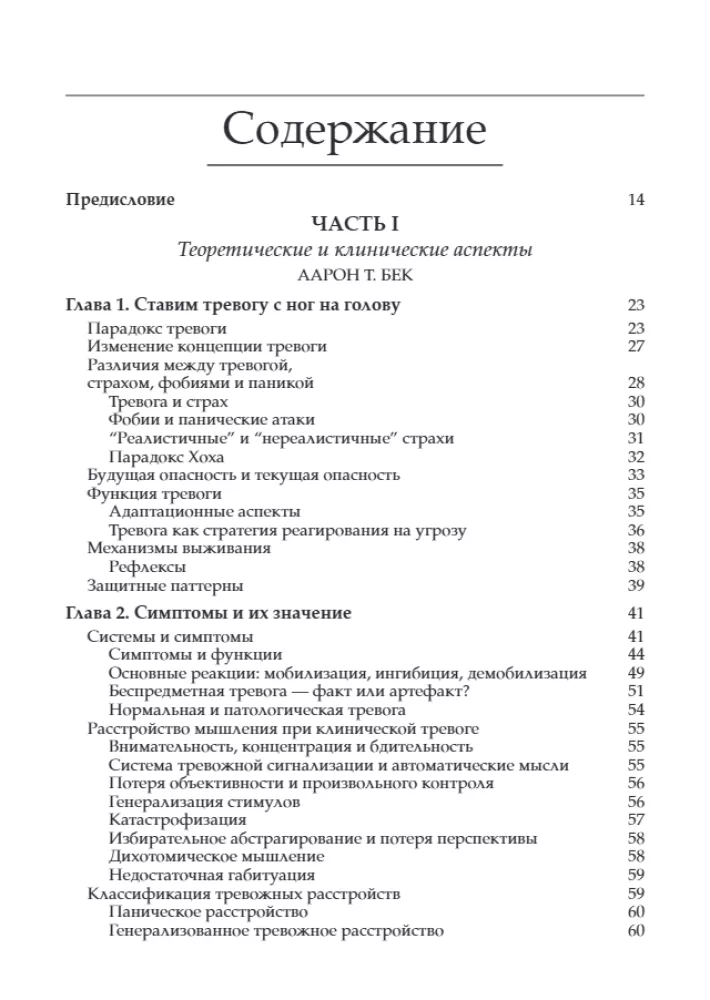
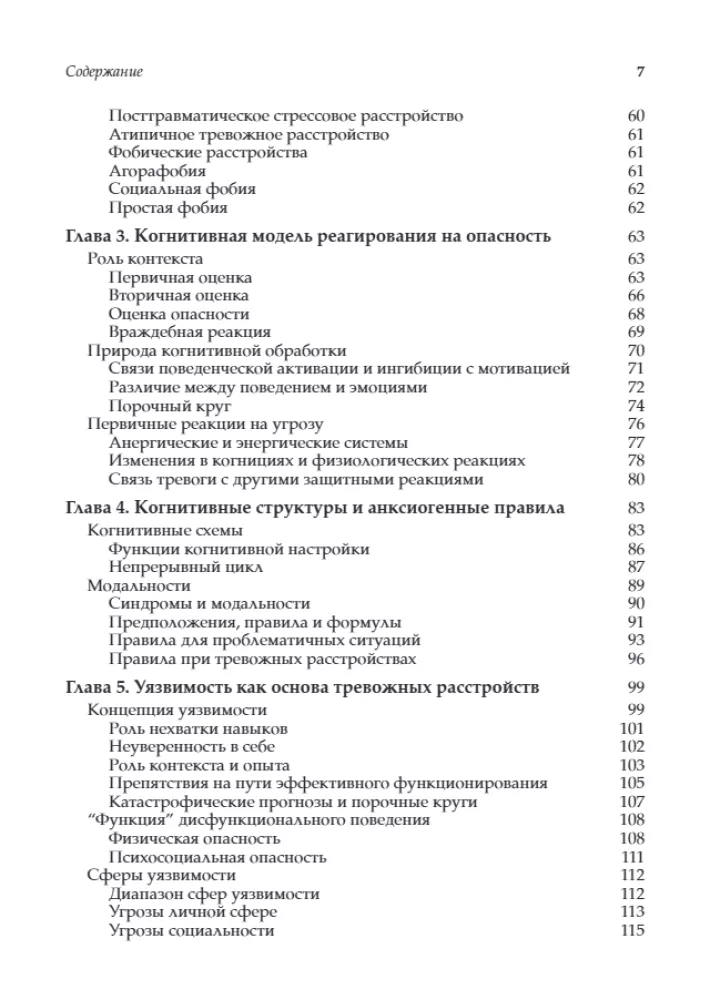
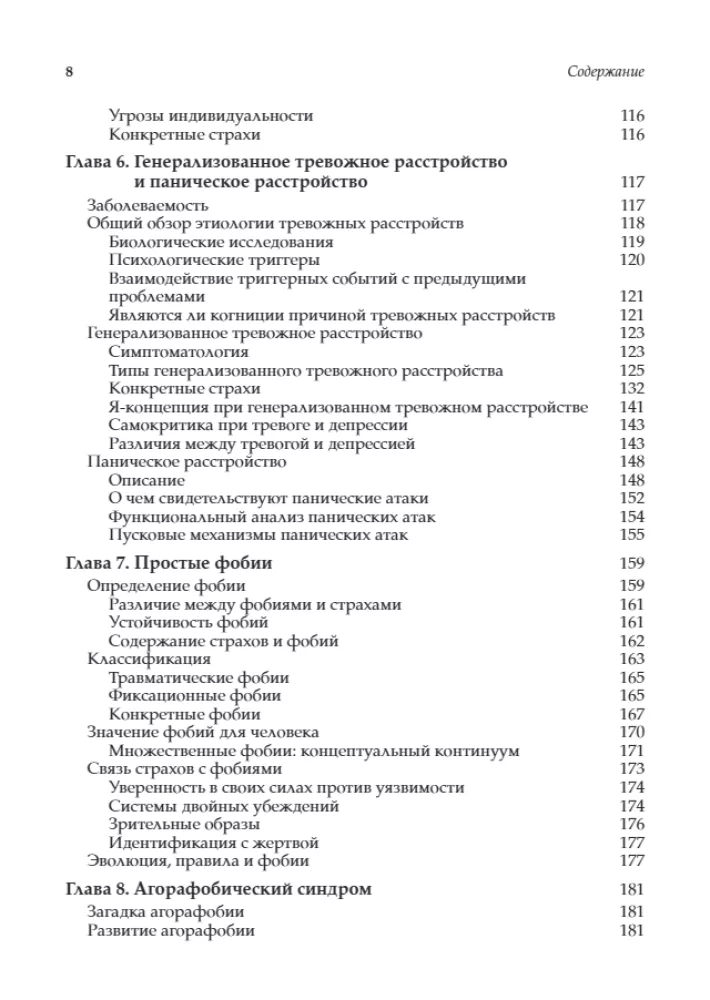
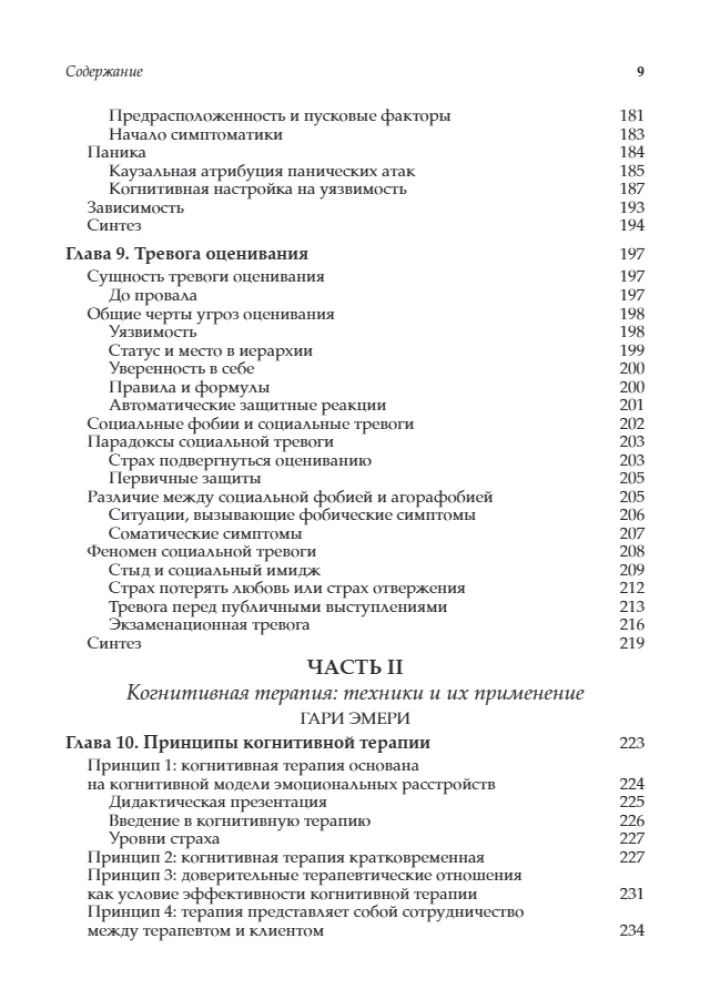
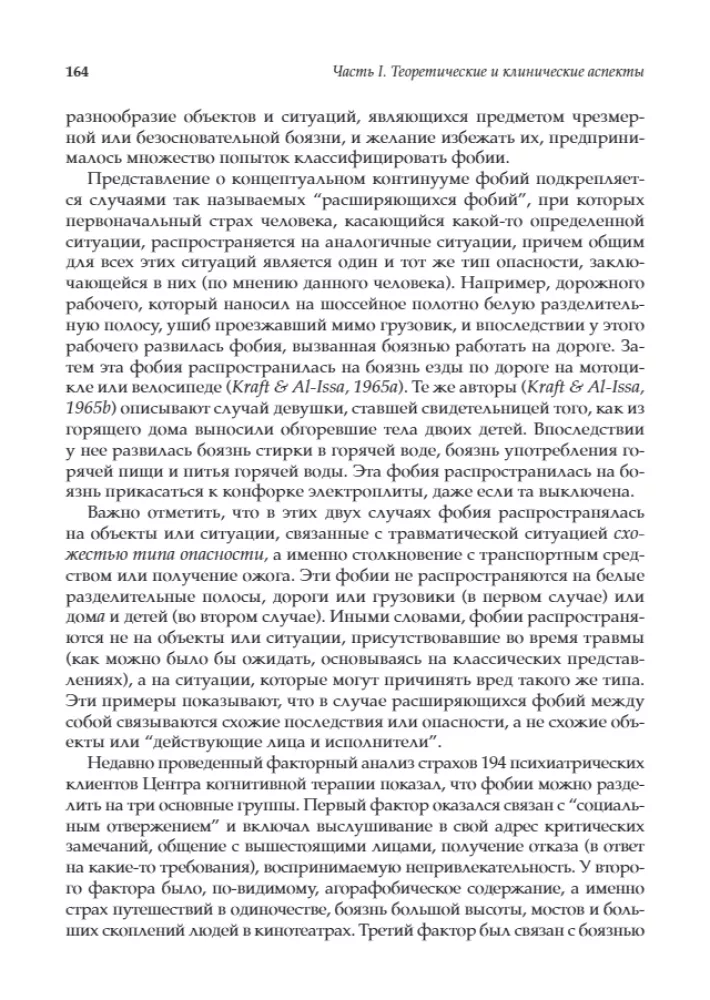
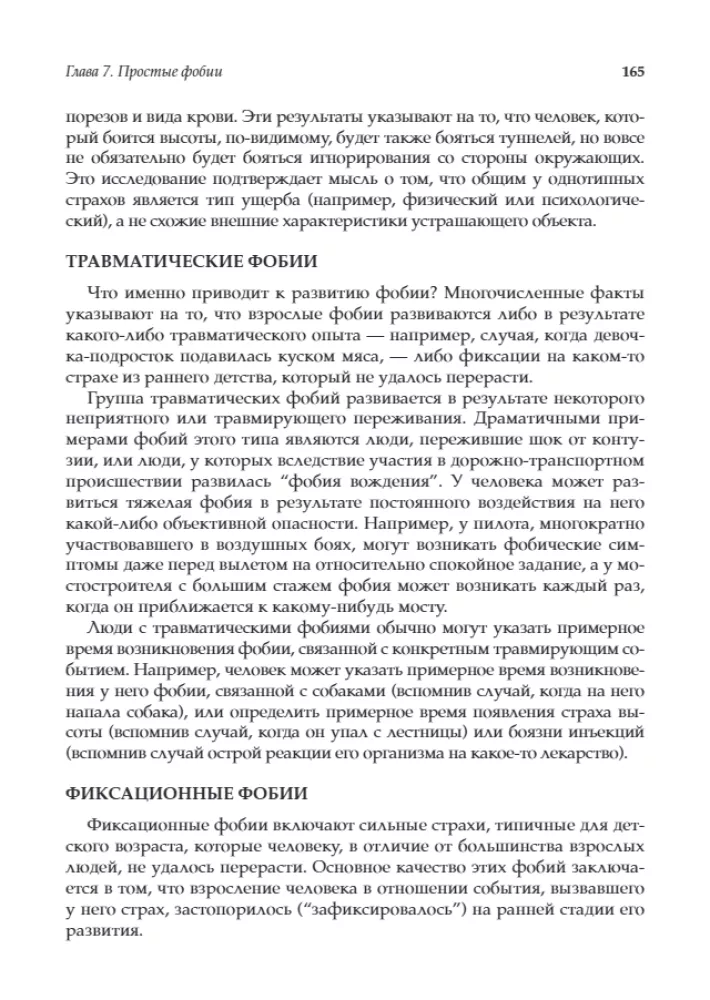
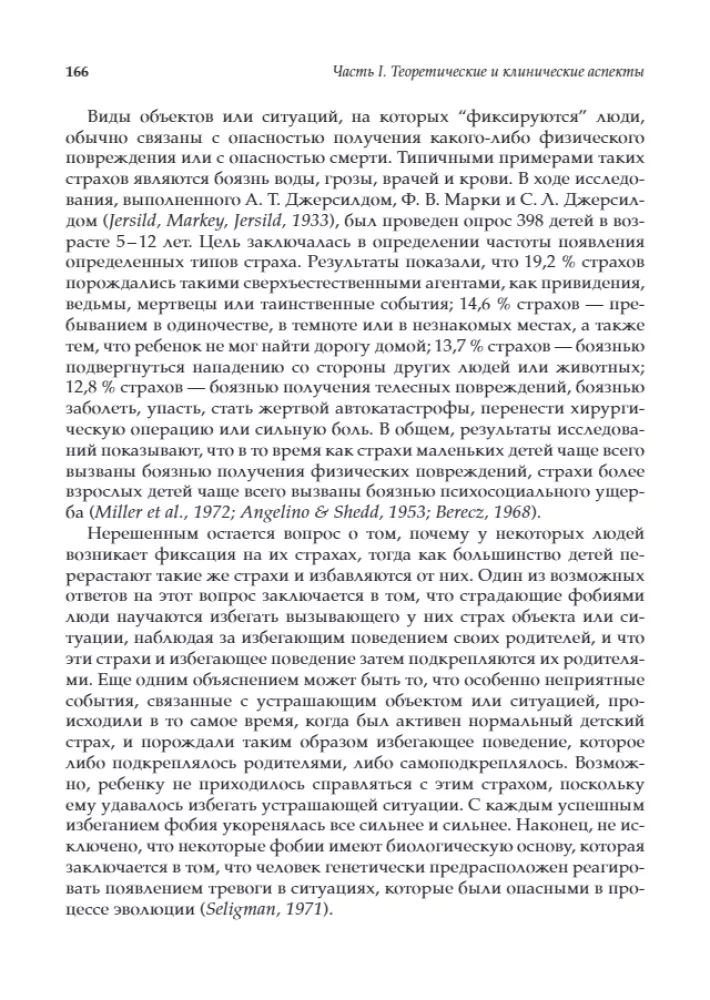
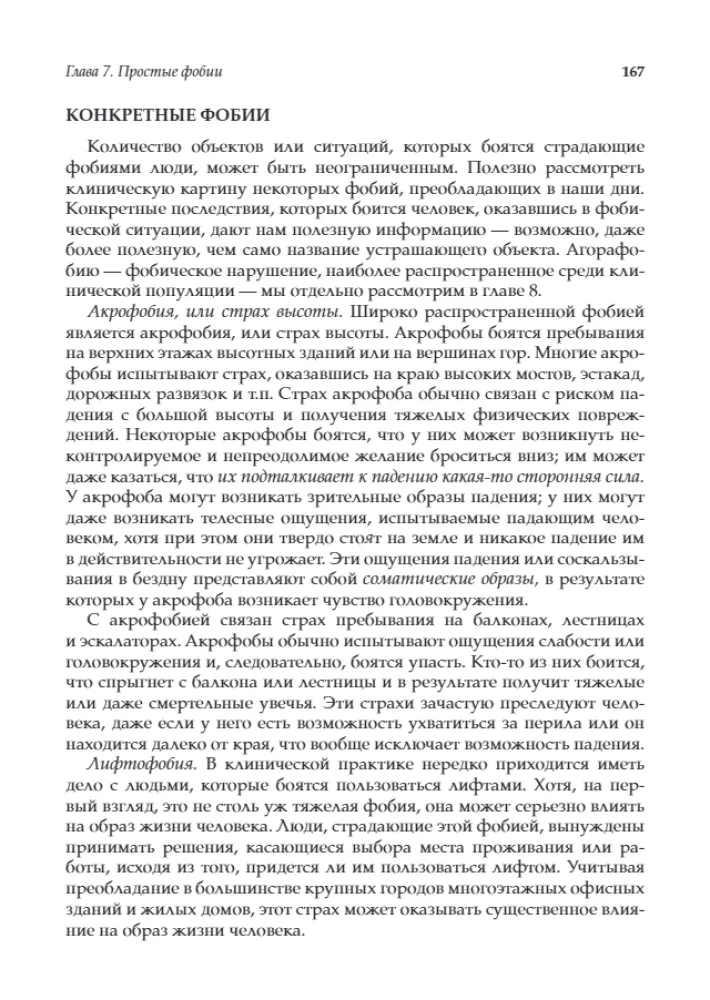
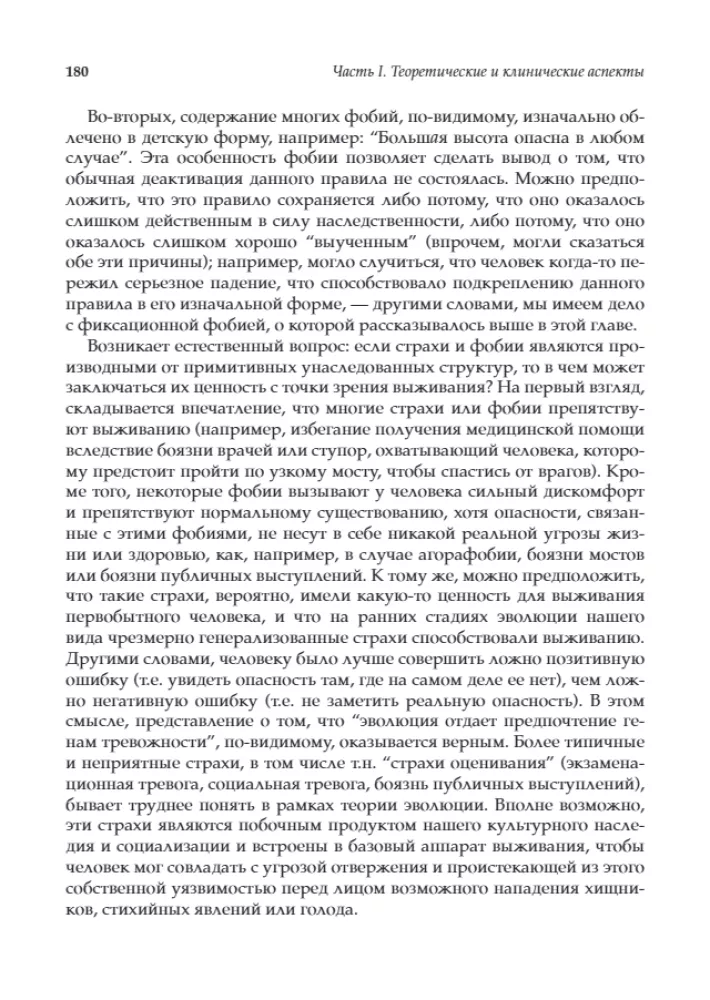

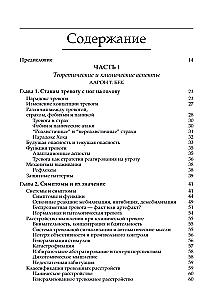
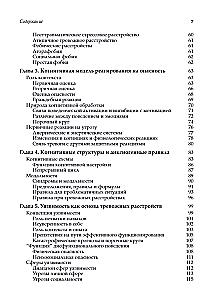
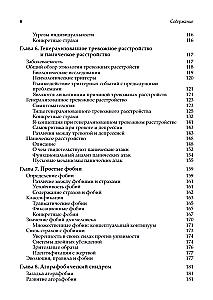
Anxiety Disorders and Phobias: A Cognitive Approach
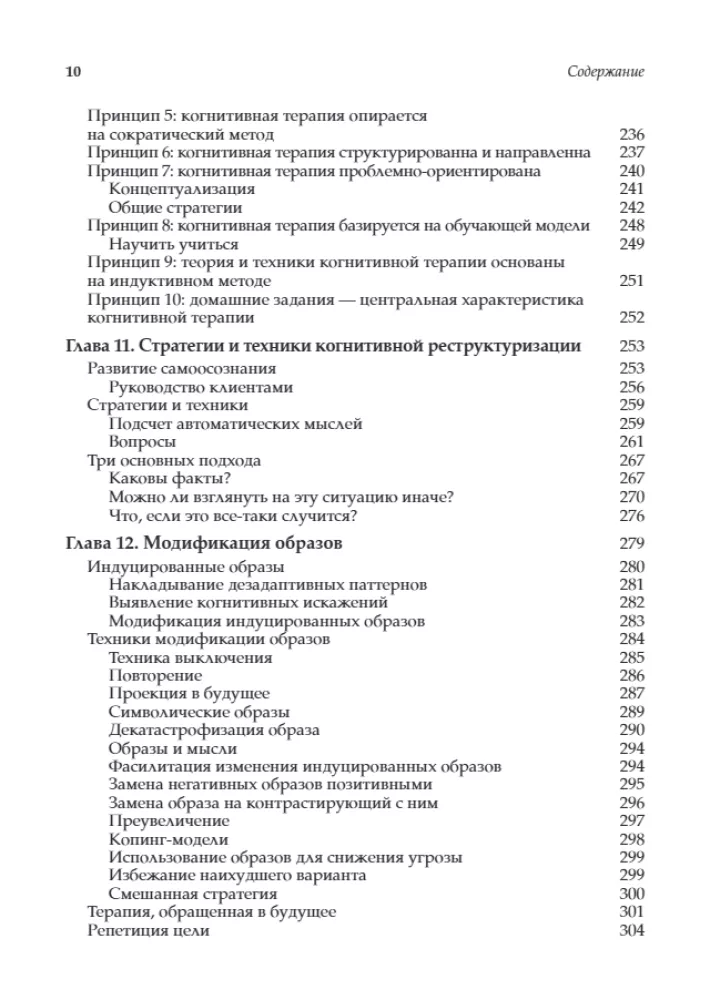
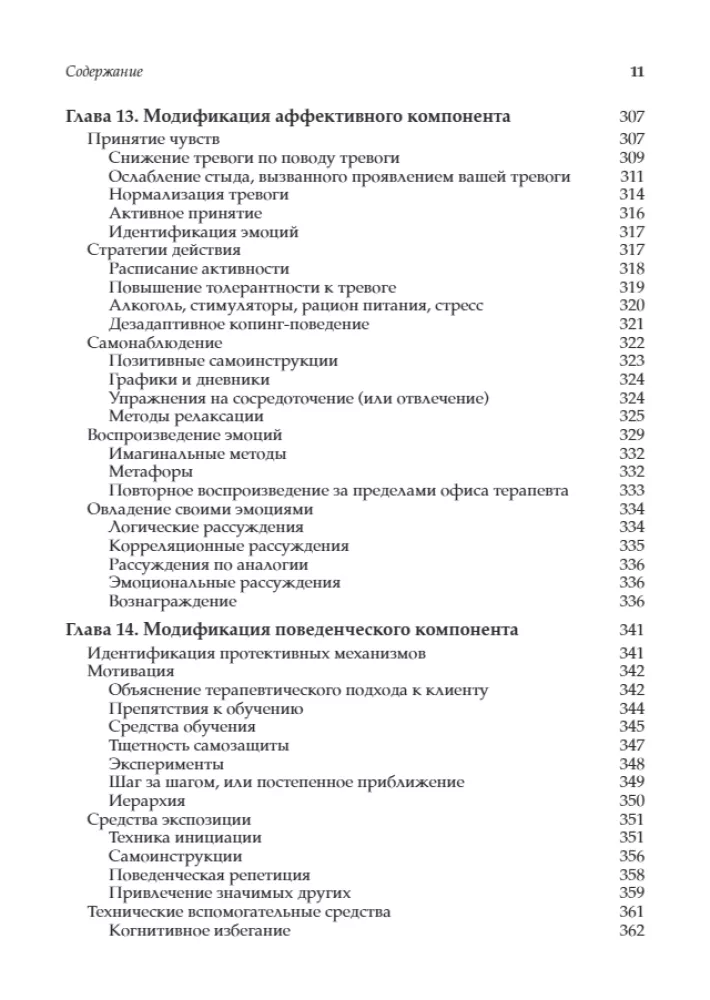
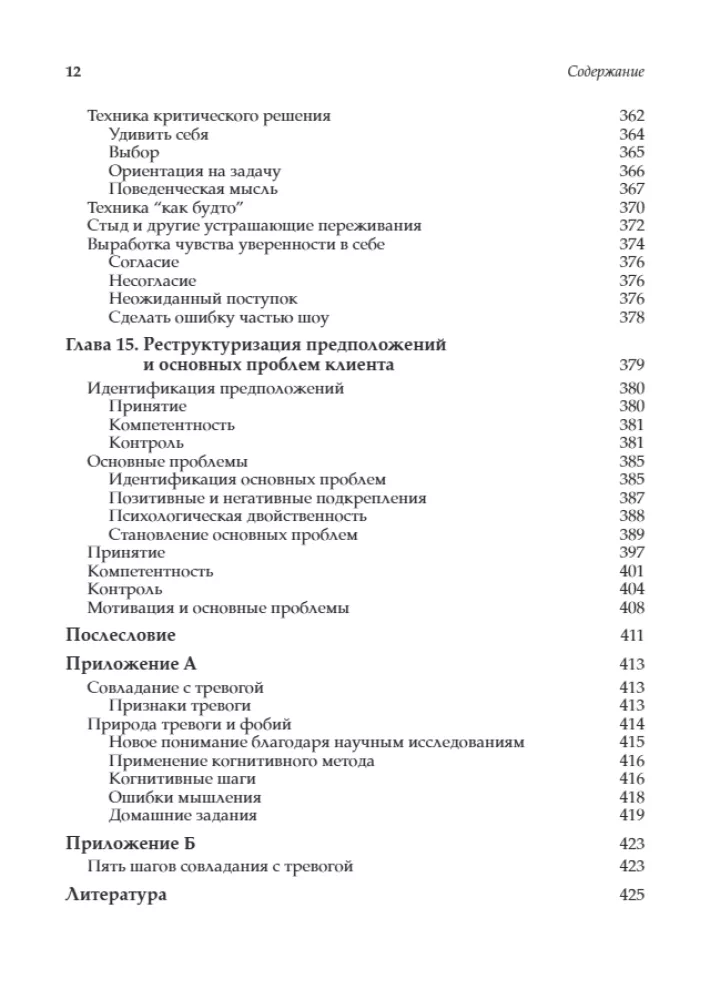
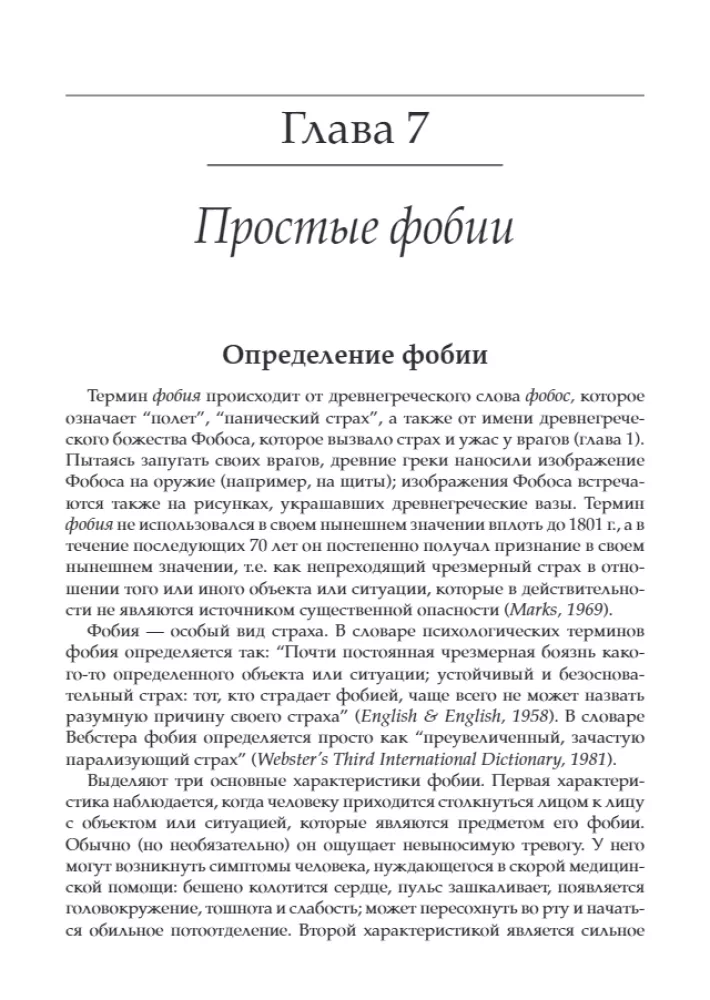
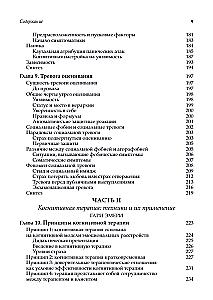
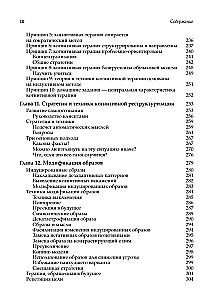
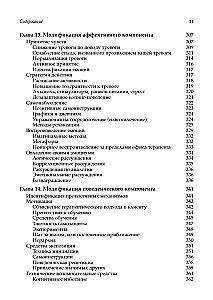
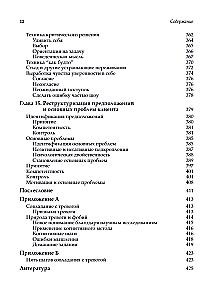
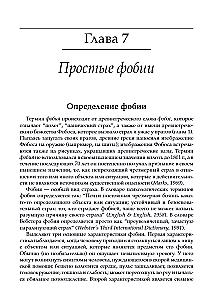
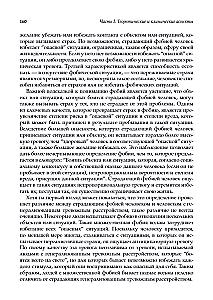
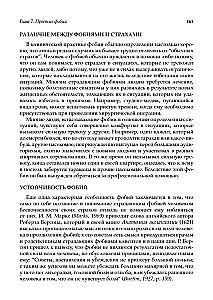
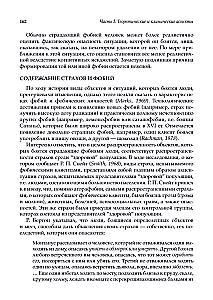
The creator of cognitive psychotherapy and two of his colleagues demonstrate how the basic concepts of cognitive therapy, successfully used for many years to treat depression, can also be effectively applied to treat individuals suffering from anxiety disorders and phobias.
This... book represents an attempt to understand anxiety from a somewhat different perspective. The main thesis is that the central process of adaptation is cognitive, or informational, processing. When this central mechanism is disrupted, the result is disturbances in feelings and behavior. Therefore, according to the cognitive approach, correcting cognitive distortions leads to a reduction in disturbances in feelings and behavior.
Attributing a central role to cognitive, or informational, processing raises a number of questions. How is the mechanism formed that, on the one hand, allows a person to adapt wonderfully to the dangers of the environment, while on the other hand, plunges them into severe suffering, taking the form of anxiety, depression, and other psychological disorders? Furthermore, how might the proposed disruptions in information processing account for the diverse symptoms of anxiety disorders? Finally, how could one reduce the symptoms of such disorders, and ideally, completely eliminate them?
The goal of this book reflects a relatively recent change in the "spirit of the times" of the behavioral sciences. With an exclusive emphasis on emotional response, motivation, and behavior, researchers' attention has shifted to the acquisition, sorting, interpretation, and storage of information. This change - the so-called cognitive revolution - has influenced such disparate disciplines as anthropology, social psychology, political science, clinical psychology, and psychoanalysis...
This... book represents an attempt to understand anxiety from a somewhat different perspective. The main thesis is that the central process of adaptation is cognitive, or informational, processing. When this central mechanism is disrupted, the result is disturbances in feelings and behavior. Therefore, according to the cognitive approach, correcting cognitive distortions leads to a reduction in disturbances in feelings and behavior.
Attributing a central role to cognitive, or informational, processing raises a number of questions. How is the mechanism formed that, on the one hand, allows a person to adapt wonderfully to the dangers of the environment, while on the other hand, plunges them into severe suffering, taking the form of anxiety, depression, and other psychological disorders? Furthermore, how might the proposed disruptions in information processing account for the diverse symptoms of anxiety disorders? Finally, how could one reduce the symptoms of such disorders, and ideally, completely eliminate them?
The goal of this book reflects a relatively recent change in the "spirit of the times" of the behavioral sciences. With an exclusive emphasis on emotional response, motivation, and behavior, researchers' attention has shifted to the acquisition, sorting, interpretation, and storage of information. This change - the so-called cognitive revolution - has influenced such disparate disciplines as anthropology, social psychology, political science, clinical psychology, and psychoanalysis...
Author: Аарон Т. Бек, Гари Эмери
Printhouse: Ripol-klassik
Age restrictions: 16+
Year of publication: 2020
ISBN: 9785907203518
Number of pages: 432
Size: 235x165x18 mm
Cover type: soft
Weight: 576 g
ID: 1748810
In stock
€ 33.09
Will be delivered to United States on 29 September (Tu):
By courier
from € 38.94
Bestsellers




€ 13.29
In stock
12 Weeks in a Year. How to Achieve More in 12 Weeks Than Others Do in 12 Months
Майкл Леннингтон, Брайан Моран


€ 7.89
In stock
Choice. On the Freedom and Inner Strength of a Person
Эдит Ева Эгер, Эсме Швалль-Вейганд



€ 6.99
In stock



€ 5.29
In stock




€ 11.59
In stock
We Are Right for Each Other: How Attachment Theory Can Help Create Harmonious Relationships
Амир Левин, Рэйчел Хеллер