
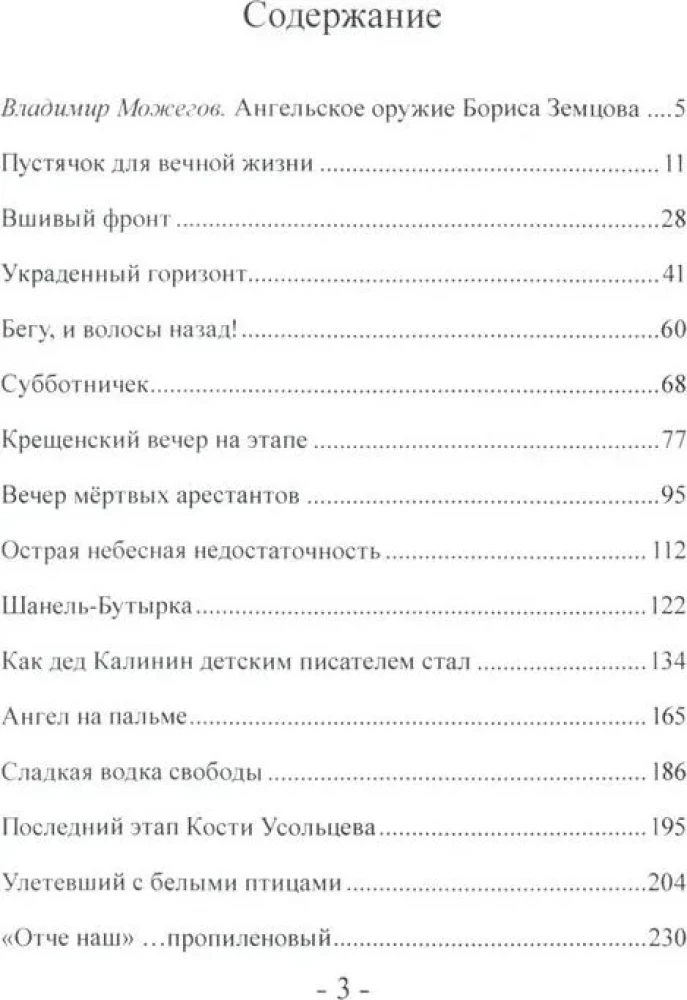
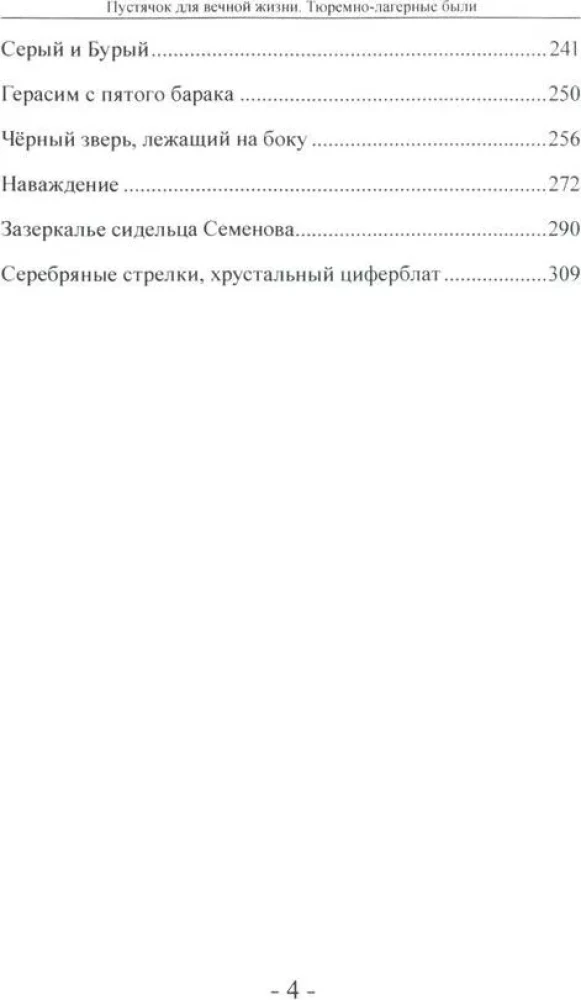


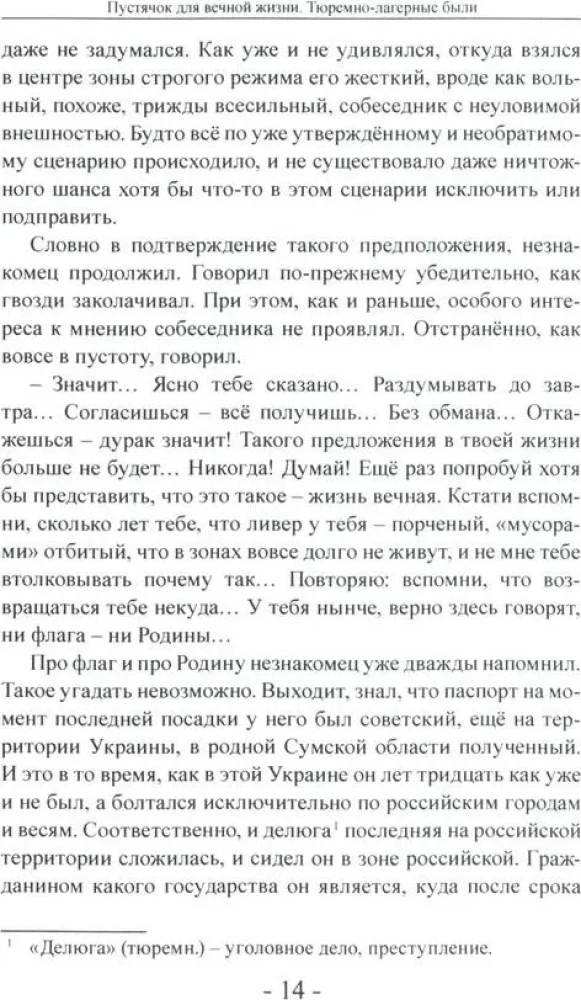

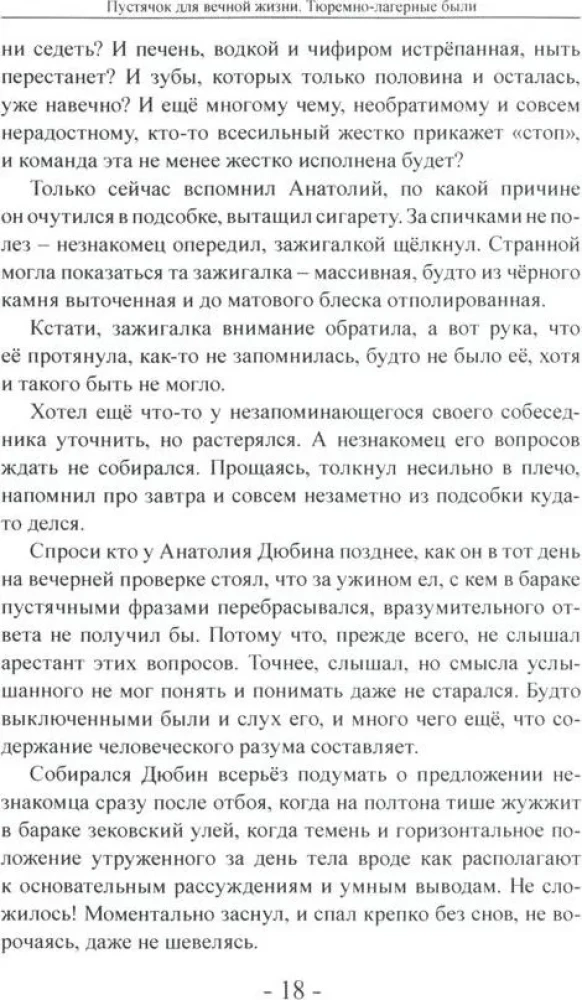

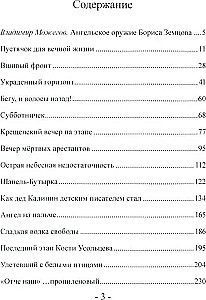
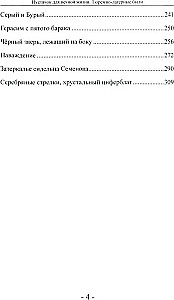
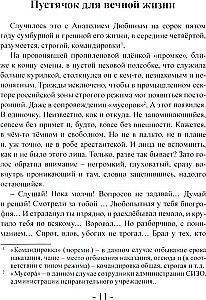
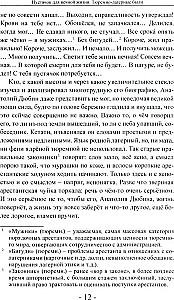
A Trifle for Eternal Life. Prison-Camp Tales
«Don't tempt fate with the prison and the poorhouse»... National folklore is, as always, ruthlessly accurate. The probability of finding oneself in captivity for a Russian person, regardless of social status, education, or even personal, moral, ethical qualities, has always...
been and remains very high. Why is it this way? Why always? Why in Russia? Let historians, political scientists, and sociologists ponder these questions. For someone who finds themselves, not by their own choice, trying on the «skin of a prisoner», it is far more important to simply survive. And not just to survive, but to remain human, to preserve will, dignity, and principles. It seems that this question is the main theme for all of Boris Zemtsov's prison-camp stories. He tries to answer this question based solely on his own experience. At the same time, he imposes nothing, teaches no one, and avoids the temptation to fall into sugary moralizing. He simply shares what he has seen and experienced.
It is also important to remember that in any country at any time, the entire social institution of captivity (prisons, camps, etc.) is a miniature model of the state and society, or rather, a unique optical instrument through which a person evaluates the system of which they themselves are a part. What did Boris Zemtsov see of present-day Russia from behind bars, from behind barbed wire? The reader will find out by reading this book.
It is also important to remember that in any country at any time, the entire social institution of captivity (prisons, camps, etc.) is a miniature model of the state and society, or rather, a unique optical instrument through which a person evaluates the system of which they themselves are a part. What did Boris Zemtsov see of present-day Russia from behind bars, from behind barbed wire? The reader will find out by reading this book.
Author: Борис Земцов
Printhouse: KNIZhNYI MIR
Age restrictions: 12+
Year of publication: 2024
ISBN: 9785605199984
Number of pages: 324
Size: 210х130х20 mm
Cover type: hard
Weight: 374 g
ID: 1744361
In stock
€ 15.19
Will be delivered to United States on 25 September (Fr):
By courier
from € 38.94
Bestsellers







€ 13.29
In stock
12 Weeks in a Year. How to Achieve More in 12 Weeks Than Others Do in 12 Months
Майкл Леннингтон, Брайан Моран


€ 7.89
In stock
Choice. On the Freedom and Inner Strength of a Person
Эдит Ева Эгер, Эсме Швалль-Вейганд


€ 5.29
In stock
€ 14.99
In stock
The Body Remembers Everything: The Role of Psychological Trauma in a Person's Life and Techniques to Overcome It
Бессел ван дер Колк


€ 6.99
In stock