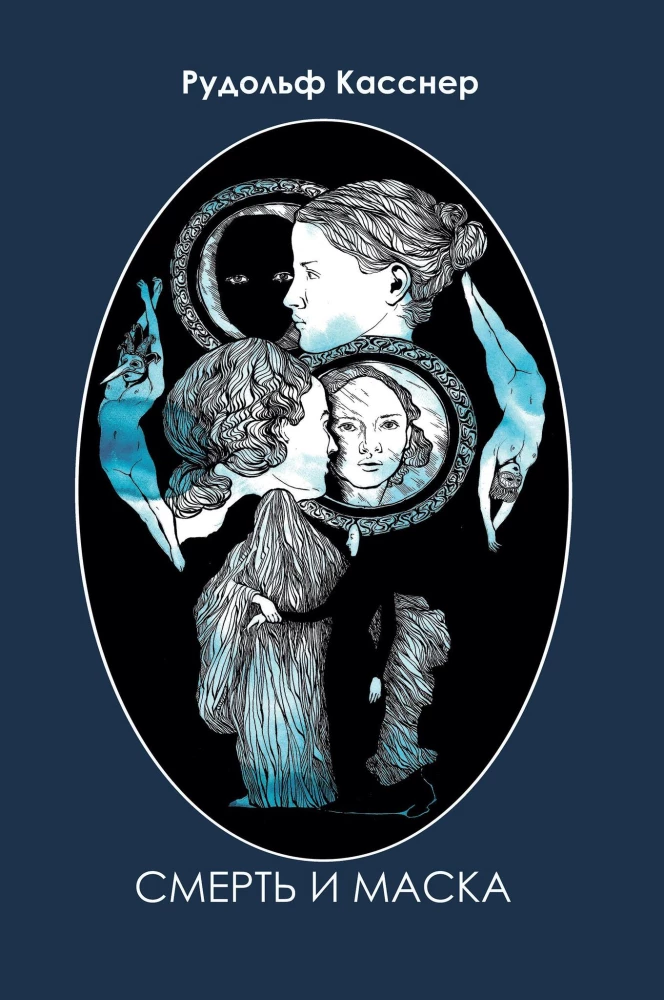
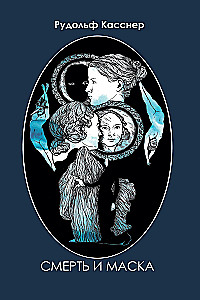
Death and the Mask
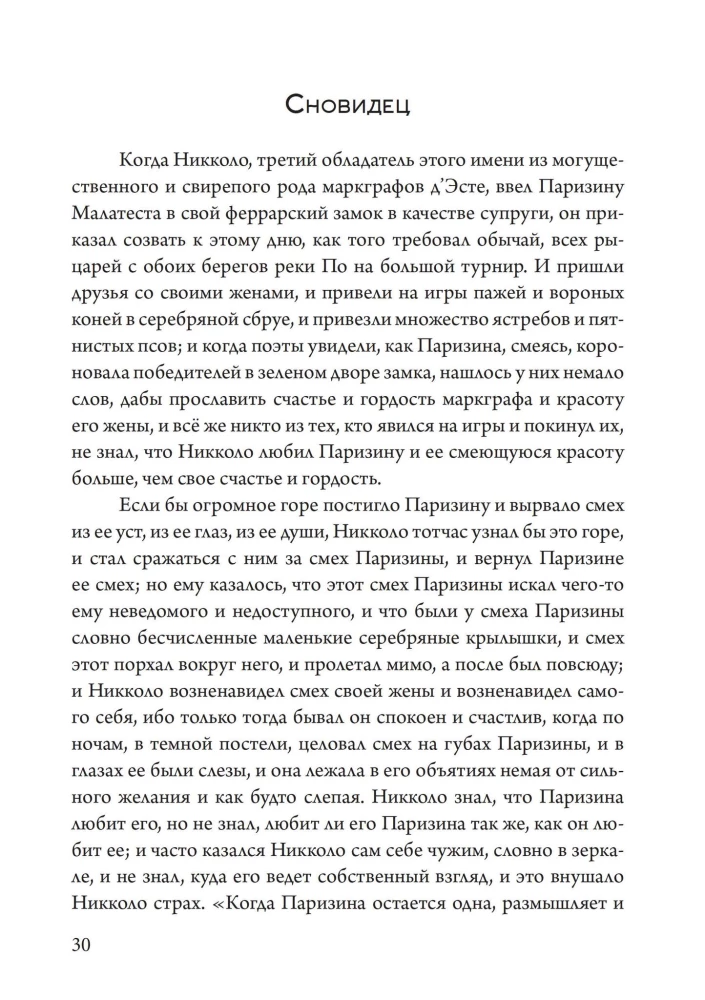
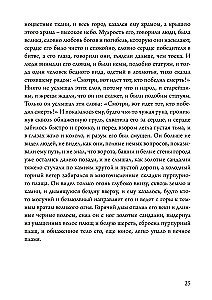
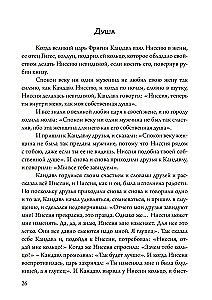
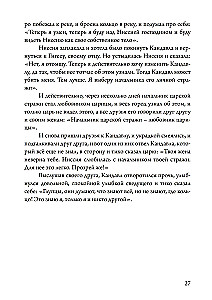
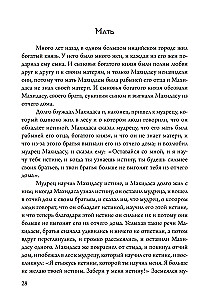
For the first time in Russian, a collection of works by the Austrian thinker and writer Rudolf Kassner (1873–1959). One of the greatest philosophers of culture of the 20th century, highly regarded by many great contemporaries (among them G. Marcel,...
T. S. Eliot, W. H. Auden, and others), the creator of an original style of phenomenological hermeneutics, which he named physiognomics, a thirteen-time nominee for the Nobel Prize in Literature, a close friend of Rilke (the poet dedicated the eighth Duino Elegy to him and considered him the most important author of his era), Kassner remains, to this day, a largely unexplored continent.
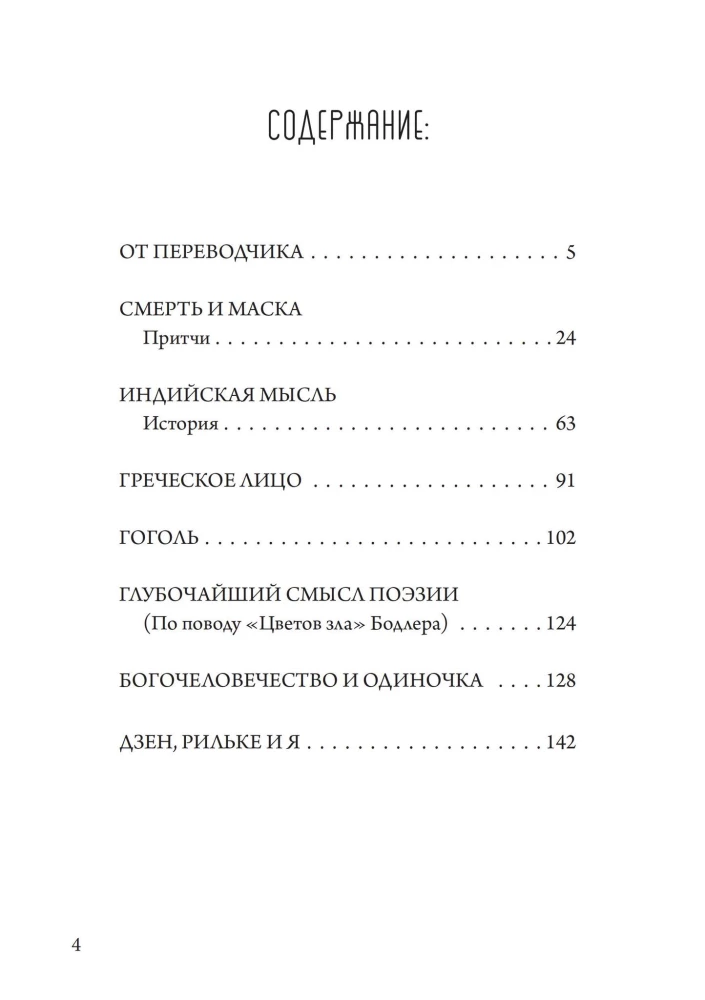
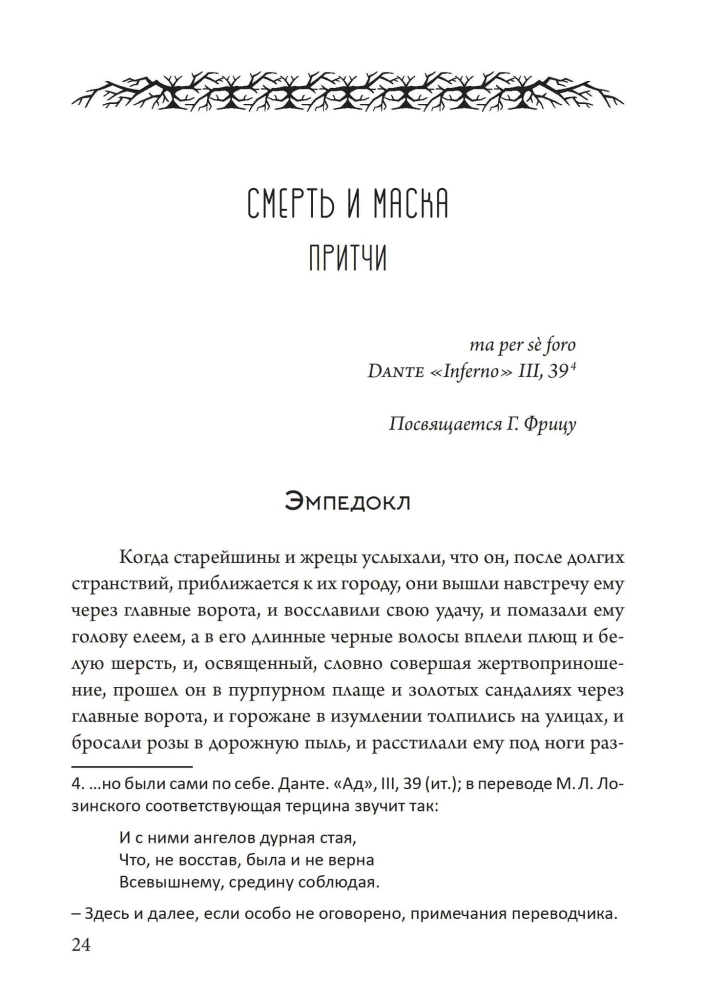
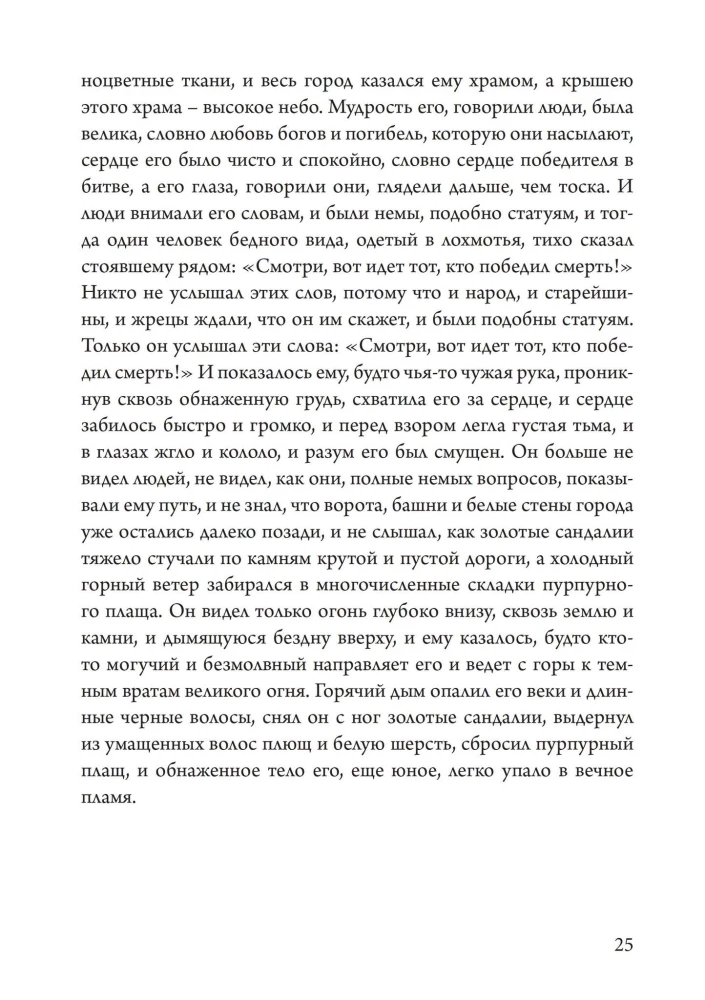
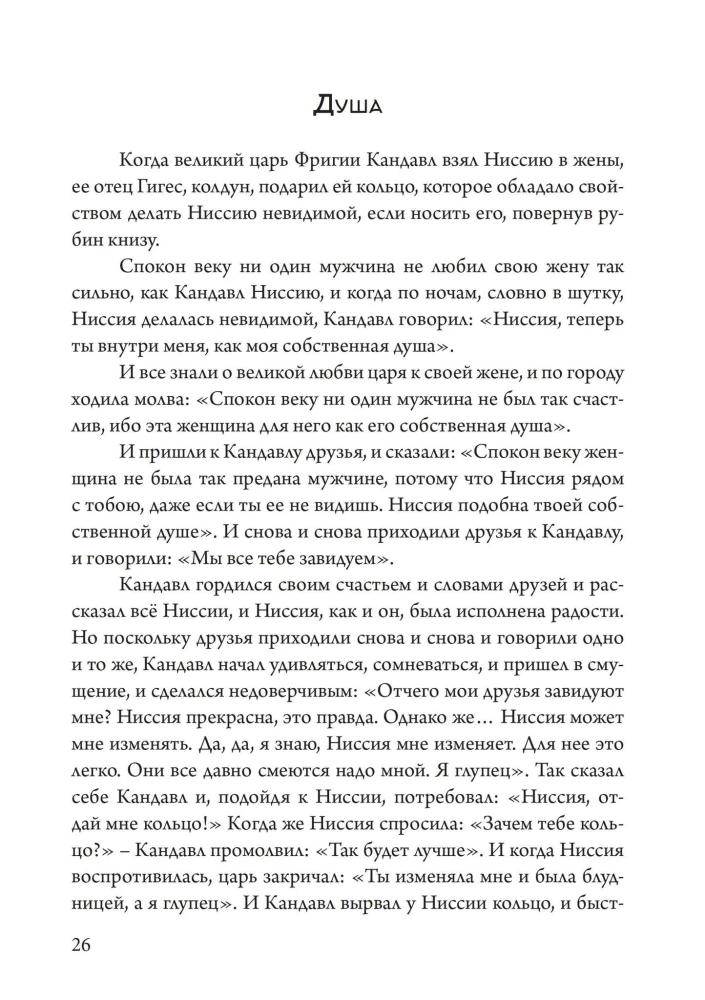
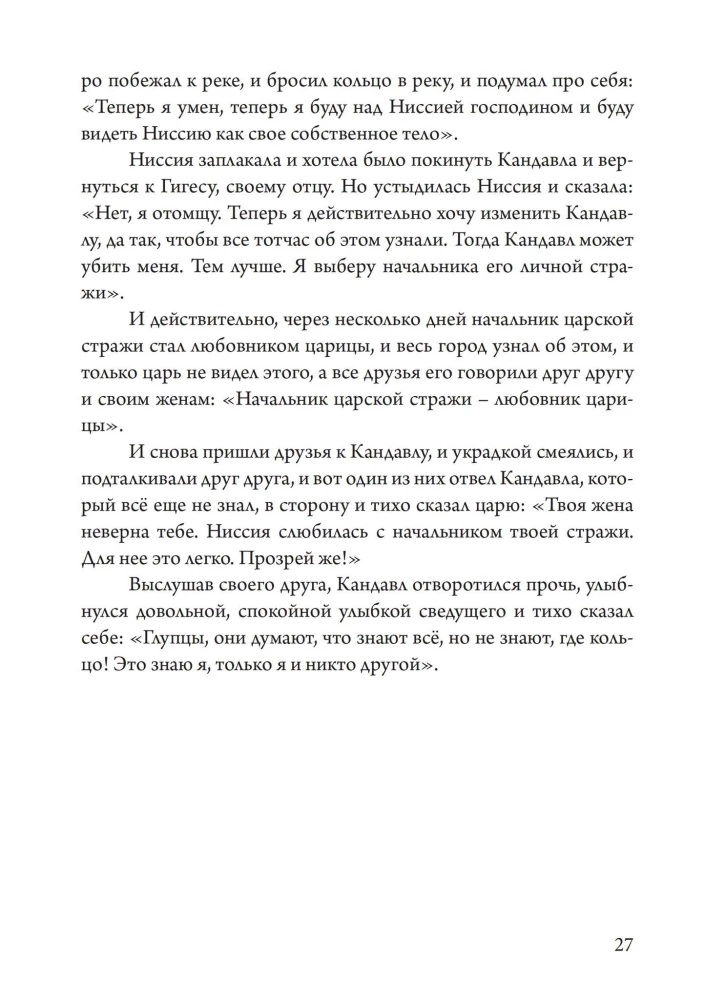
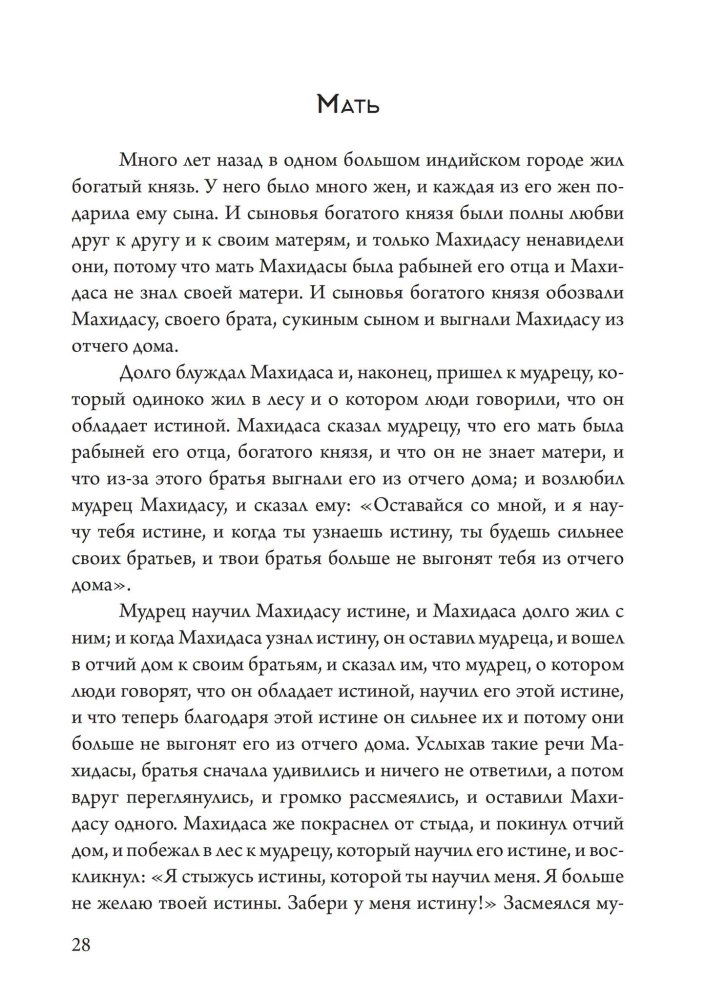
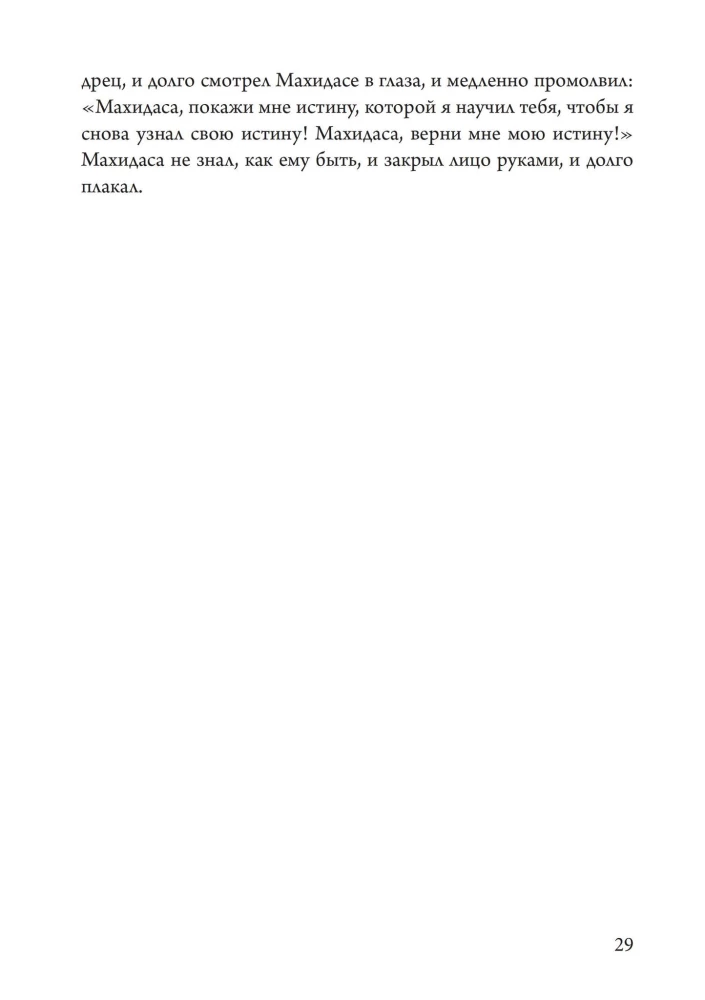
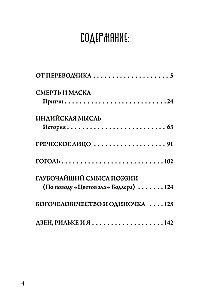
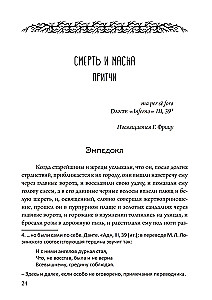
The works included in this edition can provide the Russian reader with an insight into the richness, diversity, depth, and significance of Kassner's creative universe through the prism of brilliant examples of his short prose, relating to different periods. The great is reflected in the small. The book opens with the second edition of the cycle of philosophical-poetic parables "Death and the Mask," belonging to the so-called "aesthetic" period. The "physiognomic" period is represented by some of the most vivid works from different years: this is the famous and most original "Indian Thought," the profound and almost esoteric "Greek Face" in its aphoristic nature, the most uncompromising of Kassner's "Russian" essays "Gogol," the extremely concise and truly gnomic text about Baudelaire "The Deepest Meaning of Poetry," and the work "God-Man and the Loneliness," which grows out of the experience of reading Kierkegaard and anticipates the final Kassner themes. In the late essay "Zen, Rilke, and I," which closes the collection, the last, "autobiographical" period with its characteristic style and appeal to Zen thinking, which, together with unorthodox Christianity, opened up for Kassner as the true place of the soul, is reflected like the cosmos in a drop of dew.
The works included in this edition can provide the Russian reader with an insight into the richness, diversity, depth, and significance of Kassner's creative universe through the prism of brilliant examples of his short prose, relating to different periods. The great is reflected in the small. The book opens with the second edition of the cycle of philosophical-poetic parables "Death and the Mask," belonging to the so-called "aesthetic" period. The "physiognomic" period is represented by some of the most vivid works from different years: this is the famous and most original "Indian Thought," the profound and almost esoteric "Greek Face" in its aphoristic nature, the most uncompromising of Kassner's "Russian" essays "Gogol," the extremely concise and truly gnomic text about Baudelaire "The Deepest Meaning of Poetry," and the work "God-Man and the Loneliness," which grows out of the experience of reading Kierkegaard and anticipates the final Kassner themes. In the late essay "Zen, Rilke, and I," which closes the collection, the last, "autobiographical" period with its characteristic style and appeal to Zen thinking, which, together with unorthodox Christianity, opened up for Kassner as the true place of the soul, is reflected like the cosmos in a drop of dew.
Author: Рудольф Касснер
Printhouse: KASTALIIa
Age restrictions: 16+
Year of publication: 2024
ISBN: 9785521239665
Number of pages: 154
Size: 216х154х13 mm
Cover type: hard
Weight: 290 g
ID: 1744187
Sold out
€ 22.69
Sold out
€ 22.69
Bestsellers

€ 7.89
In stock
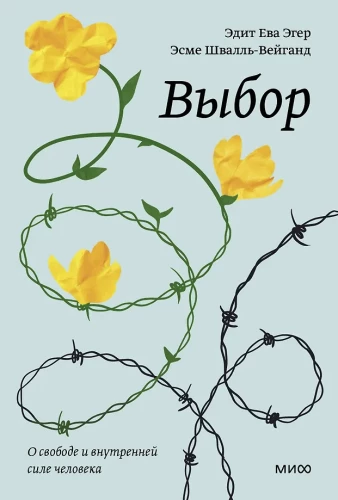
Choice. On the Freedom and Inner Strength of a Person
Эдит Ева Эгер, Эсме Швалль-Вейганд

€ 6.99
In stock