
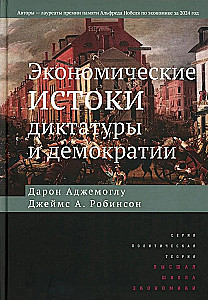
The Economic Origins of Dictatorship and Democracy
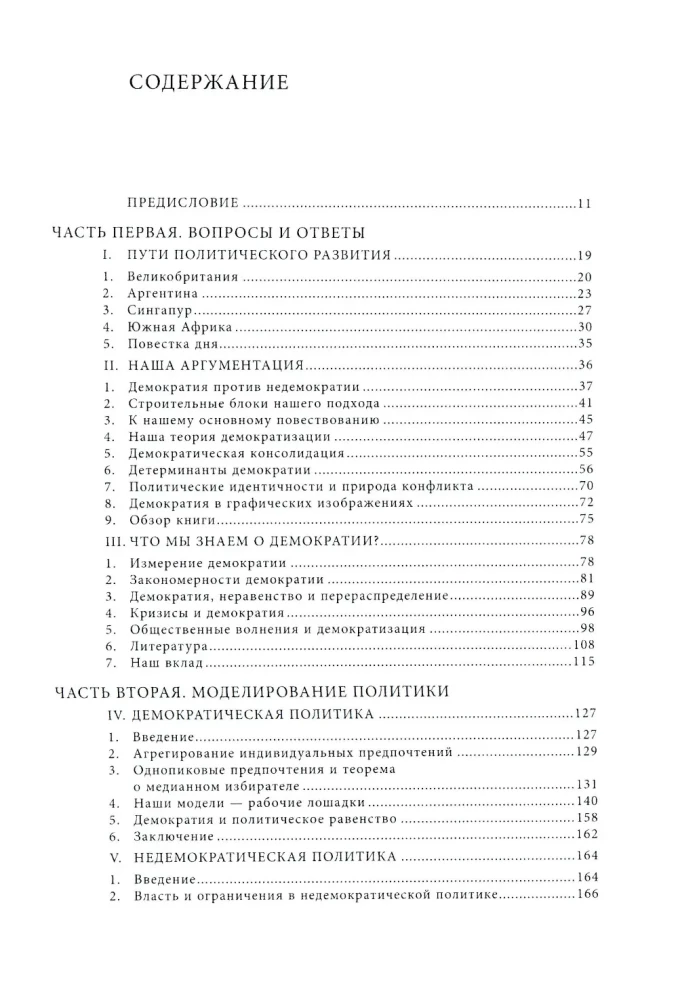
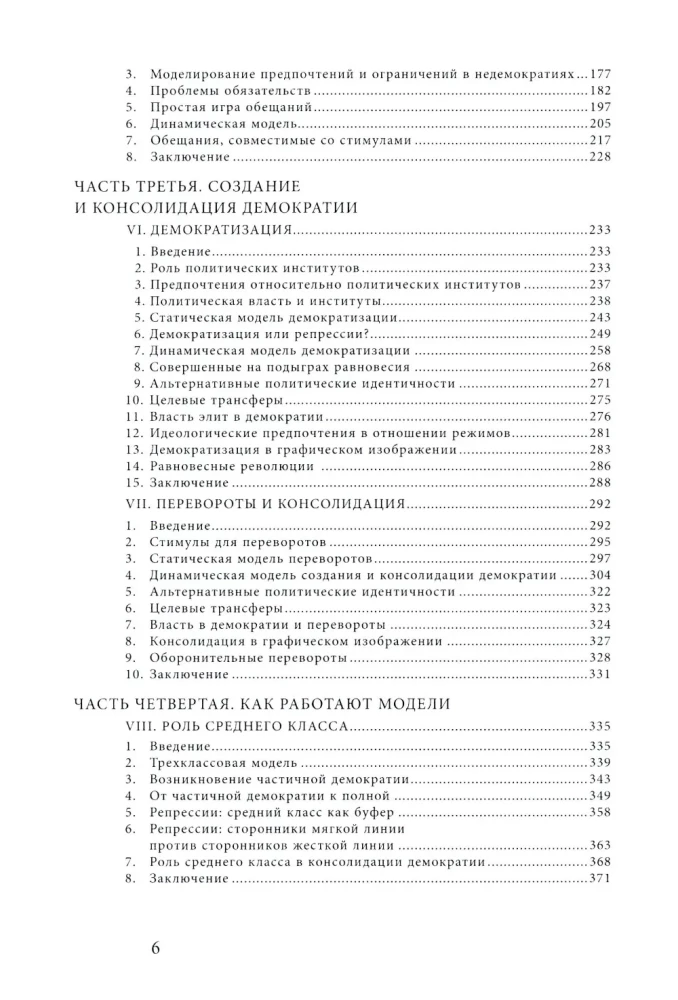
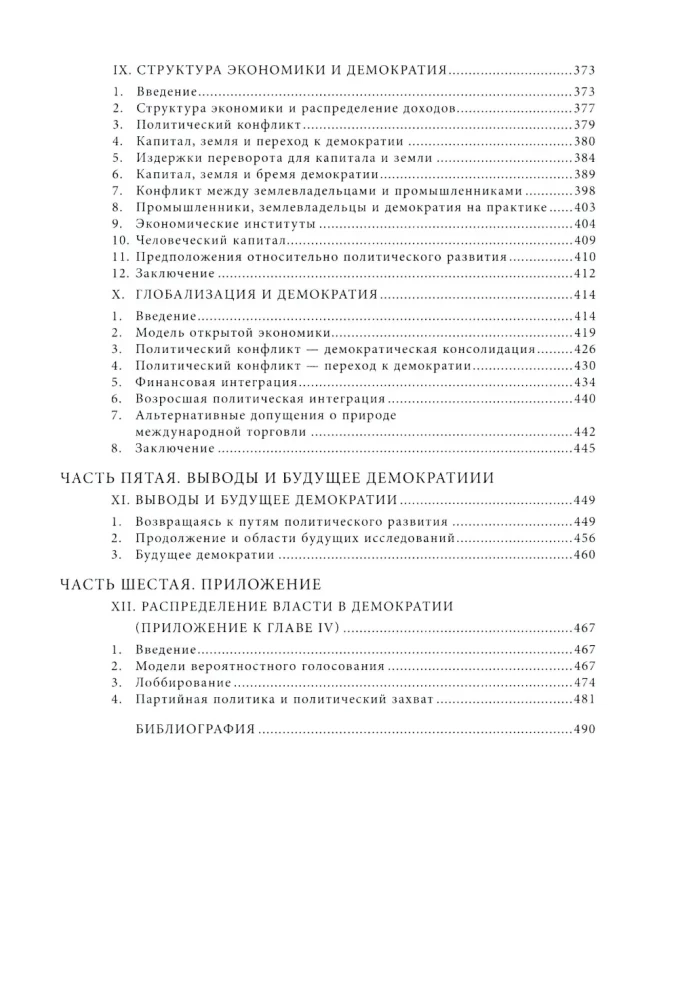
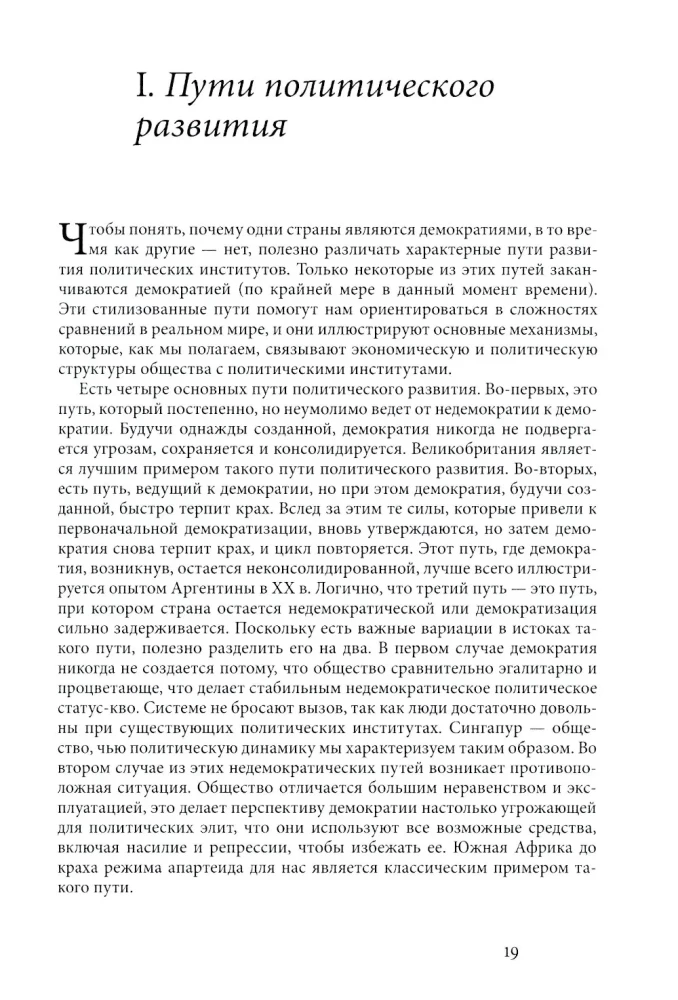
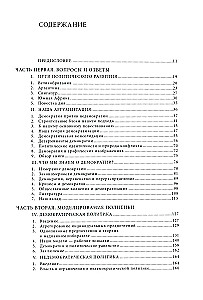
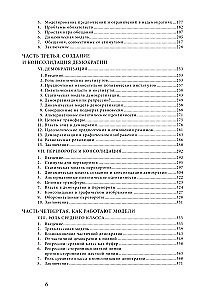
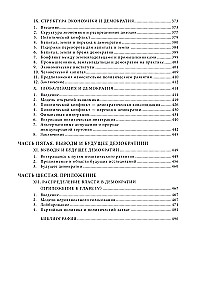
The scientific bestseller by economists Daron Acemoglu and James A. Robinson is dedicated to the development of conceptual foundations for analyzing the creation and consolidation of democracy. The authors start from an outwardly simple thesis that different social groups prefer...
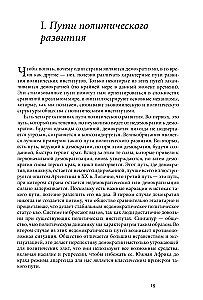
different political institutions due to how they distribute political power and resources. Thus, democracy is preferred by the majority of citizens but opposed by the elites. However, dictatorship is unstable when citizens can pose a threat of public disorder and revolution. In response to this, when the cost of repression is significantly high and promises of concessions are not trustworthy, elites may be forced to create democracy. Through democratization, elites credibly transfer political power to citizens, ensuring social stability. Democracy consolidates when elites have no strong incentives to overthrow it. These processes depend on the strength of civil society, the structure of political institutions, the nature of political and economic crises, the level of economic inequality, the structure of the economy, and the form and scale of globalization.
Author: Дарон Аджемоглу, Джеймс А. Робинсон
Printhouse: VYSShAIa ShKOLA EKONOMIKI
Series: Political Theory
Age restrictions: 16+
Year of publication: 2024
ISBN: 9785759841524
Number of pages: 512
Size: 250х170х34 mm
Cover type: hard
Weight: 921 g
ID: 1740862
Sold out
€ 16.89
Sold out
€ 16.89
Bestsellers









Bestseller
€ 12.19
In stock
Kanashibari. Until the Last Lantern Goes Out. Volume 1
Ангелина Шэн, Вероника Шэн