





When the Market Sleeps: Six Steps for Leaders in Times of Stagnation
Author: Юлия Лахмоткина, Мэри Гукасян
Printhouse: Al'pina Pablisher
Age restrictions: 16+
Year of publication: 2026
ISBN: 9785206005288
Number of pages: 240
Size: 220х150х10 mm
Cover type: hard
Weight: 380 g
ID: 1732194
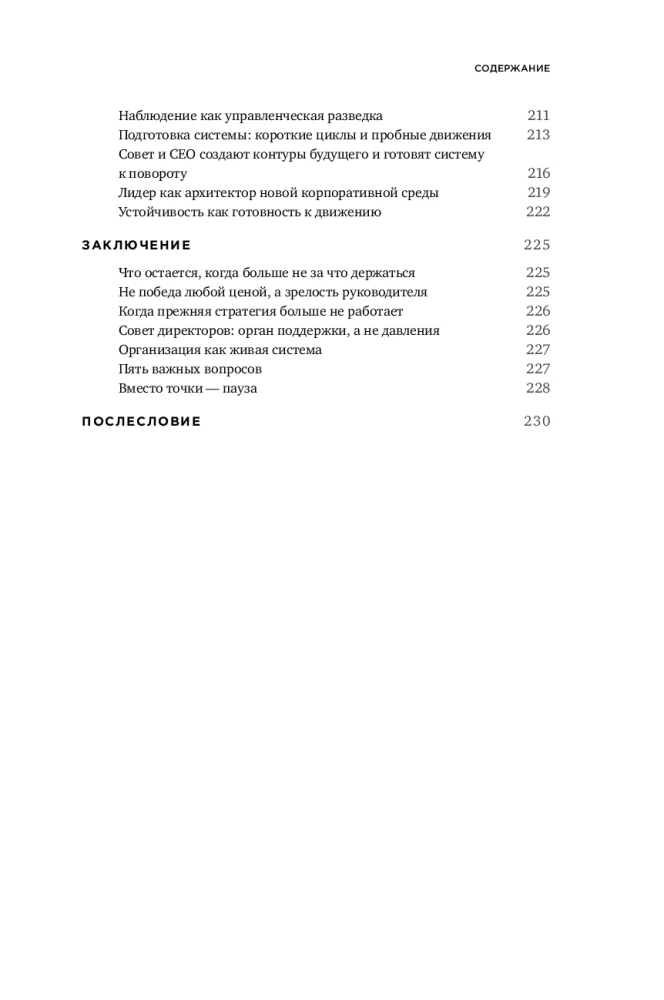
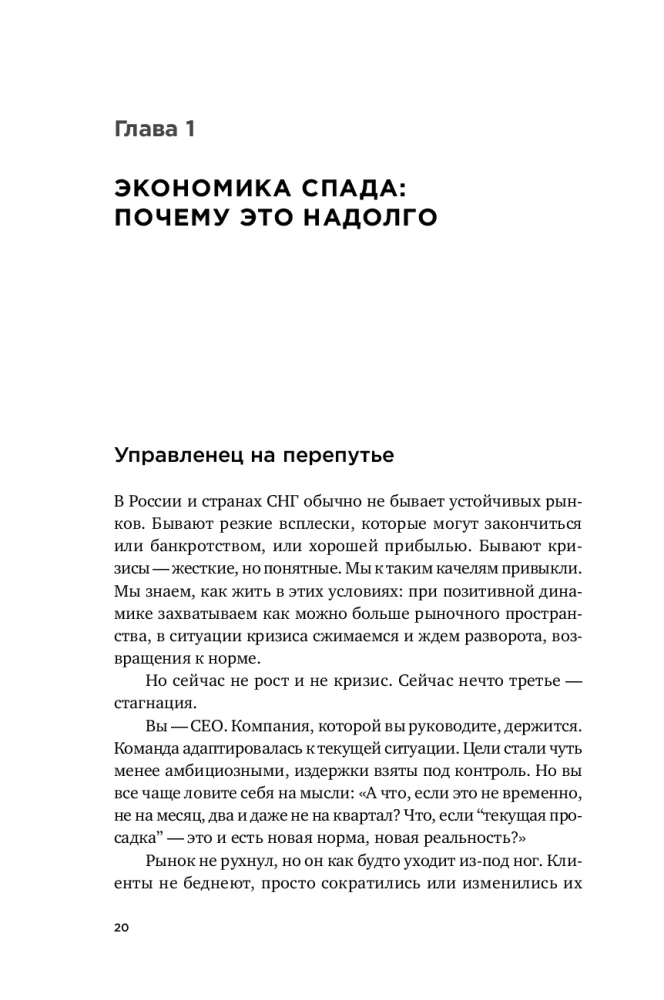
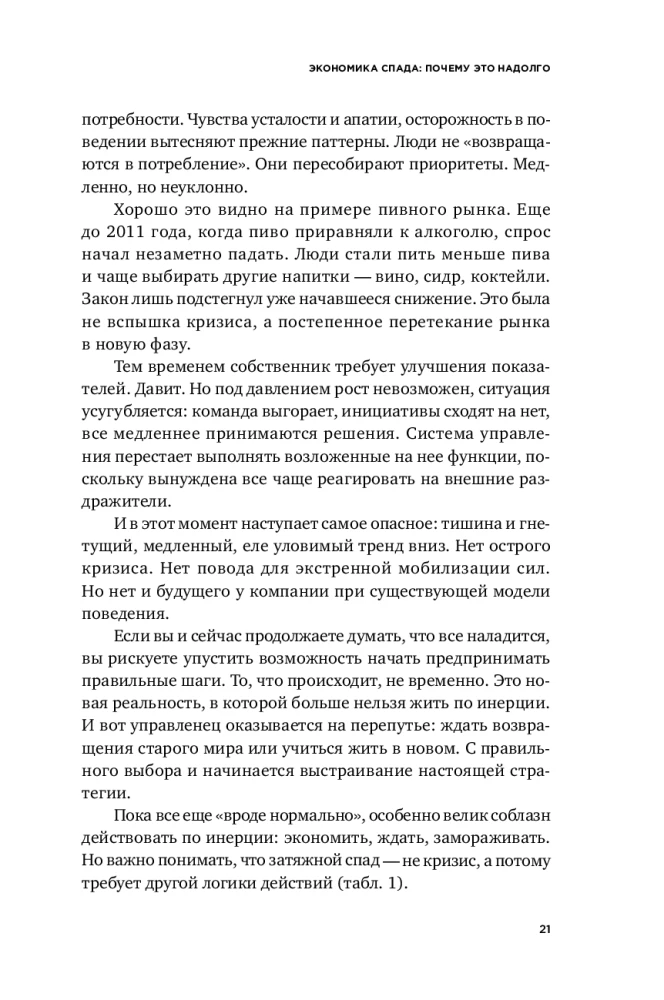
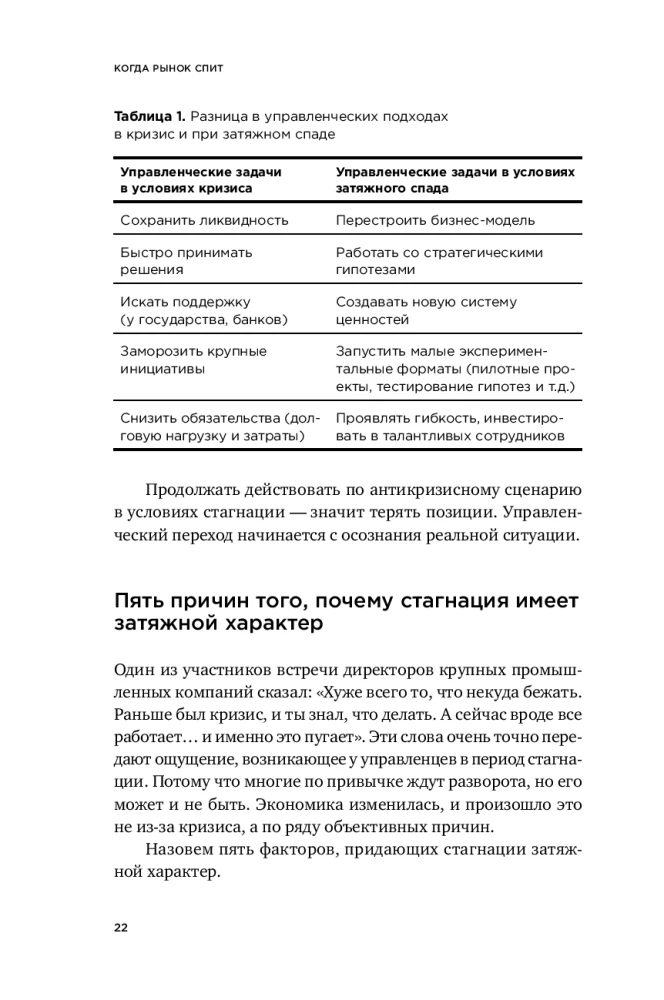
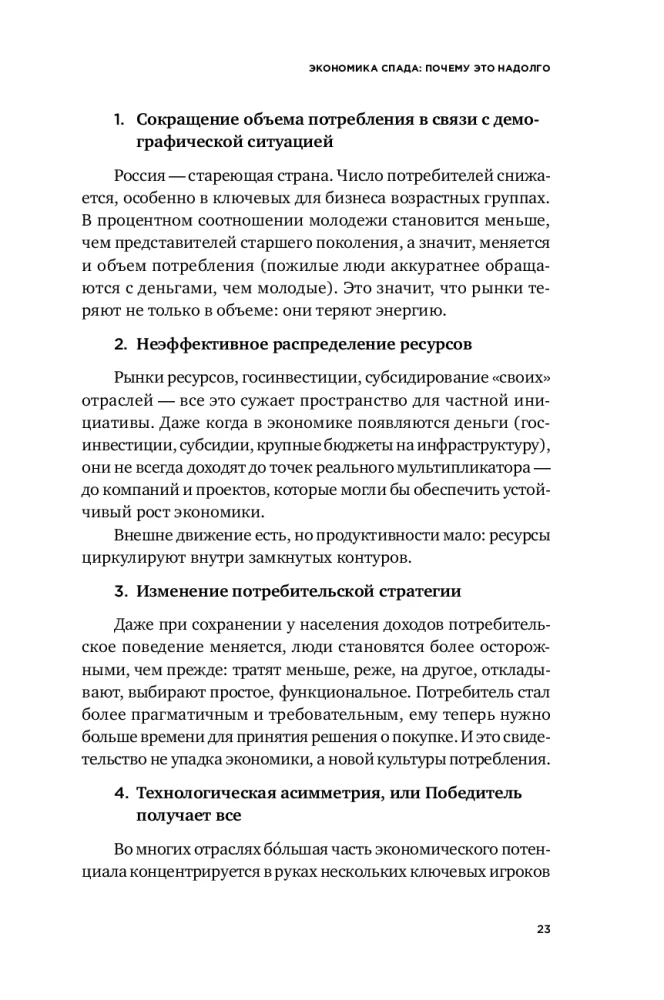
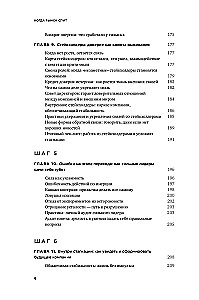
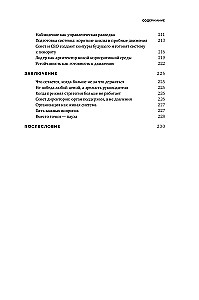
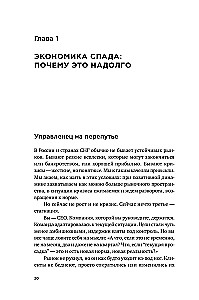
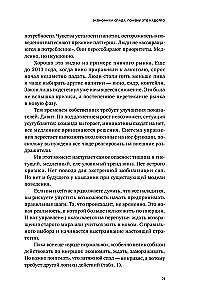
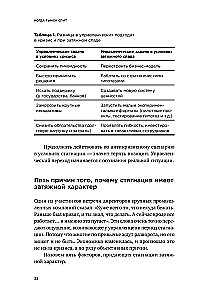
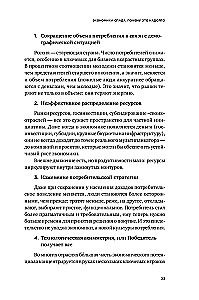
Stagnation cannot be weathered as a temporary crisis: this condition is a new reality for many markets. Today, companies continue to operate but are losing momentum: employees become tired for no visible reason, demand slowly declines, and familiar strategies cease to deliver results. The authors of the book suggest recognizing that old management models no longer work, and this is for the long term — and instead of trying to force growth, a fundamentally different approach is needed.
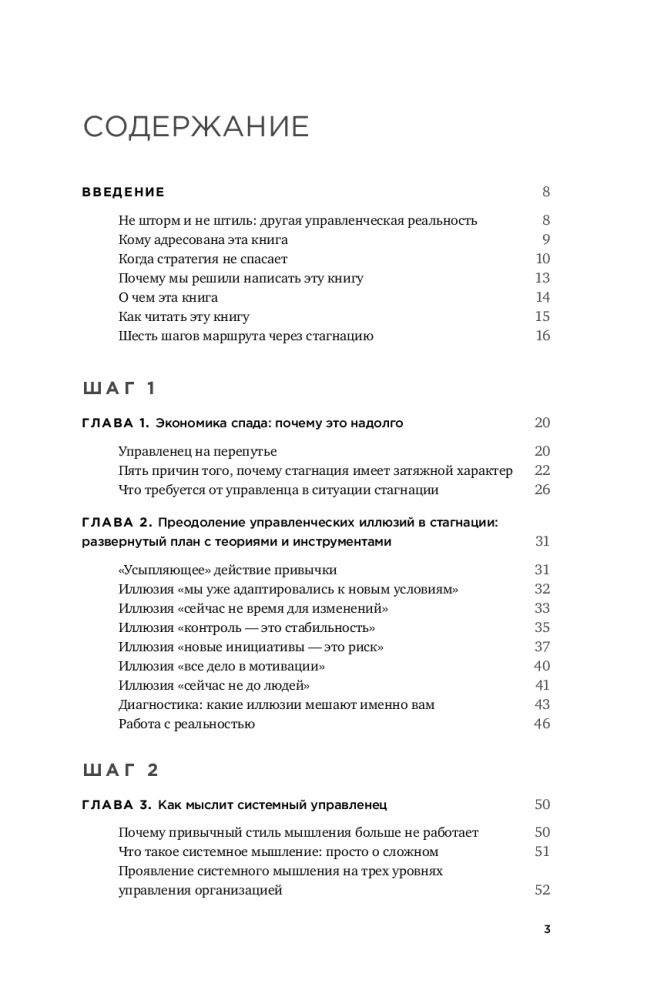
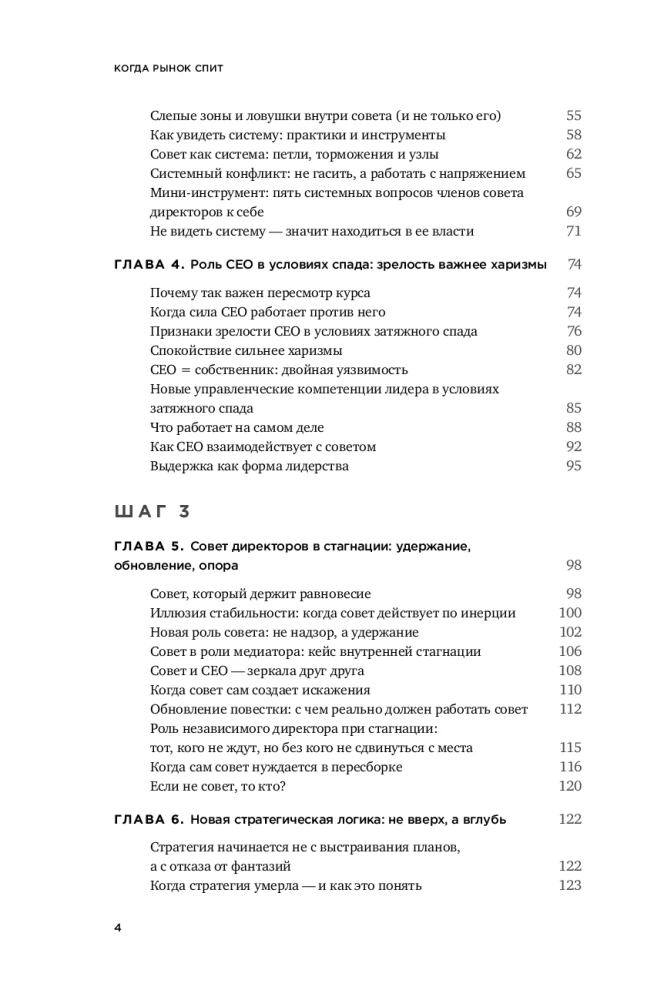
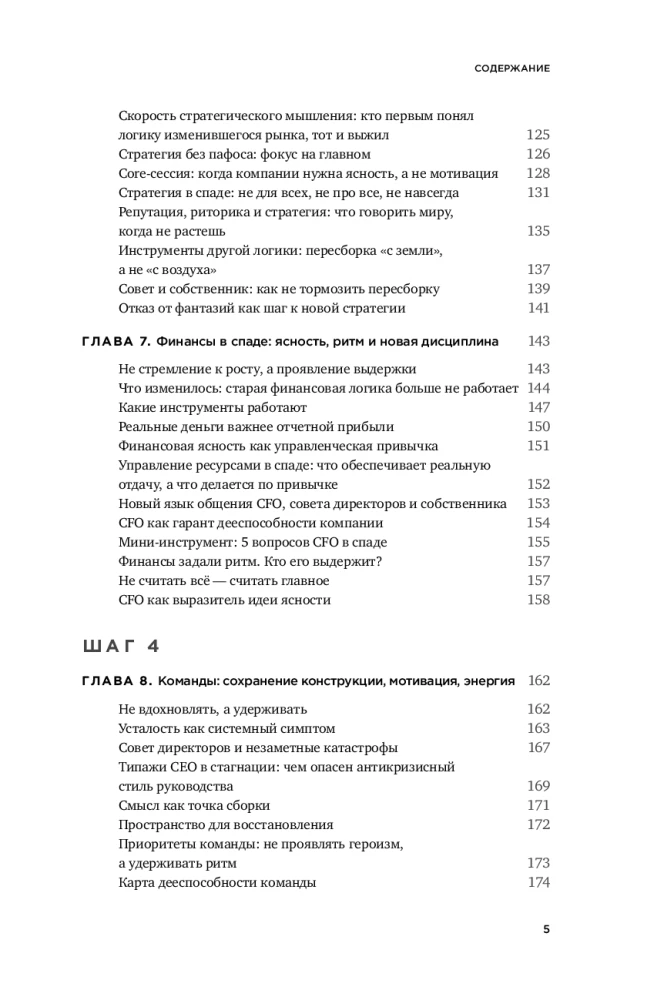
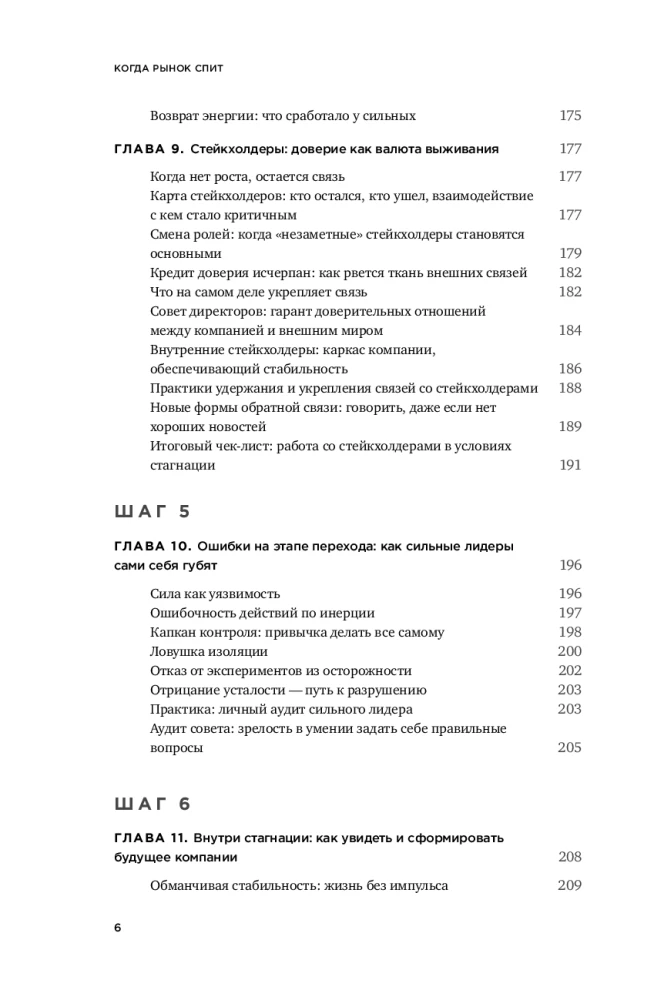
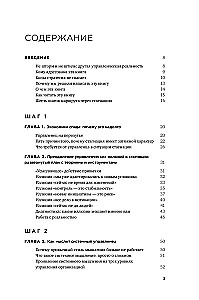
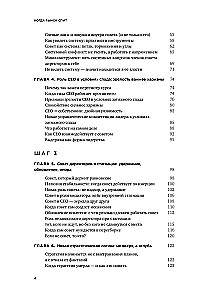
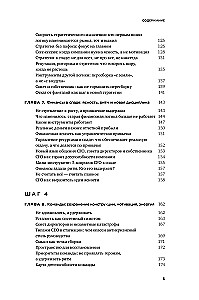
At the core of the book is a step-by-step methodology consisting of six stages — from realizing the new reality to reassembling the management system. Yulia Lahmotkina and Mary Gukasyan debunk typical management illusions like 'We have already adapted', 'Now is not the time for changes', or 'It's all about motivating people' — and show how exactly these misconceptions exacerbate stagnation. Special attention is paid to systemic thinking — the ability to see hidden connections between decisions and results, feedback loops of problems, and points of influence on the system.
Reading the book will likely shift the focus from achieving ambitious goals to maintaining the viability of the company. The reader will learn why, in stagnation, the maturity of a leader is more important than charisma, how team fatigue becomes a systemic signal of problems, and why trust becomes the main currency of survival. All recommendations are based on real experience