

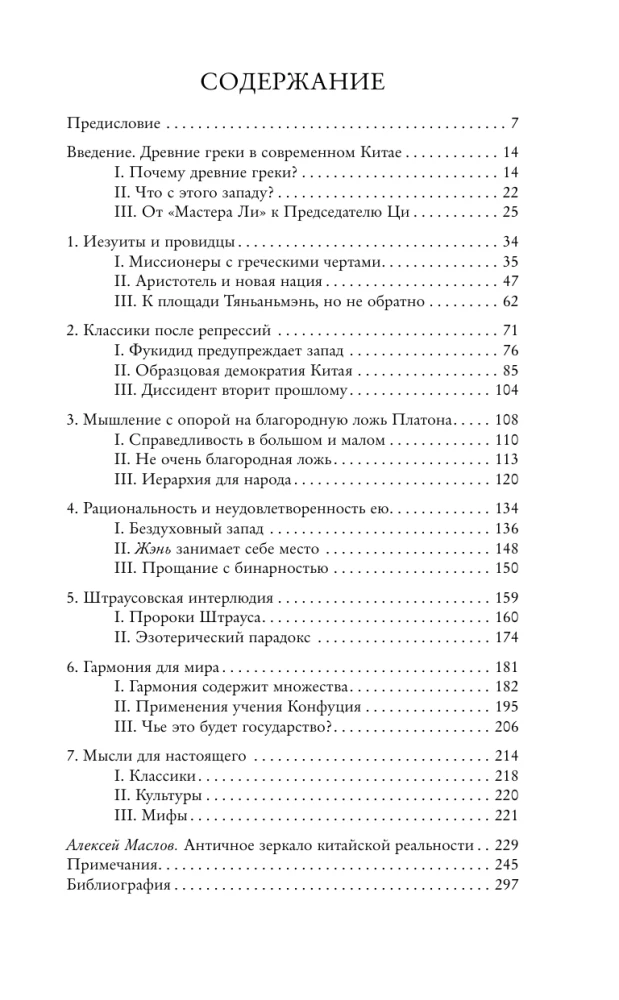
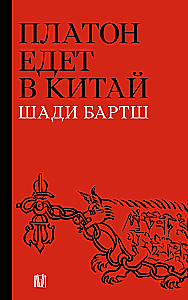

Plato Goes to China
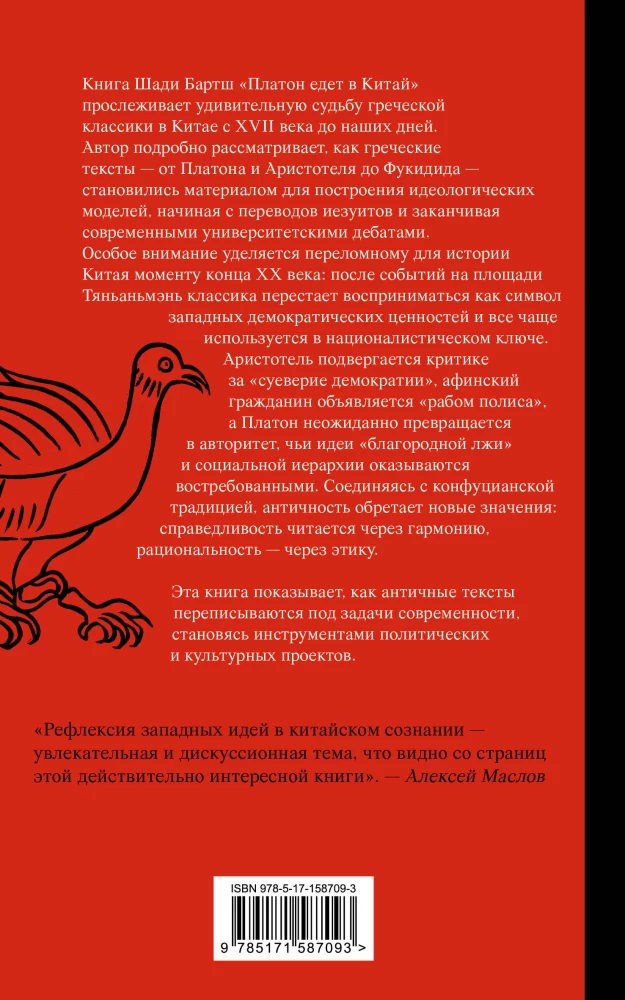
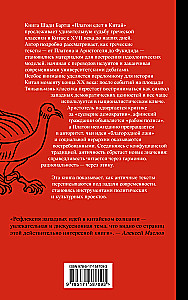
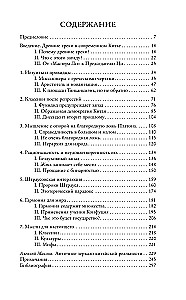
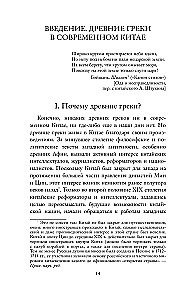
The book by Shadi Bartsch "Plato Goes to China" traces the remarkable fate of Greek classics in China from the 17th century to the present day. The author examines in detail how Greek texts—from Plato and Aristotle to Thucydides—became material...
for constructing ideological models, starting with Jesuit translations and ending with contemporary university debates.
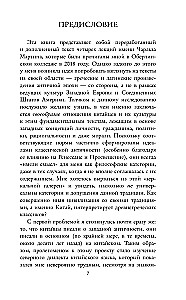
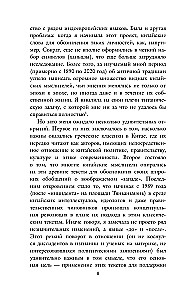
Particular attention is given to a turning point in the history of China at the end of the 20th century: after the events in Tiananmen Square, the classics cease to be perceived as symbols of Western democratic values and are increasingly used in a nationalist context. Aristotle is criticized for the "superstition of democracy," the Athenian citizen is declared a "slave of the polis," and Plato unexpectedly becomes an authority whose ideas of "noble lies" and social hierarchy find demand. Combined with the Confucian tradition, antiquity acquires new meanings: justice is interpreted through harmony, and rationality through ethics.
This book shows how ancient texts are rewritten for the tasks of modernity, becoming tools for political and cultural projects.
Particular attention is given to a turning point in the history of China at the end of the 20th century: after the events in Tiananmen Square, the classics cease to be perceived as symbols of Western democratic values and are increasingly used in a nationalist context. Aristotle is criticized for the "superstition of democracy," the Athenian citizen is declared a "slave of the polis," and Plato unexpectedly becomes an authority whose ideas of "noble lies" and social hierarchy find demand. Combined with the Confucian tradition, antiquity acquires new meanings: justice is interpreted through harmony, and rationality through ethics.
This book shows how ancient texts are rewritten for the tasks of modernity, becoming tools for political and cultural projects.
Author: Шади Бартш
Printhouse: AST
Series: The Word of Modern Philosophy
Age restrictions: 16+
Year of publication: 2025
ISBN: 9785171587093
Number of pages: 352
Size: 200x126x17 mm
Cover type: мягкая
Weight: 312 g
ID: 1722825
Available from suppliers
Expected delivery time – up to 2 weeks
€ 11.89
Available from suppliers
Expected delivery time – up to 2 weeks
€ 11.89
Bestsellers







€ 7.89
In stock
Choice. On the Freedom and Inner Strength of a Person
Эдит Ева Эгер, Эсме Швалль-Вейганд




€ 6.99
In stock




Publishers "AST" recommends









Bestseller
€ 9.99
In stock
Психология окружающего мира: Дуня и кот Кисель на конюшне
СУРКОВА Л.М., ТОЛКАЧЕВА О.А.