






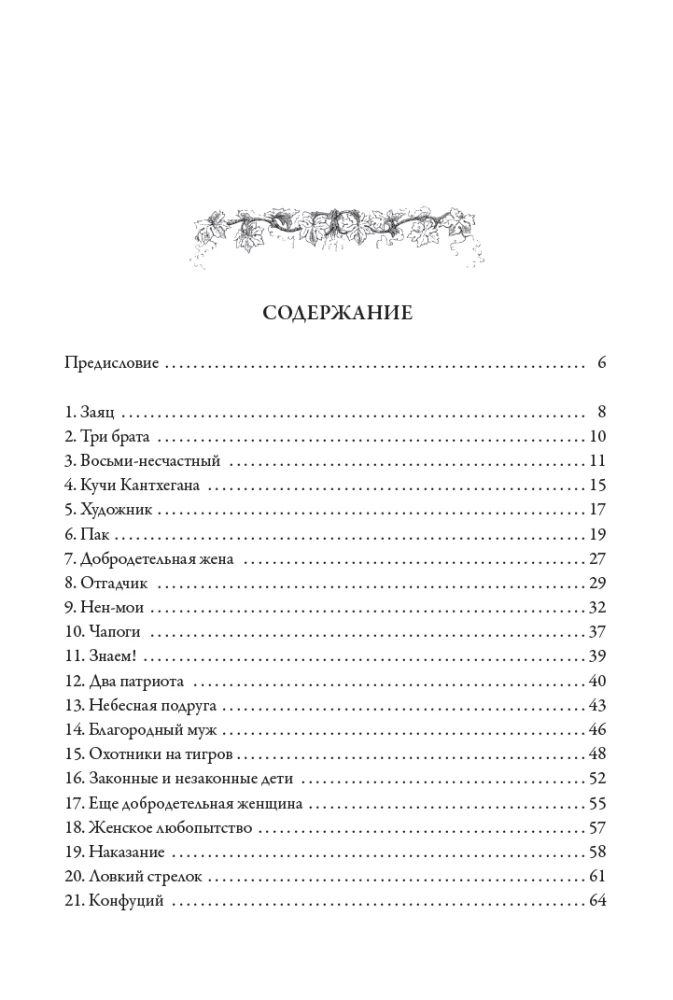
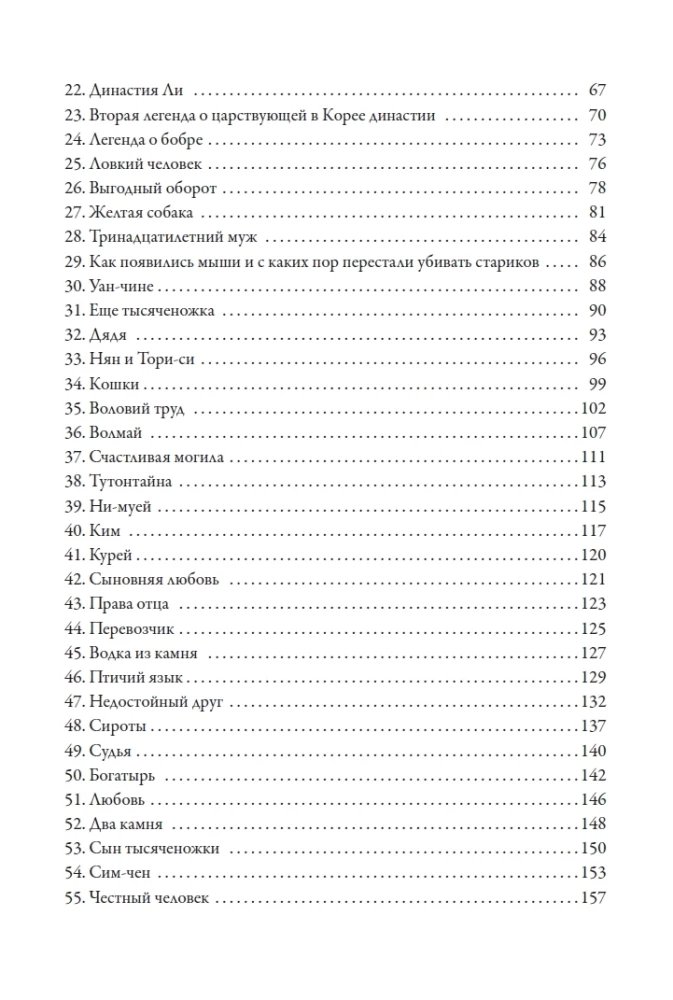
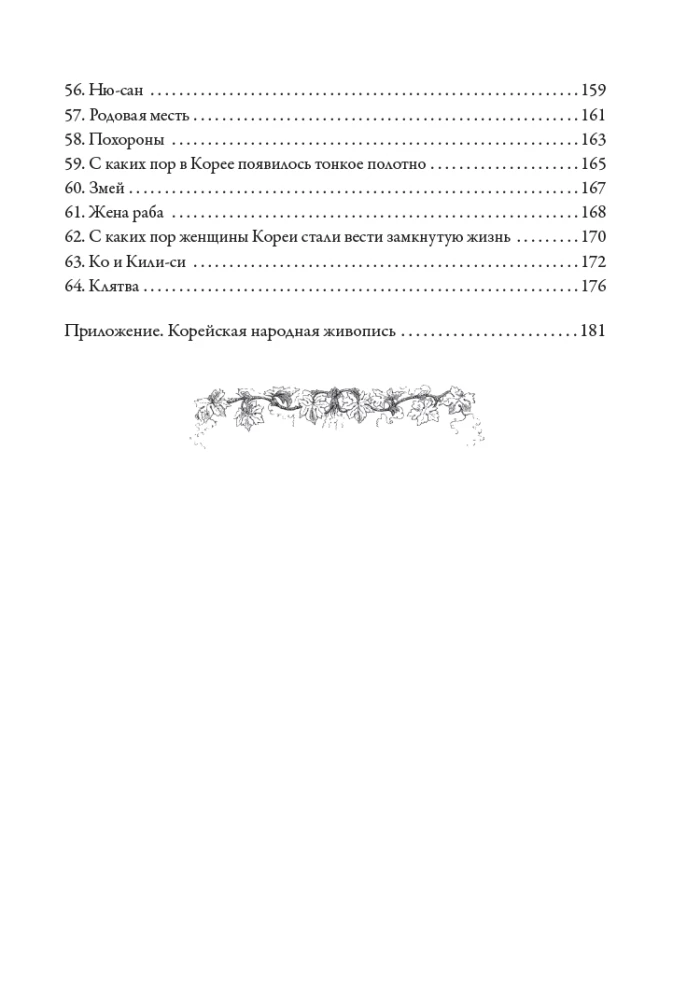











Korean Tales
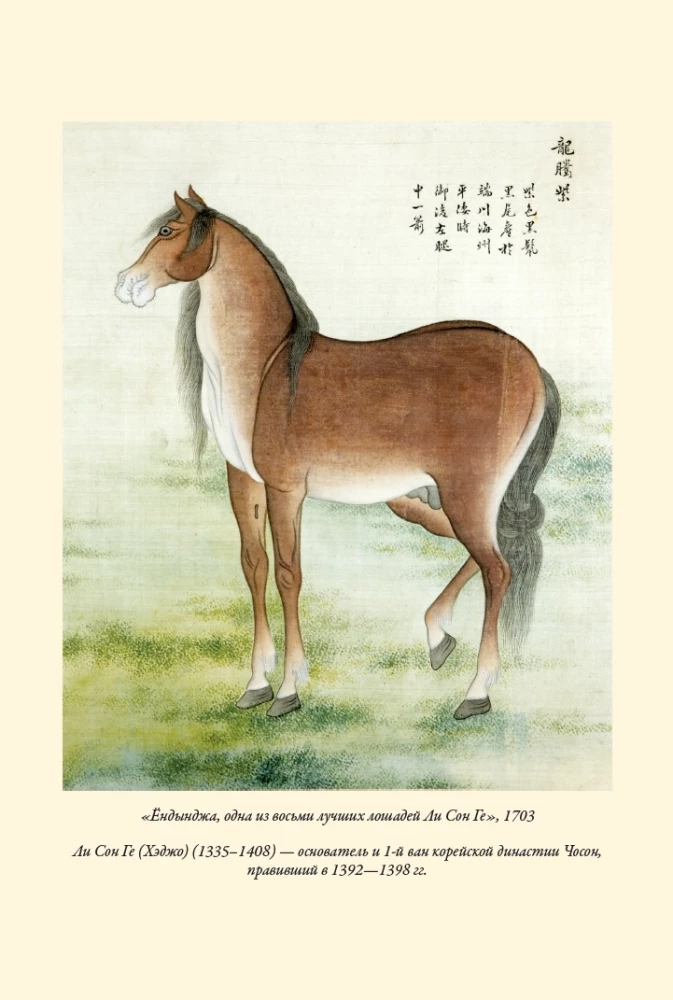
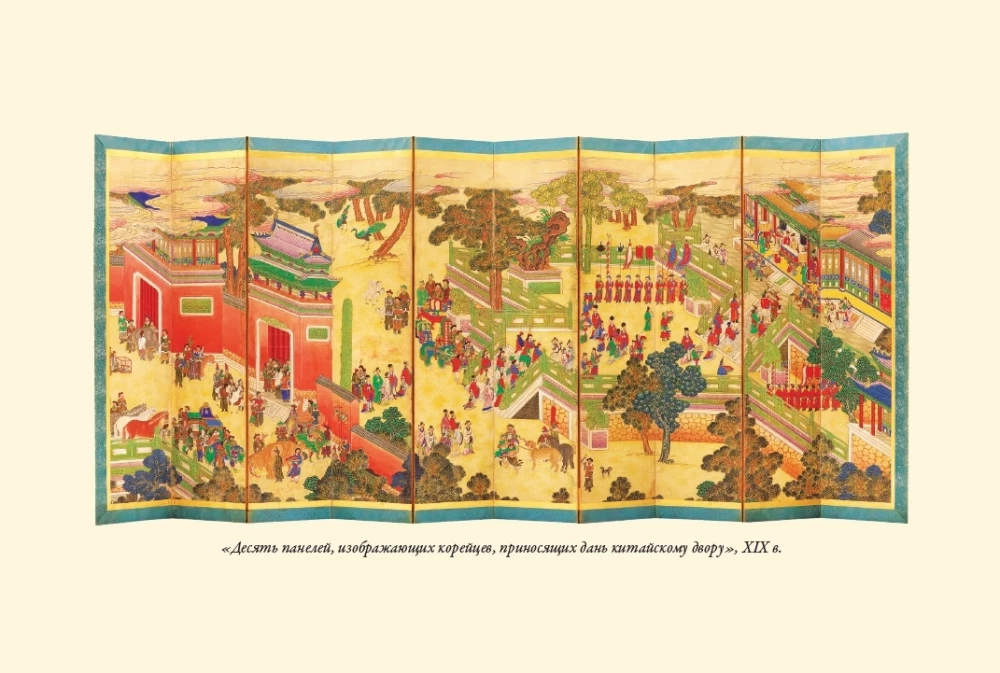
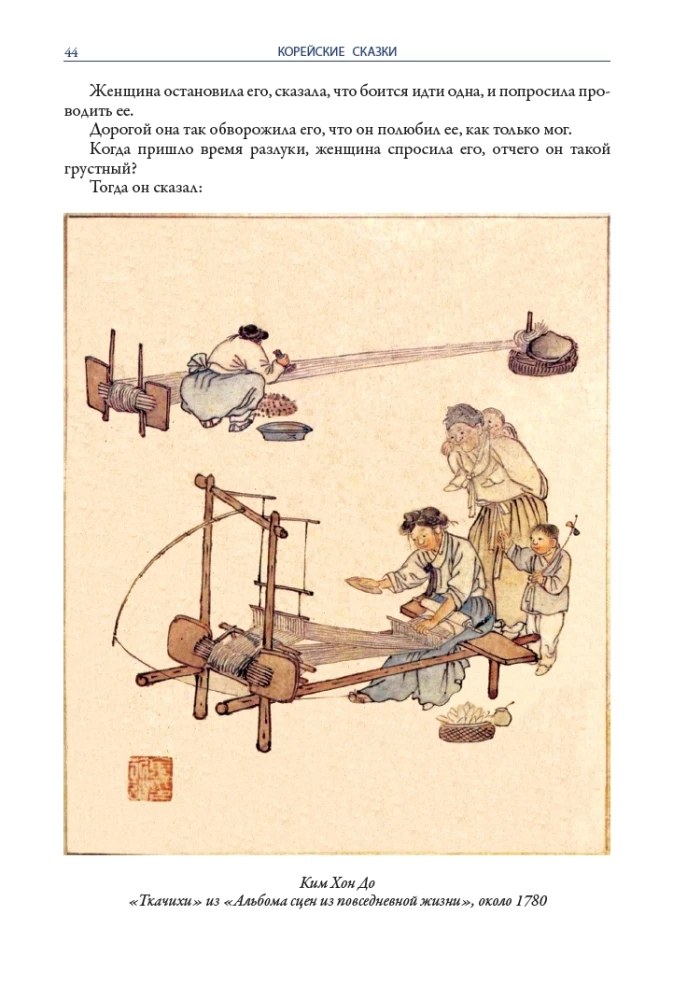
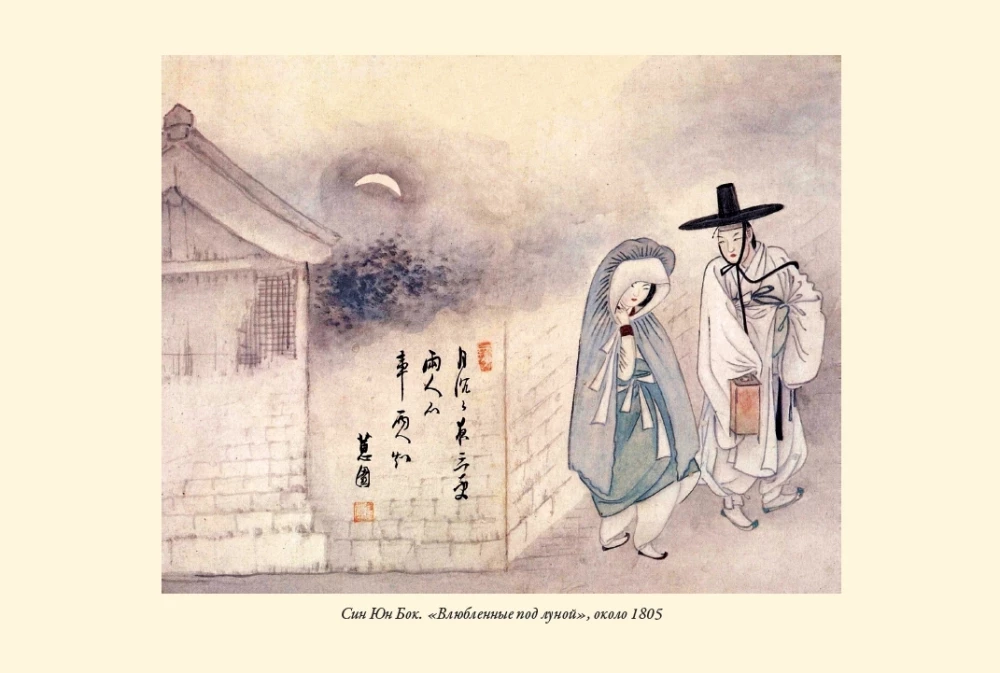
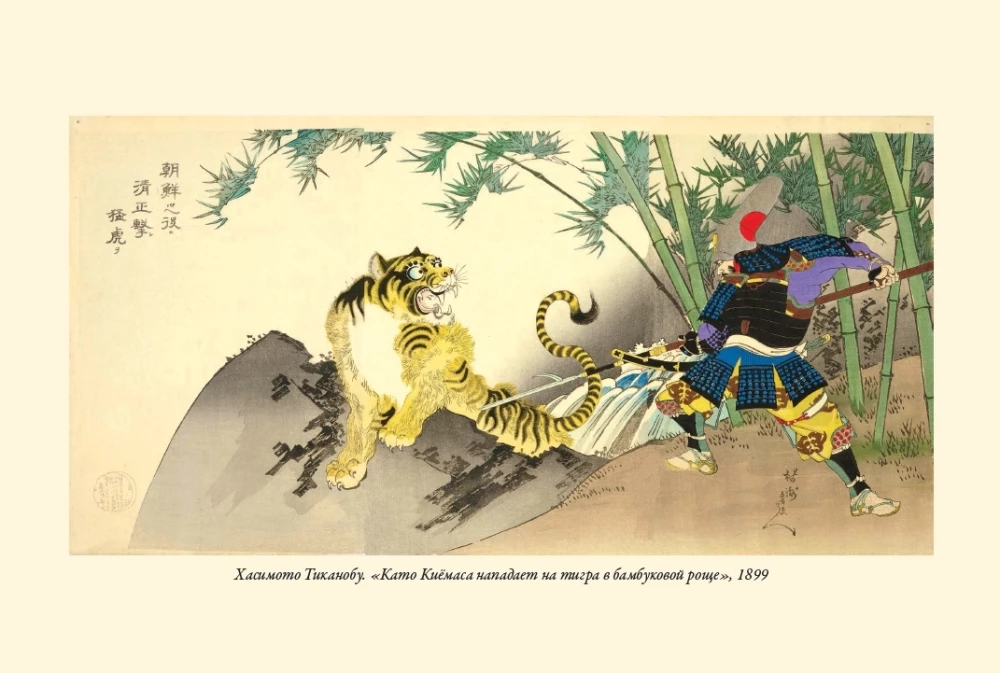
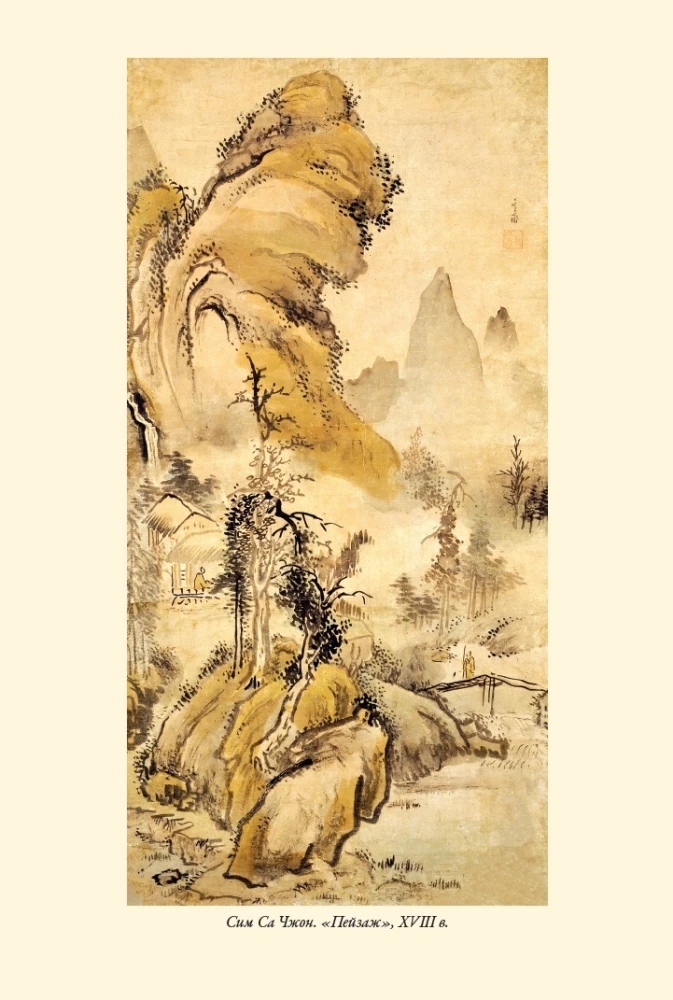
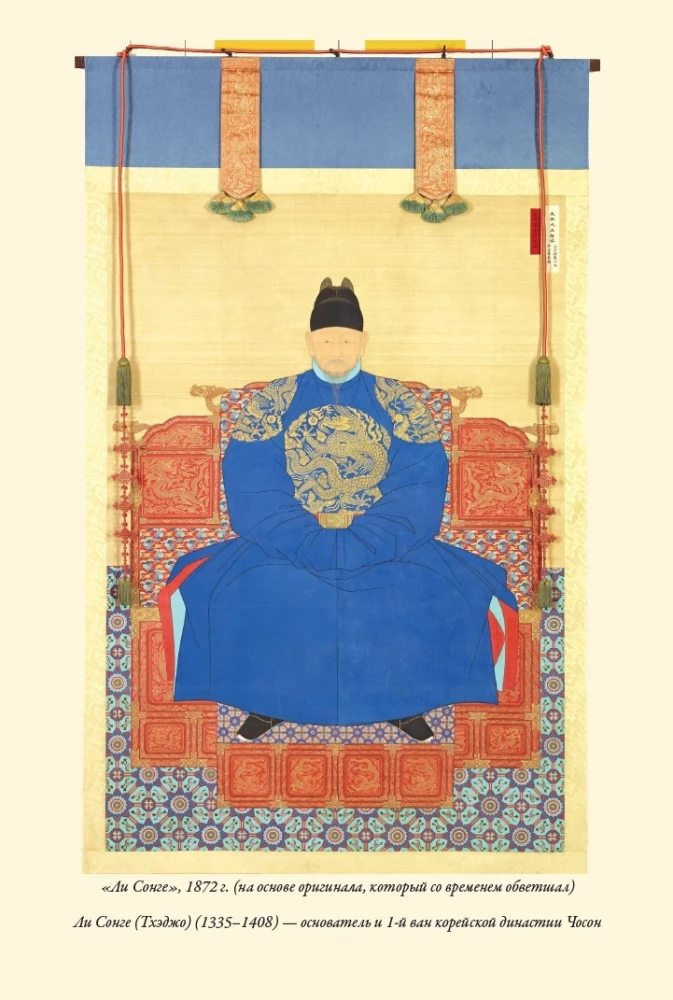
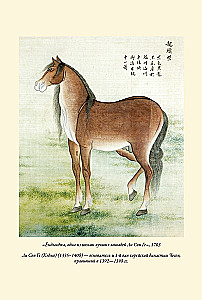
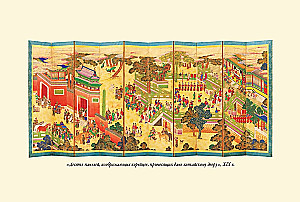
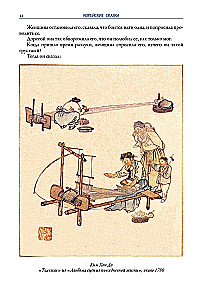
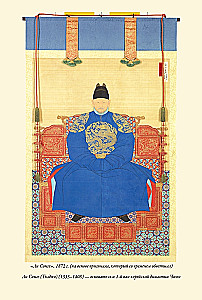
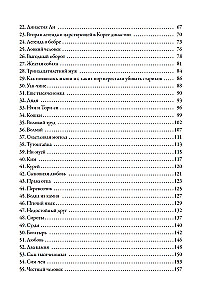
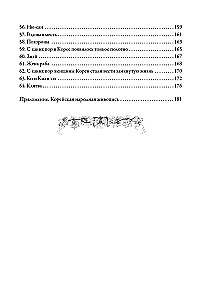
The book includes Korean tales, recorded in the autumn of 1898 by Russian engineer, traveler, and writer Nikolai Georgievich Garin-Mikhailovsky (1852–1906). The design features 97 works by Korean, Chinese, and Japanese artists, among whom are Byeong San Byeok (1726–1775), Kang...
Hi An (1417 or 1419 – 1464 or 1465), Katsushika Hokusai (1760–1849), Kim Dok Son (1729–1797), Kim Hong Do (1745–1806), Kim Yun Gyeom (1711–1775), Lee Jae-gwan (1783–1837), Nam Gye U (1811–1888), Sim Sa Jeong (1707–1769), Shin Yun Bok (1758 – after 1813), Hashimoto Takanobu (1838–1912), Chang Seung Up (1843–1897), Jeong Hwan (1735–1800), Jeong Seong (1676–1759), Jeong Hong Rae (1720–?), Jeong Yun Hong (1797–1859), Chen Rong (around 1200–1266), Yun Du So (1668-1715), Yang Ki Hun (1843–1919?) and others, including unknown artists.
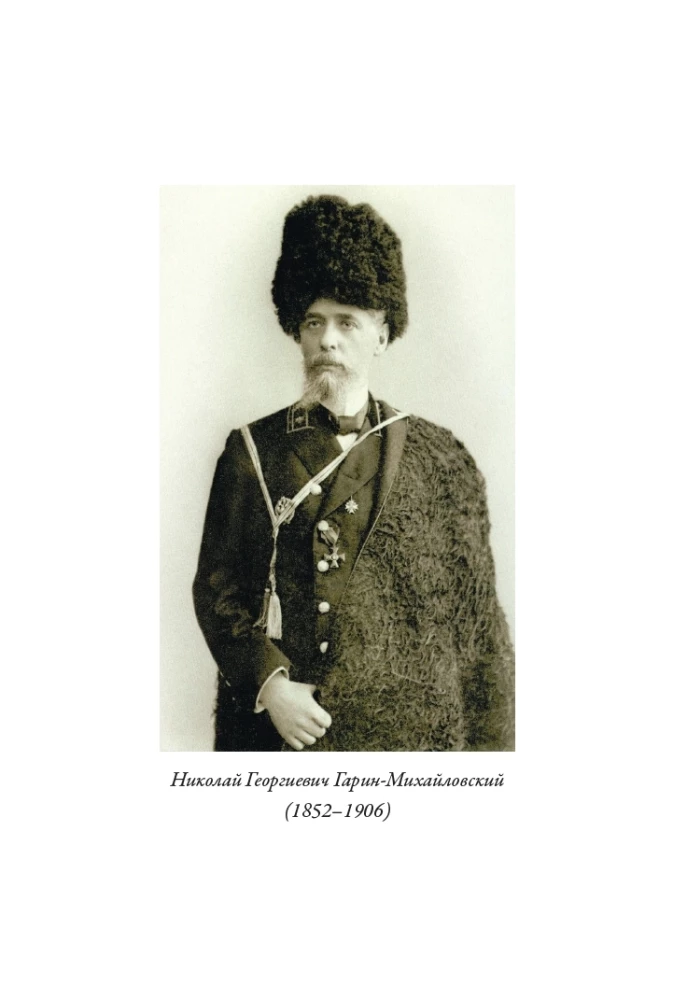
Nikolai Georgievich Mikhailovsky (1852–1906) was not a professional writer—the main focus of his activity was associated with the Ministry of Transportation: he worked on the construction of the Dniester, Tiflis, Transcaucasian, West Siberian railways, and the Trans-Siberian Railway, consistently promoting the idea of building inexpensive narrow-gauge railways. Most of his literary works were published under the pseudonym N. Garin (hence his double surname).
Nikolai Georgievich Mikhailovsky (1852–1906) was not a professional writer—the main focus of his activity was associated with the Ministry of Transportation: he worked on the construction of the Dniester, Tiflis, Transcaucasian, West Siberian railways, and the Trans-Siberian Railway, consistently promoting the idea of building inexpensive narrow-gauge railways. Most of his literary works were published under the pseudonym N. Garin (hence his double surname).
Author: Николай Гарин-Михайловский
Printhouse: SZKEO
Age restrictions: 10+
Year of publication: 2025
ISBN: 9785960312905
Number of pages: 192
Size: 240х170х30 mm
Cover type: hard
Weight: 630 g
ID: 1720625
In stock
€ 15.19
Will be delivered to United States on :
Unfortunately, we are currently unable to deliver orders to your region.
In stock
€ 15.19
Will be delivered to United States on :
Unfortunately, we are currently unable to deliver orders to your region.
Bestsellers







€ 9.89
In stock