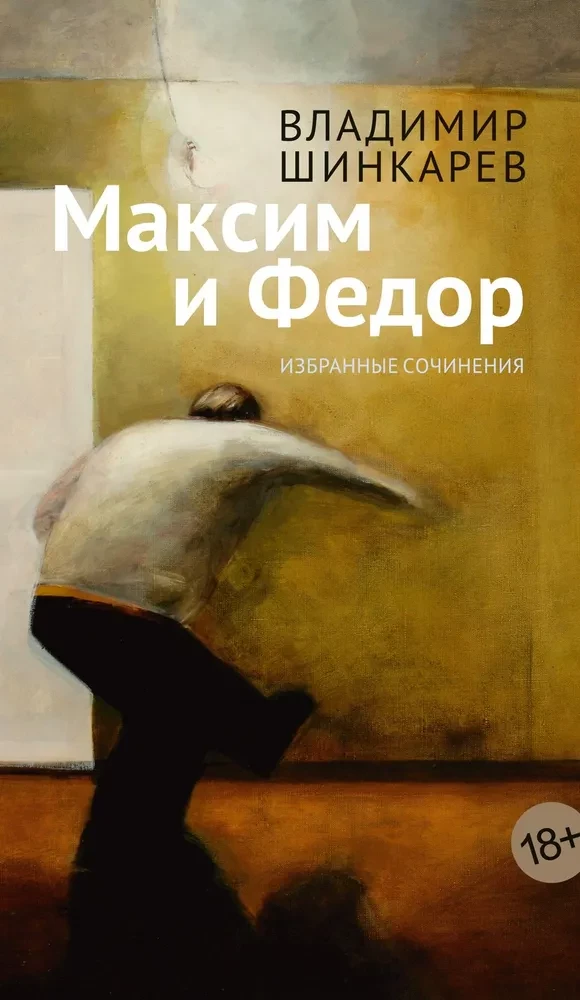
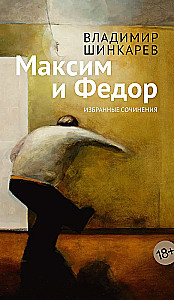
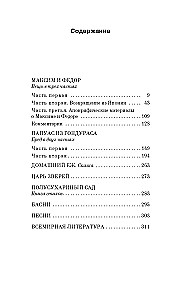
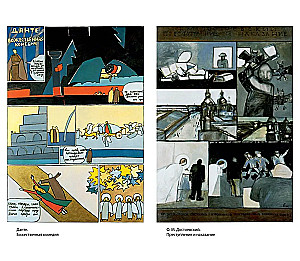
Maxim and Fedor
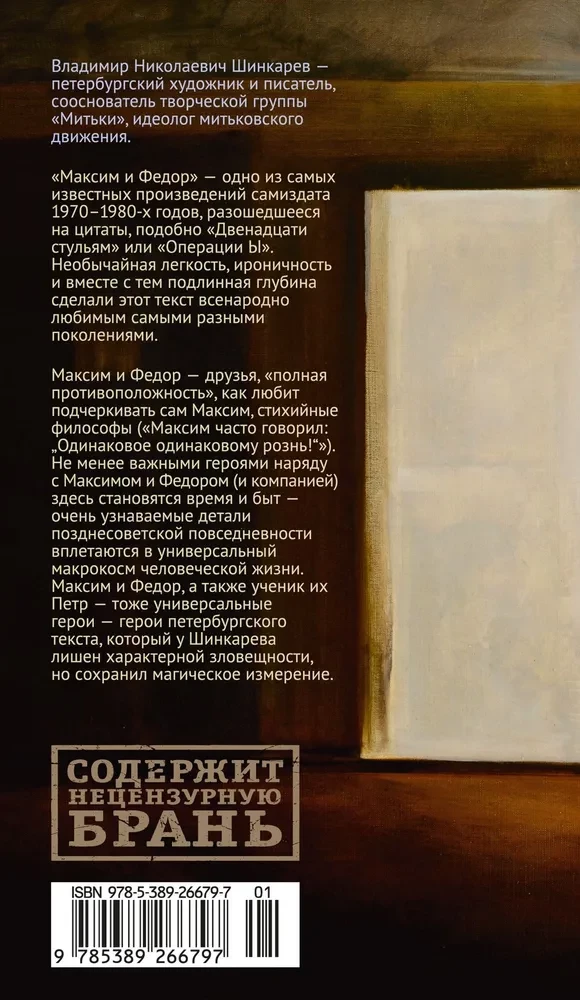
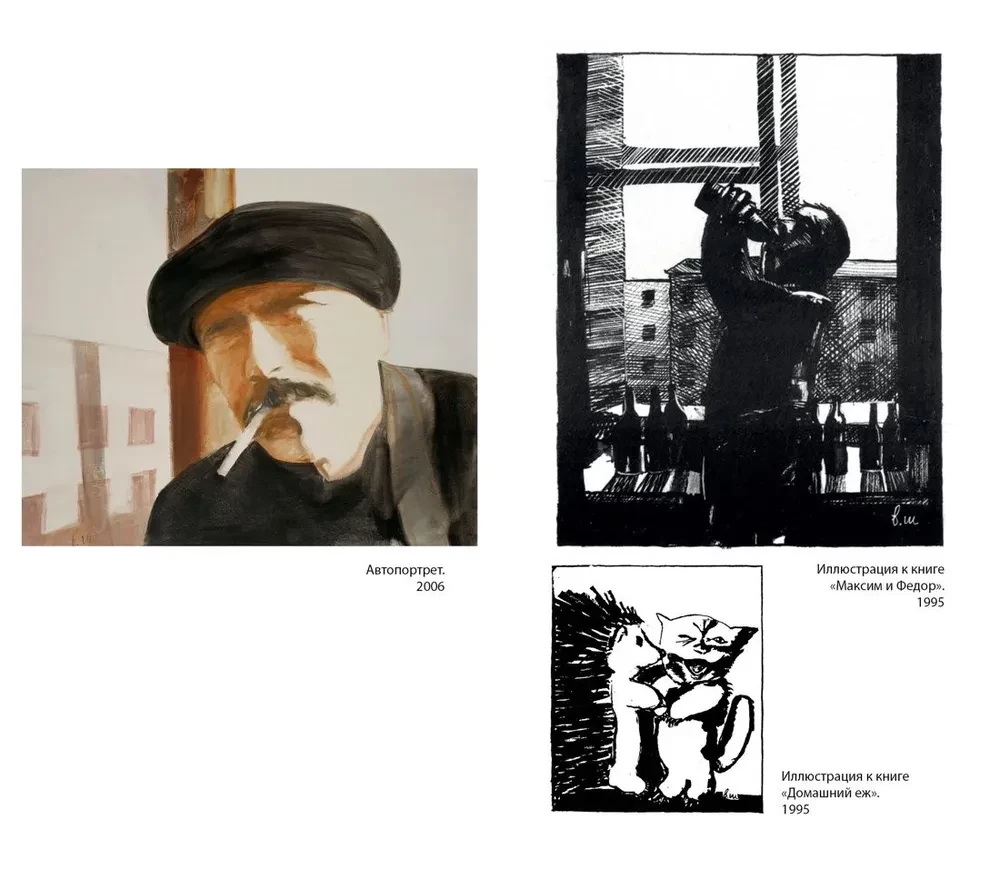
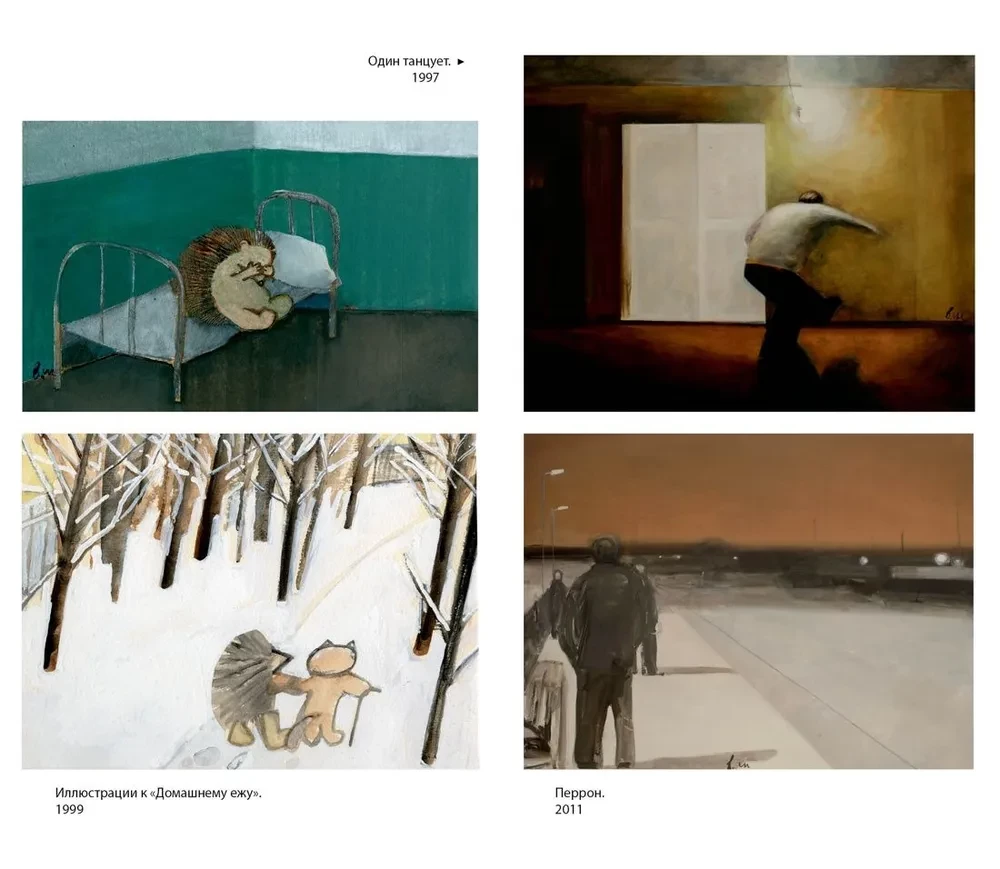
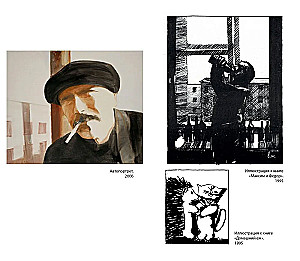
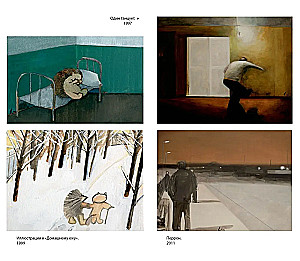
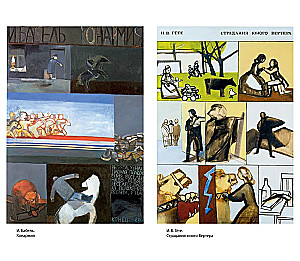
Vladimir Nikolayevich Shinkarev is a Petersburg artist and writer, co-founder of the creative group "Mitki", and the ideologist of the Mitki movement. "Maxim and Fedor" is one of the most famous works of samizdat from the 1970s and 1980s, widely...
quoted, similar to "The Twelve Chairs" or "Operation Y". The extraordinary lightness, irony, and at the same time genuine depth have made this text beloved by various generations. Maxim and Fedor are friends, "complete opposites," as Maxim likes to emphasize, spontaneous philosophers ("Maxim often said: 'The same is different from the same!' "). No less important alongside Maxim and Fedor (and their company) are time and everyday life — very recognizable details of late Soviet daily life are woven into the universal macrocosm of human life. Maxim and Fedor, as well as their student Peter, are also universal heroes — characters of Petersburg text, which in Shinkarev is devoid of characteristic ominousness but retains a magical dimension. They explore Zen Buddhism and, if the rumors are to be believed, undertake a journey to Japan; they prefer port wine to vermouth and, overcoming all conceivable and inconceivable difficulties, finally reach Tsarskoye Selo; they leisurely live their lives, finding charm in the most ordinary things, and this quality infects the reader.
Author: Владимир Шинкарев
Printhouse: Azbuka
Series: Alphabet. Voices
Age restrictions: 18+
Year of publication: 2025
ISBN: 9785389266797
Number of pages: 352
Size: 201x117x19 mm
Cover type: soft
Weight: 327 g
ID: 1699366
In stock
€ 10.99
Will be delivered to United States on 25 September (Fr):
By courier
from € 38.94
Bestsellers




Bestseller
€ 12.19
In stock
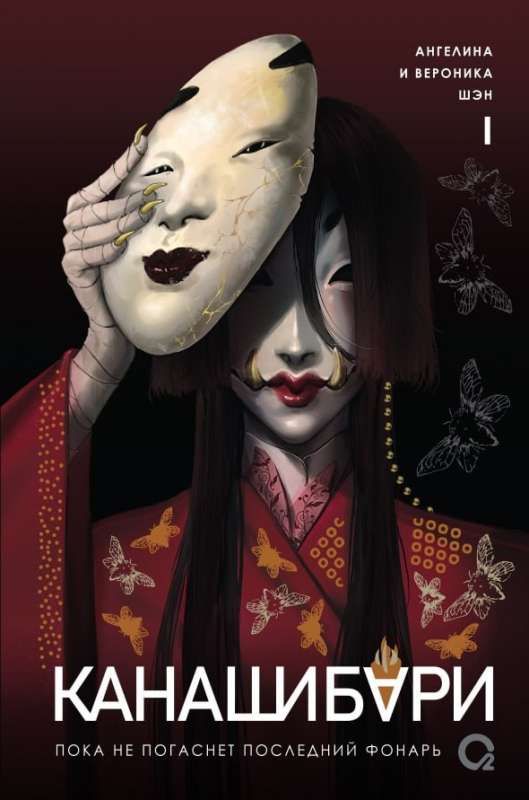
Kanashibari. Until the Last Lantern Goes Out. Volume 1
Ангелина Шэн, Вероника Шэн