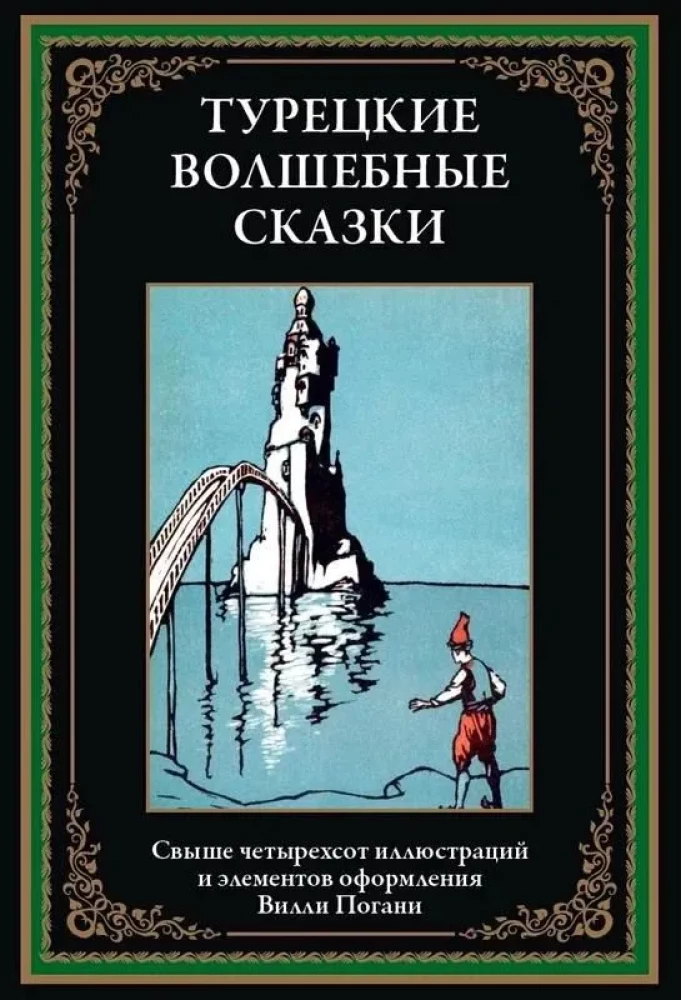
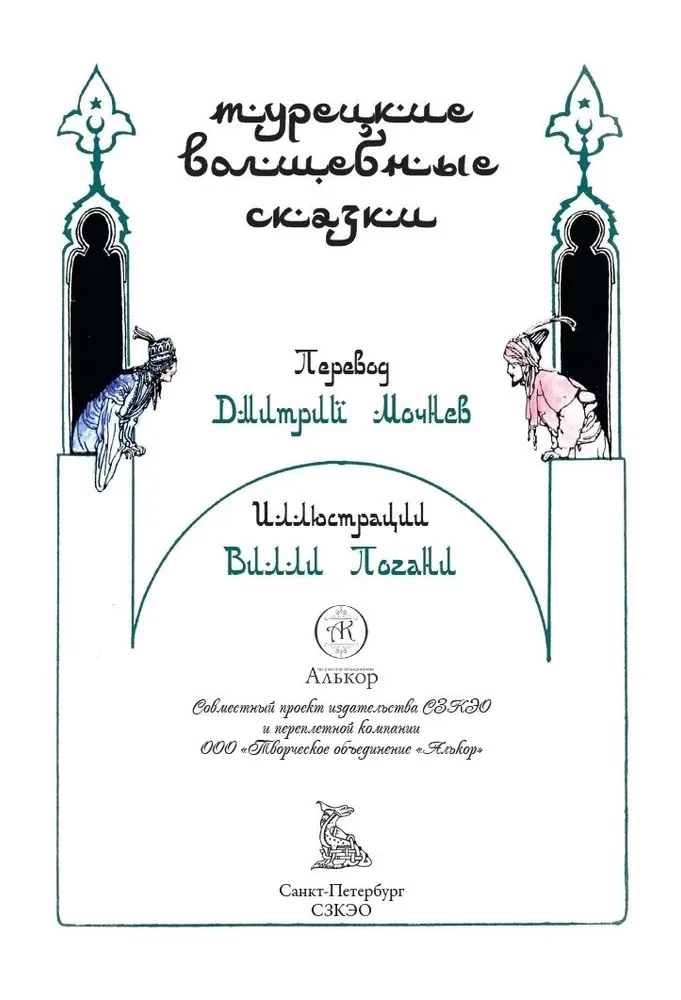
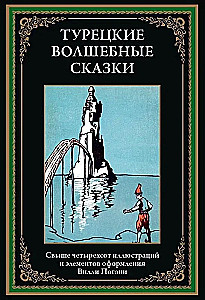
Turkish Magic Fairy Tales
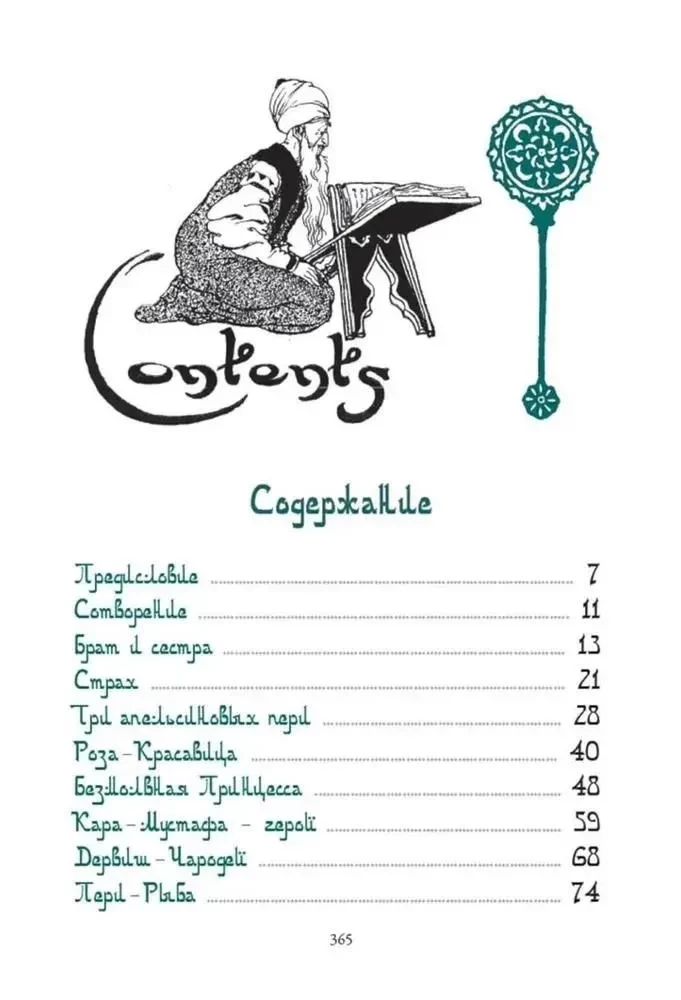
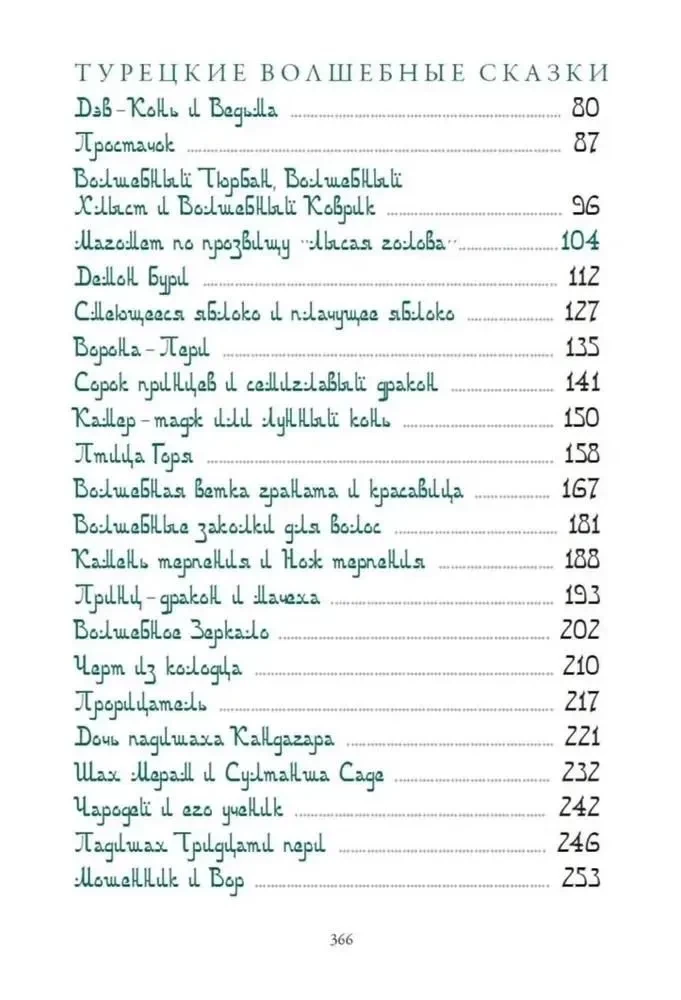
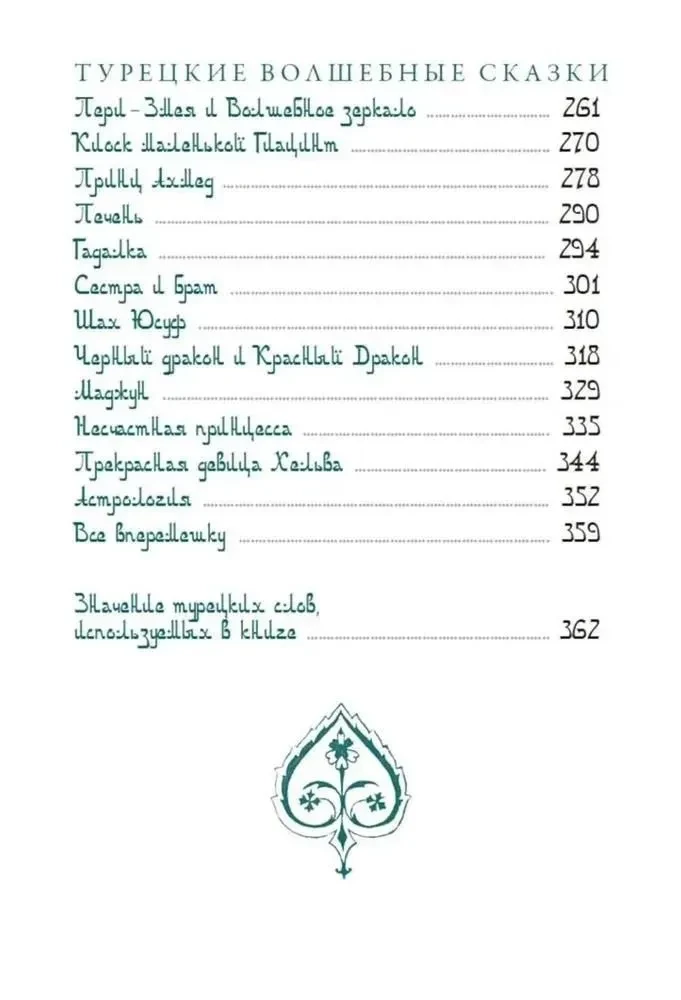
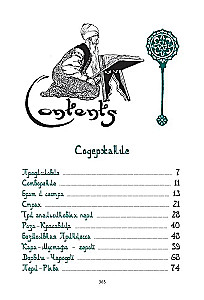
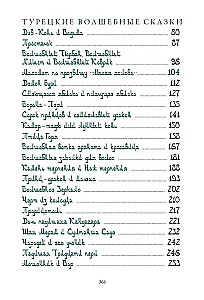
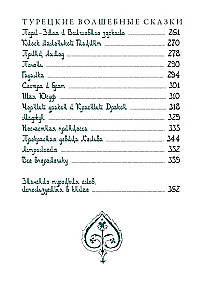
Magic fairy tales have long attracted the attention of people: who wouldn't want to listen to dangerous adventures, brave heroes, unknown creatures, and mysterious spells? Forty-four Turkish fairy tales from this collection will open the doors for readers into the...
world of sultans and princesses, demons and witches, genies and dragons. These tales were collected and literary processed by Ignatius Kunosh (1860–1945) — a Hungarian folklorist, Oriental scholar, corresponding member of the Hungarian Academy of Sciences, and privat-docent of the Turkish language. Kunosh traveled extensively through the lands of the Ottoman Empire, recording tales that were previously passed down orally. In these texts, the colorfulness of Turkish folklore is combined with the European fairy tale tradition, reminiscent of the stories of the Brothers Grimm. The collection of Ottoman-Turkish fairy tales edited by Kunosh was first published in Hungarian in Budapest in 1887; in 1901, these fairy tales were illustrated by Hungarian artist Willy Pogany (1882–1955).
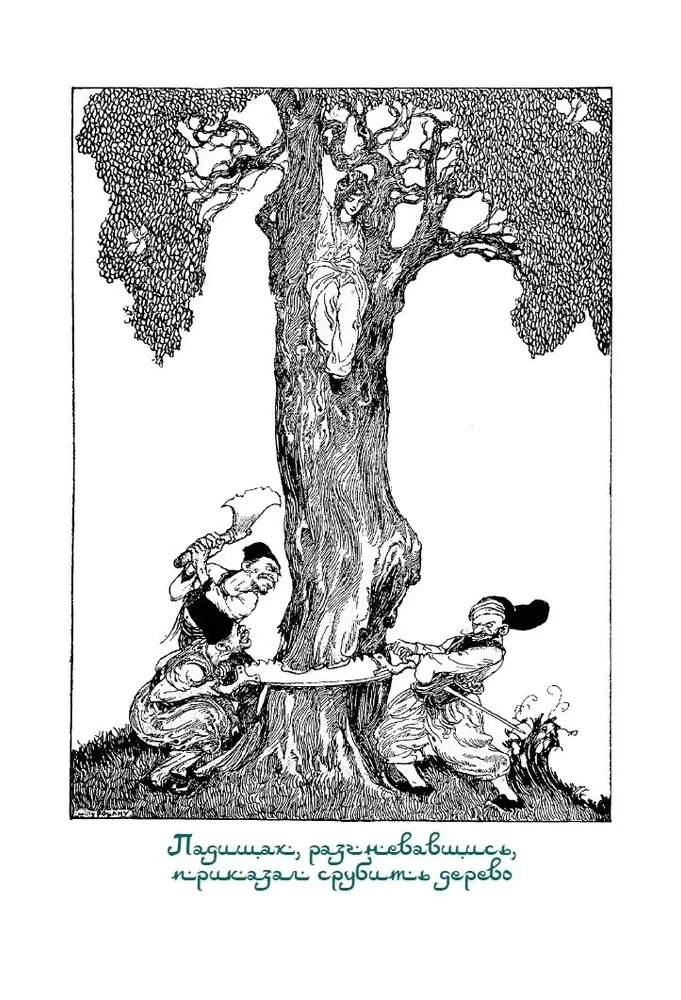
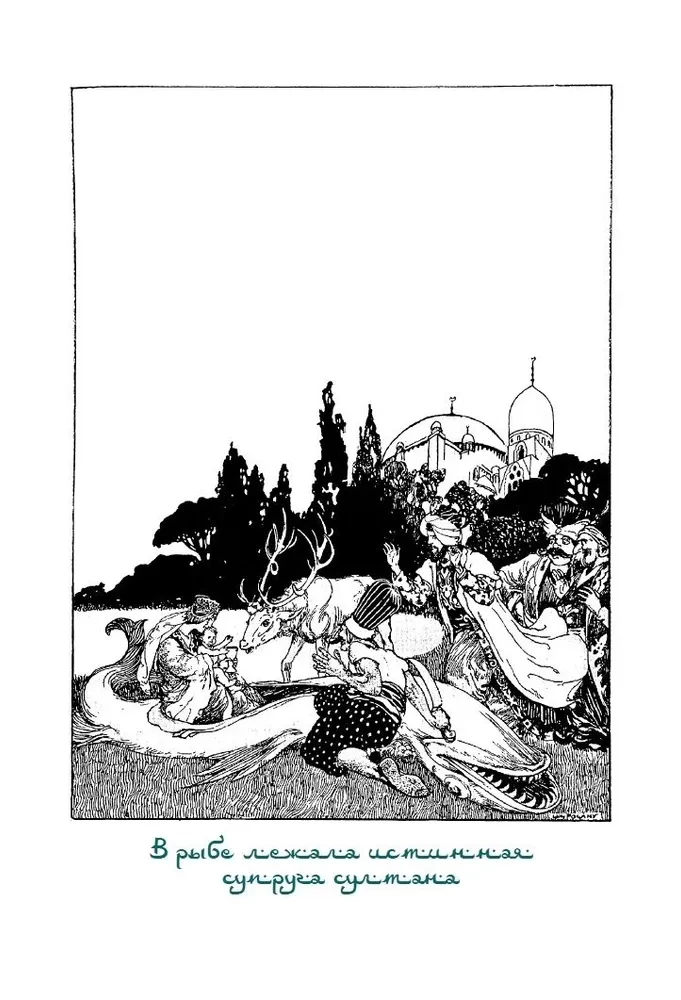
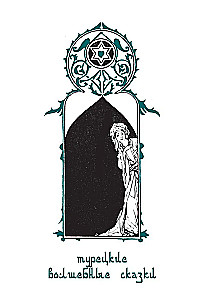
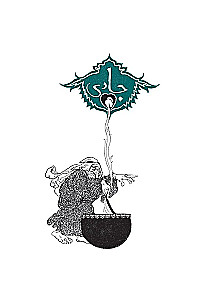
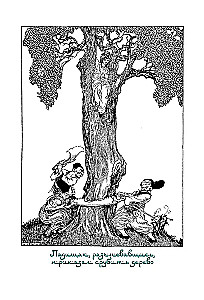
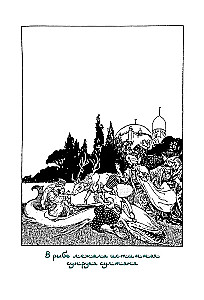
Willy Pogany (William Andrew Pogany) was born in the city of Szeged in Austria-Hungary and was known as a book illustrator, primarily specializing in children's books. Pogany's works are classified within the Art Nouveau style: they are dynamic, elegant, and full of details. One aspect of his work is graphic illustrations for myths and fairy tales. Magical creatures are a frequent theme in the artist's works. His heroes are expressive, lively, and accurately reflect the characters of the fairy tales — beautiful princesses, wicked robbers, cunning witches, and fearsome demons. In total, the artist illustrated more than 150 books. In addition to book illustration, Pogany also engaged in painting, sculpture, and theater. In 1914, he moved to the United States, where he became interested in cinema.
Willy Pogany (William Andrew Pogany) was born in the city of Szeged in Austria-Hungary and was known as a book illustrator, primarily specializing in children's books. Pogany's works are classified within the Art Nouveau style: they are dynamic, elegant, and full of details. One aspect of his work is graphic illustrations for myths and fairy tales. Magical creatures are a frequent theme in the artist's works. His heroes are expressive, lively, and accurately reflect the characters of the fairy tales — beautiful princesses, wicked robbers, cunning witches, and fearsome demons. In total, the artist illustrated more than 150 books. In addition to book illustration, Pogany also engaged in painting, sculpture, and theater. In 1914, he moved to the United States, where he became interested in cinema.
Author: Вилли Погани
Printhouse: SZKEO
Series: Library of World Literature
Year of publication: 2024
ISBN: 9785960310680
Number of pages: 368
Size: 240x170x30 mm
Cover type: hard
Weight: 1050 g
ID: 1690986
In stock
€ 17.99
Will be delivered to United States on 25 June (Th):
By courier
from € 38.94





-medium.webp)