
















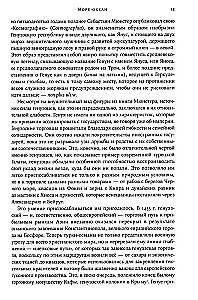

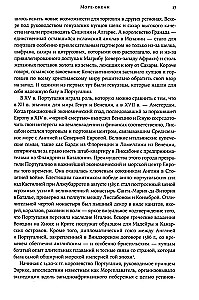

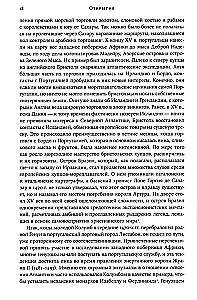
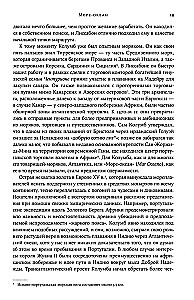
Conquistadors. A New History of the Discovery and Conquest of America
In the decades following Columbus's first expedition in 1492, Spain brought under its control the territory of a dozen modern states in America and conquered the two most powerful civilizations on the continent — the empires of the Aztecs and...
Incas. Hernán Cortés, Francisco Pizarro, and other conquistadors have firmly entered history as examples of arrogance towards foreign cultures, unbridled greed, and often irrational cruelty. While there was certainly a lot of such behavior in their actions, these first true European colonizers were driven by more than just that. They were carriers of the medieval culture of chivalric romances, held complex ideas about rights, allegiance, and limits of royal power, and would not have achieved their victories without the energetic support of many indigenous people. Mexican historian Fernando Cervantes, a direct descendant of one of the conquistadors, set out to discern this real context behind the clichés and myths surrounding Spanish colonization. Analyzing diaries, letters, chronicles, and the first human rights treaties in history, he sought to separate facts from self-promotion, the desire to slander competitors, and centuries of efforts by foreign — primarily Dutch and English — authors to present Spaniards in the most unfavorable light. This book challenges us to think about how history is written and sheds completely new light on the events that turned the personal union of small European monarchies into one of the greatest empires of all time.
Author: Фернандо Сервантес
Printhouse: Al'pina Pablisher
Age restrictions: 16+
Year of publication: 2024
ISBN: 9785001399186
Number of pages: 482
Size: 250х170х20 mm
Cover type: hard
Weight: 682 g
ID: 1678166
Available from suppliers
Estimated delivery time – up to 3 weeks
€ 14.79
Available from suppliers
Estimated delivery time – up to 3 weeks
€ 14.79
Bestsellers






€ 13.29
In stock
12 Weeks in a Year. How to Achieve More in 12 Weeks Than Others Do in 12 Months
Майкл Леннингтон, Брайан Моран




€ 7.89
In stock
Choice. On the Freedom and Inner Strength of a Person
Эдит Ева Эгер, Эсме Швалль-Вейганд



€ 6.99
In stock