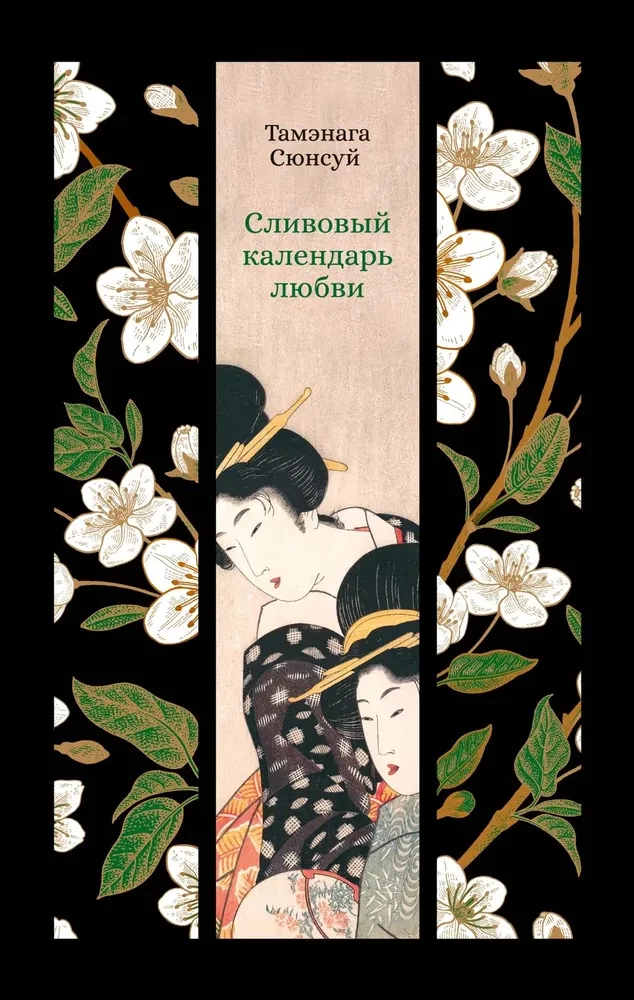
Plum Calendar of Love
"Plum Calendar of Love" is an outstanding work of traditional Japanese prose and one of the best examples in the genre of ninjōbon, "tales of feelings." Tamenaga Shunsui (the pen name of Japanese novelist Sasaki Sadataki) created twelve "scrolls" —...
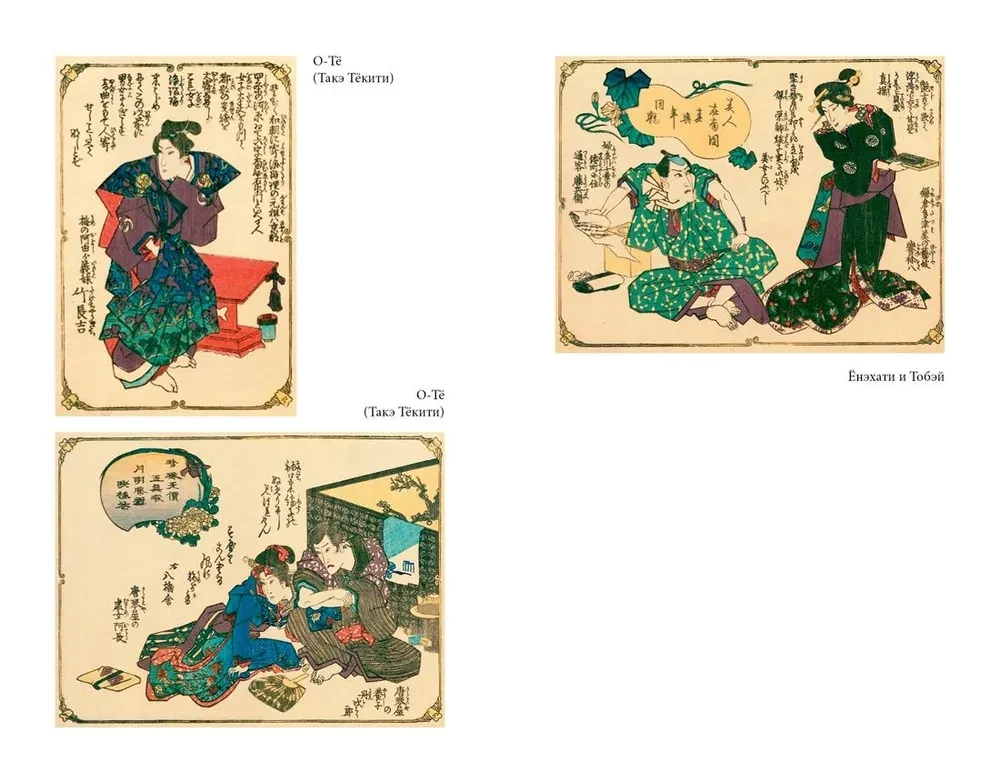
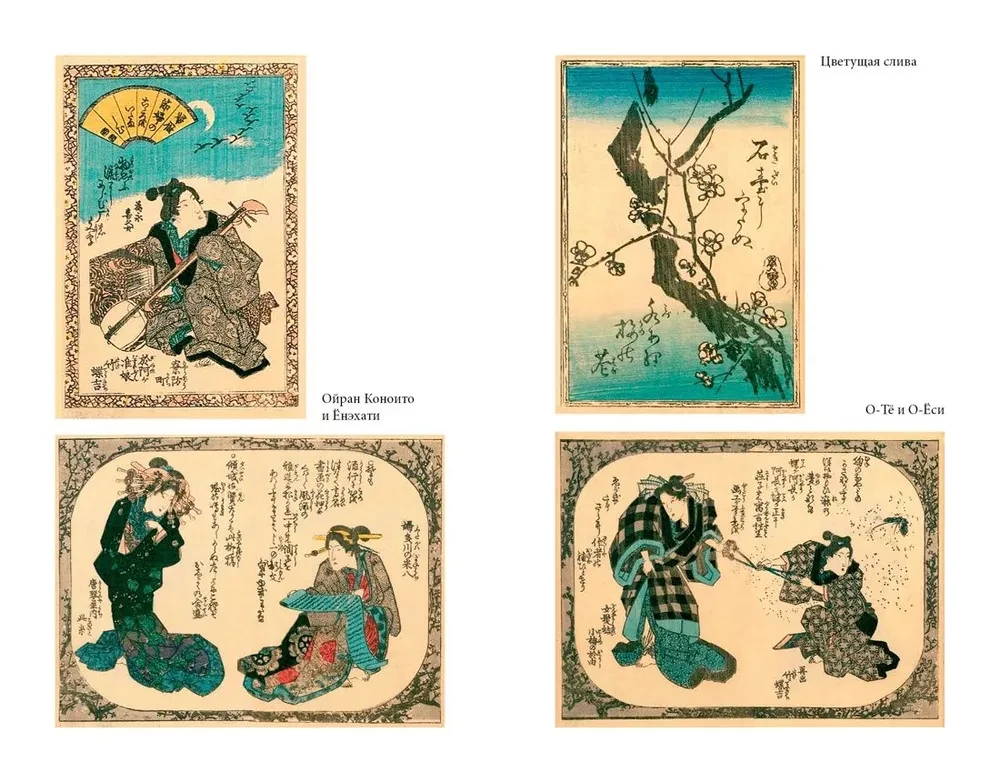
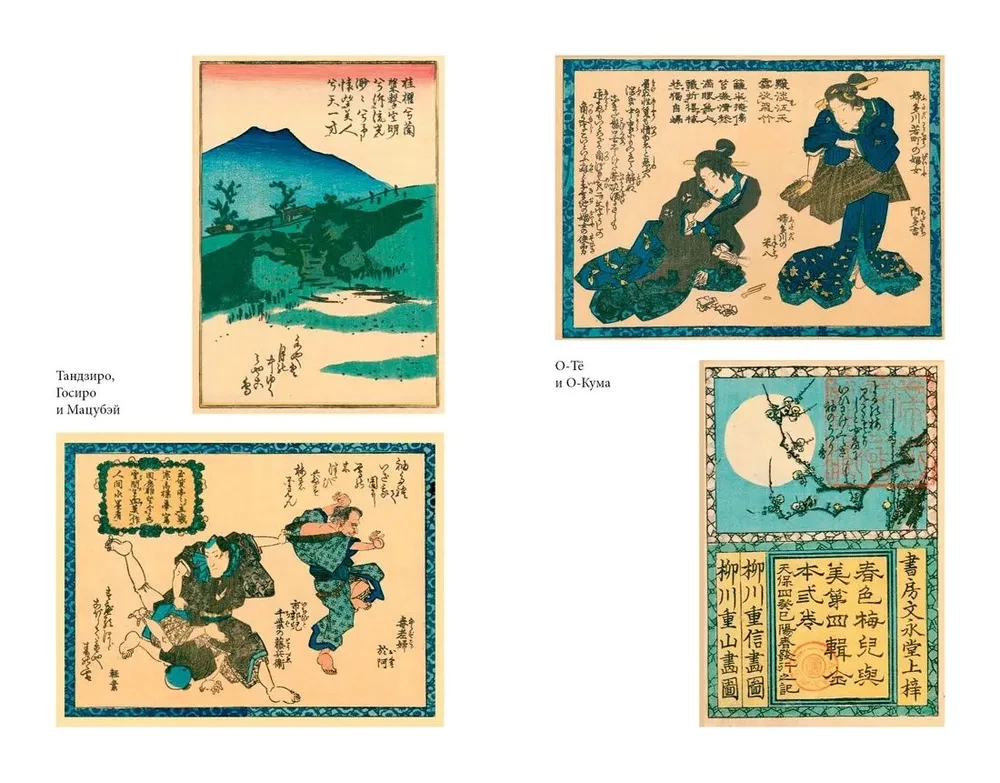
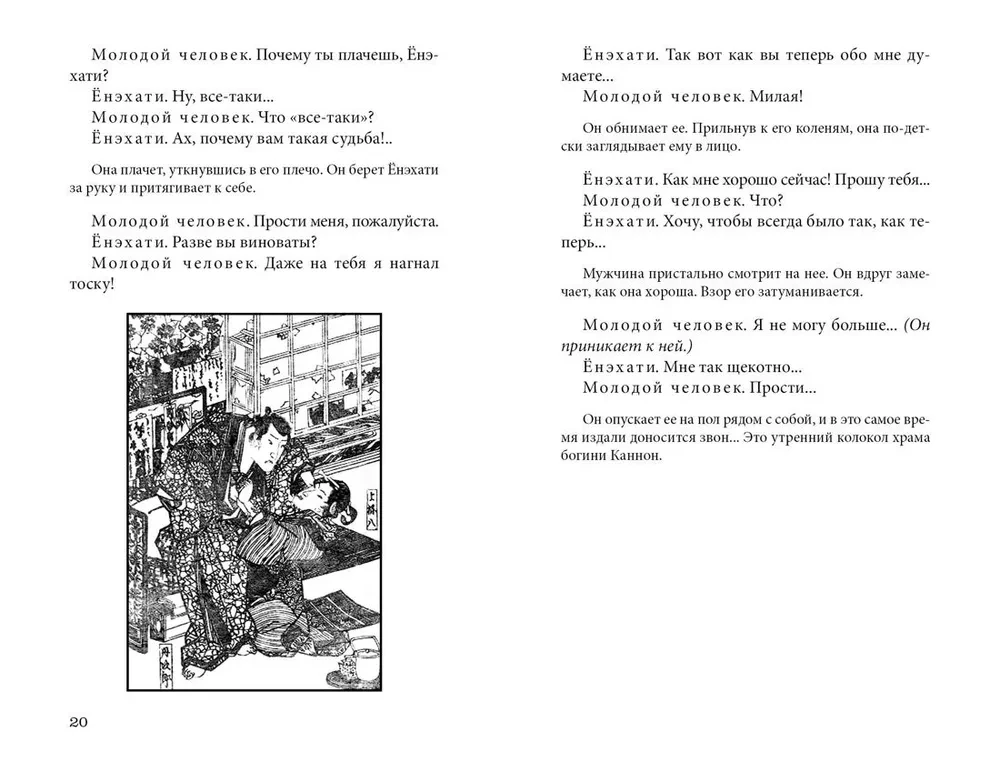
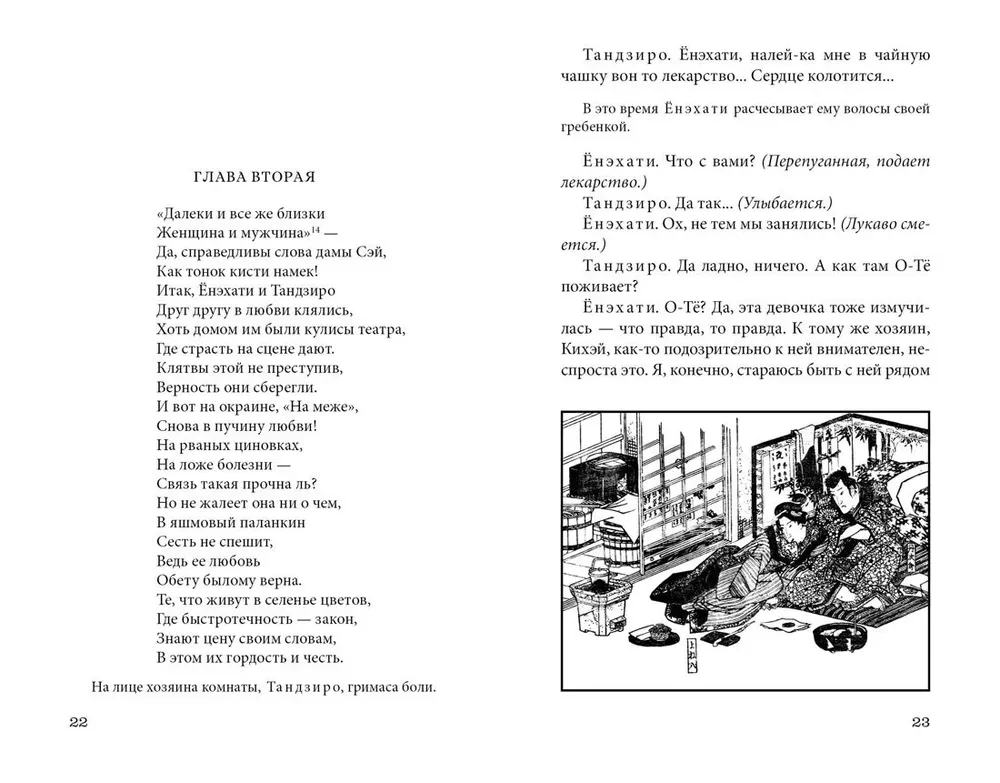
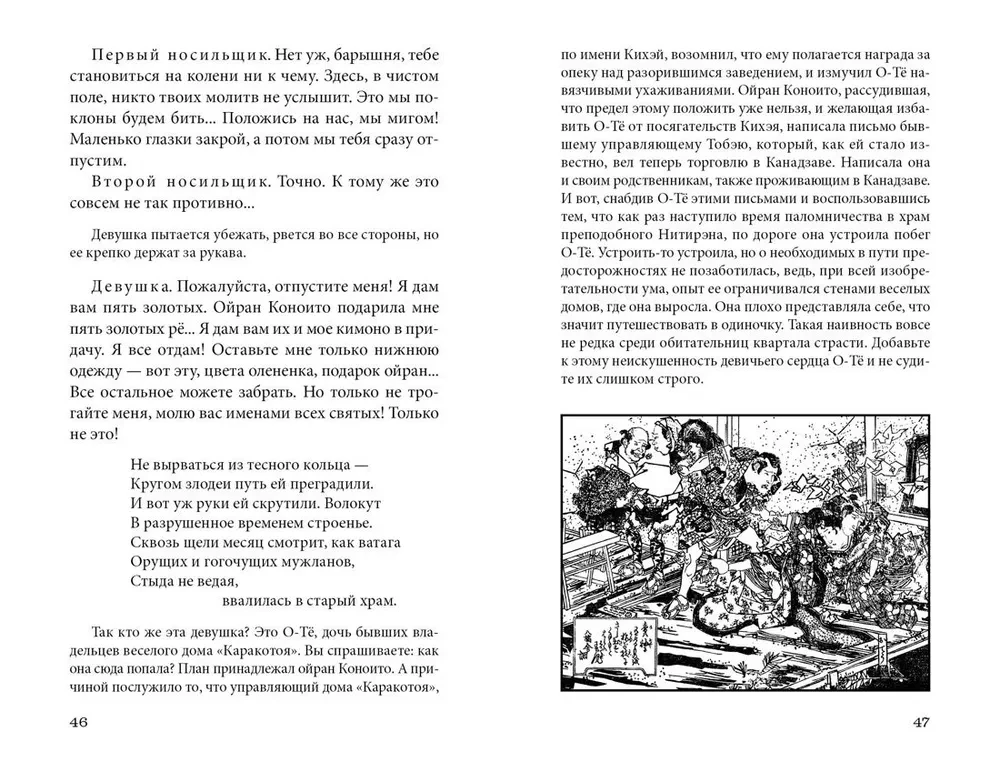
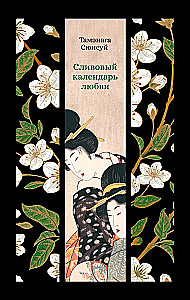
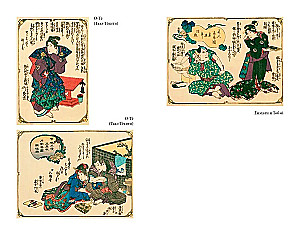
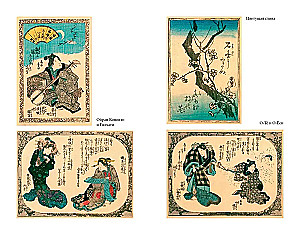
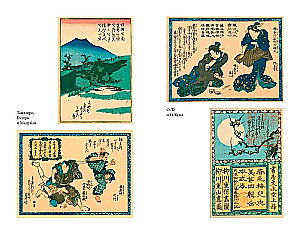
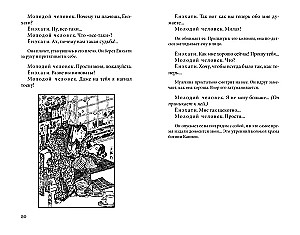
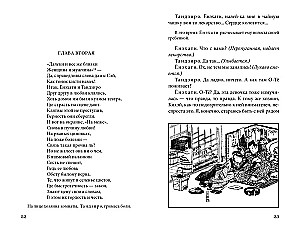
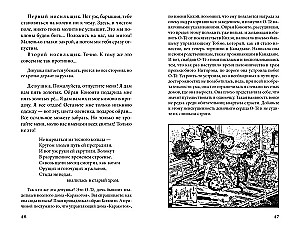
corresponding to the number of months — narrations about life in the capital Edo, famous, among other things, for its Yoshiwara district, which offered entertainments both for refined and less demanding tastes. Noble gentlemen and commoners, high-ranking geishas and ordinary women — all are united by love, which knows no boundaries and awakens with new strength each spring, blooming with the first plum blossoms. The success of ninjōbon became one of the reasons for persecution by the authorities of Japan, irritated by the popularity of books that did not carry the proper ideological load. In 1842, writers, publishers, and artists were even held responsible and subjected to punishments and fines, while books and printing plates were massively burned. Tamenaga Shunsui was among those who faced particularly severe repressions and soon died, unable to withstand the shock. Only by the mid-century could Japanese writers return to the forbidden themes and revive light genres, including ninjōbon. The design of the book features traditional Japanese engravings that adorned the original edition of 1833.
Author: Тамэнага Сюнсуй
Printhouse: Azbuka
Series: Elegant Classic of the East
Age restrictions: 16+
Year of publication: 2025
ISBN: 9785389258068
Number of pages: 320
Size: 186х121х21 mm
Cover type: hard
Weight: 348 g
ID: 1677512
Sold out
€ 9.49
Sold out
€ 9.49
Bestsellers















Bestseller
€ 14.99
In stock
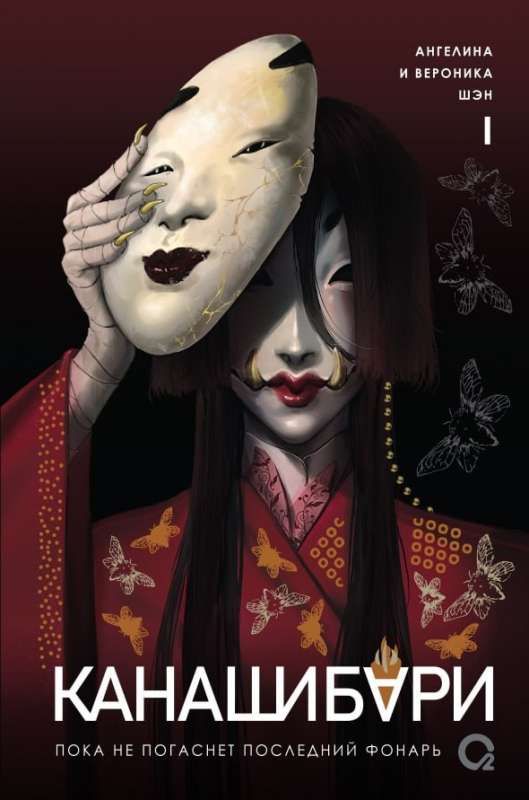
Kanashibari. Until the Last Lantern Goes Out. Volume 1
Ангелина Шэн, Вероника Шэн