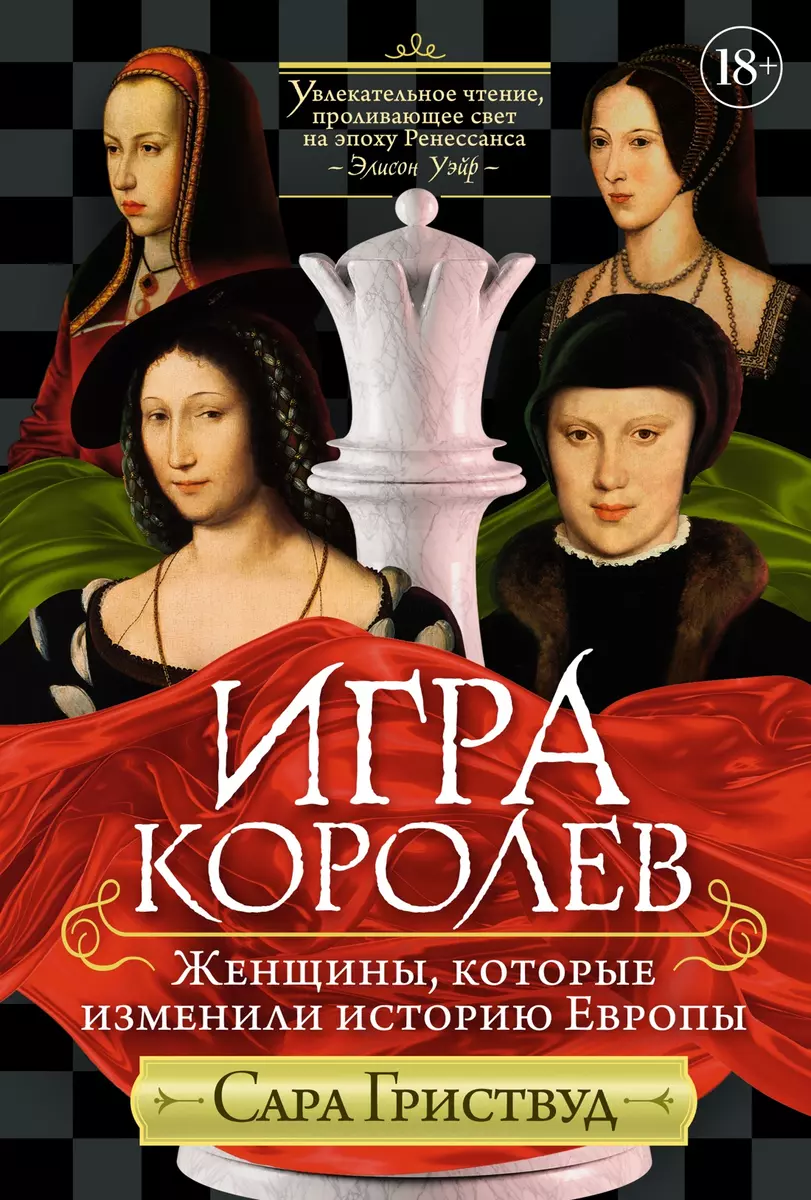
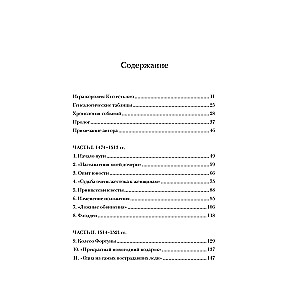
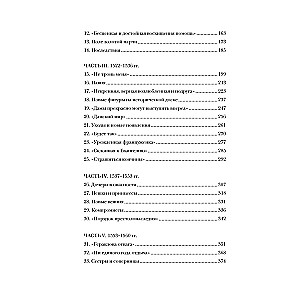
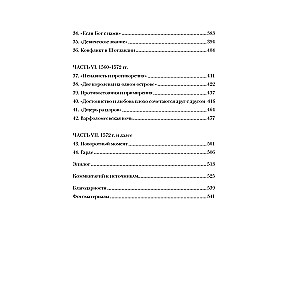
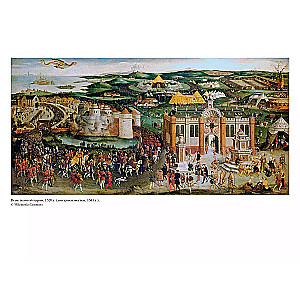
The Game of Queens. Women Who Changed the History of Europe
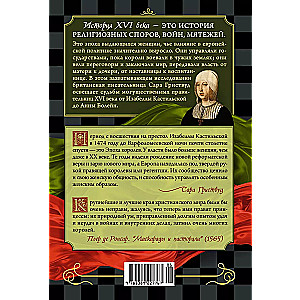
“In the summer of 1513, a girl appeared at the court of Margaret of Austria – the daughter of a courtier, trained to understand the dangerous court dance. She knew that the best defense for a girl was her mind,...
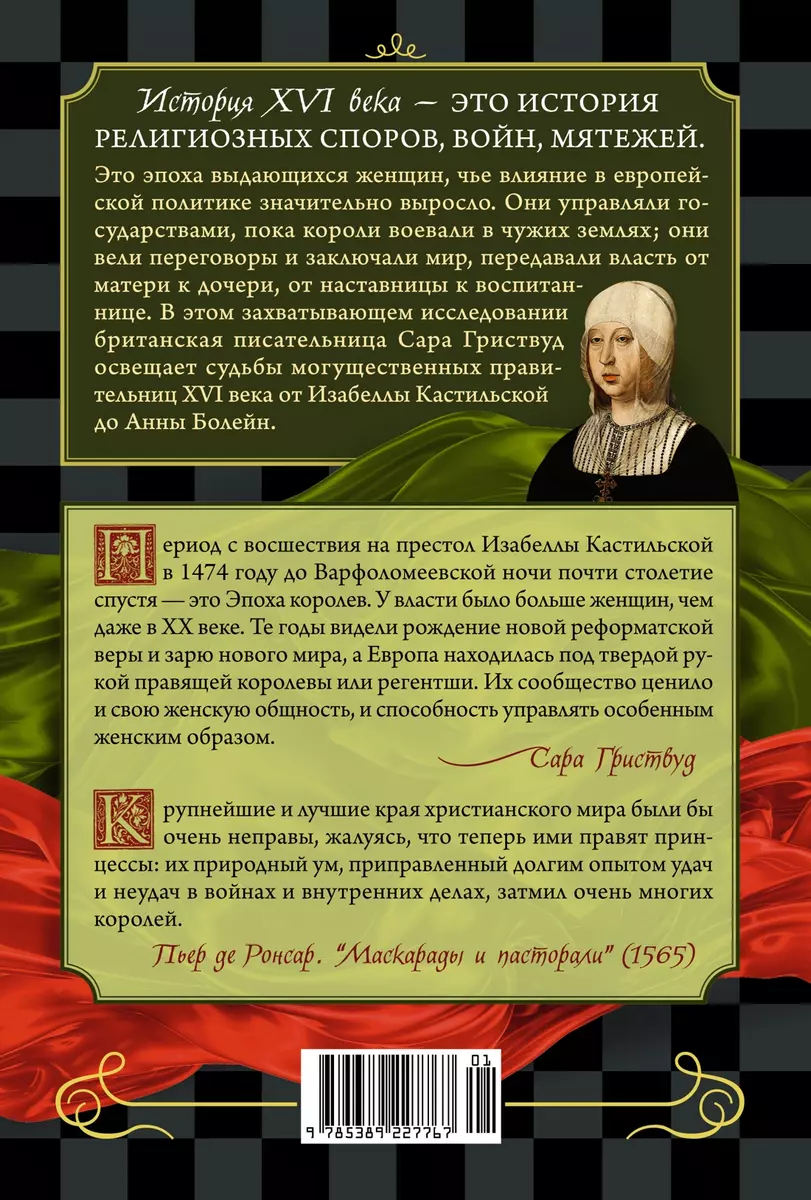
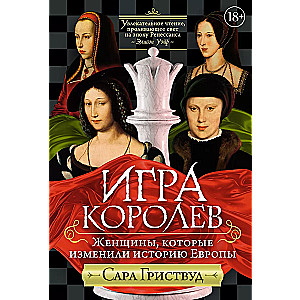
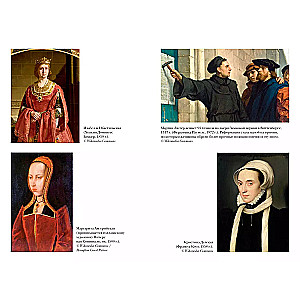
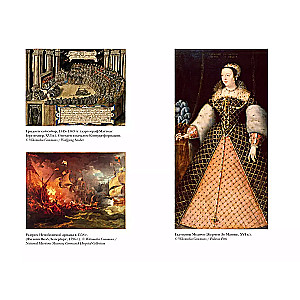
that the family's fortune could change at the whim of the king, and that a great chess game was unfolding on the European political stage, in which even she could play a certain role. No one, of course, could have predicted how significant this role would be.” (Sara Grixtwood) Anne Boleyn and Margaret of Austria, at whose court she served and was educated. Louise of Savoy and her daughter, one of the first French writers, Margaret of Navarre. Christina of Denmark and Catherine de' Medici, rumored to have a passion for poisons. These are just some of the famous women who participated in 16th-century European politics, often directing it completely. These remarkable rulers consciously used their status to conduct affairs differently, recognized sisterly bonds, found themselves pawns in someone else's game, and used others – for their own. In the chess game of European politics, it was the queen who became the key figure. The history of the 16th century is the gambit of queens.
Author: Сара Гриствуд
Printhouse: KoLibri
Series: History of England
Age restrictions: 18+
Year of publication: 2024
ISBN: 9785389227767
Number of pages: 544
Size: 140x29x210 mm
Cover type: hard
Weight: 638 g
ID: 1667360
In stock
€ 16.09
Will be delivered to United States on 6 July (Mo):
By courier
from € 38.94
Bestsellers









€ 5.19
In stock

€ 9.29
In stock
Choice. On the Freedom and Inner Strength of a Person
Эдит Ева Эгер, Эсме Швалль-Вейганд