



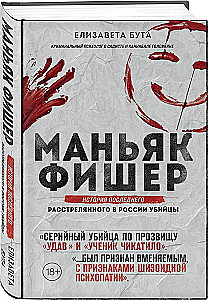

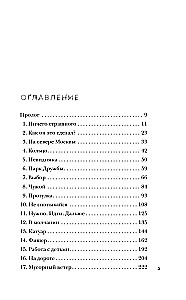

Maniac Fisher. The Story of the Last Executed Murderer in Russia
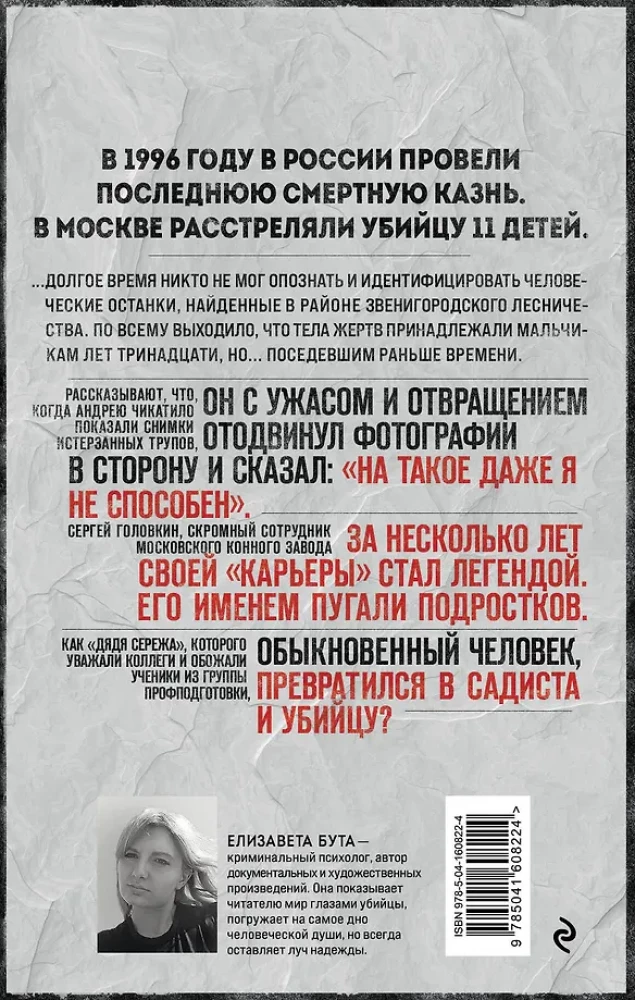
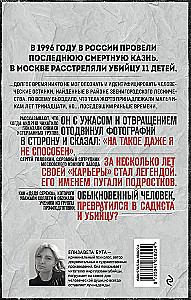
In 1996, Russia carried out the last death penalty. In Moscow, a murderer of 11 children was executed by firing squad. … For a long time, no one could identify the human remains found in the area of the Zvenigorod...
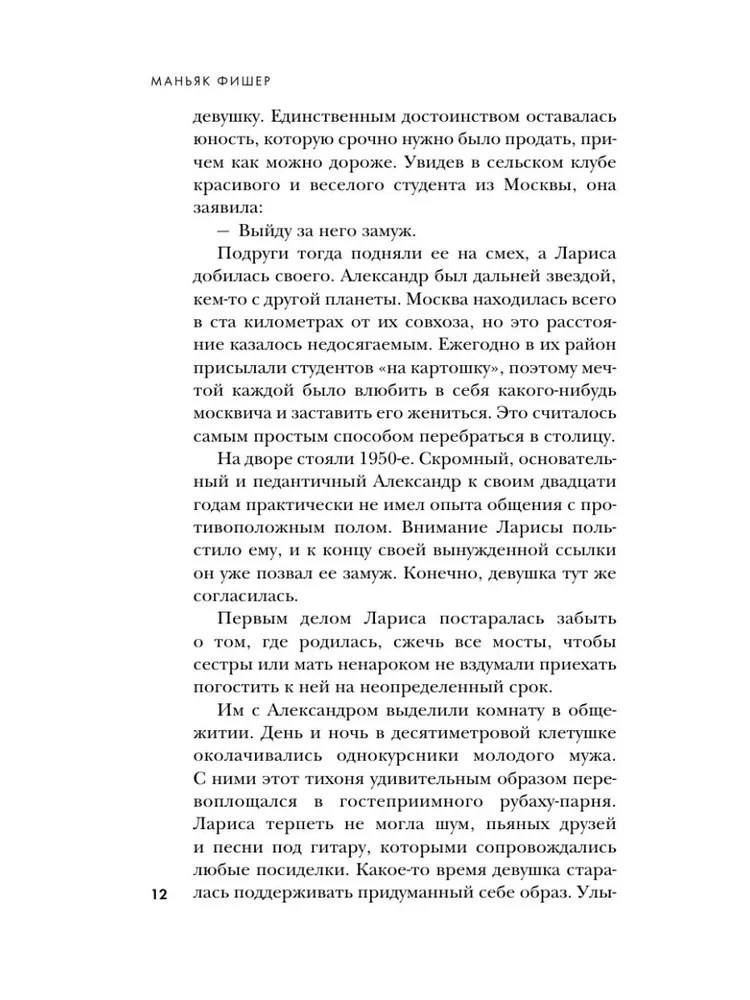
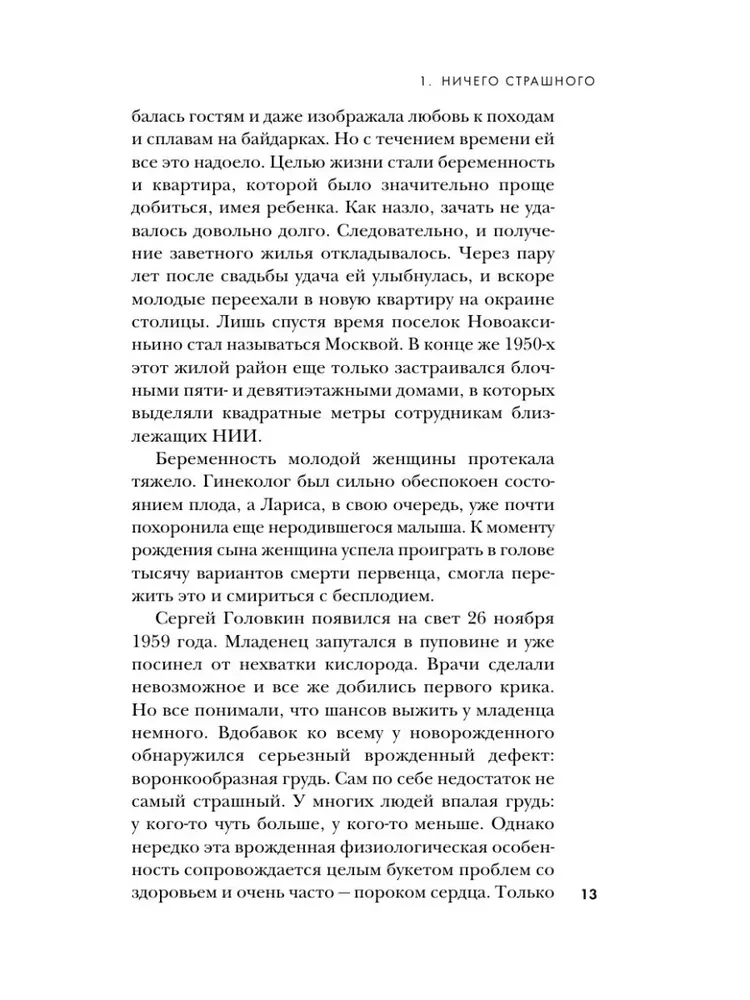
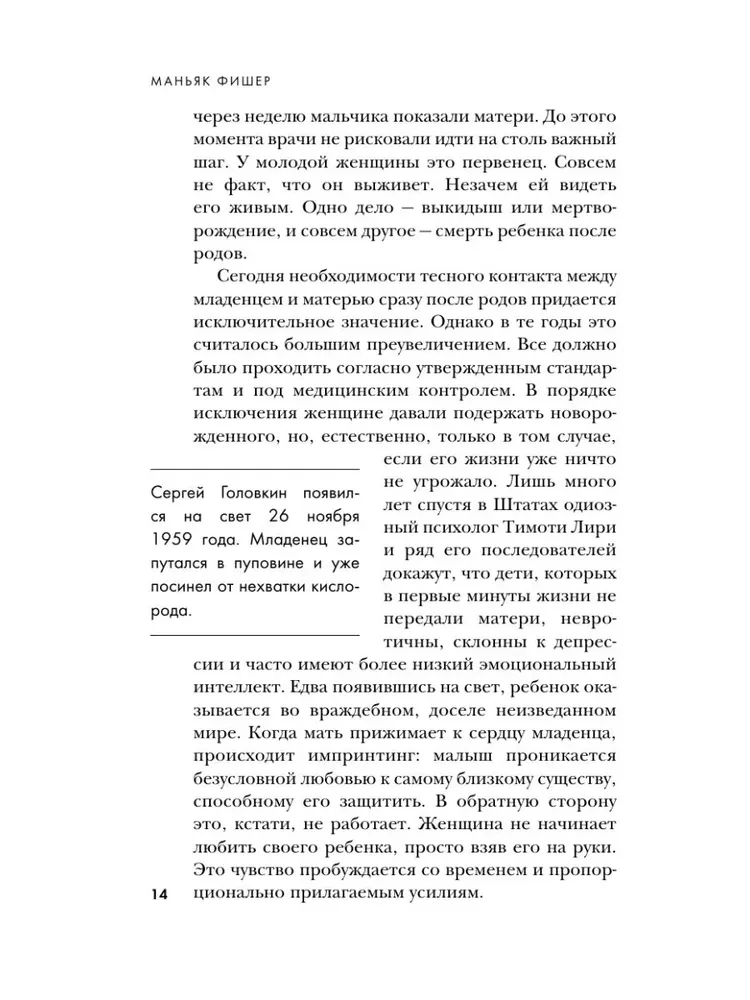
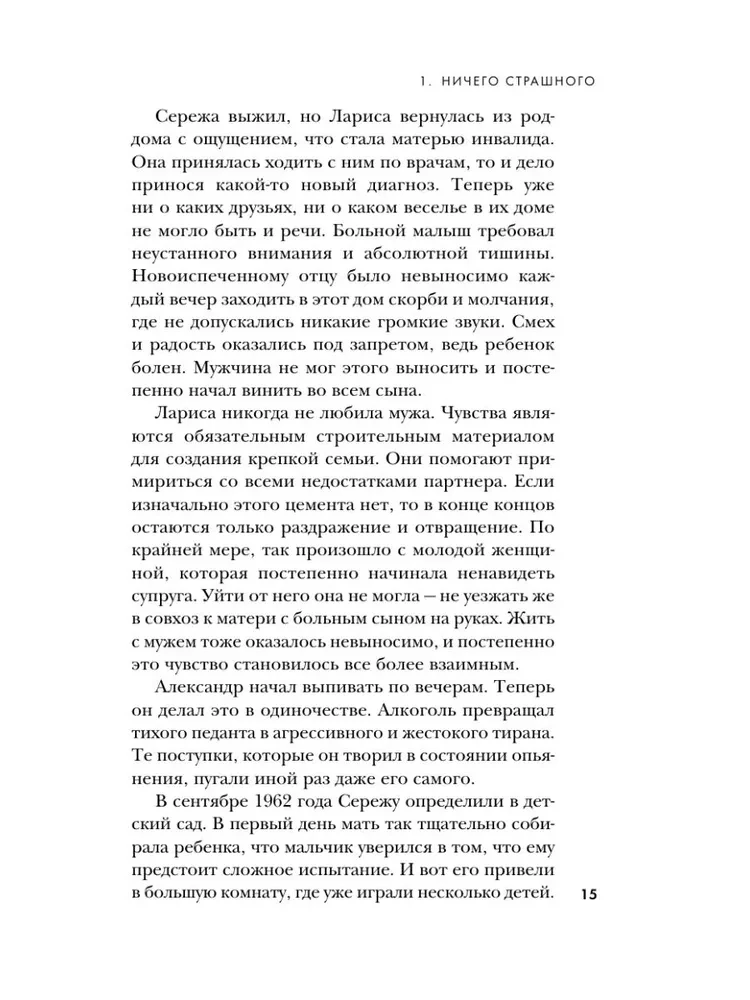
forestry. The bodies were so disfigured that only forensic experts could help, but they could not produce a conclusion. It all seemed to indicate that the victims were boys about thirteen years old, but … prematurely gray. It is said that when Andrei Chikatilo was shown photos of the mutilated corpses, he pushed the photographs aside in horror and disgust and said, “Even I am not capable of such a thing.” Sergey Golovkin, a modest employee of the Moscow Horse Factory and one of the most dangerous serial killers in Russia, became a legend during his several years of “career.” His name was used to scare teenagers, and stories about him were told in the evenings at pioneer camps. However, no one knew that it was Golovkin. He was called “Fisher,” and he seemed more than human …
• Who was the character of the horror stories, who actually equipped a branch of a torture hell in his garage?
• How did “Uncle Sergey,” who was respected by colleagues and adored by students from the vocational training group, a regular person, turn into a sadist and a murderer?
• Why was Fisher's sentence carried out after a moratorium on the death penalty came into effect?
• How did Fisher manage to remain unpunished for many years?
These questions are discussed by a well-known criminal psychologist in a documentary thriller based on interrogation materials and interviews with the murderer.
• Who was the character of the horror stories, who actually equipped a branch of a torture hell in his garage?
• How did “Uncle Sergey,” who was respected by colleagues and adored by students from the vocational training group, a regular person, turn into a sadist and a murderer?
• Why was Fisher's sentence carried out after a moratorium on the death penalty came into effect?
• How did Fisher manage to remain unpunished for many years?
These questions are discussed by a well-known criminal psychologist in a documentary thriller based on interrogation materials and interviews with the murderer.
Author: Елизавета Бута
Printhouse: Eksmo
Series: The World Through the Eyes of a Murderer
Age restrictions: 18+
Year of publication: 2022
ISBN: 9785041608224
Number of pages: 320
Size: 207x133x22 mm
Cover type: твердая
Weight: 327 g
ID: 1220608
Available from suppliers
Expected delivery time – up to 2 weeks
€ 9.49
Available from suppliers
Expected delivery time – up to 2 weeks
€ 9.49
Bestsellers









€ 5.19
In stock


€ 9.29
In stock
Choice. On the Freedom and Inner Strength of a Person
Эдит Ева Эгер, Эсме Швалль-Вейганд