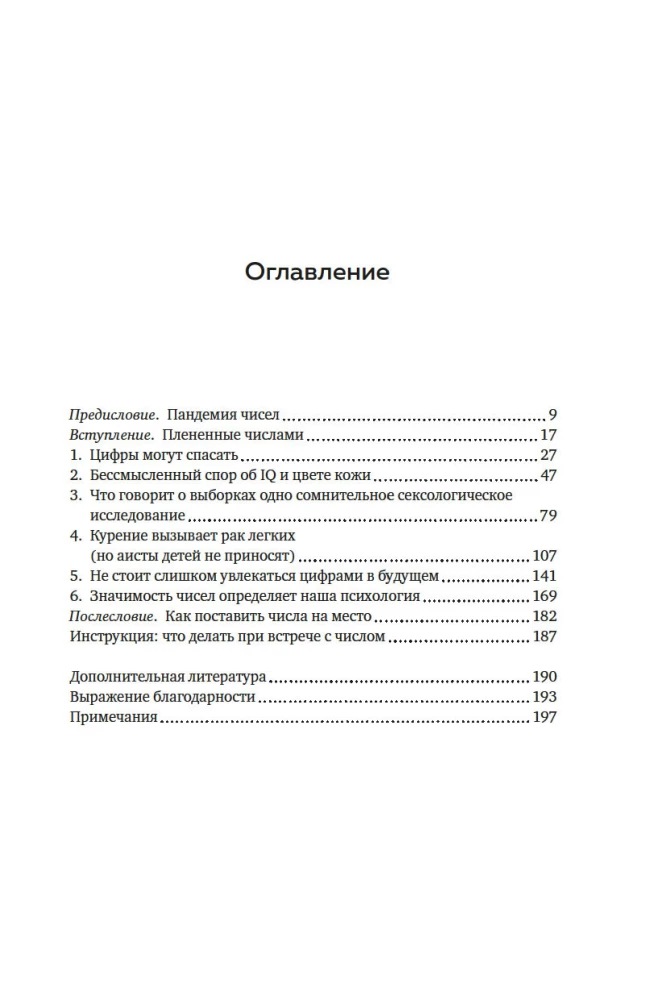
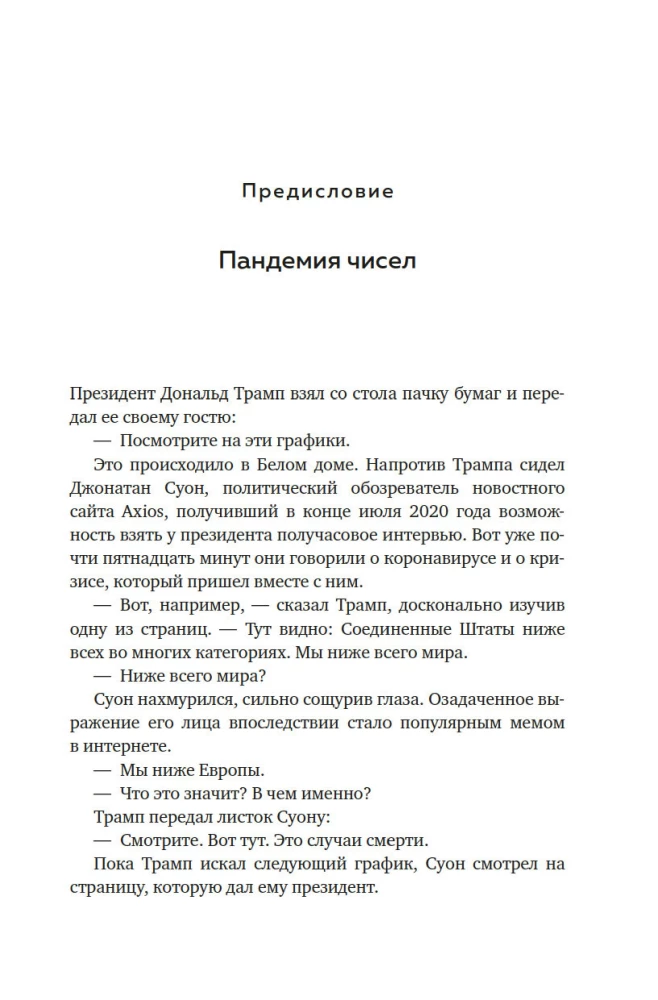
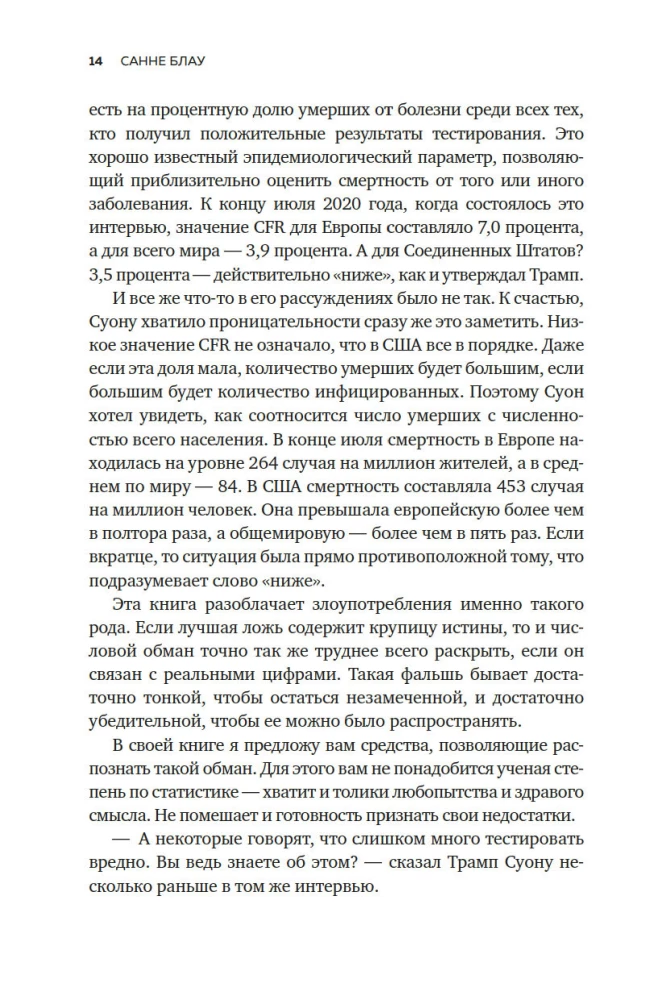
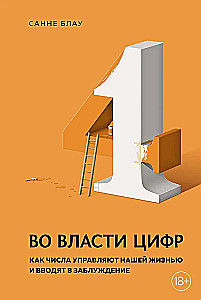
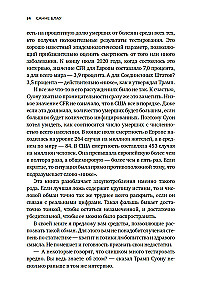
In the Power of Numbers. How Numbers Control Our Lives and Mislead Us
The world is ruled by numbers. More and more often, decisions are made not by people, but by mathematical models. Everything is measured in numbers — from our successes in education and work to our health, the state of the...
economy, and political achievements. But numbers are not as objective as they may seem. Moreover, we are more inclined to believe numbers that confirm our opinions and easily dismiss results that contradict our beliefs...
Analyzing examples of the use of numerical data in healthcare, politics, sociology, scientific research, commerce, and other areas, and shedding light on a number of common misconceptions, Dutch journalist and numeracy expert Sanne Blauw urges us to think critically and advises us to be more cautious, whether it concerns the everyday numbers that govern our well-being or the statistics that enable those who wield them to achieve great power and influence.
"Numbers affect what we drink, what we eat, where we work, how much we earn, where we live, who we marry, who we vote for, how we decide whether to take out a mortgage, how we pay for insurance. Moreover, they even affect whether we get sick or recover, whether we live or die. We have no choice; even if we are not interested in numbers, they govern our lives. The goal of this book is to make the world of numbers less mysterious, so that everyone can distinguish when numbers are used correctly and when they are misused. So that all of us can ask: what role do we want to assign to numbers in our lives?" (Sanne Blauw)
Analyzing examples of the use of numerical data in healthcare, politics, sociology, scientific research, commerce, and other areas, and shedding light on a number of common misconceptions, Dutch journalist and numeracy expert Sanne Blauw urges us to think critically and advises us to be more cautious, whether it concerns the everyday numbers that govern our well-being or the statistics that enable those who wield them to achieve great power and influence.
"Numbers affect what we drink, what we eat, where we work, how much we earn, where we live, who we marry, who we vote for, how we decide whether to take out a mortgage, how we pay for insurance. Moreover, they even affect whether we get sick or recover, whether we live or die. We have no choice; even if we are not interested in numbers, they govern our lives. The goal of this book is to make the world of numbers less mysterious, so that everyone can distinguish when numbers are used correctly and when they are misused. So that all of us can ask: what role do we want to assign to numbers in our lives?" (Sanne Blauw)
Author: Санне Блау
Printhouse: KoLibri
Series: The Thinking Person. Ideas That Can Change the World
Age restrictions: 18+
Year of publication: 2022
ISBN: 9785389186156
Number of pages: 224
Size: 210х140х15 mm
Cover type: hard
Weight: 363 g
ID: 947638
In stock
€ 9.29
Will be delivered to United States on 6 July (Mo):
By courier
from € 38.94
Bestsellers








€ 5.19
In stock

€ 9.29
In stock
Choice. On the Freedom and Inner Strength of a Person
Эдит Ева Эгер, Эсме Швалль-Вейганд