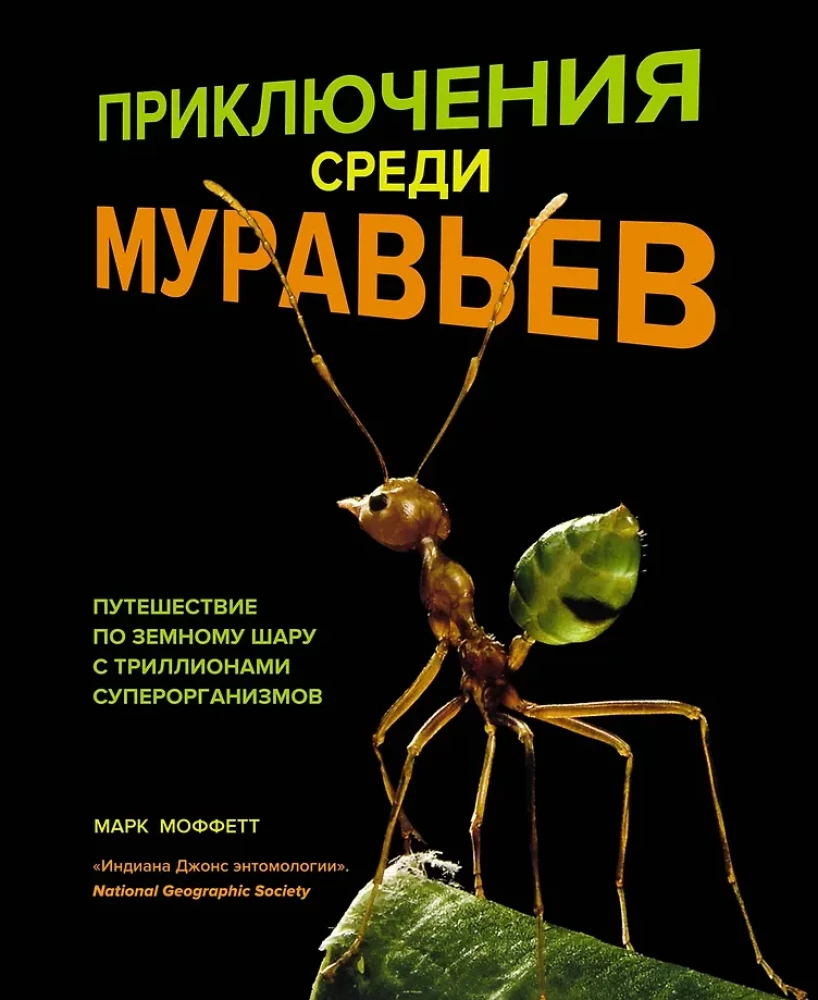
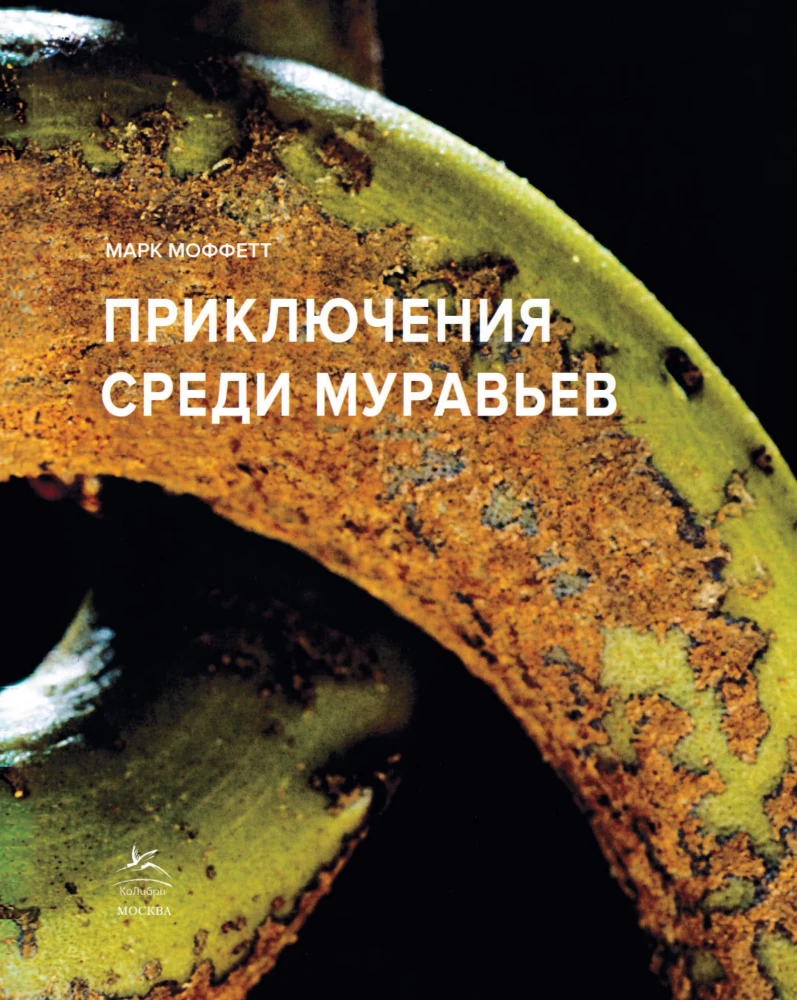
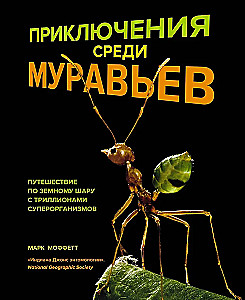
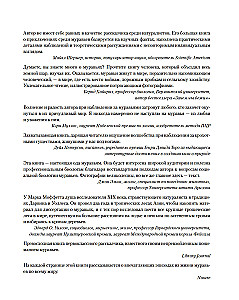
Adventures Among Ants. A Journey Around the Globe with Trillions of Superorganisms
Ants are the most ubiquitous creatures on Earth: they inhabit all continents except Antarctica and live in practically any climate. They surpass humans in number by millions, and their total weight is approximately the same as the weight of all...
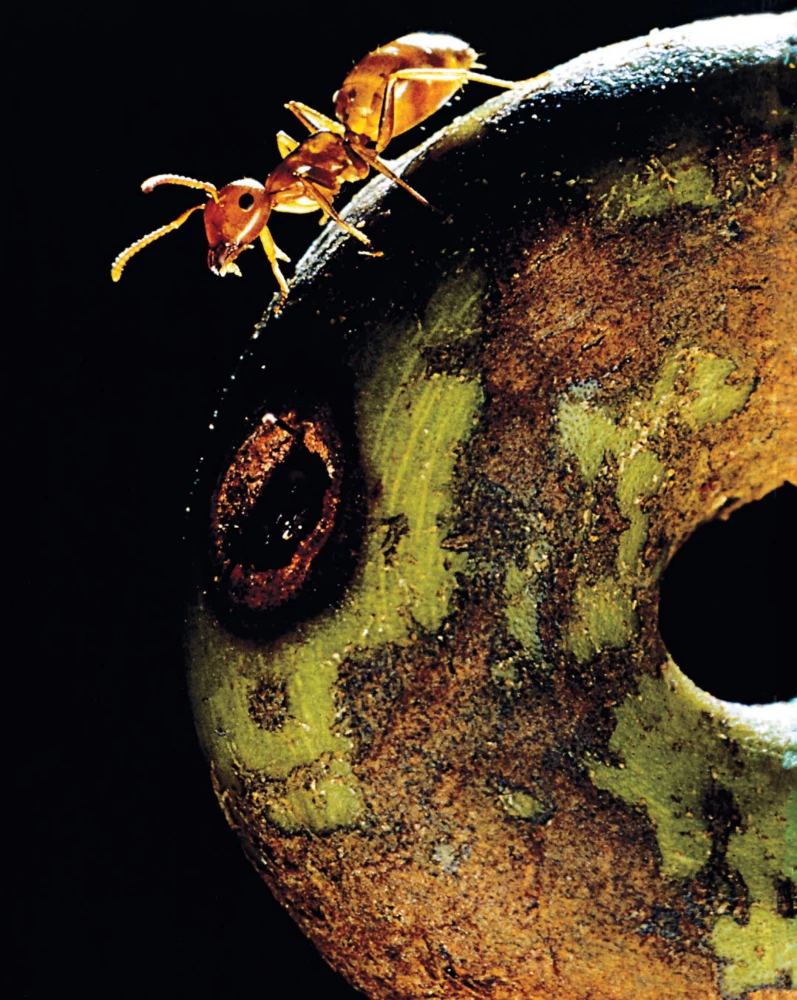
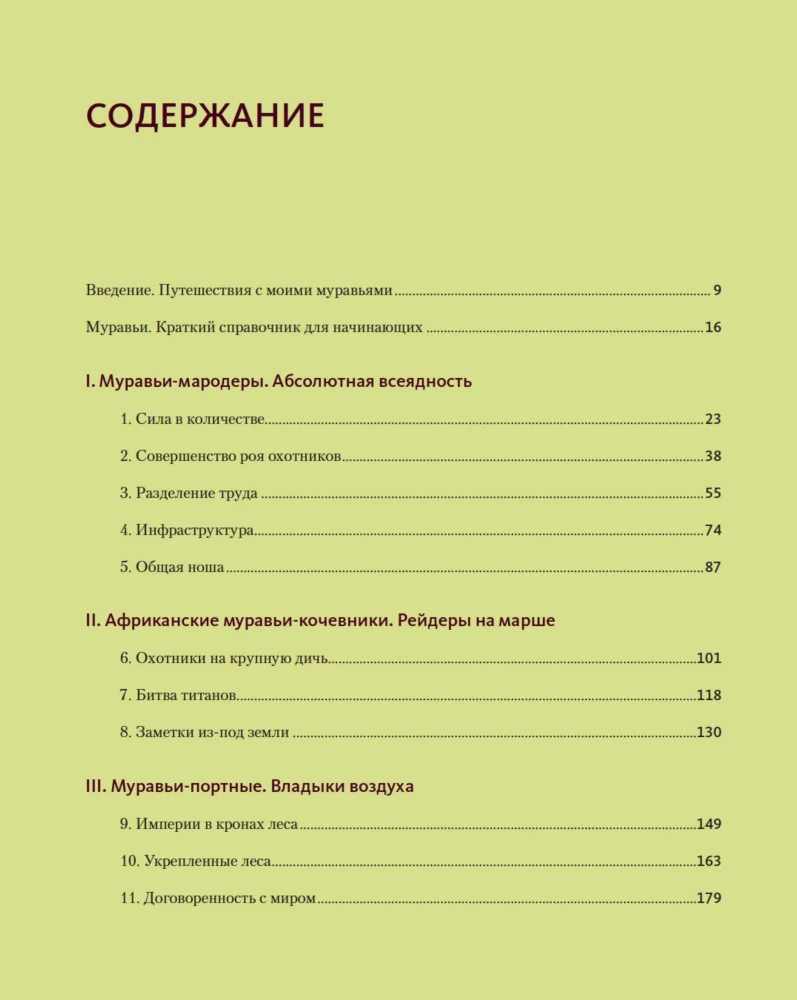
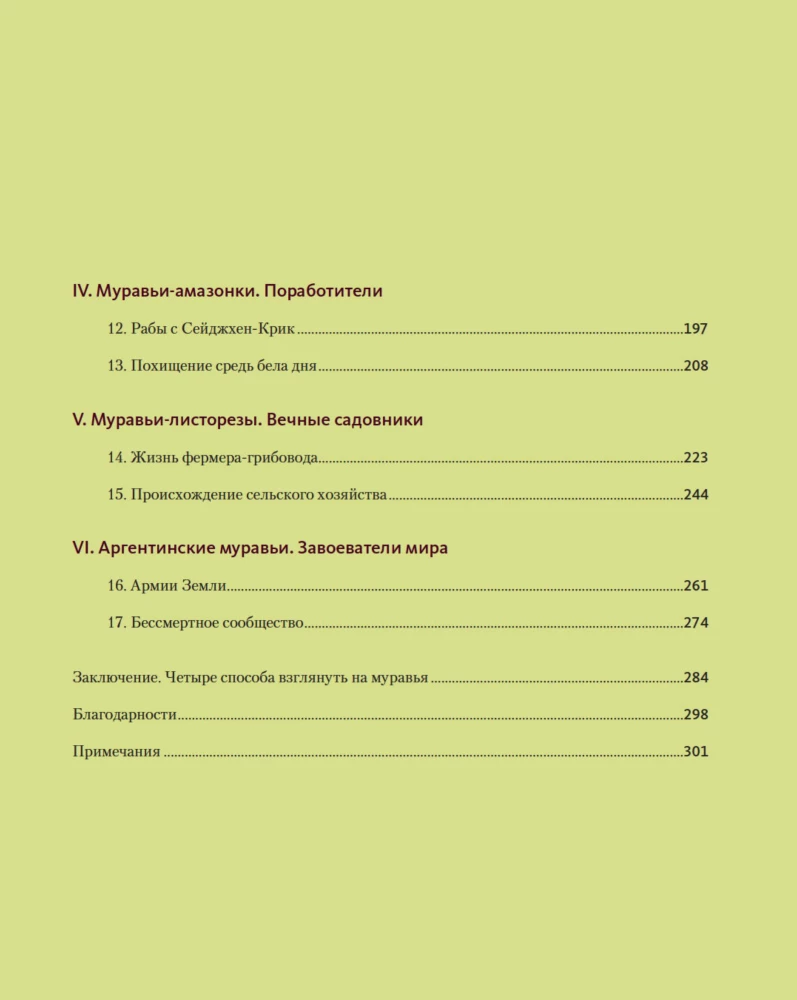
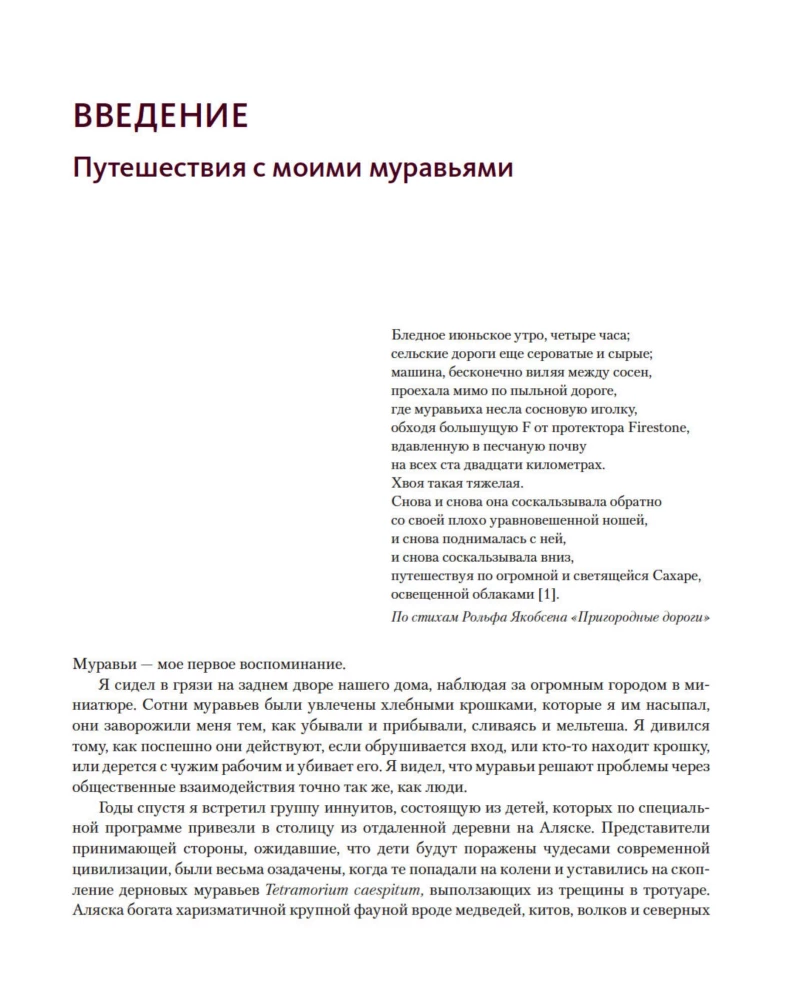
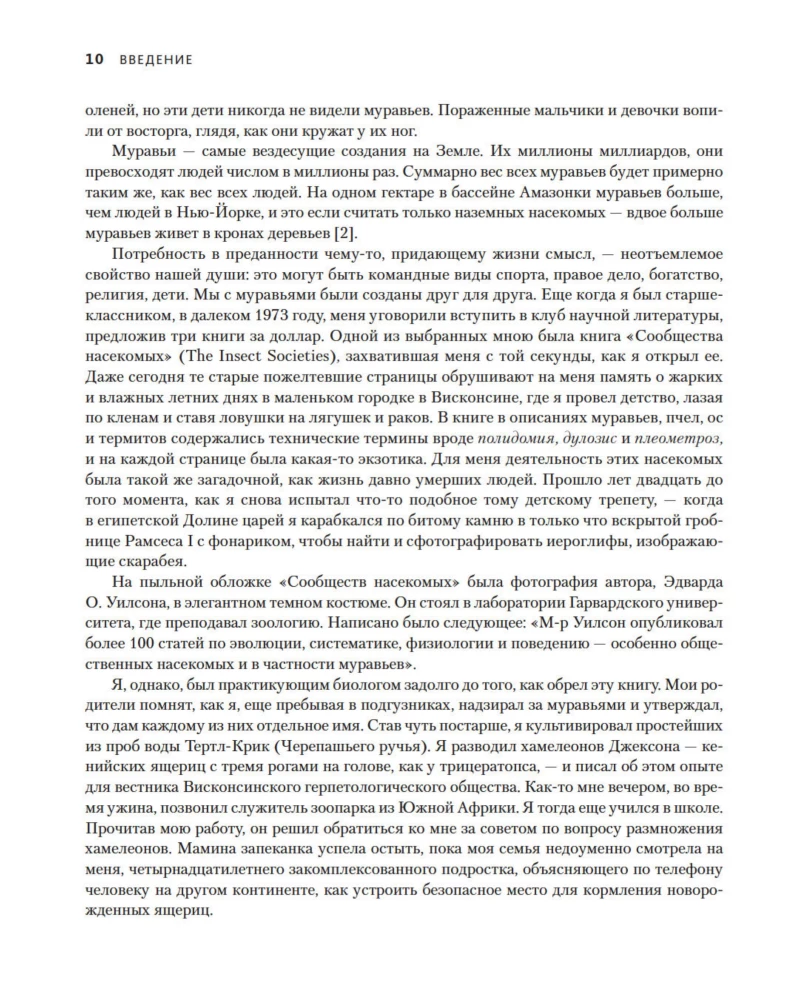
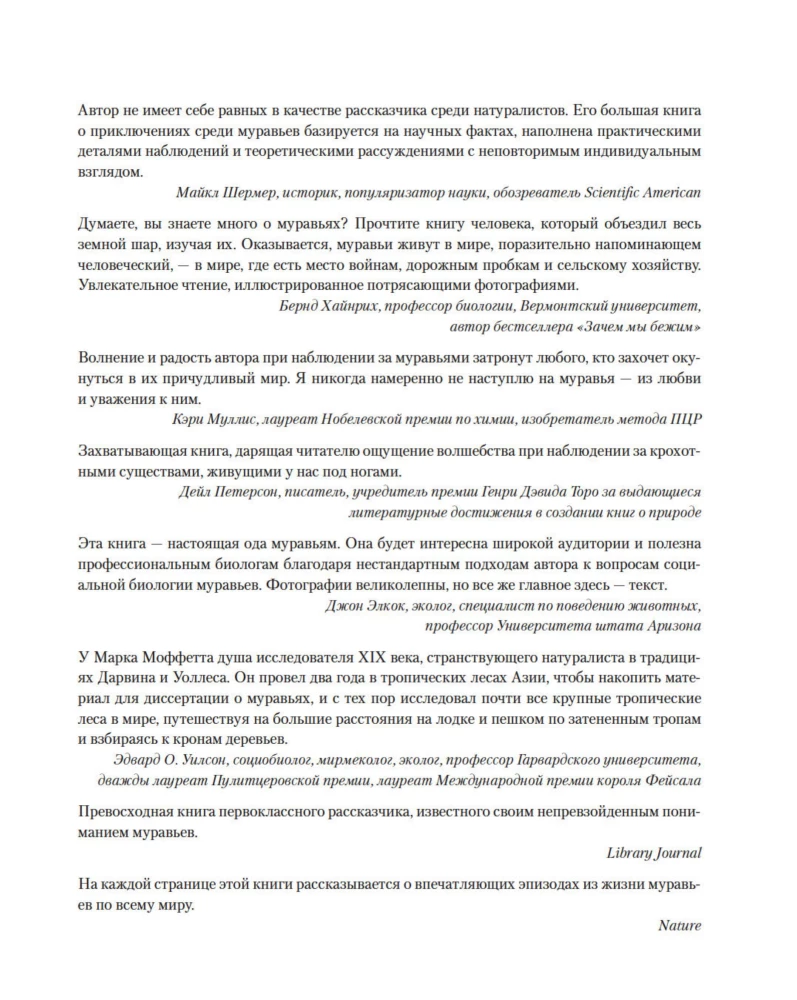
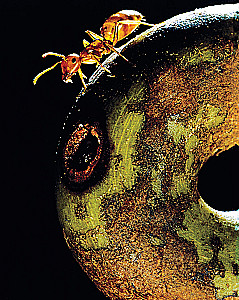
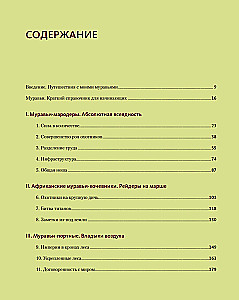
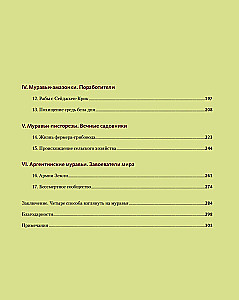
humans combined. In his beautifully illustrated book, which encompasses all the most interesting aspects of entomological travels around the globe, including Nigeria, Indonesia, Australia, California, the banks of the Amazon, and other exotic corners, the outstanding American ecologist and biologist Mark Moffett presents four ways of observing ants: one can observe a single individual as an entity, perceive a colony of ants as a society, as a superorganism, and as something akin to a collective mind and consciousness. From the stages of an ant's development and its anatomy to the complex social skills and interactions — you will get a closer look at the amazing world of ants through the lives of six species: marauder ants from tropical Asia, nomadic ants from Africa, tailor ants from tropical Asia, Africa, and Australia, Amazonian ants, leafcutter ants, and finally, Argentine ants, which are conquering the world before our eyes.
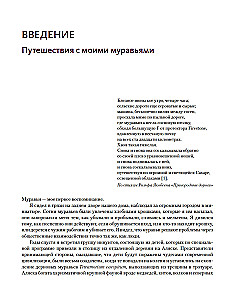
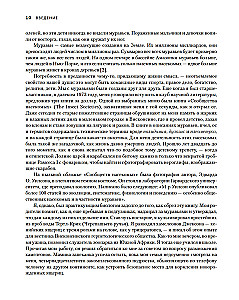
“Ants and humans share similar traits of social organization, because both their and our communities are designed to solve similar tasks. There is also a rational basis for likening an ant family to a whole organism. How do ant families — sometimes referred to because of this resemblance as 'superorganisms' — regulate their complex organization to function as a whole? Who in the family gathers food, cleans waste, raises a new generation? And what can ants teach us regarding these tasks? To find out, let's begin our adventures among ants.” (Mark Moffett)
“Ants and humans share similar traits of social organization, because both their and our communities are designed to solve similar tasks. There is also a rational basis for likening an ant family to a whole organism. How do ant families — sometimes referred to because of this resemblance as 'superorganisms' — regulate their complex organization to function as a whole? Who in the family gathers food, cleans waste, raises a new generation? And what can ants teach us regarding these tasks? To find out, let's begin our adventures among ants.” (Mark Moffett)
Author: Марк Моффетт
Printhouse: KoLibri
Series: New Naturalist
Age restrictions: 16+
Year of publication: 2022
ISBN: 9785389177284
Number of pages: 352
Size: 230х190х27 mm
Cover type: hard
Weight: 1080 g
ID: 813428
Sold out
€ 5.99
Sold out
€ 5.99
Bestsellers


€ 5.19
In stock

€ 9.29
In stock
Choice. On the Freedom and Inner Strength of a Person
Эдит Ева Эгер, Эсме Швалль-Вейганд