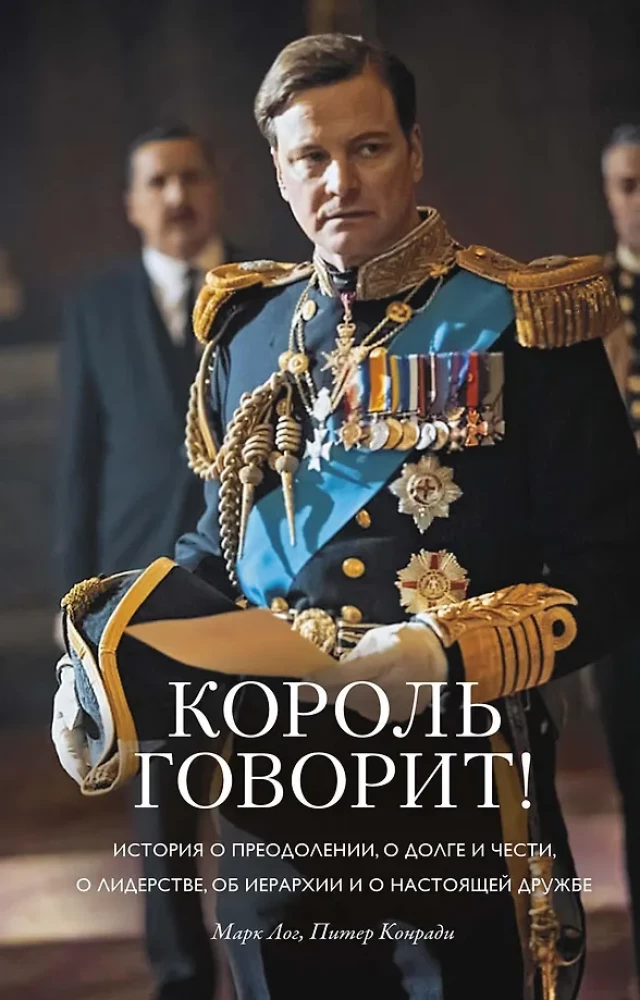

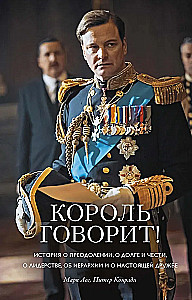

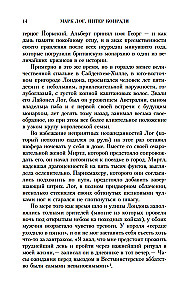
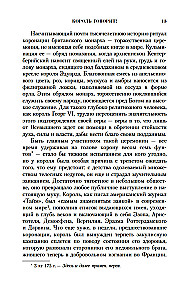
The King's Speech! A Story of Overcoming, Duty and Honor, Leadership, Hierarchy, and True Friendship
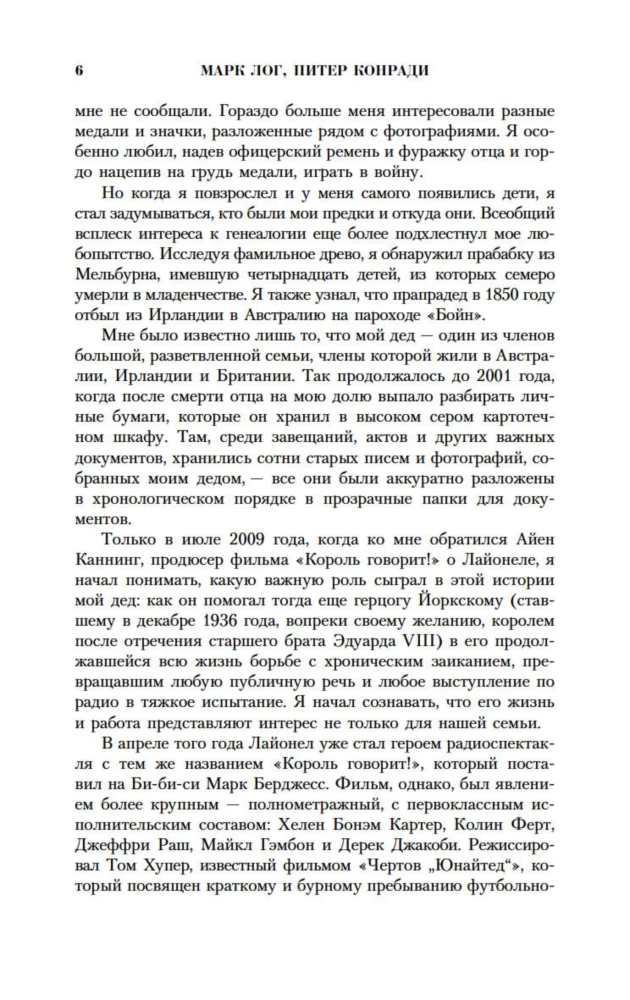
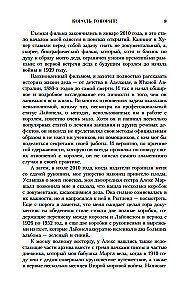
In 1926, the Duke of York, who had suffered from a stutter since childhood, sought help from a self-taught speech therapist, an immigrant from Australia named Lionel Logue. It was a desperate step: much effort had been spent fighting this...
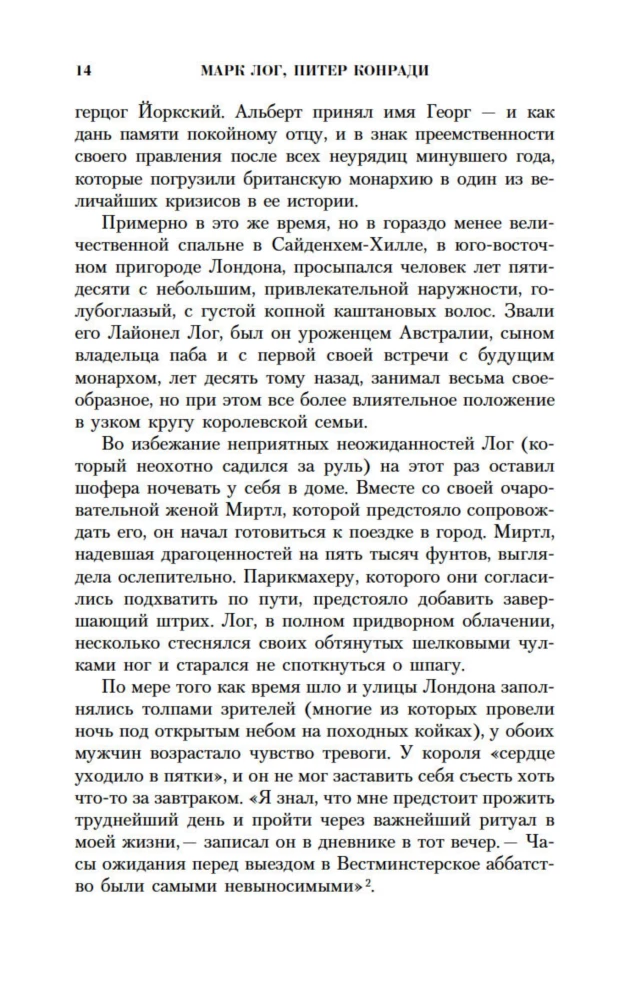
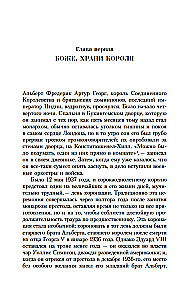
physical defect, involving the best specialists of the time — unsuccessfully, and every public speech by the duke became a torment for both the listeners and the speaker himself. Stepping into the modest reception room of Logue for the first time, the royal son did not think that ten years later he would become a monarch — the primary right of succession belonged to his older brother, David, but personal happiness proved to be above duty for the latter.
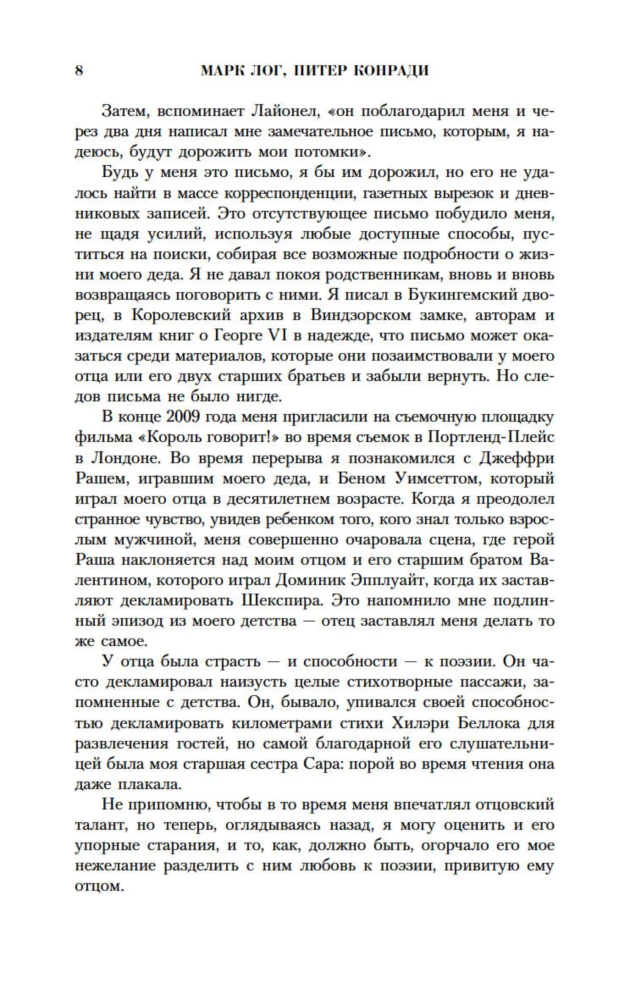
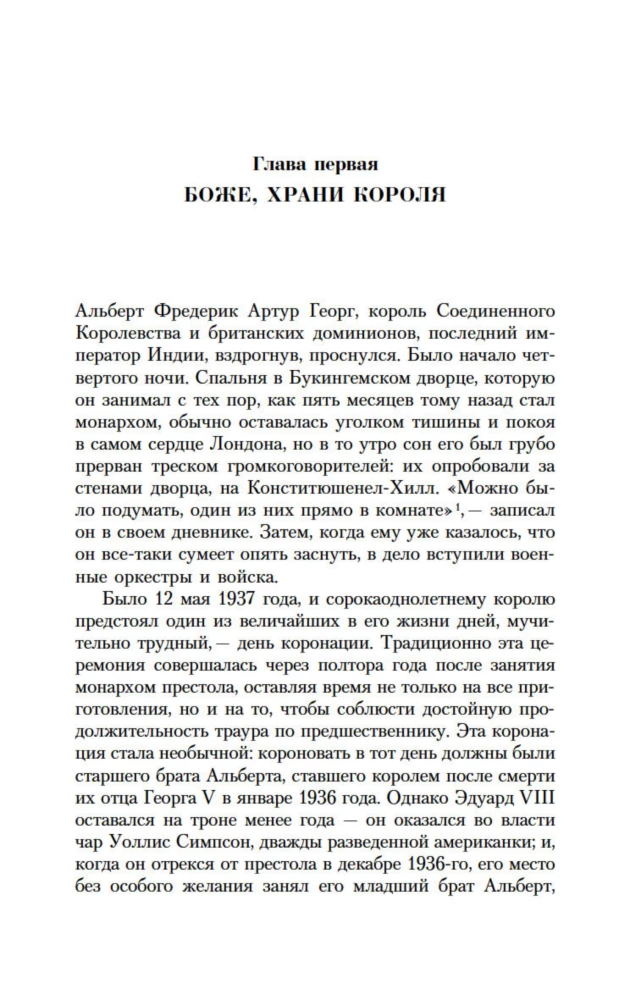
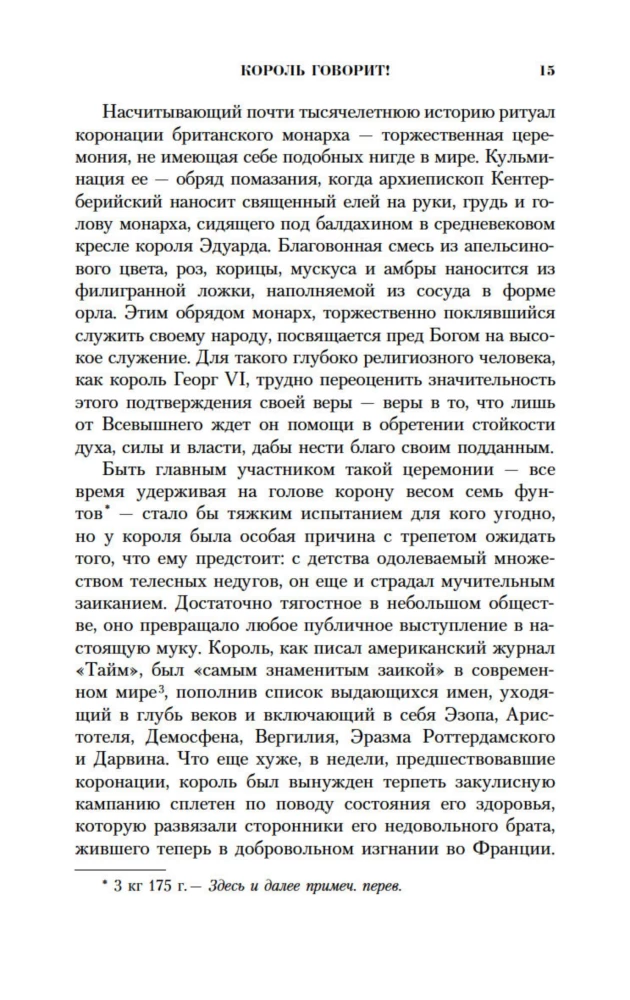
Lionel Logue, whom medical experts considered a fraud and charlatan, managed to achieve success, while others were forced to admit their impotence. He developed his own method of treatment and remained by his famous patient’s side for many years, during the difficult trials for the country and all of Europe. Ascending to the throne on the eve of World War II, George VI united the British people in the fight against Nazism and became a true leader. Throughout his reign, from the coronation speech in 1937 to the last Christmas address to the nation and the peoples of the British Empire in December 1951, the king spoke to his people. He spoke thanks to the fact that he met a 'common man from the colonies' — Lionel Logue.
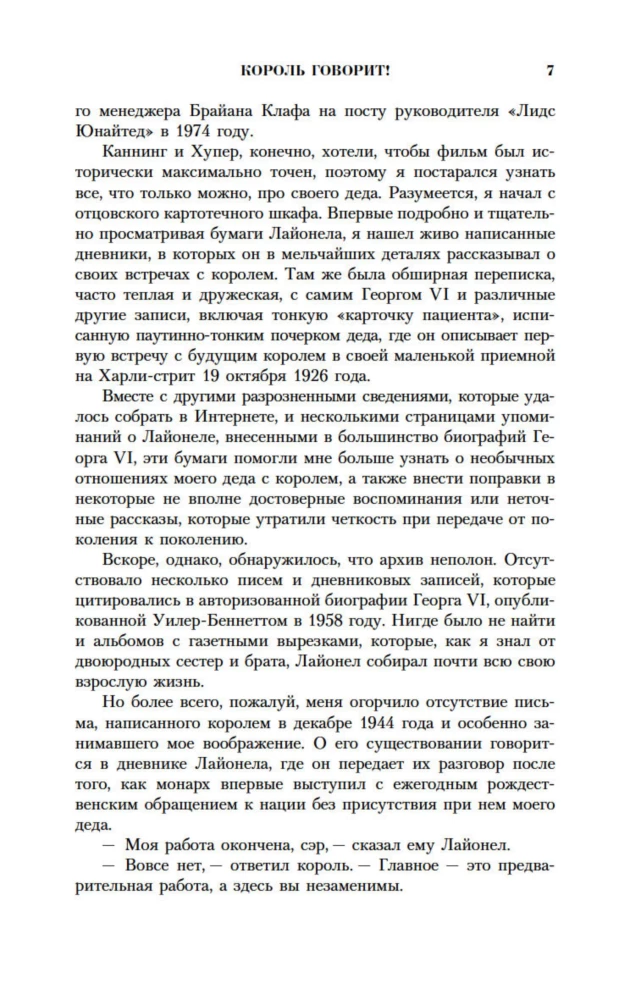
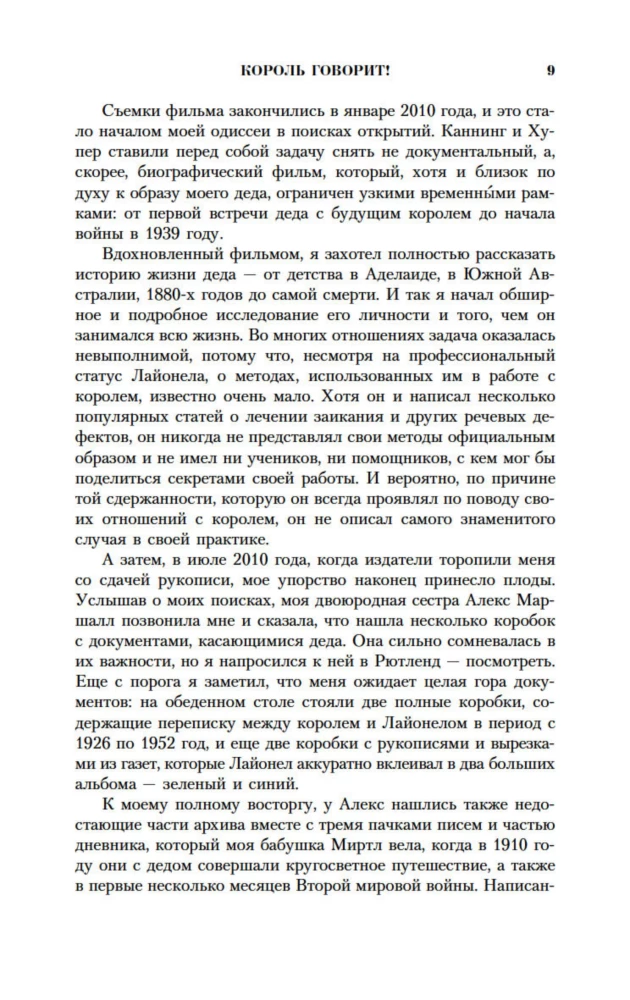
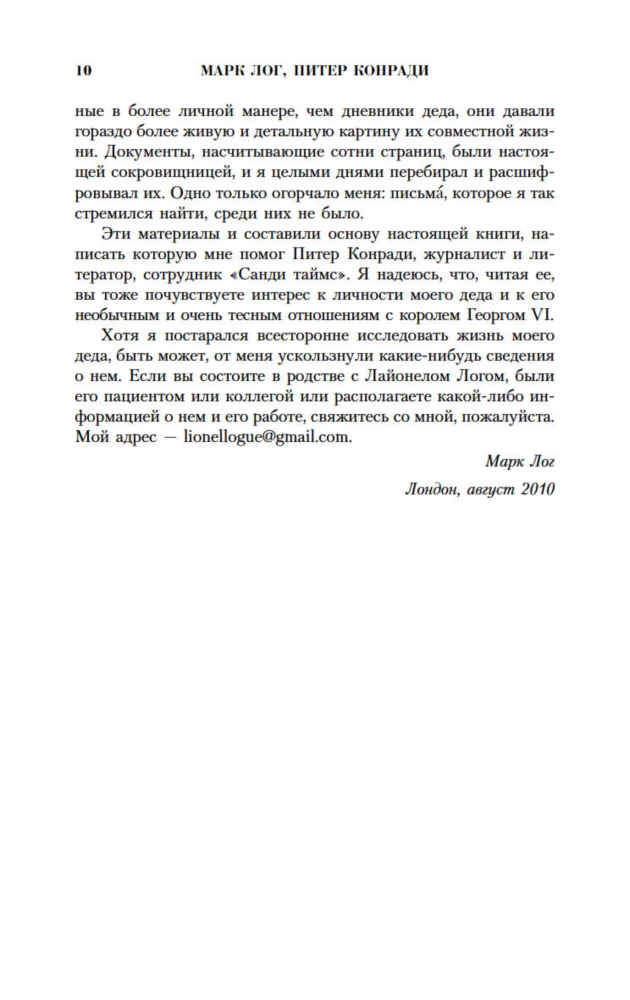
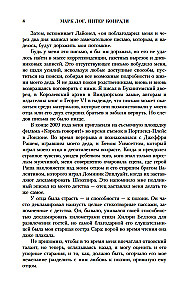
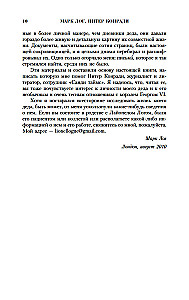
The authors of this documentary book, based on letters, diaries, memories, and medical records, are Mark Logue, the grandson of the Australian speech therapist and keeper of his archive, and Peter Conradi, a writer and journalist, a staff member of the Sunday Times editorial office.
Lionel Logue, whom medical experts considered a fraud and charlatan, managed to achieve success, while others were forced to admit their impotence. He developed his own method of treatment and remained by his famous patient’s side for many years, during the difficult trials for the country and all of Europe. Ascending to the throne on the eve of World War II, George VI united the British people in the fight against Nazism and became a true leader. Throughout his reign, from the coronation speech in 1937 to the last Christmas address to the nation and the peoples of the British Empire in December 1951, the king spoke to his people. He spoke thanks to the fact that he met a 'common man from the colonies' — Lionel Logue.
The authors of this documentary book, based on letters, diaries, memories, and medical records, are Mark Logue, the grandson of the Australian speech therapist and keeper of his archive, and Peter Conradi, a writer and journalist, a staff member of the Sunday Times editorial office.
Author: Марк Лог, Питер Конради
Printhouse: KoLibri
Series: Historical Interest
Age restrictions: 16+
Year of publication: 2019
ISBN: 9785389161610
Number of pages: 256
Size: 200х130х16 mm
Cover type: hard
Weight: 340 g
ID: 520846
In stock
€ 6.09
Will be delivered to United States on 6 July (Mo):
By courier
from € 38.94
Bestsellers




€ 5.19
In stock

€ 9.29
In stock
Choice. On the Freedom and Inner Strength of a Person
Эдит Ева Эгер, Эсме Швалль-Вейганд