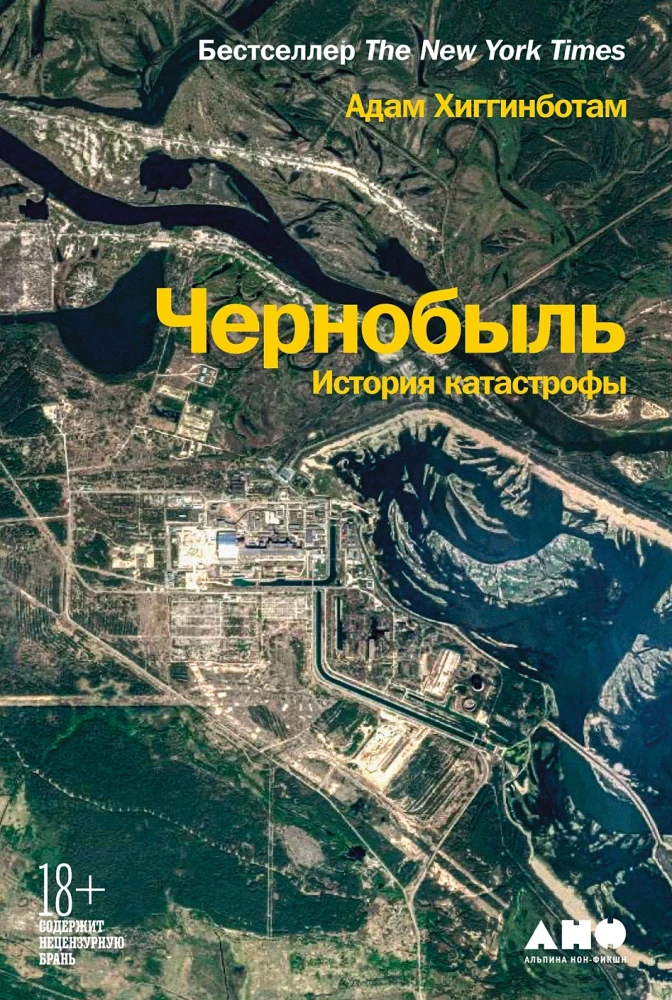
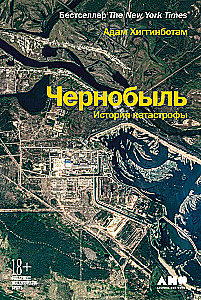
Chernobyl: The Story of the Catastrophe
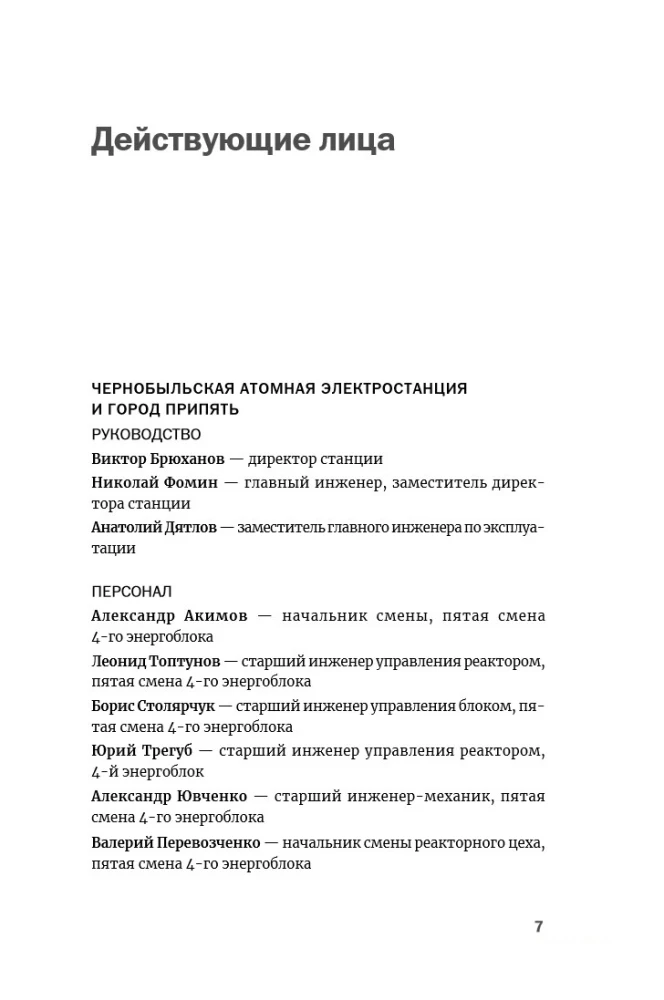
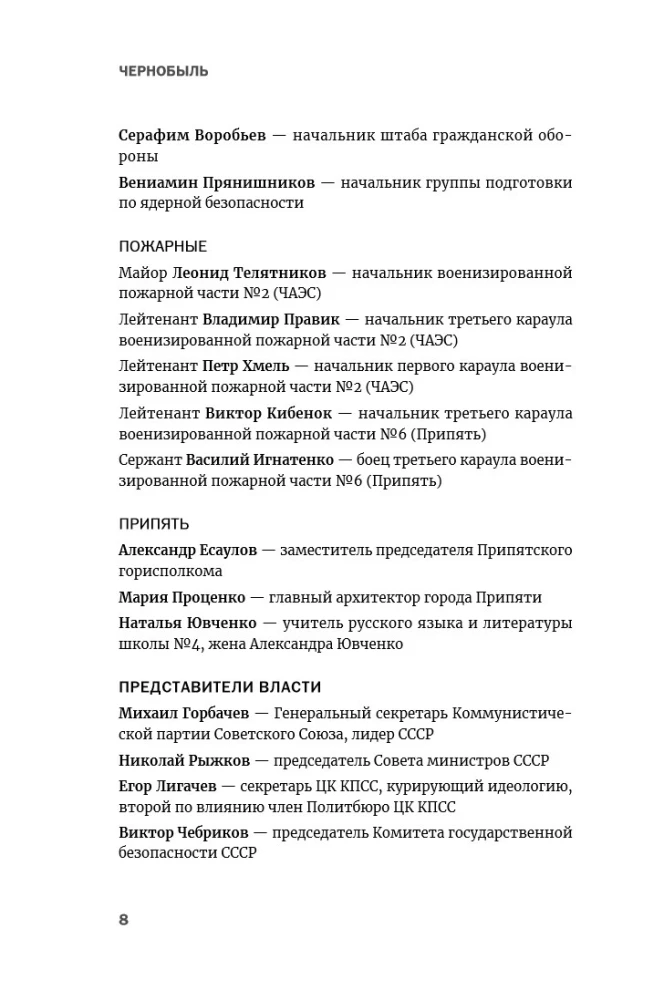
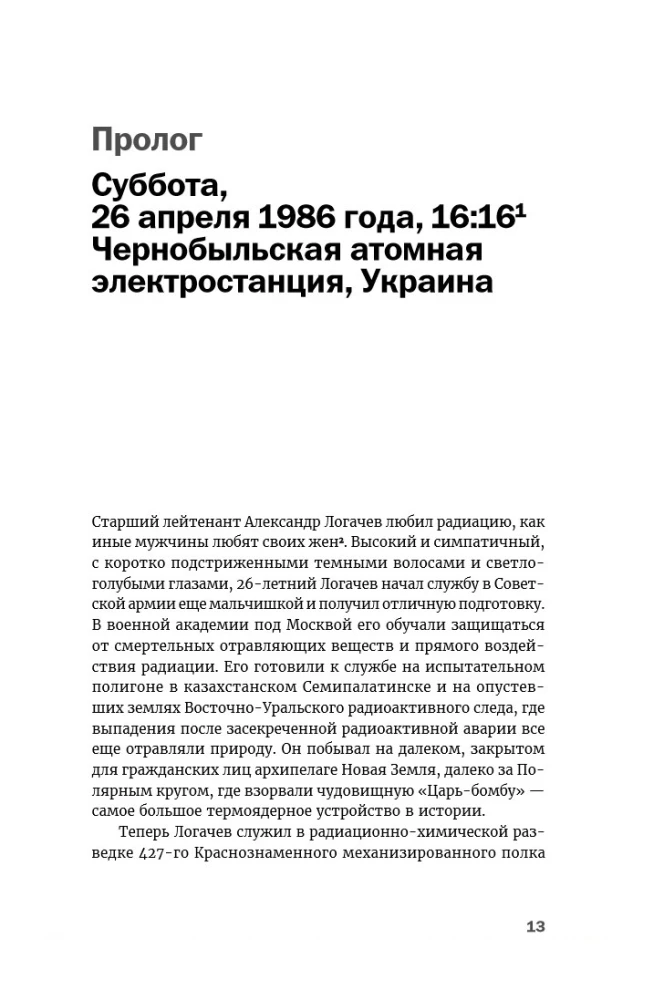
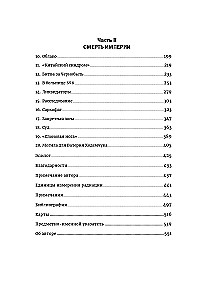
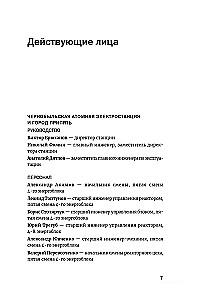
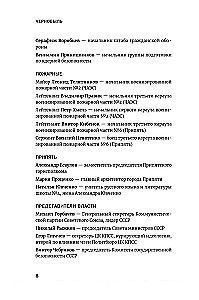
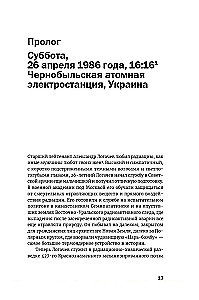
On the night of April 26, 1986, reactor No. 4 of the Chernobyl Nuclear Power Plant exploded, marking the beginning of one of the worst nuclear disasters in history. Based on more than a decade of work, recordings of hundreds...
of conversations, personal correspondence, unpublished memoirs, and recently declassified archival documents, journalist Adam Higginbotham has written a soul-stirring and gripping work that presents the Chernobyl disaster through the eyes of its first witnesses. The result is a masterfully crafted documentary thriller, a comprehensive account of an event that changed history - far more complex, human, and terrifying than the myth of Chernobyl we are accustomed to.
«Chernobyl: The Story of the Catastrophe» is an indelible picture of one of the greatest misfortunes of the 20th century and at the same time a document of human resilience and ingenuity, a testament to the hard lessons learned by humanity in trying to subdue nature to its will - lessons that, in the face of impending climate change and other modern threats, appear not just important, but vital.
In the autumn of 1986, scientists from the Kurchatov Institute discovered an «elephant's foot» in the basement of the Chernobyl Nuclear Power Plant beneath the ruins of reactor No. 4 - a hardened mass of silicon dioxide, titanium, zirconium, magnesium, and uranium, a frozen radioactive lava containing all the radionuclides from the irradiated nuclear fuel. The substance remained so radioactive that five minutes near it meant an inevitable agonizing death.
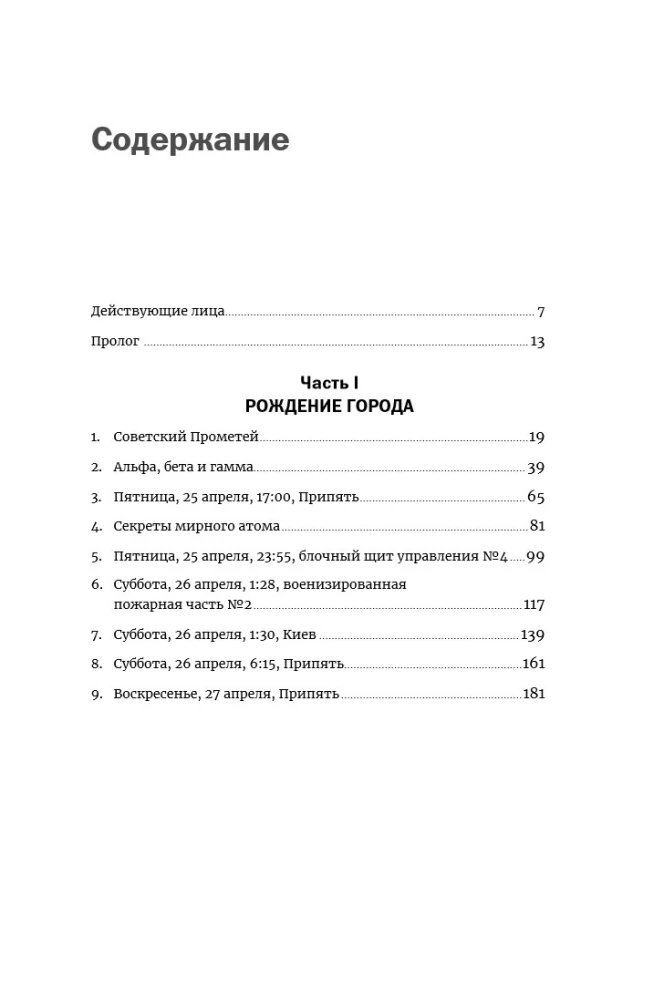
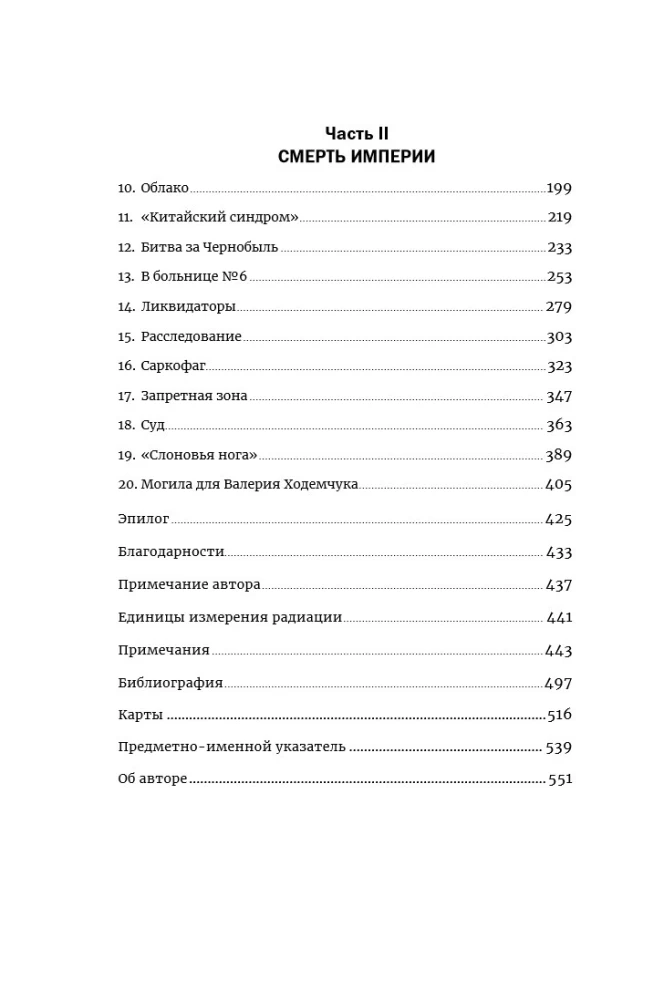
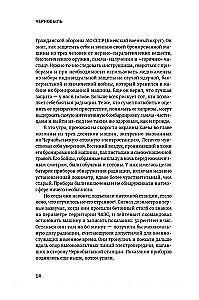
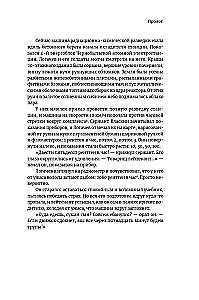
16 pages of archival photographs map of the USSR in 1986 indicating all nuclear power plants and closed administrative-territorial entities map of the exclusion zone diagrams of the Chernobyl Nuclear Power Plant and the 4th power unit where the accident occurred
For those interested in the history of nuclear energy development in the world, the Chernobyl Nuclear Power Plant accident and its elimination operation.
«Chernobyl: The Story of the Catastrophe» is an indelible picture of one of the greatest misfortunes of the 20th century and at the same time a document of human resilience and ingenuity, a testament to the hard lessons learned by humanity in trying to subdue nature to its will - lessons that, in the face of impending climate change and other modern threats, appear not just important, but vital.
In the autumn of 1986, scientists from the Kurchatov Institute discovered an «elephant's foot» in the basement of the Chernobyl Nuclear Power Plant beneath the ruins of reactor No. 4 - a hardened mass of silicon dioxide, titanium, zirconium, magnesium, and uranium, a frozen radioactive lava containing all the radionuclides from the irradiated nuclear fuel. The substance remained so radioactive that five minutes near it meant an inevitable agonizing death.
16 pages of archival photographs map of the USSR in 1986 indicating all nuclear power plants and closed administrative-territorial entities map of the exclusion zone diagrams of the Chernobyl Nuclear Power Plant and the 4th power unit where the accident occurred
For those interested in the history of nuclear energy development in the world, the Chernobyl Nuclear Power Plant accident and its elimination operation.
Author: Адам Хиггинботам
Printhouse: Al'pina Pablisher
Age restrictions: 18+
Year of publication: 2020
ISBN: 9785001392699
Number of pages: 528
Size: 217х145х32 mm
Cover type: hard
Weight: 740 g
ID: 435779
Sold out
€ 12.79
Sold out
€ 12.79
Bestsellers







€ 7.89
In stock
Choice. On the Freedom and Inner Strength of a Person
Эдит Ева Эгер, Эсме Швалль-Вейганд




€ 6.99
In stock