New
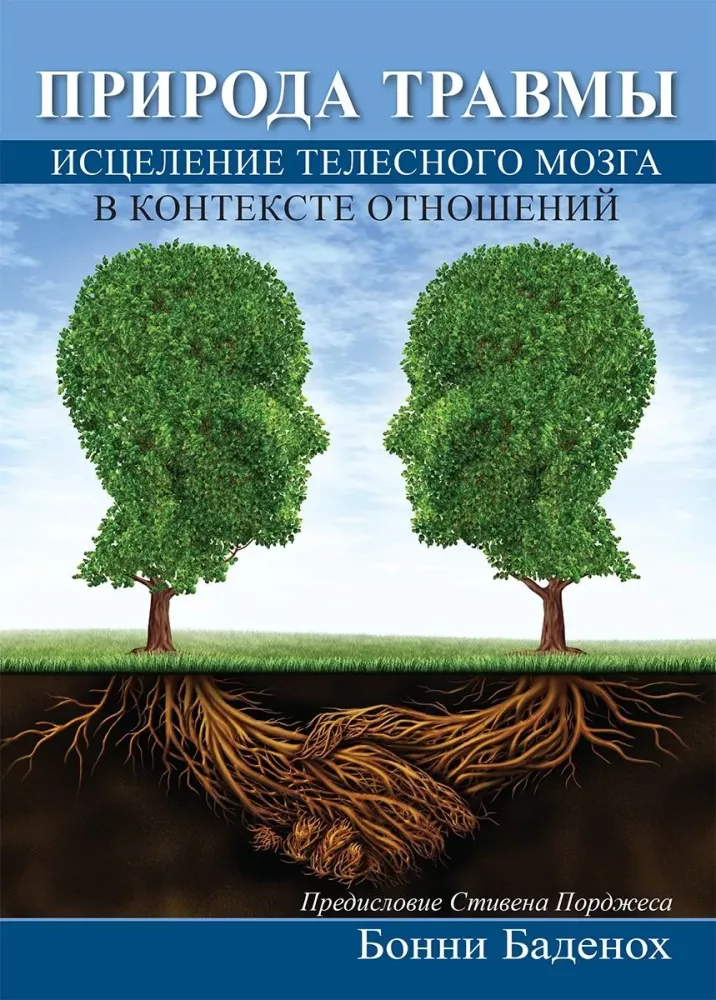
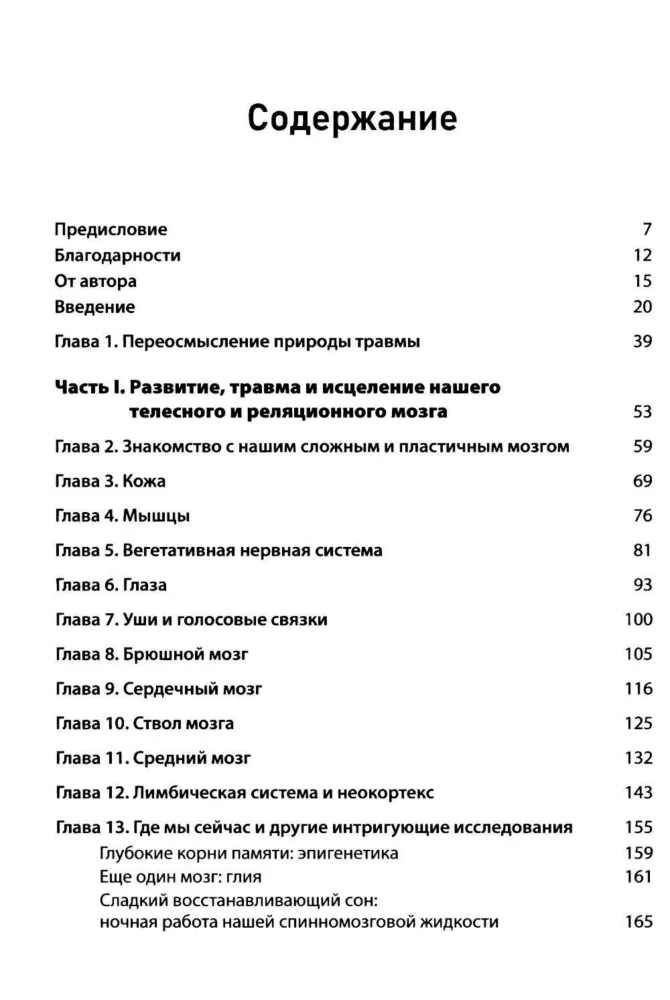
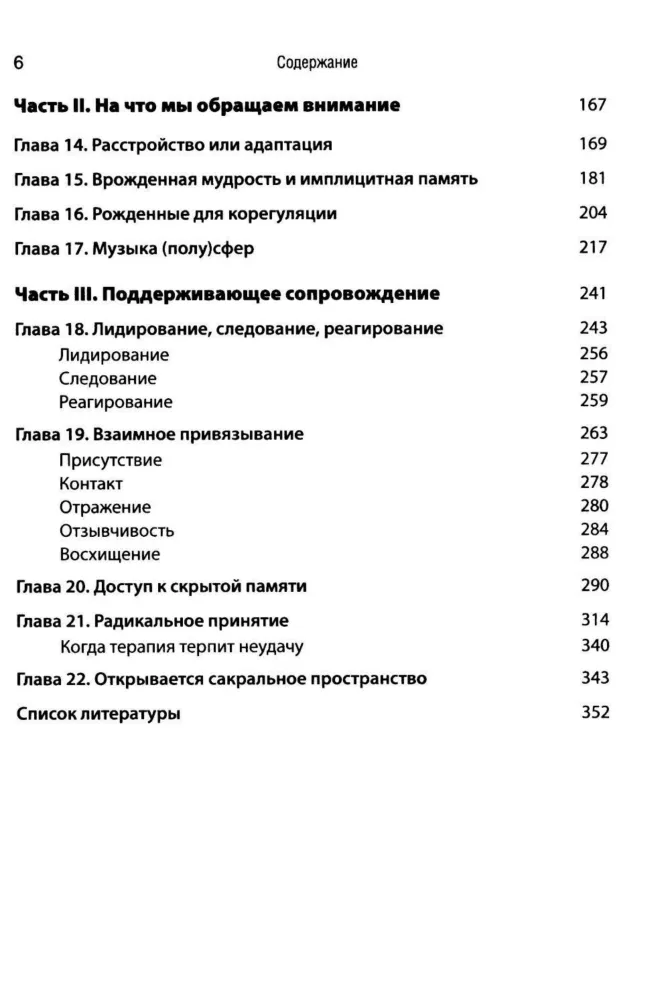
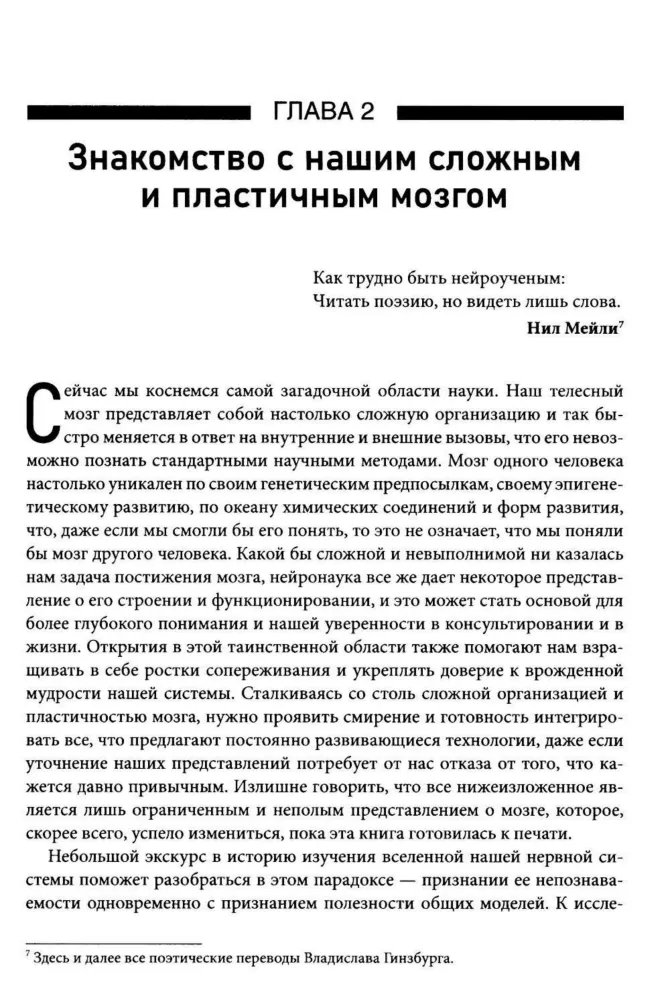

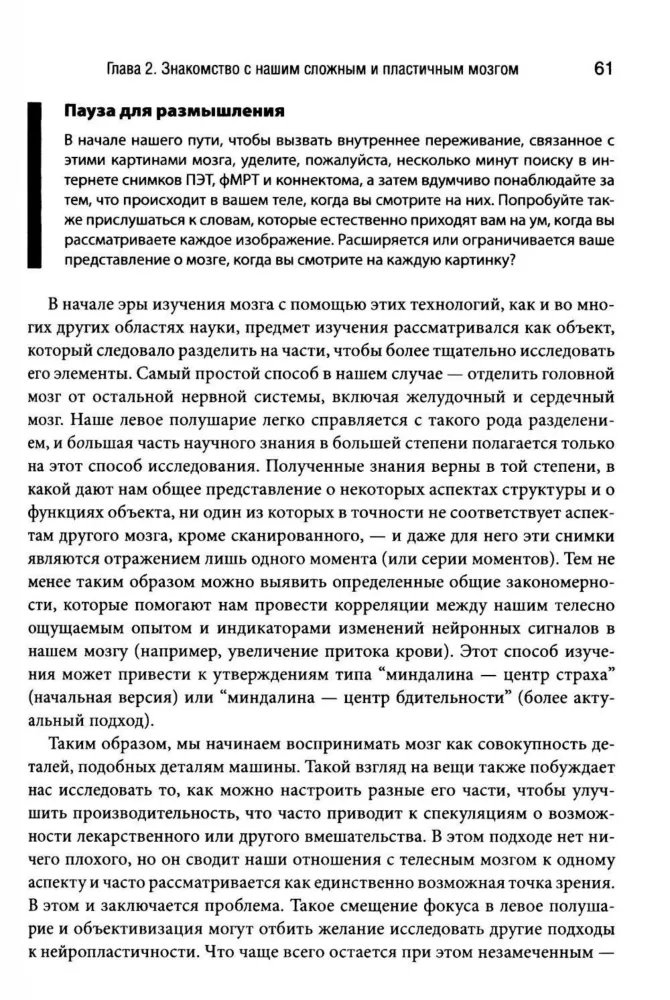


The Nature of Trauma. Healing the Body's Brain in the Context of Relationships
In this book, Bonnie Badenoch presents her own theory that every trauma survivor is capable of healing through the internal resources of their body, but may not always have access to these resources. The therapist's task is to help the...
client find a path to healing. In her reflections on the nature of trauma, the author draws on the achievements of neurobiology and places great hopes on the therapy of healing presence. She urges to rely more on what is called right-brain thinking: on empathy, intuition, compassion, patience, and trust.
According to the author, any negative events in a person's life and the surrounding reality (wars, natural disasters, etc.) implicitly leave their mark on the body—in the muscles, abdomen, and heart, the nervous system, and the brain. An additional burden is placed on each of us by the excess of digital data, leading to what is called digital autism—loss of empathy and skills of ordinary human communication. As a result, the nervous system is exhausted by the fast pace, scattered attention, and loss of presence. Consequently, the number of patients suffering from numerous psychological traumas is increasing.
Bonnie Badenoch believes that the best therapy becomes the ability to provide a safe presence. She asserts that a person is made to enter into warm human relationships and maintain them, and that human communication turns out to be the best therapeutic method.
In her book, Bonnie Badenoch discusses neurobiological concepts in plain human language and offers readers ideas based on the study of the brain and body. In her opinion, a therapist can help a client by relying on the achievements of neurobiology and establishing deep relationships with them (and with themselves). Badenoch is confident that the neurobiology of relationships helps heal long-standing traumas that the client may not even remember, because they are stored beyond awareness.
According to the author, any negative events in a person's life and the surrounding reality (wars, natural disasters, etc.) implicitly leave their mark on the body—in the muscles, abdomen, and heart, the nervous system, and the brain. An additional burden is placed on each of us by the excess of digital data, leading to what is called digital autism—loss of empathy and skills of ordinary human communication. As a result, the nervous system is exhausted by the fast pace, scattered attention, and loss of presence. Consequently, the number of patients suffering from numerous psychological traumas is increasing.
Bonnie Badenoch believes that the best therapy becomes the ability to provide a safe presence. She asserts that a person is made to enter into warm human relationships and maintain them, and that human communication turns out to be the best therapeutic method.
In her book, Bonnie Badenoch discusses neurobiological concepts in plain human language and offers readers ideas based on the study of the brain and body. In her opinion, a therapist can help a client by relying on the achievements of neurobiology and establishing deep relationships with them (and with themselves). Badenoch is confident that the neurobiology of relationships helps heal long-standing traumas that the client may not even remember, because they are stored beyond awareness.
Author: Бонни Баденох
Printhouse: Dialektika
Age restrictions: 16+
Year of publication: 2025
ISBN: 9785907705906
Number of pages: 352
Size: 250x170x17 mm
Cover type: soft
Weight: 479 g
ID: 1748611
In stock
€ 34.49
Will be delivered to United States on 29 September (Tu):
By courier
from € 38.94
Bestsellers




€ 13.29
In stock
12 Weeks in a Year. How to Achieve More in 12 Weeks Than Others Do in 12 Months
Майкл Леннингтон, Брайан Моран


€ 7.89
In stock
Choice. On the Freedom and Inner Strength of a Person
Эдит Ева Эгер, Эсме Швалль-Вейганд



€ 6.99
In stock



€ 5.29
In stock




€ 11.59
In stock
We Are Right for Each Other: How Attachment Theory Can Help Create Harmonious Relationships
Амир Левин, Рэйчел Хеллер