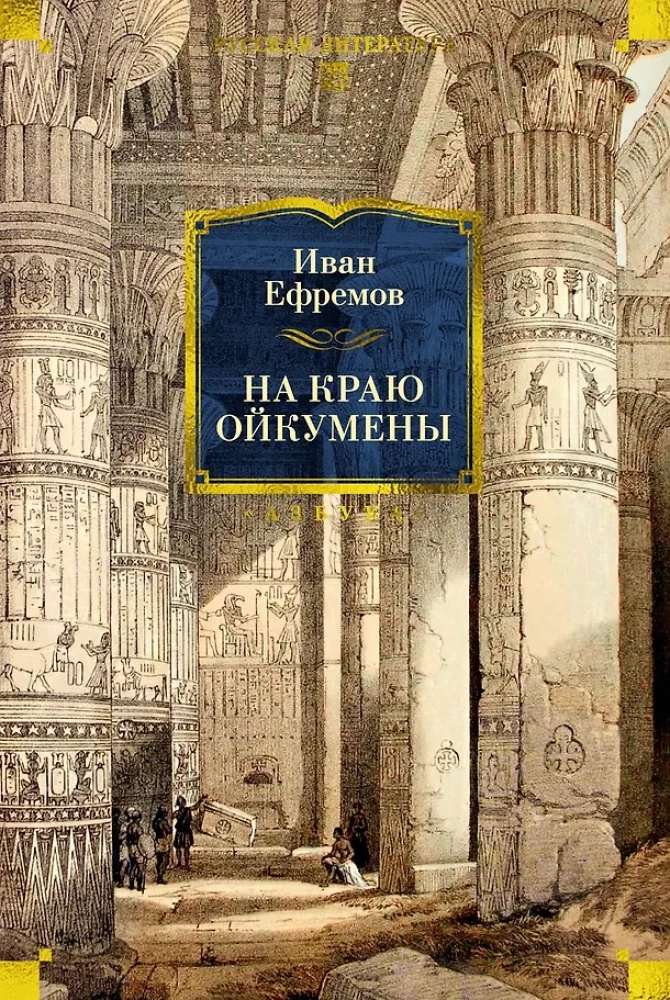
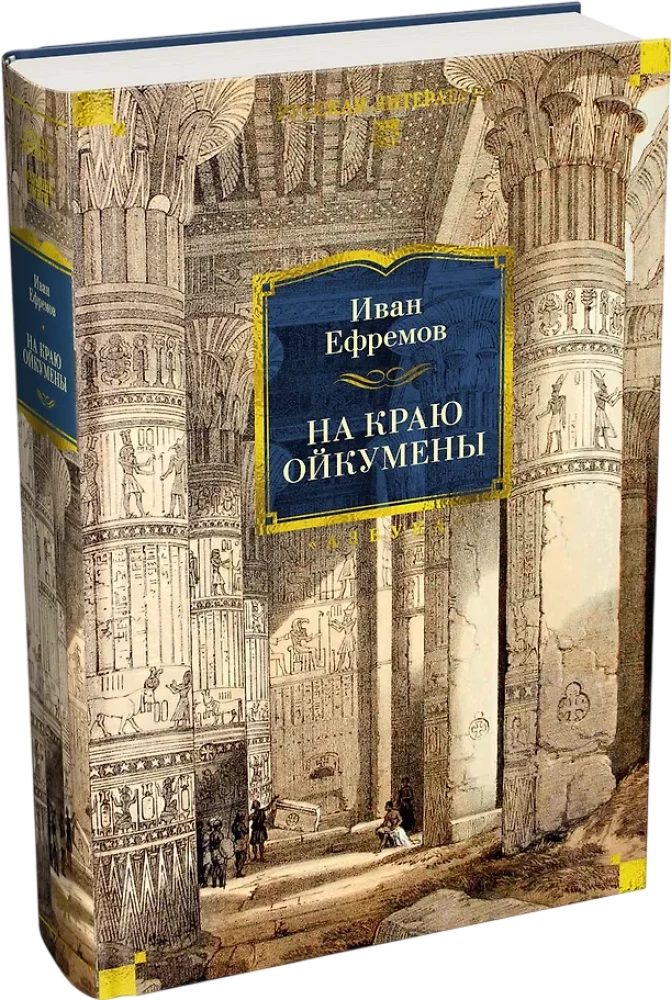

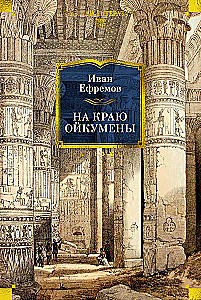
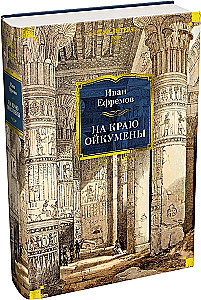

On the Edge of the Oikumene
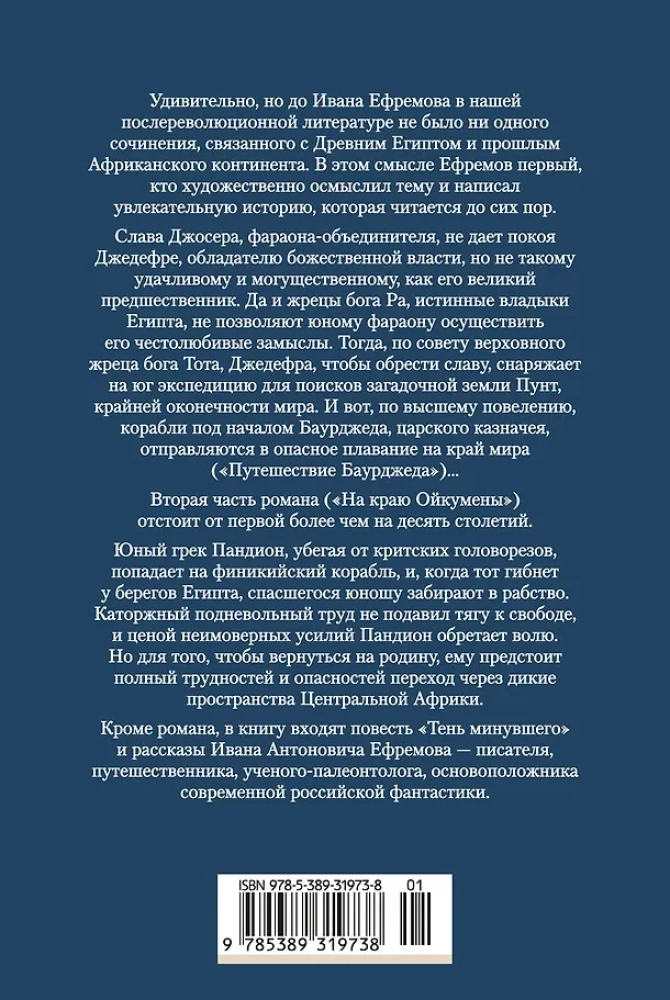
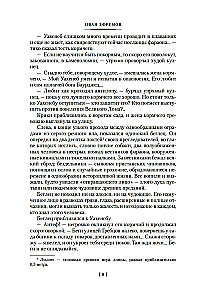
It is amazing, but before Ivan Efremov, there was not a single work in our post-revolutionary literature related to Ancient Egypt and the past of the African continent. In this sense, Efremov is the first to artistically interpret the theme...
and write an engaging story that is still read today.
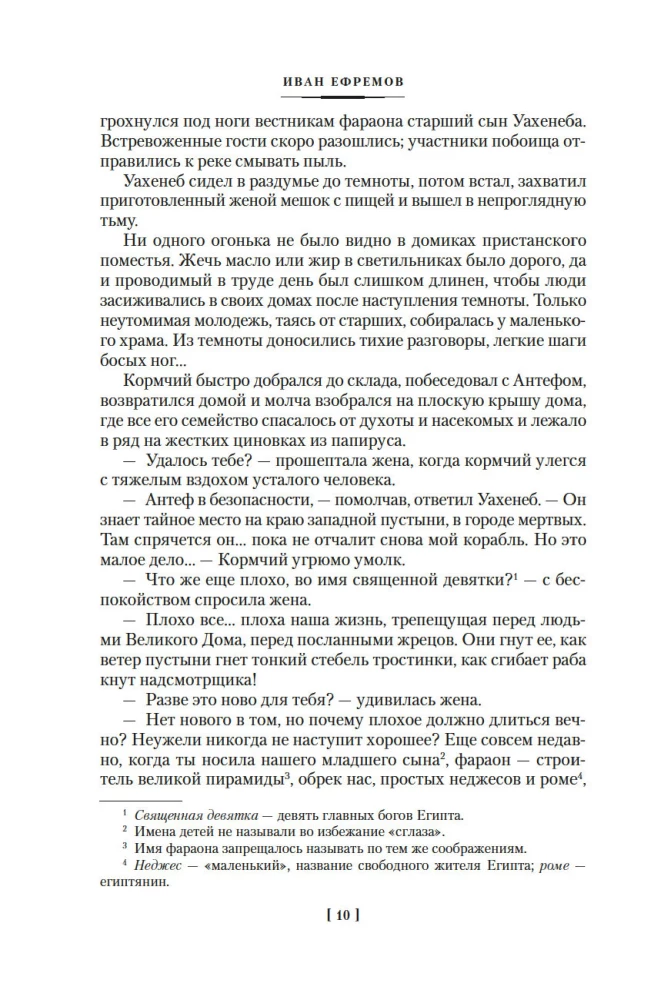
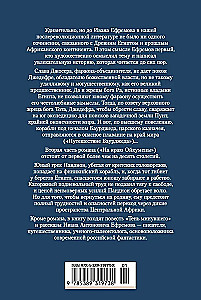
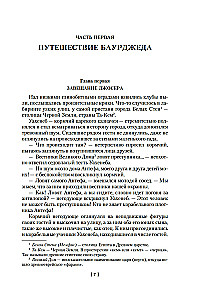
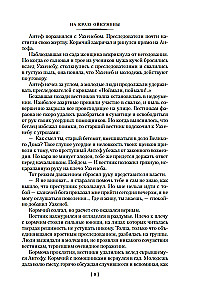
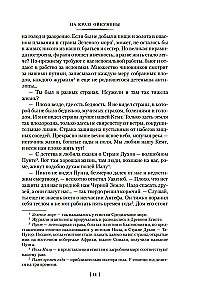
The glory of Djoser, the Pharaoh-unifier, does not give peace to Jedefra, the possessor of divine power, yet not as fortunate and powerful as his great predecessor. The priests of the god Ra, the true rulers of Egypt, also do not allow the young pharaoh to realize his ambitious plans. Then, on the advice of the high priest of the god Thoth, Jedefra, in order to gain glory, equips an expedition to the south in search of the mysterious land of Punt, the farthest edge of the world. And so, by the highest command, ships under the command of Baurdjed, the royal treasurer, set sail on a dangerous voyage to the edge of the world («The Voyage of Baurdjed»)…
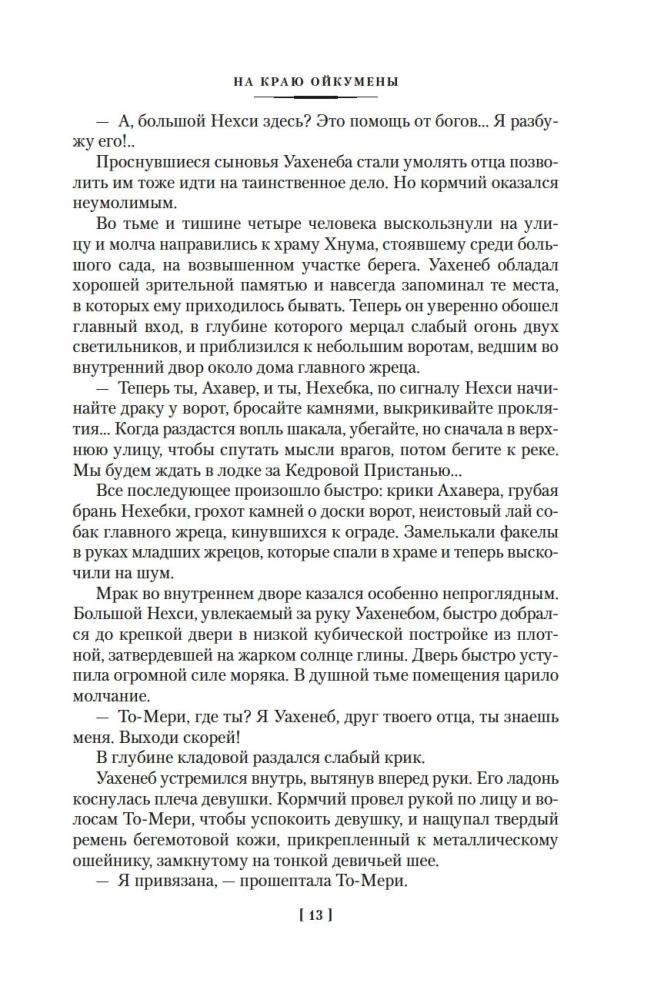
The second part of the novel («On the Edge of the Oikumene») is set more than ten centuries after the first.
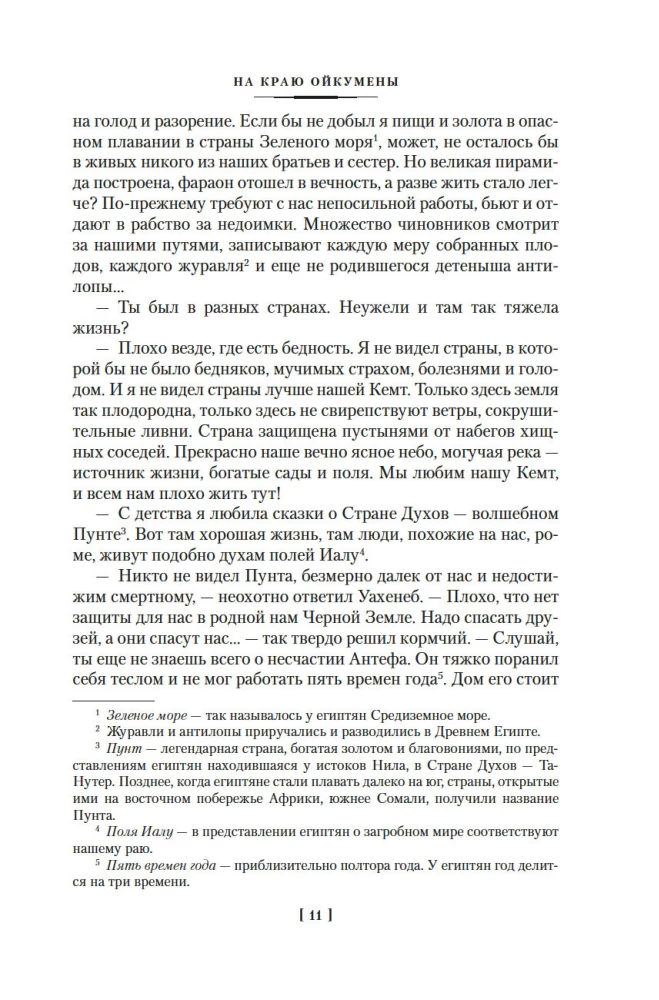
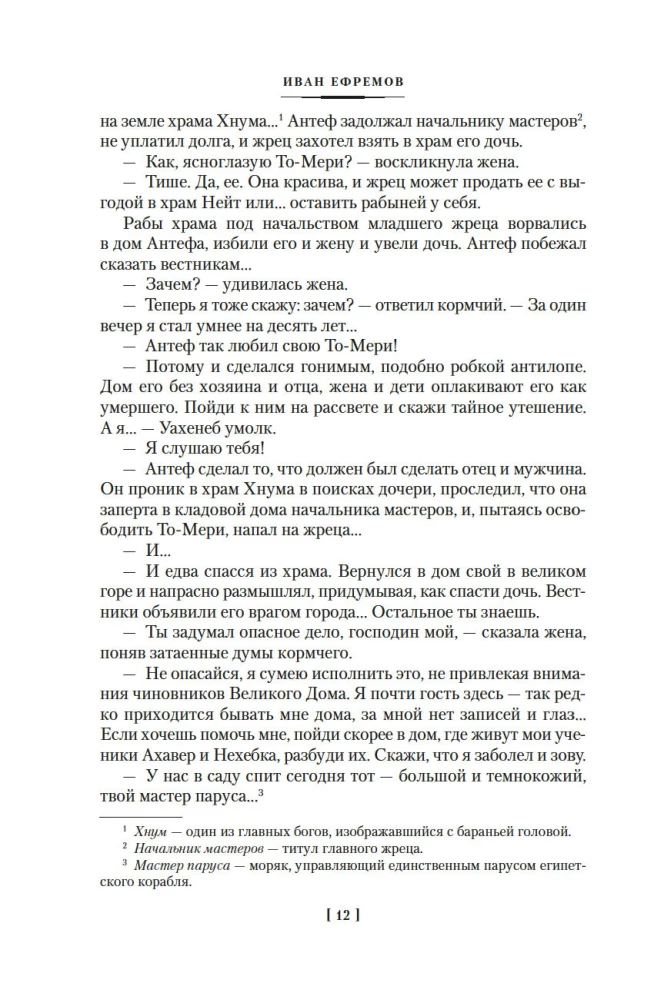
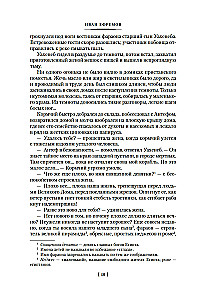
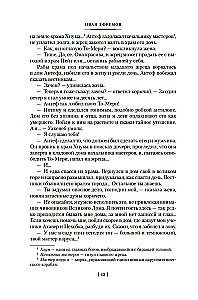
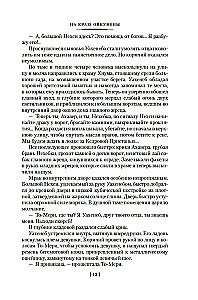
The young Greek Pandion, fleeing from Cretan thugs, ends up on a Phoenician ship, and when it sinks off the coast of Egypt, the surviving youth is taken into slavery. Labor under the harsh conditions did not suppress his yearning for freedom, and at the cost of incredible effort, Pandion gains his liberty. But in order to return to his homeland, he faces a journey full of difficulties and dangers across the wild lands of Central Africa.
In addition to the novel, the book includes the story «The Shadow of the Past» and tales by Ivan Antonovich Efremov — a writer, traveler, paleontologist, and the founder of modern Russian science fiction.
The glory of Djoser, the Pharaoh-unifier, does not give peace to Jedefra, the possessor of divine power, yet not as fortunate and powerful as his great predecessor. The priests of the god Ra, the true rulers of Egypt, also do not allow the young pharaoh to realize his ambitious plans. Then, on the advice of the high priest of the god Thoth, Jedefra, in order to gain glory, equips an expedition to the south in search of the mysterious land of Punt, the farthest edge of the world. And so, by the highest command, ships under the command of Baurdjed, the royal treasurer, set sail on a dangerous voyage to the edge of the world («The Voyage of Baurdjed»)…
The second part of the novel («On the Edge of the Oikumene») is set more than ten centuries after the first.
The young Greek Pandion, fleeing from Cretan thugs, ends up on a Phoenician ship, and when it sinks off the coast of Egypt, the surviving youth is taken into slavery. Labor under the harsh conditions did not suppress his yearning for freedom, and at the cost of incredible effort, Pandion gains his liberty. But in order to return to his homeland, he faces a journey full of difficulties and dangers across the wild lands of Central Africa.
In addition to the novel, the book includes the story «The Shadow of the Past» and tales by Ivan Antonovich Efremov — a writer, traveler, paleontologist, and the founder of modern Russian science fiction.
Author: Иван Ефремов
Printhouse: Azbuka
Series: Russian Literature. Big Books
Age restrictions: 16+
Year of publication: 2026
ISBN: 9785389319738
Number of pages: 896
Size: 210х150х44 mm
Cover type: hard
Weight: 990 g
ID: 1737129
In stock
€ 19.99
Will be delivered to United States on :
Unfortunately, we are currently unable to deliver orders to your region.
In stock
€ 19.99
Will be delivered to United States on :
Unfortunately, we are currently unable to deliver orders to your region.
Bestsellers







Bestseller
€ 12.19
In stock
Kanashibari. Until the Last Lantern Goes Out. Volume 1
Ангелина Шэн, Вероника Шэн