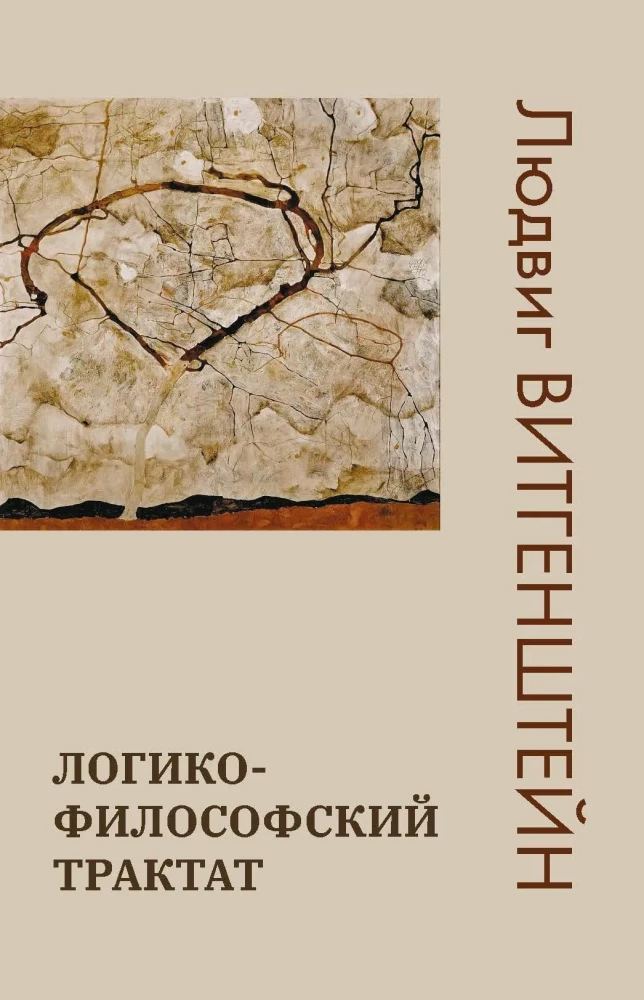
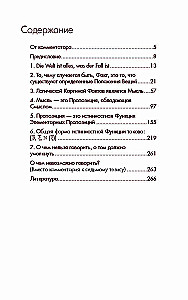
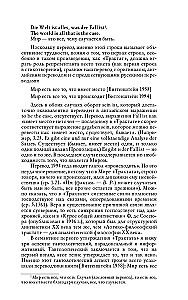
Logical-Philosophical Treatise
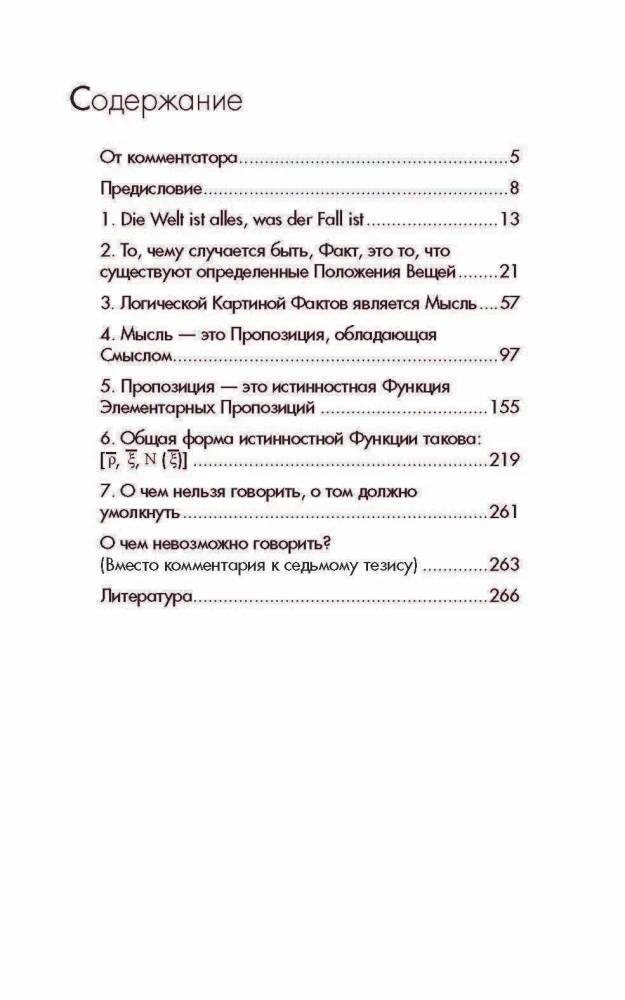
Structurally, the «Logical-Philosophical Treatise» consists of seven aphorisms, accompanied by an elaborate system of explanations. Substantively, it offers a theory that addresses fundamental philosophical problems through the prism of the relationship between language and the world.
Language and the world are... the central concepts of Wittgenstein's entire philosophy. In the «Treatise», they appear as a mirrored pair: language reflects the world because the logical structure of language is identical to the ontological structure of the world. The world consists of facts, not objects, as is the case in most philosophical systems. The world represents the entire set of existing facts. Facts can be simple or complex. Objects are those that, when interacting, form facts. Objects possess a logical form - a set of properties that allow them to enter into various relations. In language, simple facts are described by simple sentences. They, not names, are the simplest linguistic units. Complex facts correspond to complex sentences. The whole language is a complete description of everything that exists in the world, that is, all facts. All sentences that violate the laws of logic or do not pertain to observable facts are deemed meaningless by Wittgenstein.
For students and teachers of philosophy, philology, cultural studies, and anyone interested in contemporary philosophical and cultural issues.
Language and the world are... the central concepts of Wittgenstein's entire philosophy. In the «Treatise», they appear as a mirrored pair: language reflects the world because the logical structure of language is identical to the ontological structure of the world. The world consists of facts, not objects, as is the case in most philosophical systems. The world represents the entire set of existing facts. Facts can be simple or complex. Objects are those that, when interacting, form facts. Objects possess a logical form - a set of properties that allow them to enter into various relations. In language, simple facts are described by simple sentences. They, not names, are the simplest linguistic units. Complex facts correspond to complex sentences. The whole language is a complete description of everything that exists in the world, that is, all facts. All sentences that violate the laws of logic or do not pertain to observable facts are deemed meaningless by Wittgenstein.
For students and teachers of philosophy, philology, cultural studies, and anyone interested in contemporary philosophical and cultural issues.
Author: Людвиг Витгенштейн
Printhouse: Akademicheskii proekt
Age restrictions: 16+
Year of publication: 2022
ISBN: 9785829137762
Number of pages: 271
Size: 210х135х12 mm
Cover type: hard
Weight: 300 g
ID: 1733390
In stock
€ 14.19
Will be delivered to United States on 25 September (Fr):
By courier
from € 38.94
Bestsellers

€ 13.29
In stock
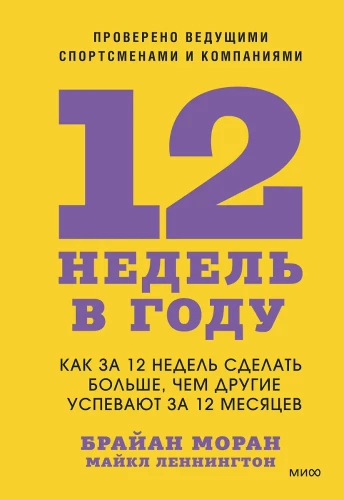
12 Weeks in a Year. How to Achieve More in 12 Weeks Than Others Do in 12 Months
Майкл Леннингтон, Брайан Моран

€ 7.89
In stock
Choice. On the Freedom and Inner Strength of a Person
Эдит Ева Эгер, Эсме Швалль-Вейганд
€ 5.29
In stock
€ 14.99
In stock
The Body Remembers Everything: The Role of Psychological Trauma in a Person's Life and Techniques to Overcome It
Бессел ван дер Колк
€ 6.99
In stock