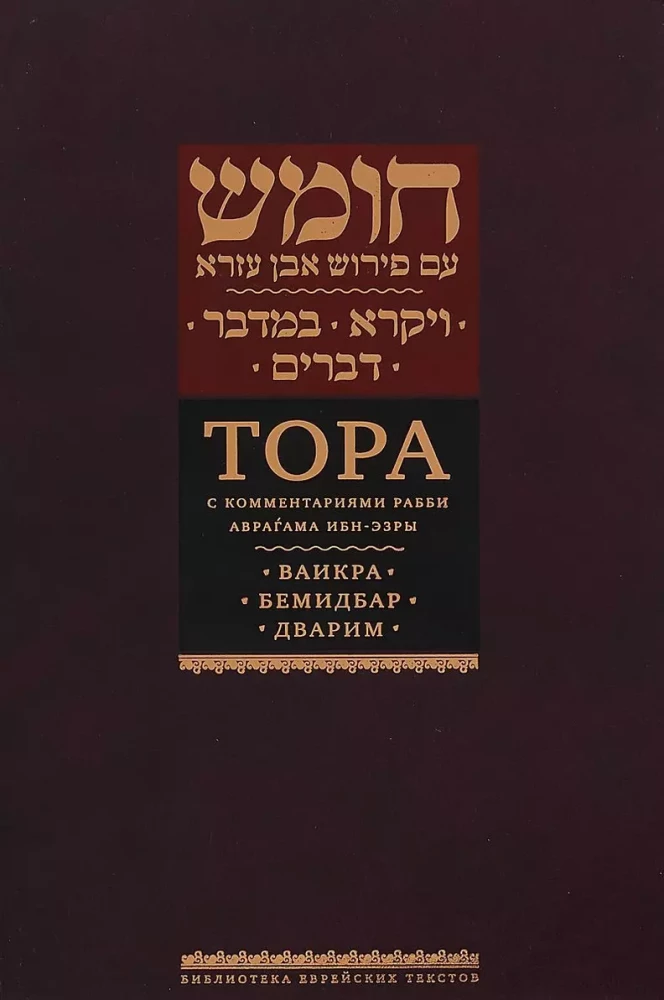
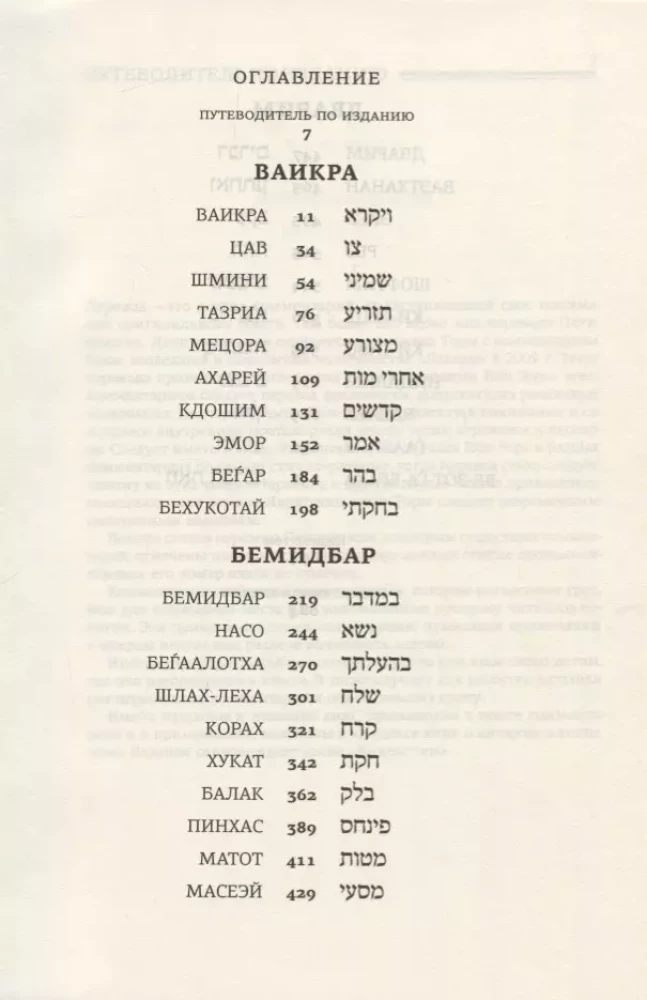
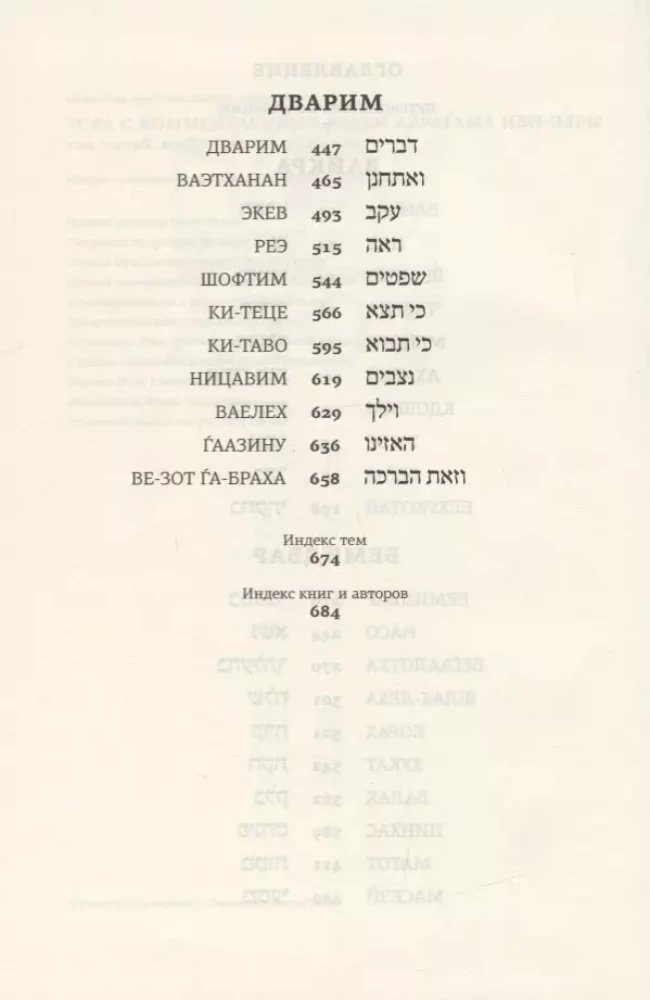
The Torah with commentaries by Rabbi Abraham Ibn Ezra. Vayikra. Bamidbar. Devarim
Rabbi Abraham Ibn Ezra (1089–1164) — philosopher, poet, mathematician and astronomer, philologist and, first and foremost, a great commentator of Scripture. He lived and worked in Muslim Spain, then was forced to leave it and wandered from Egypt to Britain....
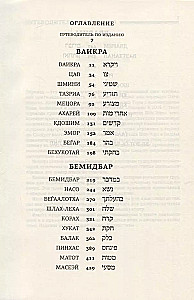
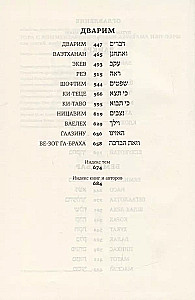
He wrote in Hebrew, Arabic, and Latin. Distinguished by historical-philological foundation, concise style, and critical spirit, Ibn Ezra's commentaries on the Torah are not only widely known — they are studied almost on par with Rashi's commentaries. In the introduction to these commentaries, Ibn Ezra defines his goal as an independent study of the literal meaning of the biblical text. Ibn Ezra's commentaries are primarily based on etymological and grammatical interpretations, but no less so on his personal views of the world. It is generally believed that Rabbi Abraham Ibn Ezra penetrates into the mysteries of Scripture, not mystical, but accessible only to a great mind burdened with much knowledge. This translation is based on the most modern critical editions of the text. The commentaries are supplemented with notes that clarify difficult-to-understand passages or concepts that are little known to the Russian reader. Previously, within the framework of this multi-volume edition, extensive commentaries by Ibn Ezra on the first two books of the Pentateuch: Bereshit and Shemot, were published. The last third volume of the edition contains commentaries on the last three books: Vayikra, Bamidbar, and Devarim. Since they are relatively small in volume, they are usually published under one cover.
Printhouse: Knizhniki
Series: Library of Jewish Texts
Age restrictions: 16+
Year of publication: 2019
ISBN: 9785995306160
Number of pages: 688
Size: 247x176x37 mm
Cover type: hard
Weight: 1090 g
ID: 1684857
Sold out
€ 64.49
Sold out
€ 64.49
Bestsellers


-medium.webp)










Bestseller
€ 12.39
In stock
Intimate Literacy with Parents and Without
Юлия Ярмоленко, Марьяна Гилевич