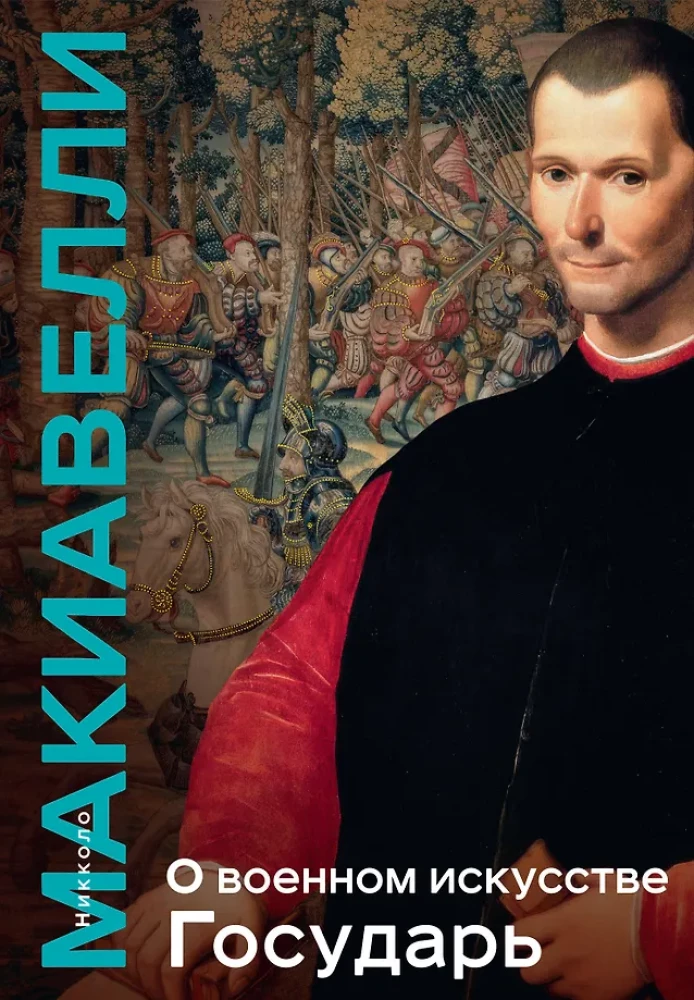
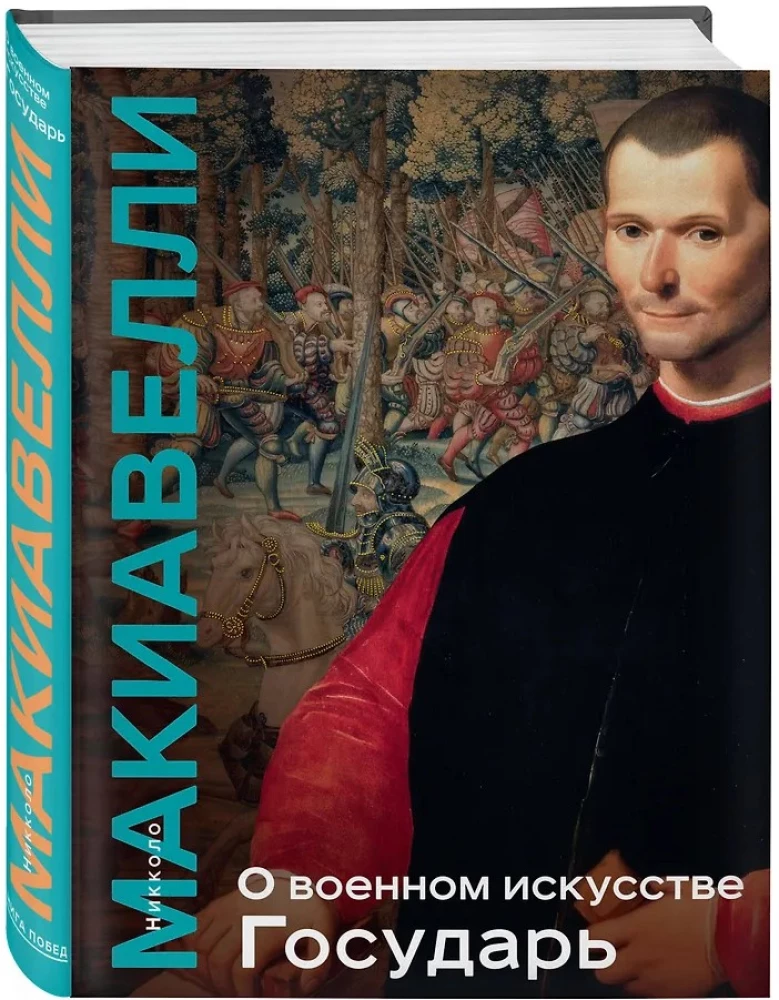
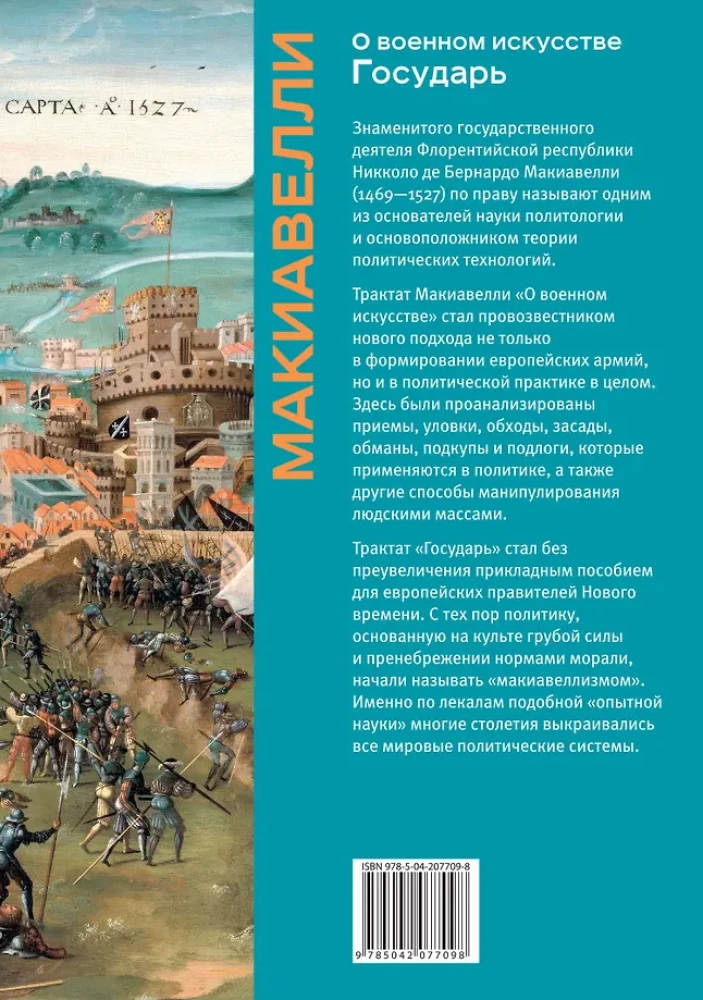
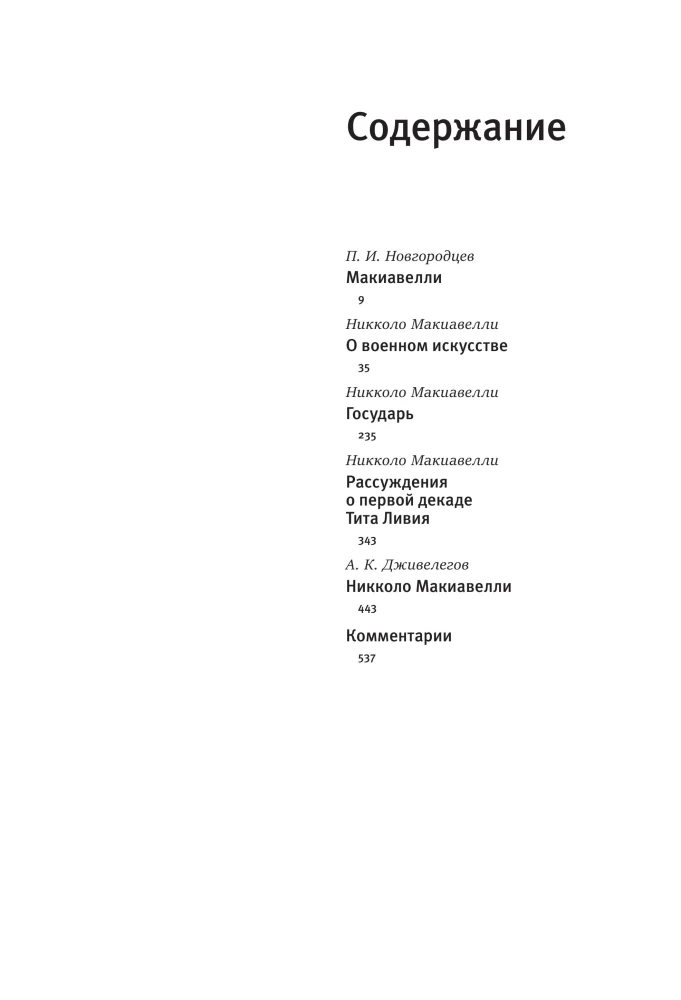
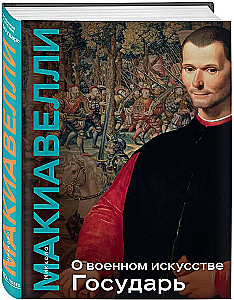
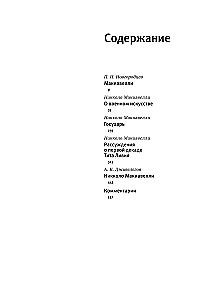

On the Art of War. The Prince
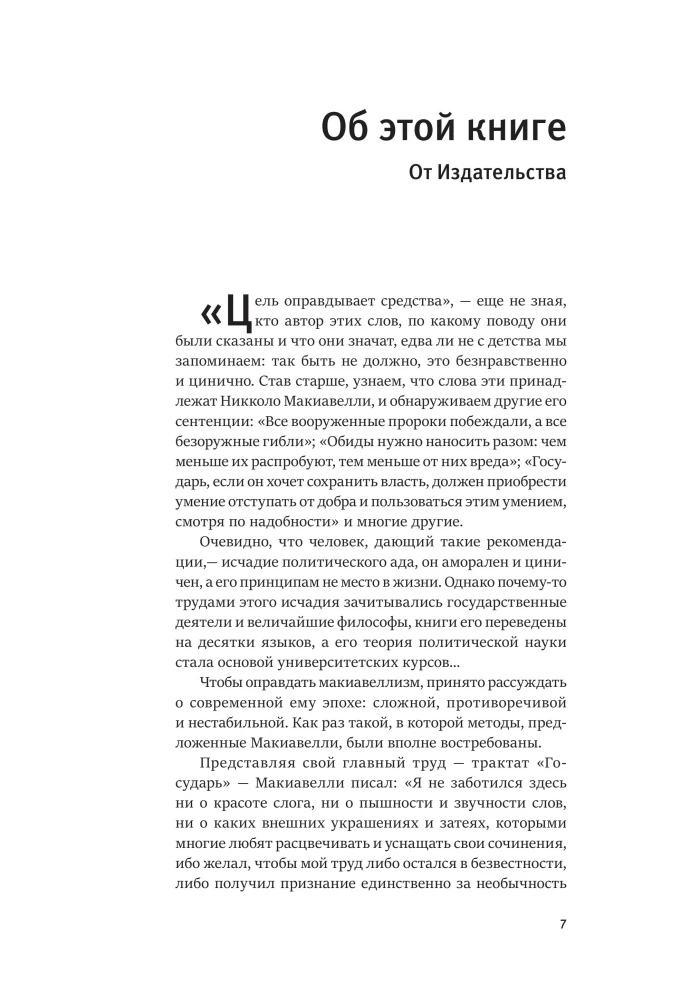
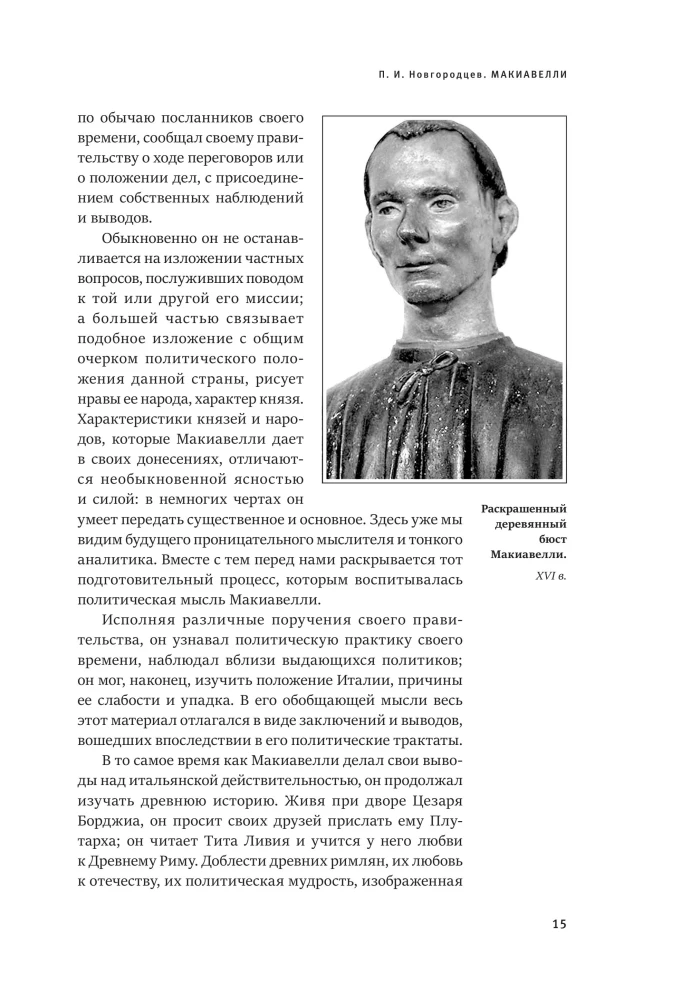
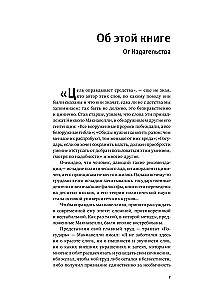
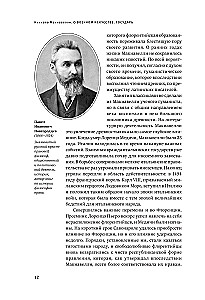
Niccolò Machiavelli, an Italian philosopher and writer of the 15th–16th centuries, left a significant legacy in the field of political philosophy. Machiavelli rejected idealistic views of politics, instead focusing on realism and pragmatism. His approach was based on the understanding...
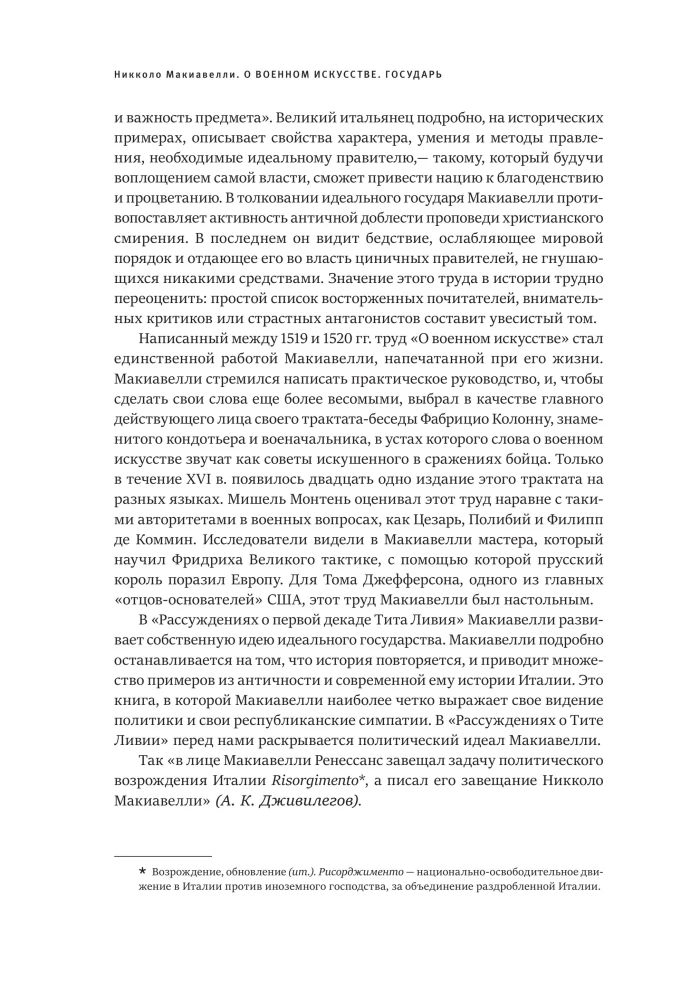
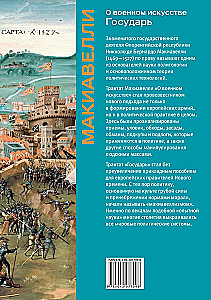
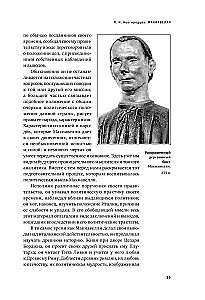
that politics cannot follow moral norms, as was often implied in ancient philosophy. Machiavelli became the founder of modern political analysis, and his works continue to provoke interest and discussion among philosophers, historians, and political scientists. His ideas have influenced many different eras and cultures, from the Renaissance to the modern world. Machiavelli's works will be useful for leaders seeking to understand the mechanisms of power and governance, as well as for those studying political theory, history, and the ethics of power. This book includes three works of the thinker: “The Prince,” “On the Art of War,” and “Discourses on the First Decade of Titus Livius.” About the series: “The Book of Victories” is a collectible series of gift illustrated books that brings together figures of legendary historical personalities, each of whom contributed to the art of winning. The editions included in the series are dedicated not only to the intricacies of military science, tactics, and strategy, but also to the cultivation of spirit, will, and qualities of a true leader necessary for victory. Legendary commanders, thinkers, and statesmen serve as conversationalists and teachers. Each book in the series is designed in a unique way with an extended frontispiece, simulating a seal on the edge, and is accompanied by a large number of illustrations that allow for a fuller immersion in the spirit of the glorious era and better understanding of the lessons of the great. A book with unique gift design will be a true adornment for the home library of true book lovers and collectors of rare books, a worthy gift for friends and business partners, as well as a valuable source for anyone interested in military history and its key figures, the history of government, and the role of individuals in history.
Author: Никколо Макиавелли
Printhouse: Eksmo
Series: Gift Editions. The Book of Victories
Age restrictions: 12+
Year of publication: 2024
ISBN: 9785042077098
Number of pages: 544
Size: 246x173x36 mm
Cover type: твердая
Weight: 1055 g
ID: 1680205
In stock
€ 27.29
Will be delivered to United States on 6 July (Mo):
By courier
from € 38.94
Bestsellers






€ 5.19
In stock

€ 9.29
In stock
Choice. On the Freedom and Inner Strength of a Person
Эдит Ева Эгер, Эсме Швалль-Вейганд


Publishers "Eksmo" recommends








Bestseller
€ 14.99
In stock
FNAF Silver Eyes. Graphic Novel
Кира Брид-Райсли, Скотт Коутон, Карл Шрёдер