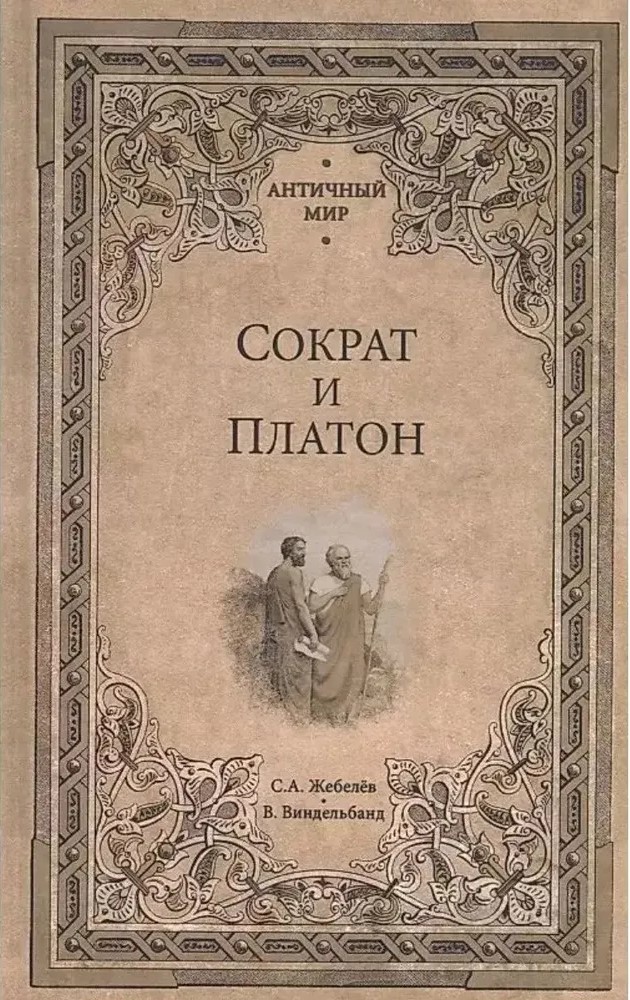
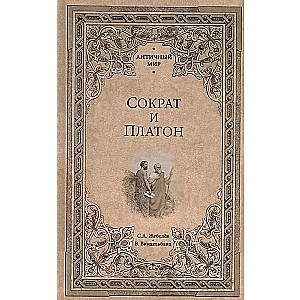
Socrates and Plato
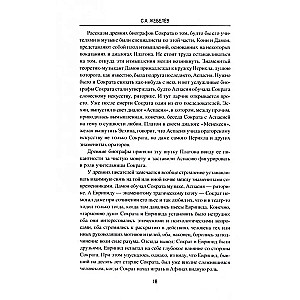
Socrates and Plato met in 408 BC and remained together until Socrates' death. At 20, Plato, a talented young man with great promise, was preparing to participate in a poetic competition as a playwright and accidentally witnessed a conversation of...
Socrates outside the theater. He was so struck by what he heard that he burned his poems and decided to dedicate himself exclusively to philosophy.
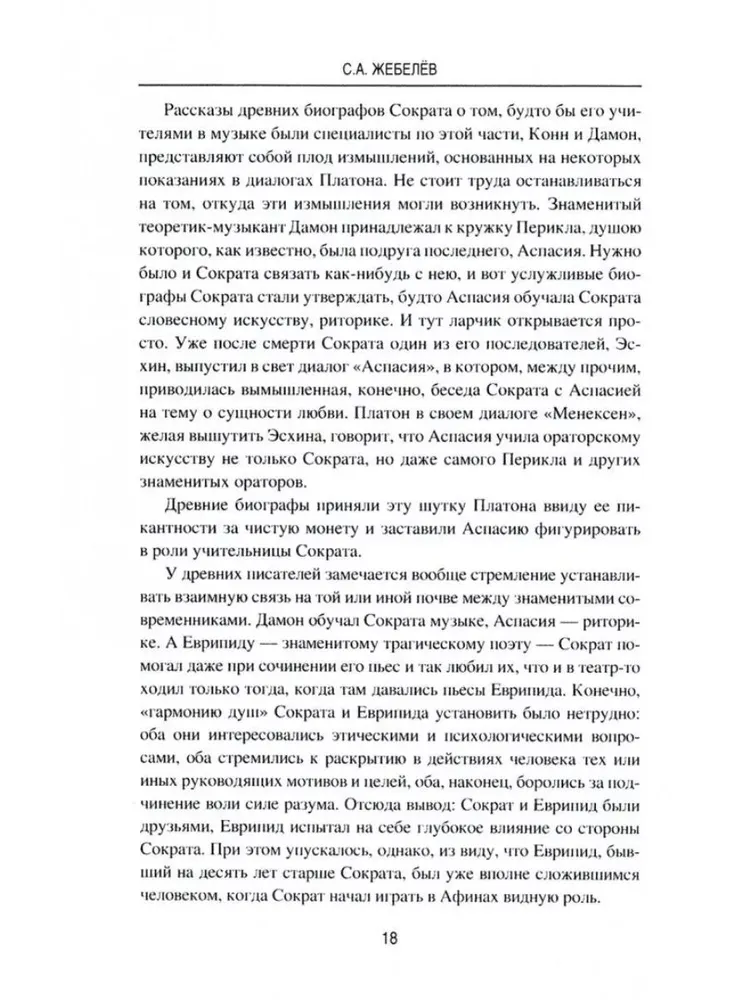
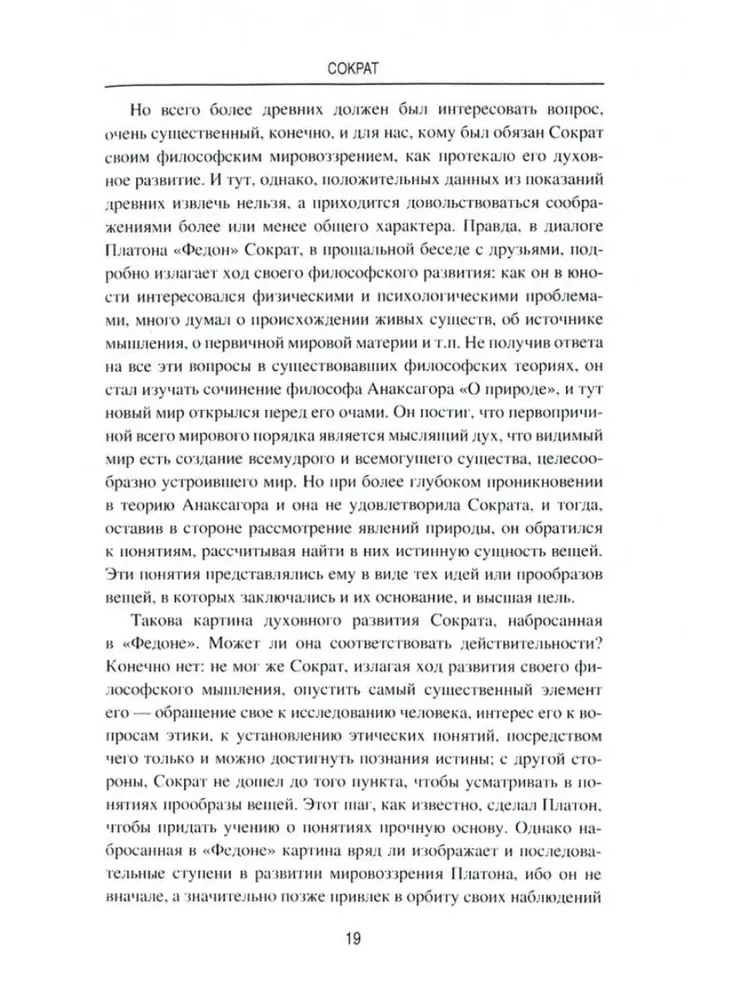
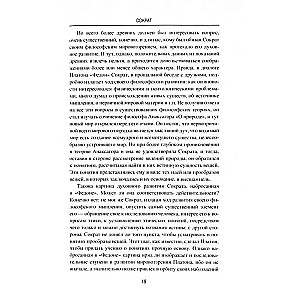
It is well known that Socrates' thought had a powerful impact on Plato's philosophy, but understanding the nature of this influence and the extent to which it is manifested in Plato's dialogues is no easy task. Different viewpoints have been proposed on this issue over time. According to one of them, one should not look for differences between Plato and Socrates, as the main tenets of Platonism are borrowed from the teachings of the Pythagoreans thanks to Socrates' philosophy. It is assumed that Socrates himself, adopting the concept of ideas from the Pythagoreans, included in it the ideas of metaphysical and moral realities. In other words, Socratic philosophical thought is fully expressed in Plato's dialogues and constitutes their sole content.
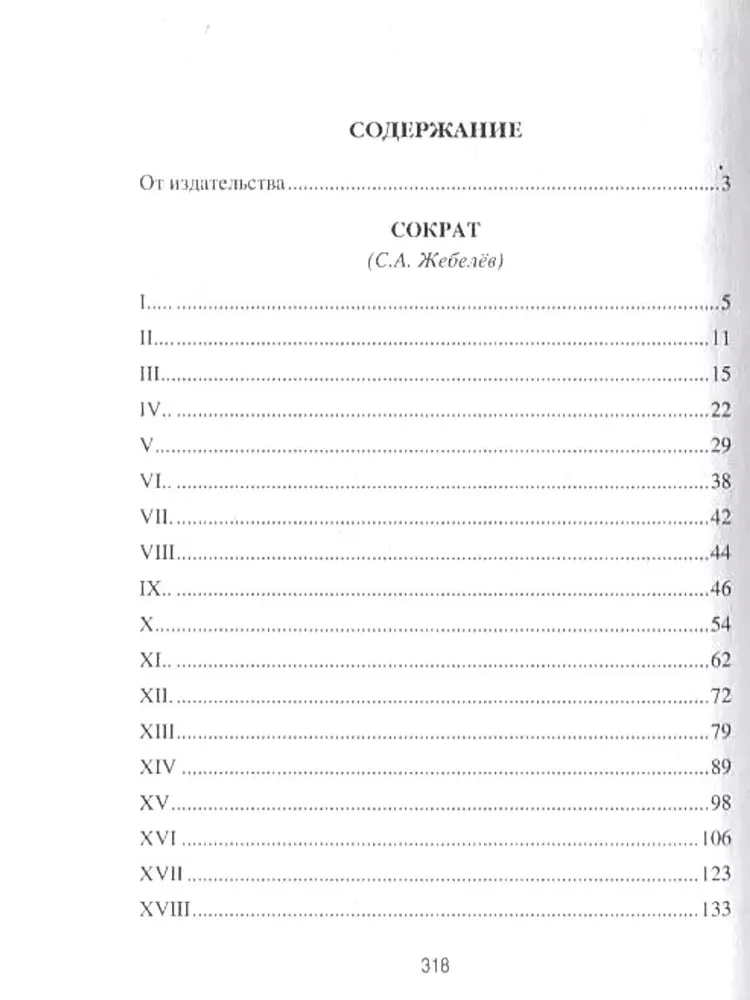
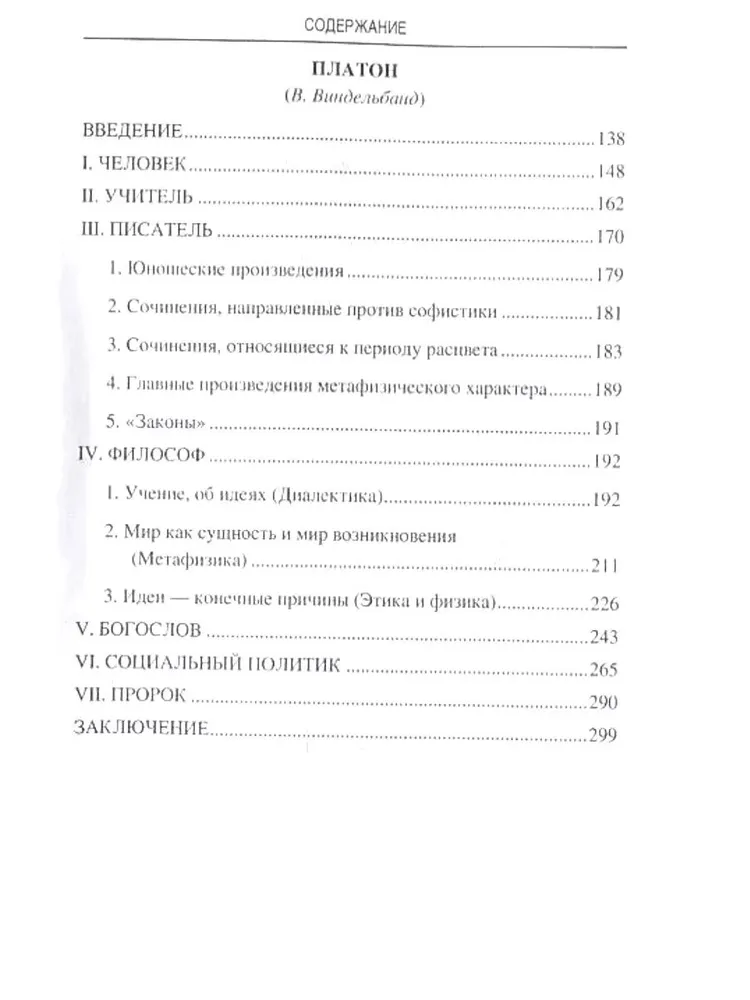
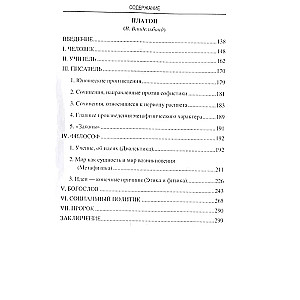
This collection features two works by historians of Antiquity: S.A. Zhebelev (1867—1941), a well-known Russian and Soviet classical philologist, and W. Windelband (1848—1915), a German idealist philosopher.
It is well known that Socrates' thought had a powerful impact on Plato's philosophy, but understanding the nature of this influence and the extent to which it is manifested in Plato's dialogues is no easy task. Different viewpoints have been proposed on this issue over time. According to one of them, one should not look for differences between Plato and Socrates, as the main tenets of Platonism are borrowed from the teachings of the Pythagoreans thanks to Socrates' philosophy. It is assumed that Socrates himself, adopting the concept of ideas from the Pythagoreans, included in it the ideas of metaphysical and moral realities. In other words, Socratic philosophical thought is fully expressed in Plato's dialogues and constitutes their sole content.
This collection features two works by historians of Antiquity: S.A. Zhebelev (1867—1941), a well-known Russian and Soviet classical philologist, and W. Windelband (1848—1915), a German idealist philosopher.
Author: ЖЕБЕЛЕВ С., ВИНДЕЛЬБАНД В.
Printhouse: Veche
Series: The Ancient World
Age restrictions: 12+
Year of publication: 2022
ISBN: 9785448436291
Number of pages: 320
Size: 210x140x19 мм mm
Cover type: Твердый переплет
Weight: 366 g
ID: 1670052
Sold out
€ 12.29
Sold out
€ 12.29
Bestsellers





€ 7.89
In stock
Choice. On the Freedom and Inner Strength of a Person
Эдит Ева Эгер, Эсме Швалль-Вейганд




€ 6.99
In stock