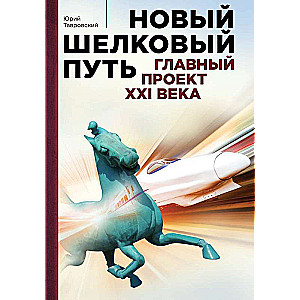
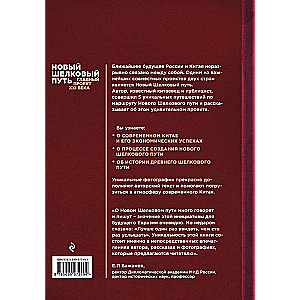
This book is the world's first attempt to document the practical implementation of the "Economic Belt and Road Initiative," put forward in the fall of 2013 by Chinese leader Xi Jinping. The author's years of trusting relationships with prominent figures...
in Chinese diplomatic and academic circles allowed for 5 unique journeys to be made throughout 2016 along the entire route – from the starting point of the New Silk Road, the port city of Lianyungang on the coast of the Yellow Sea, to the border checkpoints of Alashankou and Khorgos, through which railway and road routes lead to Kazakhstan, Russia, and other countries in Eurasia. It discusses the achievements in creating the New Silk Road as well as the emerging problems. The description of the current state of infrastructure, industry, and logistics is accompanied by brief stories about the history of certain places during the time of the Great Silk Road. Yuri Vadimovich Tavrovskiy is a sinologist, publicist, and professor at the Peoples' Friendship University of Russia. He has been studying China for nearly half a century. He worked in the Chinese editorial office of the State Television and Radio of the USSR, as a correspondent for the magazine "Novoe Vremya" in Japan. He was an employee of the Ideological Department of the Central Committee of the Communist Party of the Soviet Union, a reviewer for the newspaper "Izvestia," and a host of an international program on Russian television, and published the magazine "Diplomat."
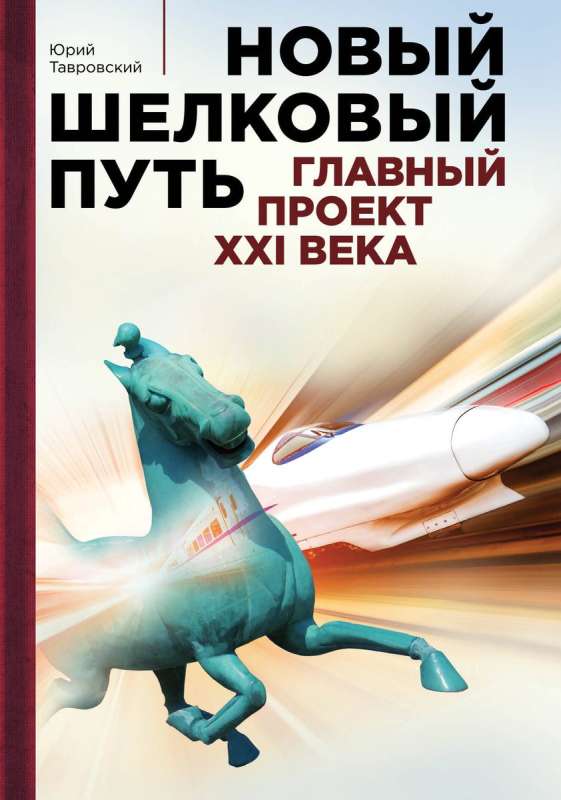
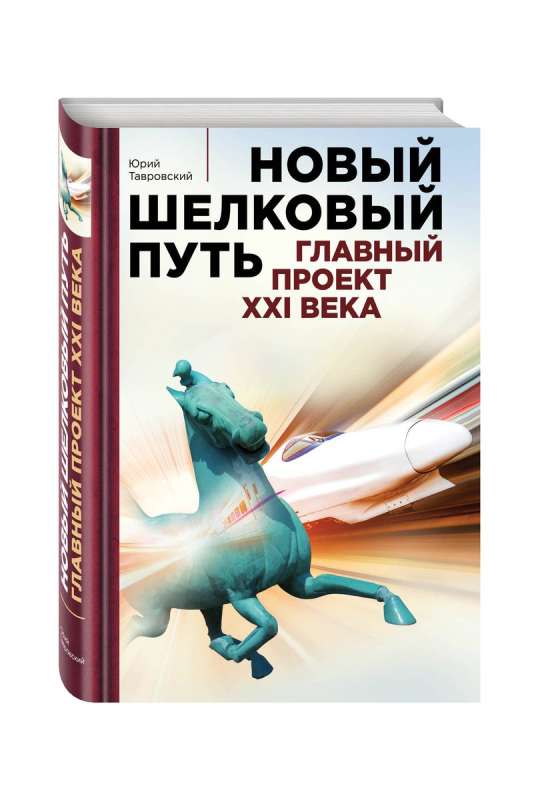
This book is the world's first attempt to document the practical implementation of the "Economic Belt and Road Initiative," put forward in the fall of 2013 by Chinese leader Xi Jinping. The author's years of trusting relationships with prominent figures in Chinese diplomatic and academic circles allowed for 5 unique journeys to be made throughout 2016 along the entire route – from the starting point of the New Silk Road, the port city of Lianyungang on the coast of the Yellow Sea, to the border checkpoints of Alashankou and Khorgos, through which railway and road routes lead to Kazakhstan, Russia, and other countries in Eurasia. It discusses the achievements in creating the New Silk Road as well as the emerging problems. The description of the current state of infrastructure, industry, and logistics is accompanied by brief stories about the history of certain places during the time of the Great Silk Road. Yuri Vadimovich Tavrovskiy is a sinologist, publicist, and professor at the Peoples' Friendship University of Russia. He has been studying China for nearly half a century. He worked in the Chinese editorial office of the State Television and Radio of the USSR, as a correspondent for the magazine "Novoe Vremya" in Japan. He was an employee of the Ideological Department of the Central Committee of the Communist Party of the Soviet Union, a reviewer for the newspaper "Izvestia," and a host of an international program on Russian television, and published the magazine "Diplomat."
Be the first to know about our current discounts, offers and new products!
Check icon
You have added to your basket
Check icon
You have added to favourites
Sold out
The item is currently out of stock.
In stock
Available in warehouse. You will receive the exact delivery date from the operator after the order confirmation.
To order
The product is delivered directly from the publisher. The order processing time is up to 14 days, you will receive the exact delivery date from the operator after the order confirmation.