-large.webp)

-thumb.jpg)
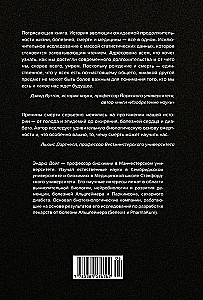

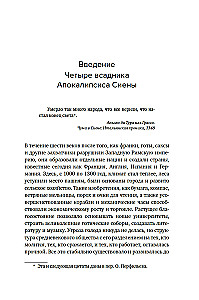
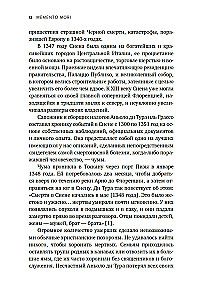
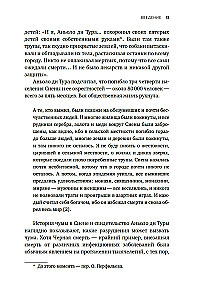
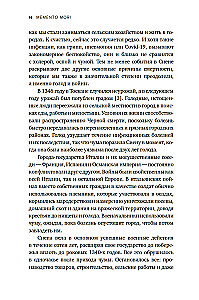
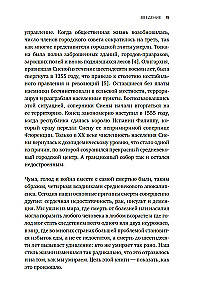
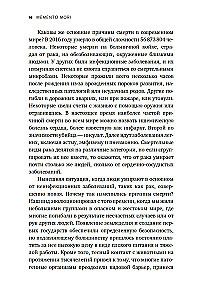
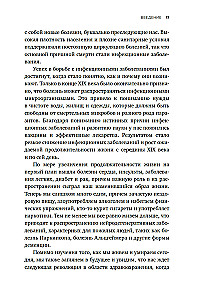
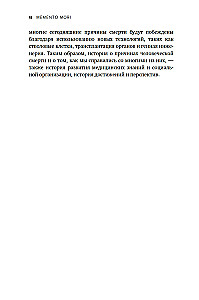
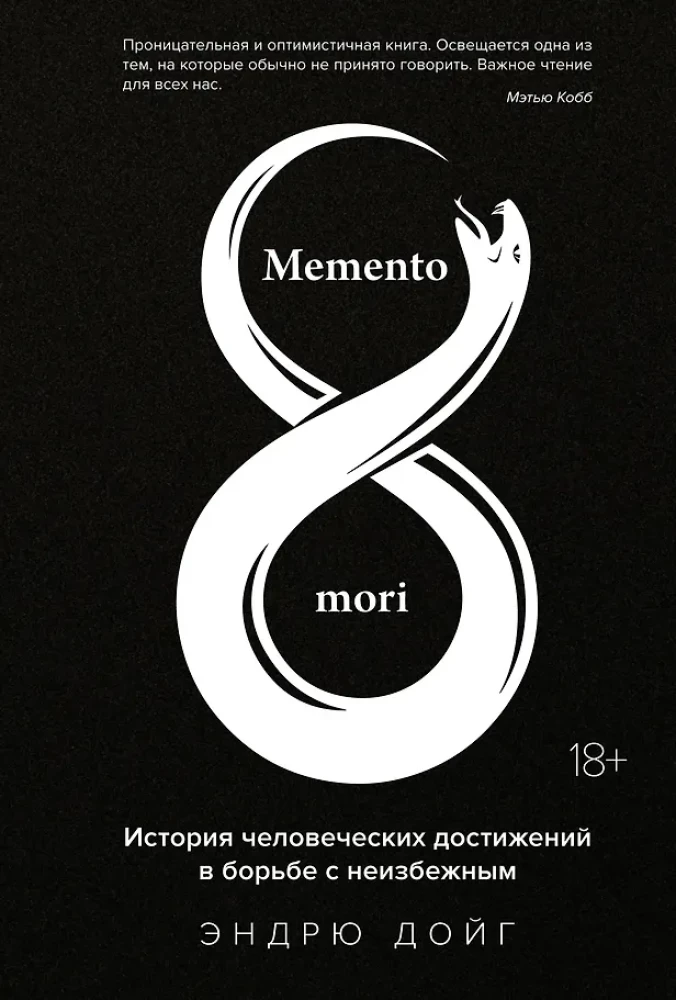
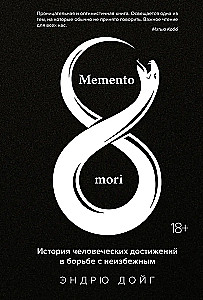
Memento mori. The History of Human Achievements in the Struggle Against the Inevitable
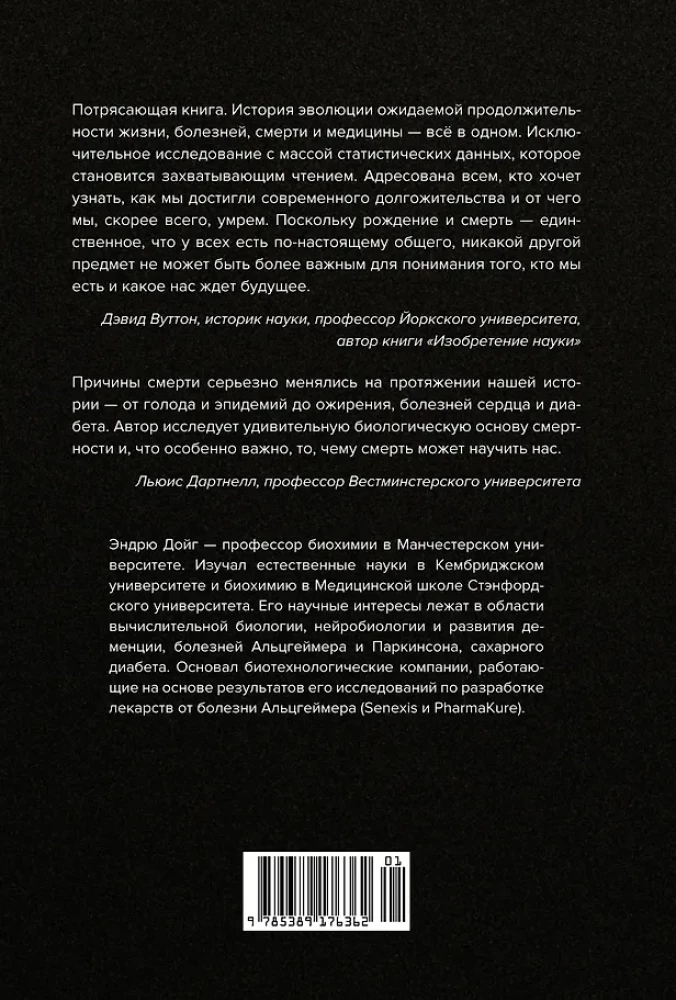
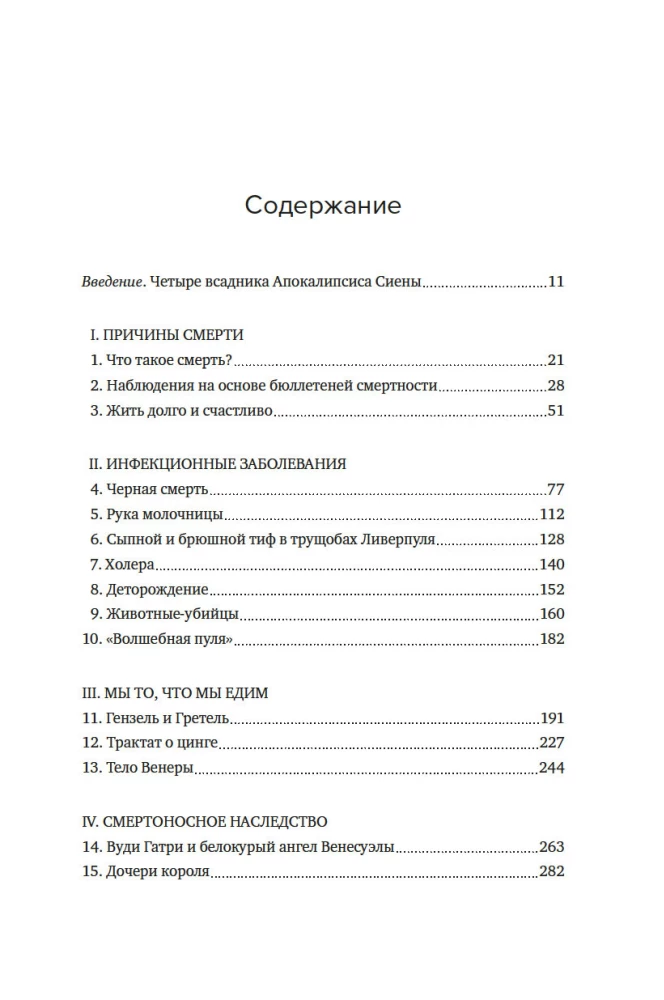
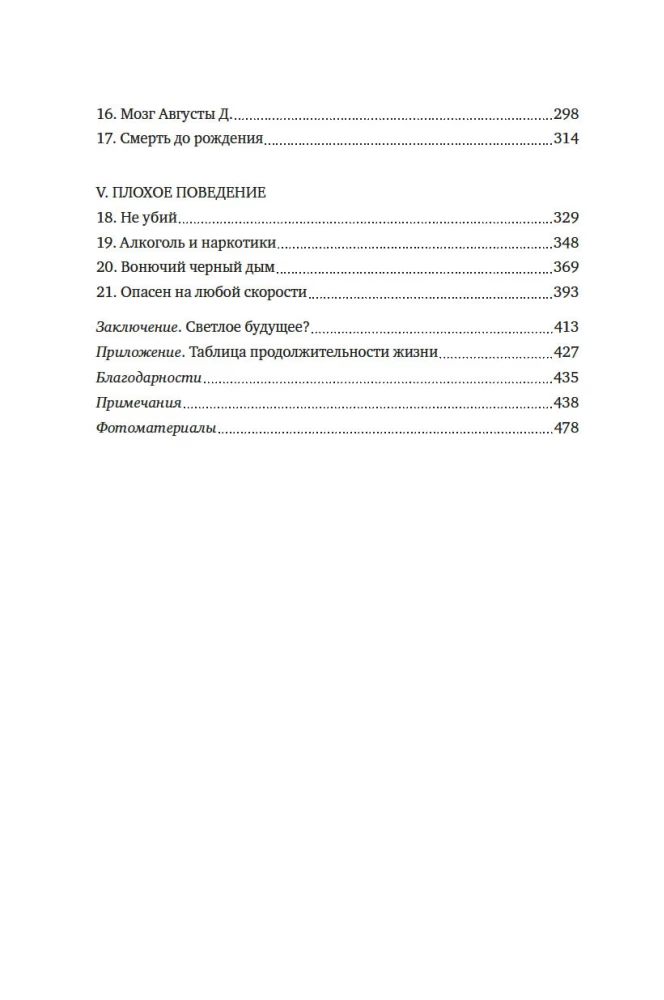
This is a book on a controversial topic — about the risks that have accompanied human life over the centuries and how people have learned to avoid them in their natural desire for longevity. Just 100 years ago, people primarily...
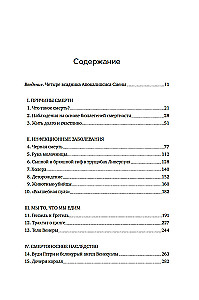
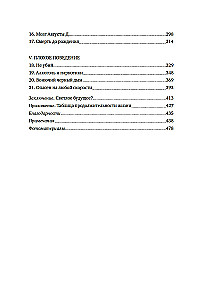
died from infectious diseases, whereas today the main causes of death in industrially developed countries are heart disease, stroke, and cancer. By studying such statistics, we can understand how previous generations lived, learn from their mistakes, borrow the best, and create anew. From medieval famine and the now semi-forgotten scurvy to modern obesity; from the discovery of vitamin C and basic rules of sanitation and hygiene to stem cell therapy, DNA editing, and genetic engineering — by illuminating the causes of human death across multiple generations and issues of health care, Professor Andrew Doig of the University of Manchester enriches his narrative with fascinating facts from the realms of history, culture, politics, law, and economics. The topic of harmful habits and various addictions stands out particularly. An engaging story of the accumulation of knowledge in medicine, amazing achievements, and hopes for the future.
«Our lifestyle has changed so radically that it has affected how we die. The goal of this book is to show how this has happened. In addition to examining how we live and die today, we will also look into the future and see what the next revolution in healthcare holds for us, as many of today's causes of death will be overcome through the use of new technologies such as stem cells, organ transplantation, and genetic engineering. Thus, the story of the causes of human death and how we have dealt with many of them is also a story of the development of medical knowledge and social organization, a story of achievements and prospects.» (Andrew Doig)
The book has made it onto The Guardian's list of recommended popular science books for 2022, and is featured in The Times' list of best books for 2022. It is a landmark book of 2022 according to Times and Observer.
«Our lifestyle has changed so radically that it has affected how we die. The goal of this book is to show how this has happened. In addition to examining how we live and die today, we will also look into the future and see what the next revolution in healthcare holds for us, as many of today's causes of death will be overcome through the use of new technologies such as stem cells, organ transplantation, and genetic engineering. Thus, the story of the causes of human death and how we have dealt with many of them is also a story of the development of medical knowledge and social organization, a story of achievements and prospects.» (Andrew Doig)
The book has made it onto The Guardian's list of recommended popular science books for 2022, and is featured in The Times' list of best books for 2022. It is a landmark book of 2022 according to Times and Observer.
Author: Эндрю Дойг
Printhouse: KoLibri
Series: Scientific Interest
Age restrictions: 18+
Year of publication: 2023
ISBN: 9785389176362
Number of pages: 480
Size: 210х140х26 mm
Cover type: hard
Weight: 607 g
ID: 1288882
Sold out
€ 12.19
Sold out
€ 12.19
Bestsellers



€ 5.19
In stock

€ 9.29
In stock
Choice. On the Freedom and Inner Strength of a Person
Эдит Ева Эгер, Эсме Швалль-Вейганд