










How to Read and Understand the Masterpieces of Impressionism. The Great Encyclopedia
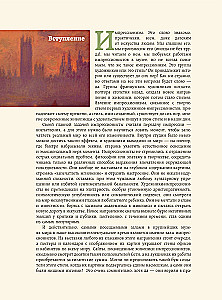
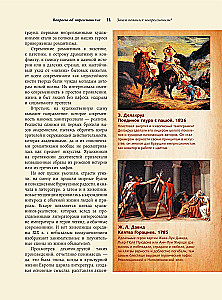
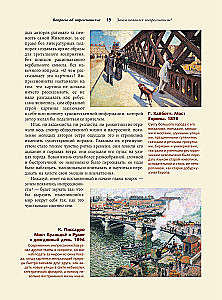
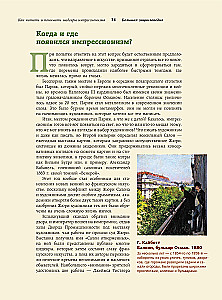
Once, a century and a half ago, a group of unknown French artists made a truly revolutionary breakthrough in art. The innovations and ideas of this movement completely changed the artistic perception of the 19th and 20th centuries. The main...
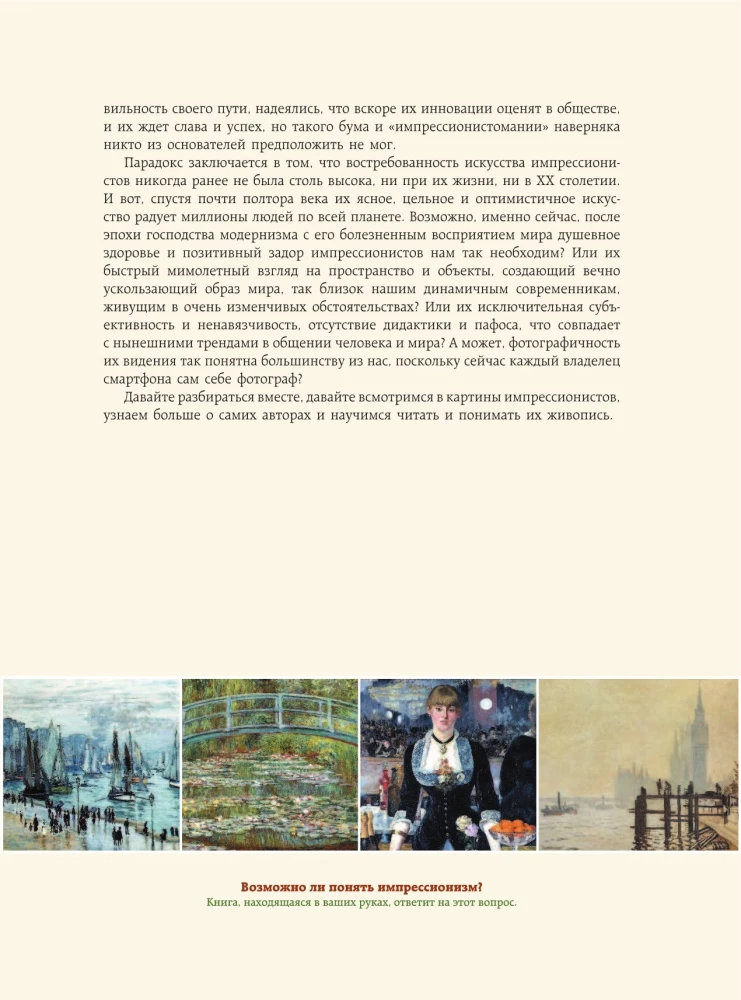
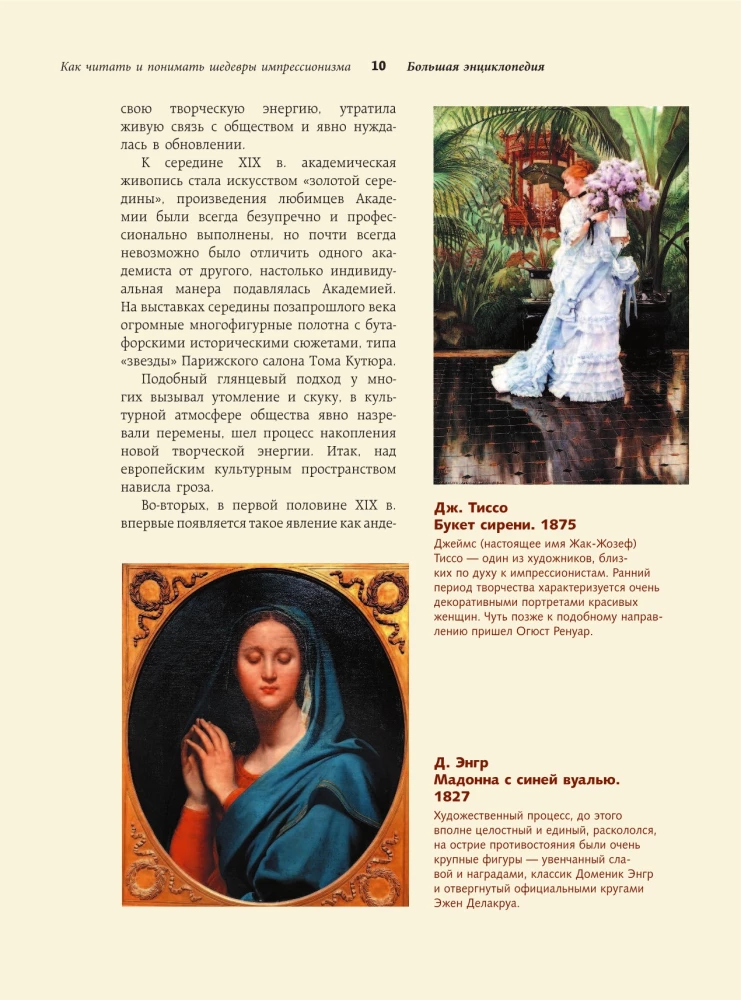
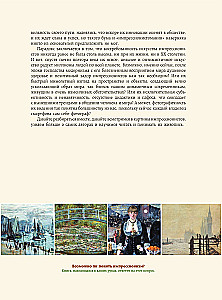
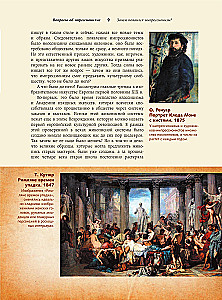
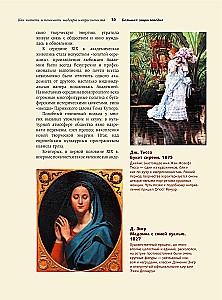
goal of the Impressionists was to convey an impression, and to do this, they needed to learn to capture the moment to reflect the real world in all its variability. Inside the studio, it was impossible to achieve such an effect, and the artists went out into the world – to paint en plein air, where they quickly sketched, trying to grasp the natural light and emotional nerve of the moment. Impressionists did not strive to reflect acute social problems, philosophy, or provocativeness in their work, focusing only on various ways of expressing the impressions of the surrounding everyday life. They did not insist on deep content in their paintings, aiming to see the moment and reflect the mood. They did not seek contrived complexity, remaining alien to any vulgar simplification or hackneyed sentimental banality. Impressionism did not claim to be elitist, to possess a special refined aristocratic nature, psychological depth, or symbolic subtext; it looked at the world with the unclouded eyes of a curious child. So what is it that attracts us so much to the paintings of these masters? Are the Impressionists a group of artists or a style? Does Impressionism belong to history or does it still exist? What subjects did the Impressionists choose and why? How to decode the language of Impressionism? The answers to these and many other questions can be found in this book. Let’s take a closer look at the paintings of the Impressionists, learn more about the artists themselves, and learn to read and understand their art.
Once, a century and a half ago, a group of unknown French artists made a truly revolutionary breakthrough in art. The innovations and ideas of this movement completely changed the artistic perception of the 19th and 20th centuries. The main goal of the Impressionists was to convey an impression, and to do this, they needed to learn to capture the moment to reflect the real world in all its variability. Inside the studio, it was impossible to achieve such an effect, and the artists went out into the world – to paint en plein air, where they quickly sketched, trying to grasp the natural light and emotional nerve of the moment. Impressionists did not strive to reflect acute social problems, philosophy, or provocativeness in their work, focusing only on various ways of expressing the impressions of the surrounding everyday life. They did not insist on deep content in their paintings, aiming to see the moment and reflect the mood. They did not seek contrived complexity, remaining alien to any vulgar simplification or hackneyed sentimental banality. Impressionism did not claim to be elitist, to possess a special refined aristocratic nature, psychological depth, or symbolic subtext; it looked at the world with the unclouded eyes of a curious child. So what is it that attracts us so much to the paintings of these masters? Are the Impressionists a group of artists or a style? Does Impressionism belong to history or does it still exist? What subjects did the Impressionists choose and why? How to decode the language of Impressionism? The answers to these and many other questions can be found in this book. Let’s take a closer look at the paintings of the Impressionists, learn more about the artists themselves, and learn to read and understand their art.
Be the first to know about our current discounts, offers and new products!
Check icon
You have added to your basket
Check icon
You have added to favourites
Sold out
The item is currently out of stock.
In stock
Available in warehouse. You will receive the exact delivery date from the operator after the order confirmation.
To order
The product is delivered directly from the publisher. The order processing time is up to 14 days, you will receive the exact delivery date from the operator after the order confirmation.