
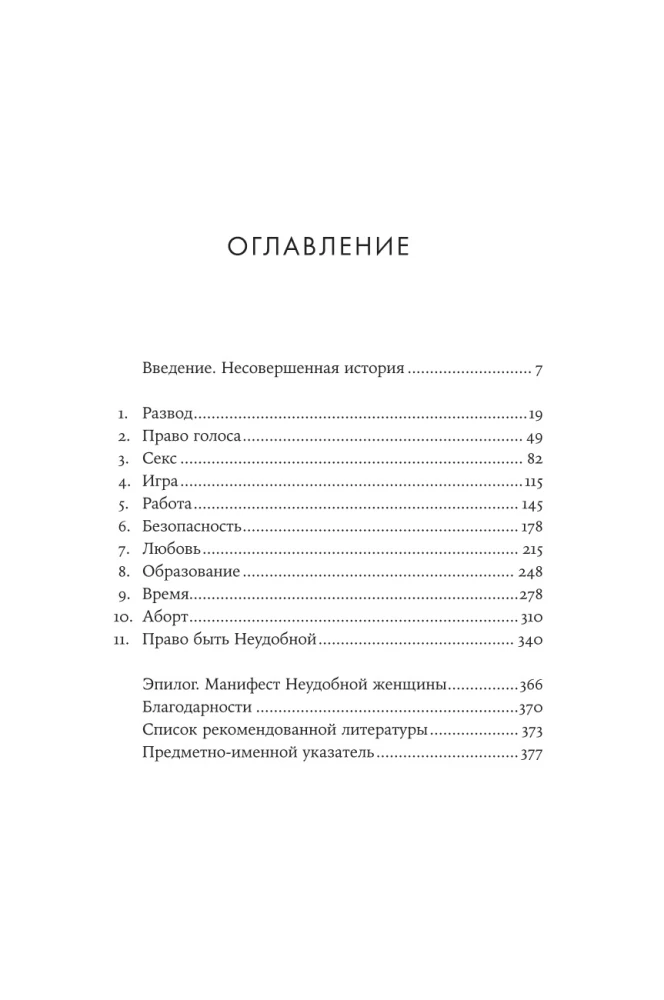

Uncomfortable Women: The History of Feminism in 11 Conflicts
Patriarchal culture has imposed ideals of meekness, selfless service, and humility on women for centuries, portraying them as domestic angels, sweetness under subjugation. The heroines of Helen Lewis are nothing like that. Their names have been surrounded by scandals. They...
have been imprisoned, stoned, and in modern times—since morals have softened—mocked.
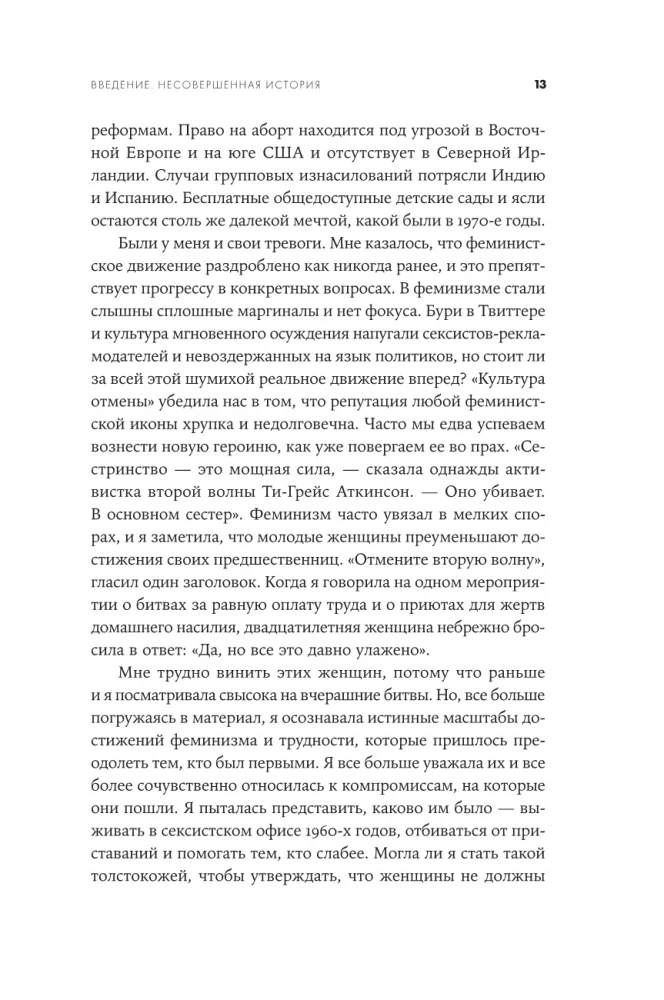
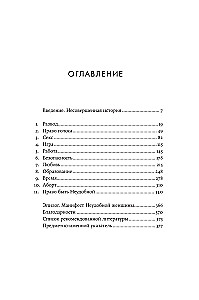
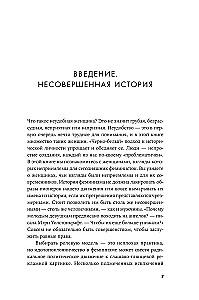
Complex, intolerant, uncomfortable, and egocentric, sometimes aggressive, sometimes funny—originals, eccentrics, upstarts—they articulated implicit problems and demonstrated the abnormality of the usual. They broke stereotypes, forced society to re-examine gender conventions, and changed lifestyles, legal norms, and state institutions—in the interests of everyone else. The cool pedantry of an archival historian and the honesty of an investigative journalist, an analytical mind, warm empathy, and a willingness to recognize the unpleasant truth about their heroines allowed Helen Lewis to write a sober, insightful, bitter, joyful, and fearless history of feminism, its victories and failures. Without pathos or resentment, she tells how half of humanity fought for the right to control their bodies and voices, their time and incomes, the right to make mistakes and correct them, the right to be imperfect—to be human.
Complex, intolerant, uncomfortable, and egocentric, sometimes aggressive, sometimes funny—originals, eccentrics, upstarts—they articulated implicit problems and demonstrated the abnormality of the usual. They broke stereotypes, forced society to re-examine gender conventions, and changed lifestyles, legal norms, and state institutions—in the interests of everyone else. The cool pedantry of an archival historian and the honesty of an investigative journalist, an analytical mind, warm empathy, and a willingness to recognize the unpleasant truth about their heroines allowed Helen Lewis to write a sober, insightful, bitter, joyful, and fearless history of feminism, its victories and failures. Without pathos or resentment, she tells how half of humanity fought for the right to control their bodies and voices, their time and incomes, the right to make mistakes and correct them, the right to be imperfect—to be human.
Author: Хелен Льюис 3.9 (8
Printhouse: Al'pina Pablisher
Age restrictions: 18+
Year of publication: 2022
ISBN: 9785001395652
Number of pages: 388
Size: 215х150х25 mm
Cover type: hard
Weight: 510 g
ID: 908282
Sold out
€ 11.89
Sold out
€ 11.89
Bestsellers







€ 13.29
In stock
12 Weeks in a Year. How to Achieve More in 12 Weeks Than Others Do in 12 Months
Майкл Леннингтон, Брайан Моран



€ 7.89
In stock
Choice. On the Freedom and Inner Strength of a Person
Эдит Ева Эгер, Эсме Швалль-Вейганд




€ 6.99
In stock