
-large.webp)


-thumb.jpg)
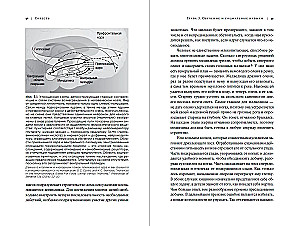
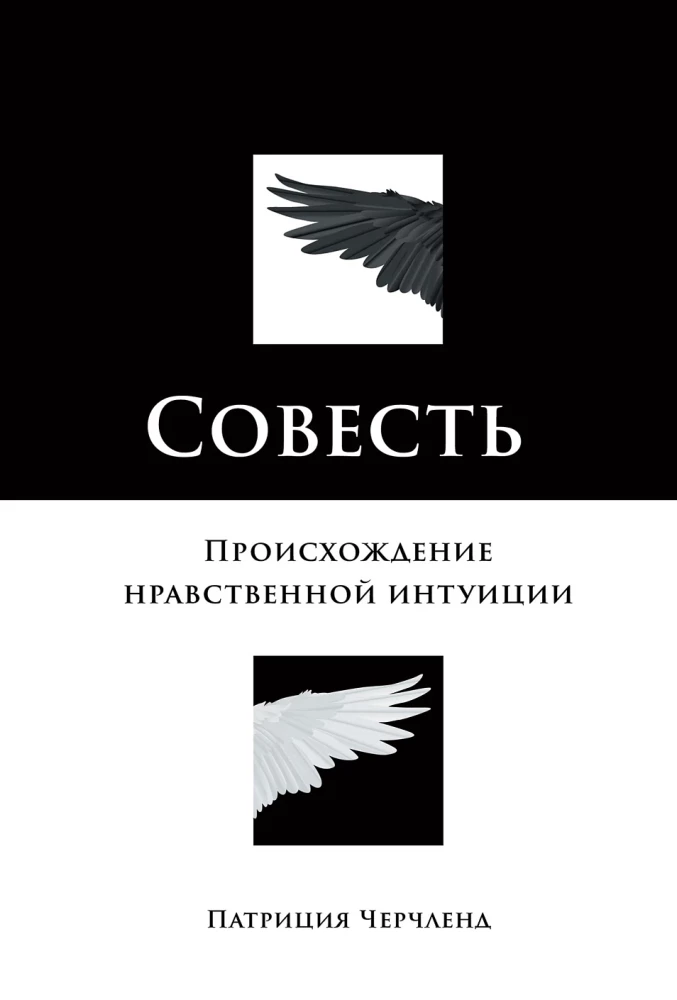
Conscience: The Origin of Moral Intuition
The author confidently guides us through the labyrinth of recent discoveries in the fields of neuroscience, genetics, evolution, psychology, psychiatry, anthropology, economics, politics, and philosophy, explaining how behavioral norms are formed in different social groups and cultures. Addressing evolution, she shows why a child's brain is set from the very first days to form emotional bonds, cooperation, and care.
Turning to philosophy, she elucidates why the concept of conscience plays a central role in any society, how moral values are transmitted from generation to generation, and why moral norms are not the same across different cultures.
With her unparalleled ability to link ideas across different domains, Patricia Churchland reveals to us anew the complex topic concerning the very essence of what makes us human.
Author: Патриция Черчленд
Printhouse: Al'pina Pablisher
Series: Alpina: Psychology and Philosophy
Age restrictions: 12+
Year of publication: 2021
ISBN: 9785001391227
Number of pages: 278
Size: 216х416х20 mm
Cover type: hard
Weight: 430 g
ID: 567274
Bestsellers