New
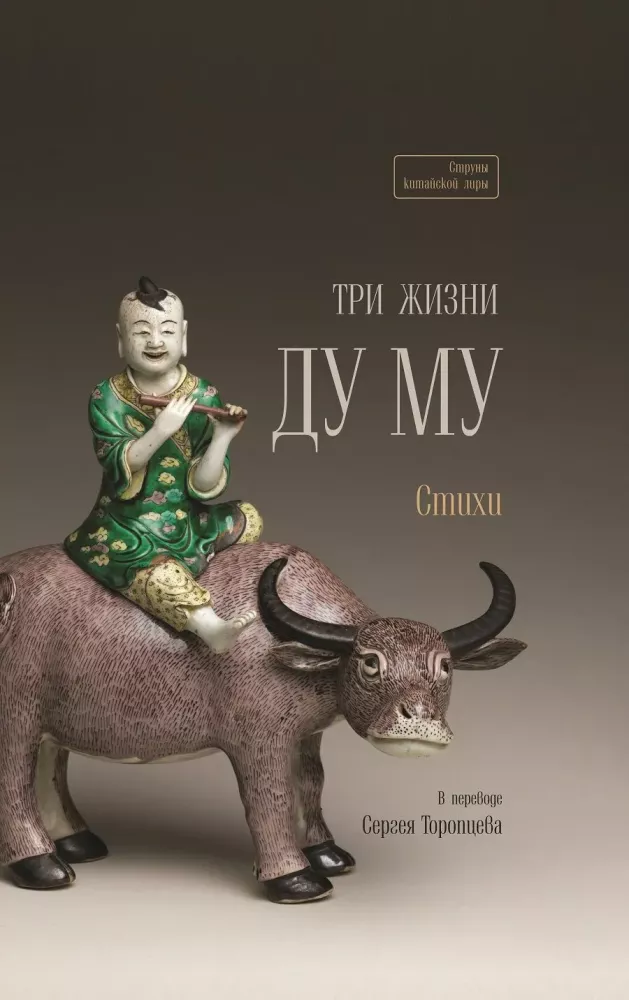
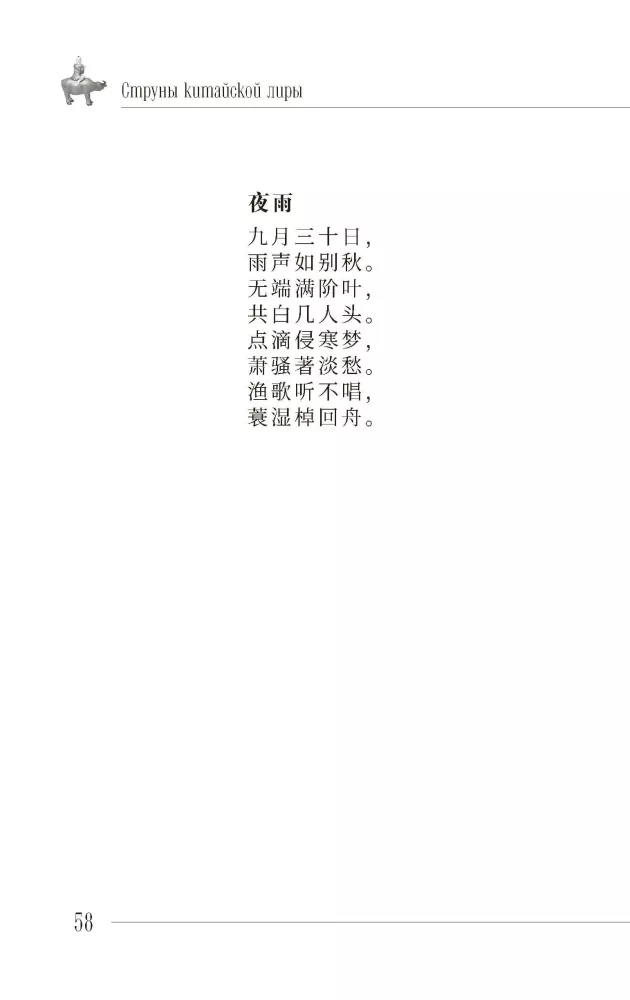
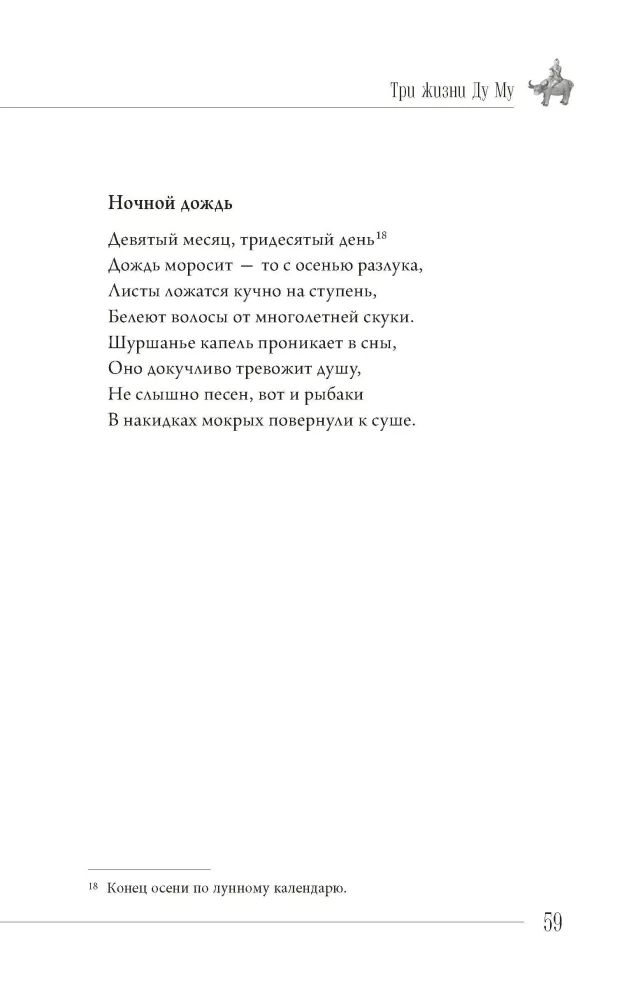
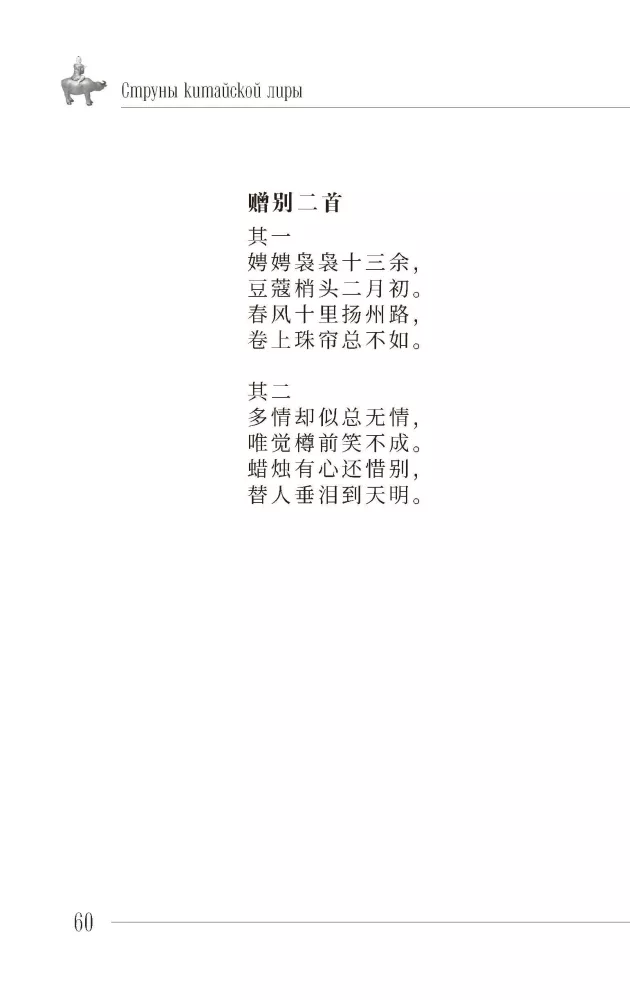
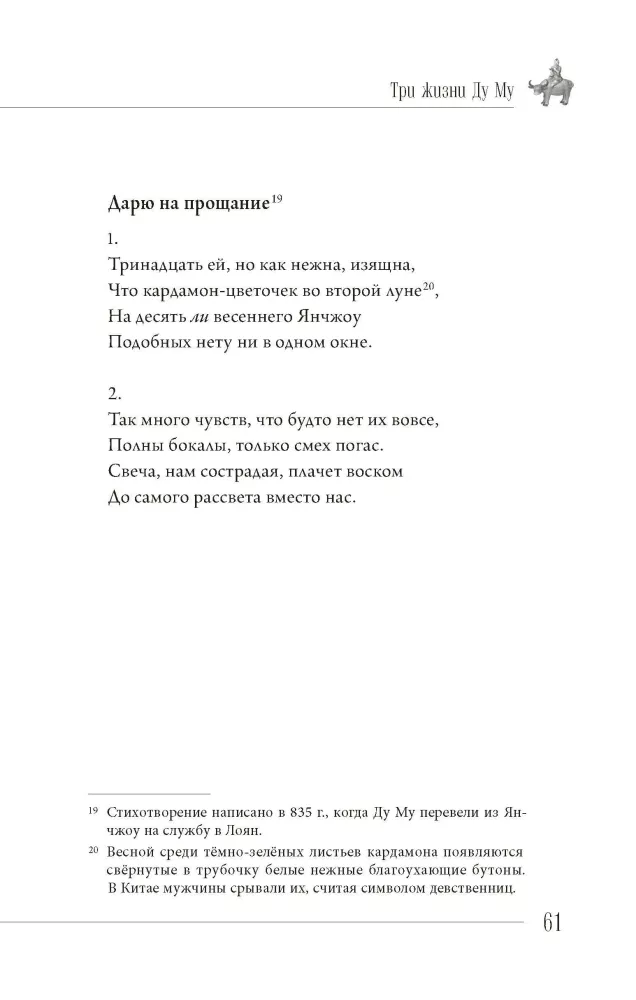
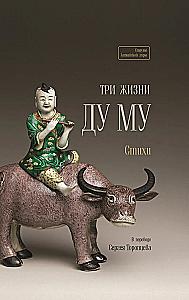
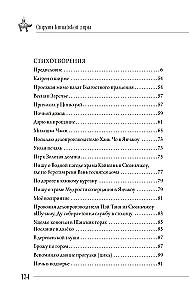
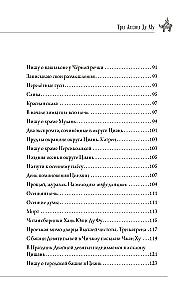
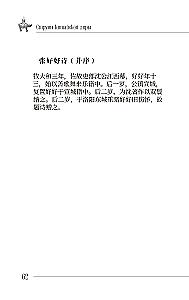
Three Lives of Du Mu
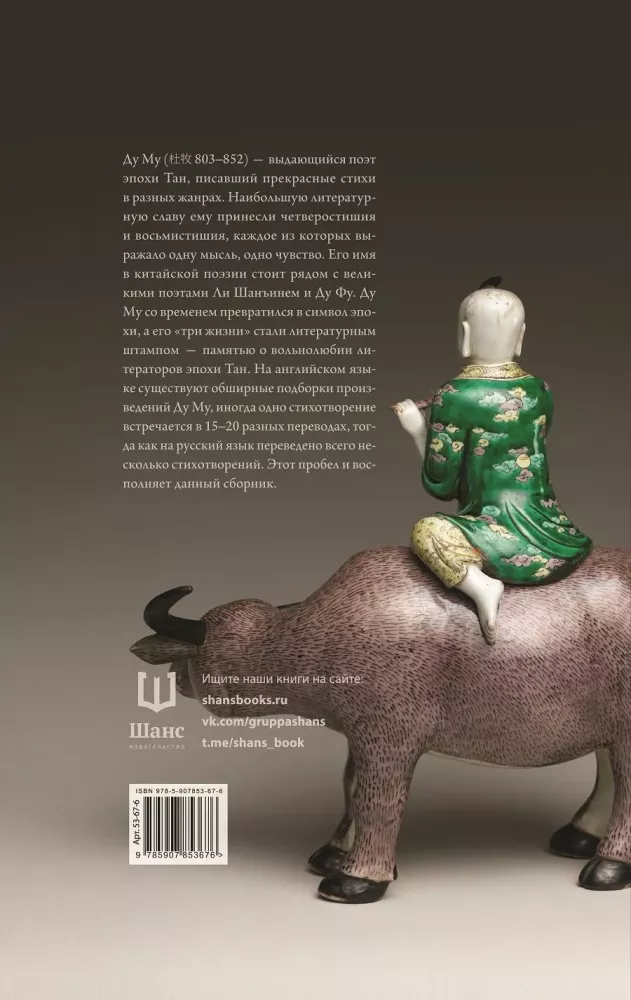
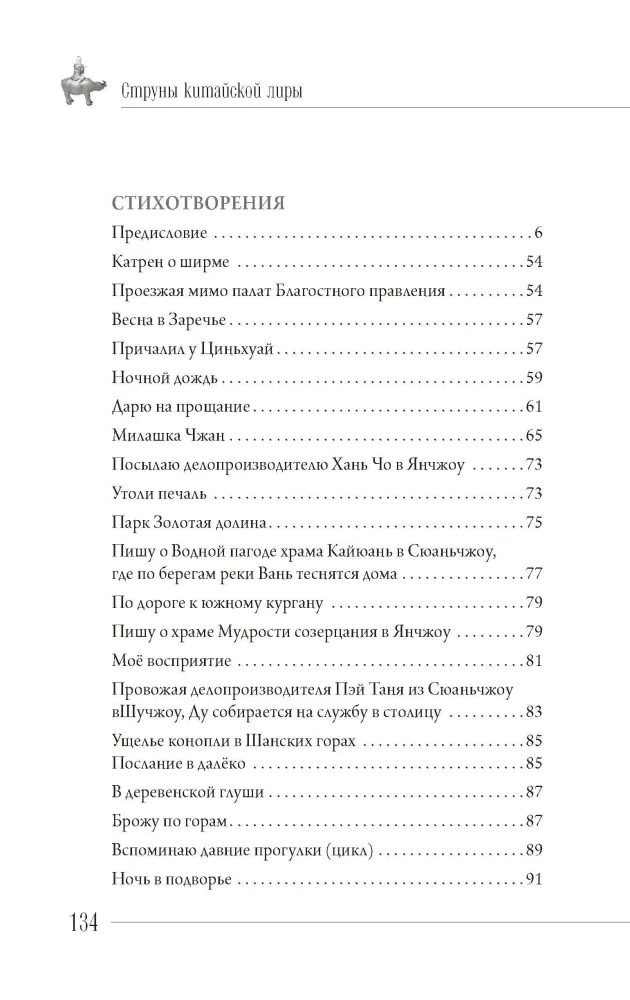
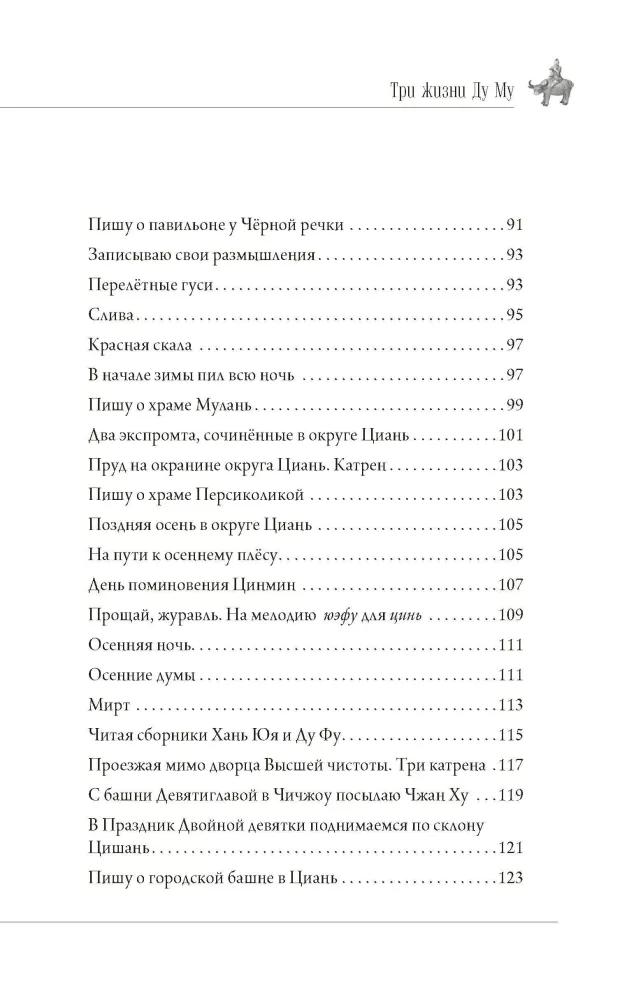
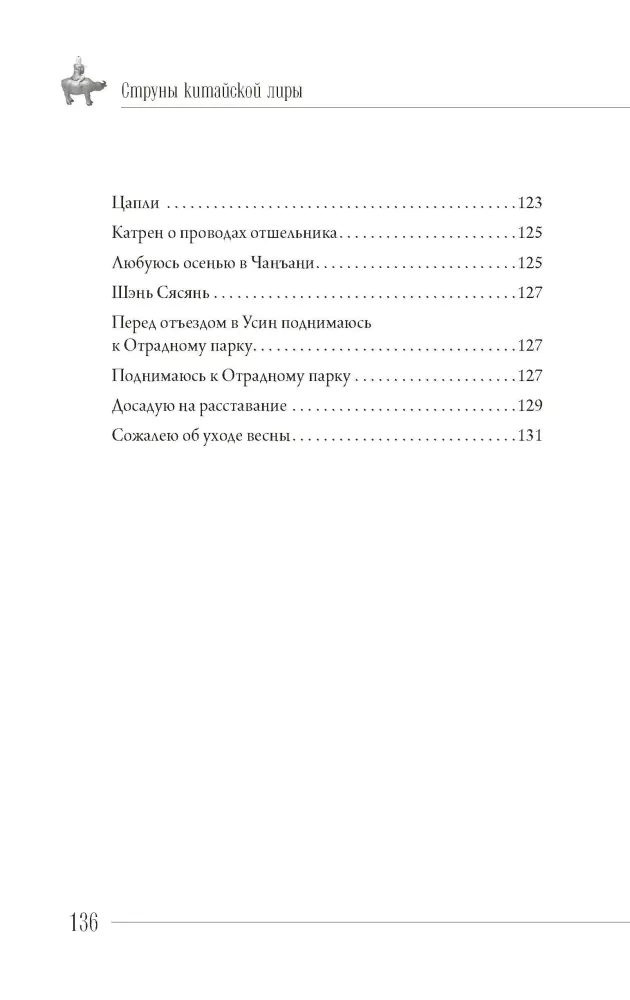
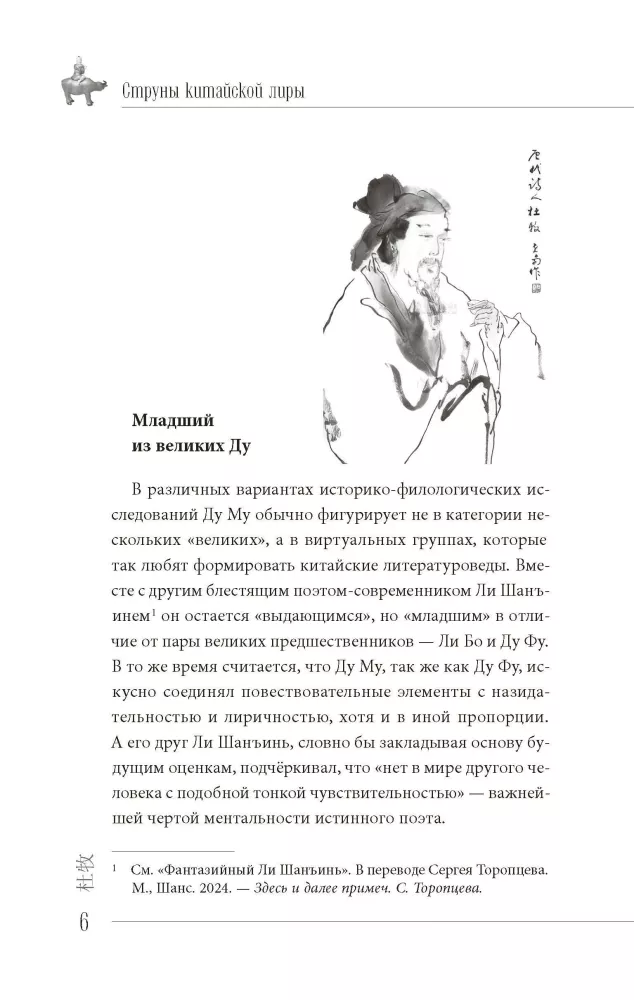
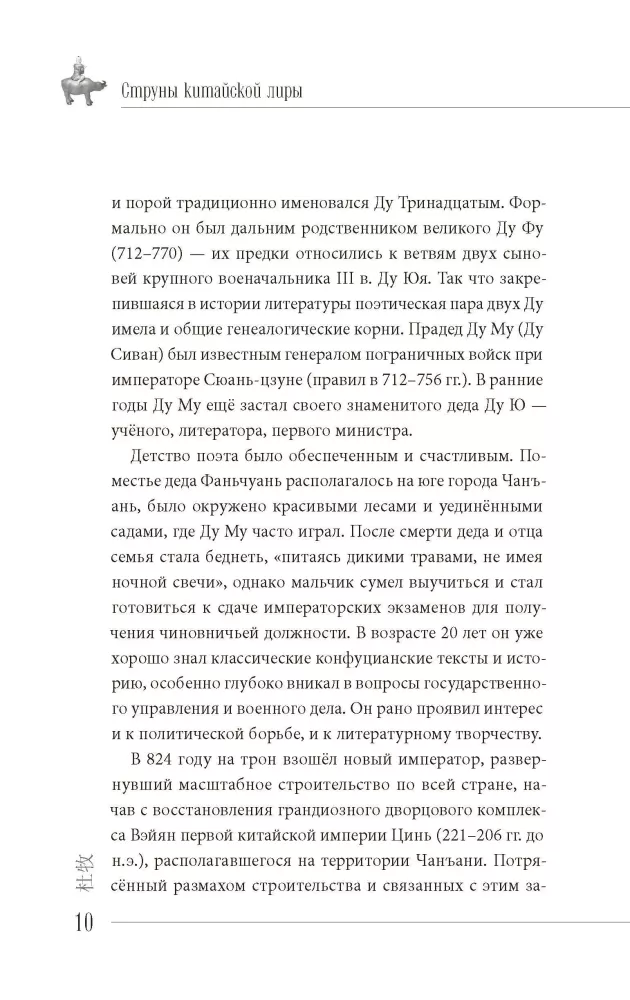
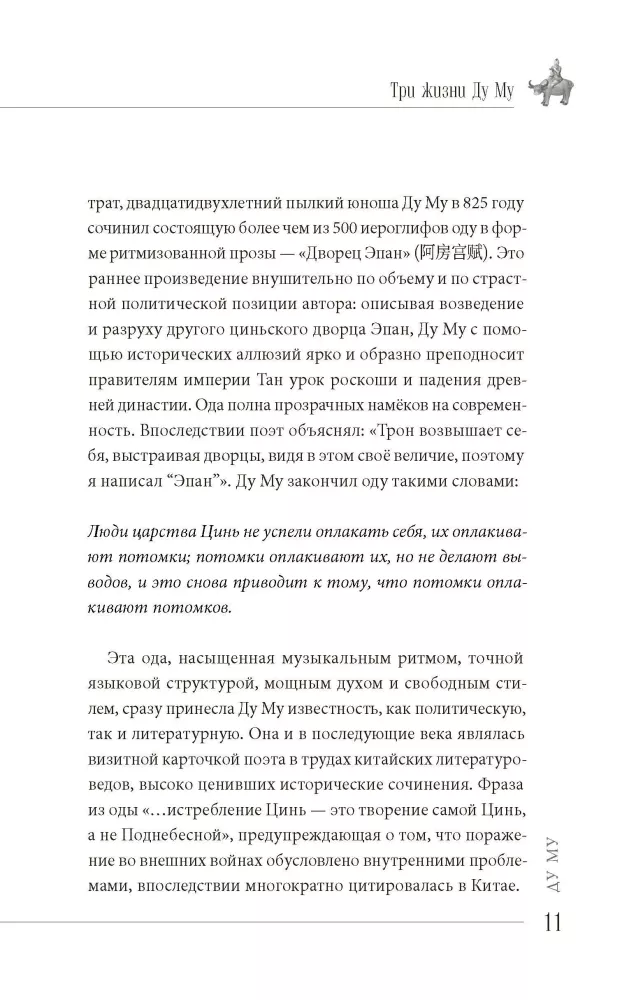
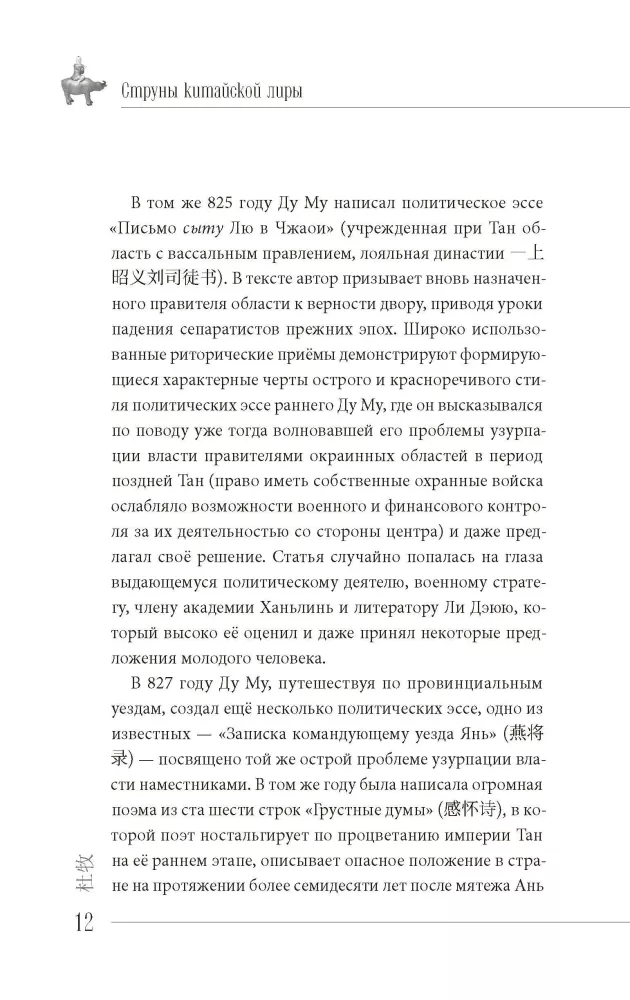
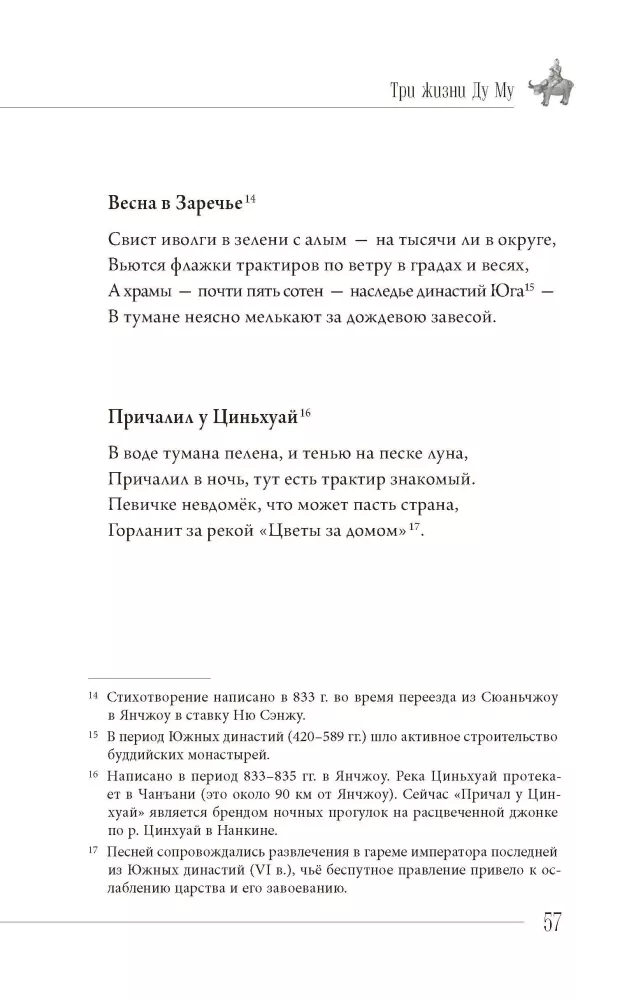
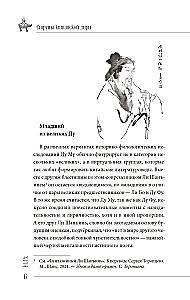
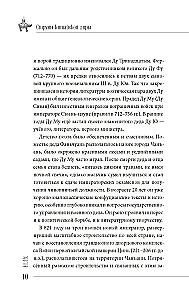
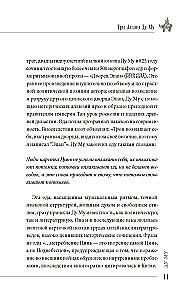
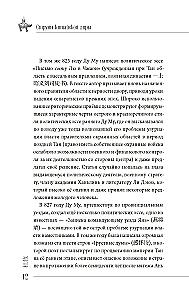
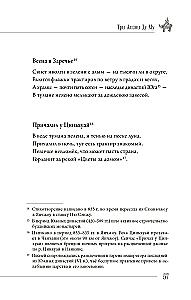
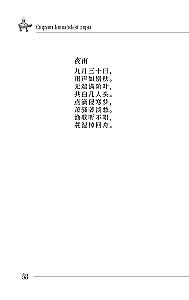
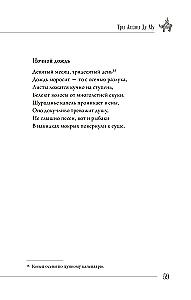
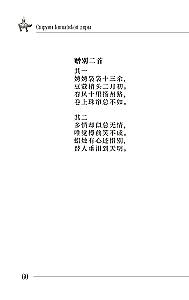
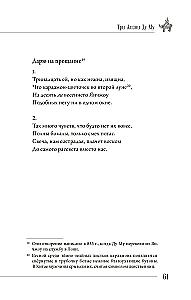
Du Mu — an outstanding poet of the Tang era, created beautiful poems in various genres. His greatest literary fame came from quatrains and octaves, expressing a single thought, a single feeling. Du Mu's poems are multidimensional, rich in metaphors,...
dynamically sending poetic text into virtual space. His name, alongside the remarkable contemporary Li Shangyin, remains in Chinese poetry as «the minor Li and Du», next to the great poets of that era — Li Bai and Du Fu. The poet and artist of the 18th century, Zheng Banqiao (who was, by the way, part of the circle of «the Eight Oddities of Yangzhou») has a refined formulation: «The poems of Li Bai are magical, the poems of Wang Wei are exquisite, the poems of Du Mu are superb.» The title of the book uses the concept of «three lives» as a Buddhist awareness of the trinity of existence with its continuity and interconnectedness of the past, present, and future. Over time, Du Mu has become a symbol of the era, and his «three lives» have become a literary cliché — a memory of the freedom-loving spirit of the literati of the Tang era. There are such extensive collections of Du Mu's works in English that sometimes a single poem appears in 15–20 different translations, while only a few poems have been translated into Russian. This collection fills that gap.
Author: Ду Му
Printhouse: Shans
Age restrictions: 12+
Year of publication: 2026
ISBN: 9785907853676
Number of pages: 137
Size: 200x132x12 mm
Cover type: hard
Weight: 240 g
ID: 1748984
In stock
€ 4.19
Will be delivered to United States on 28 September (Mo):
By courier
from € 38.94
Bestsellers


Bestseller
€ 12.19
In stock
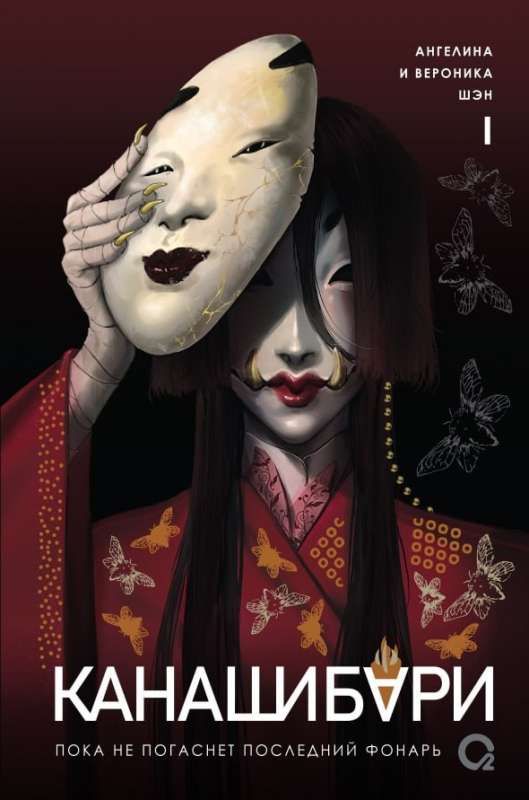
Kanashibari. Until the Last Lantern Goes Out. Volume 1
Ангелина Шэн, Вероника Шэн