
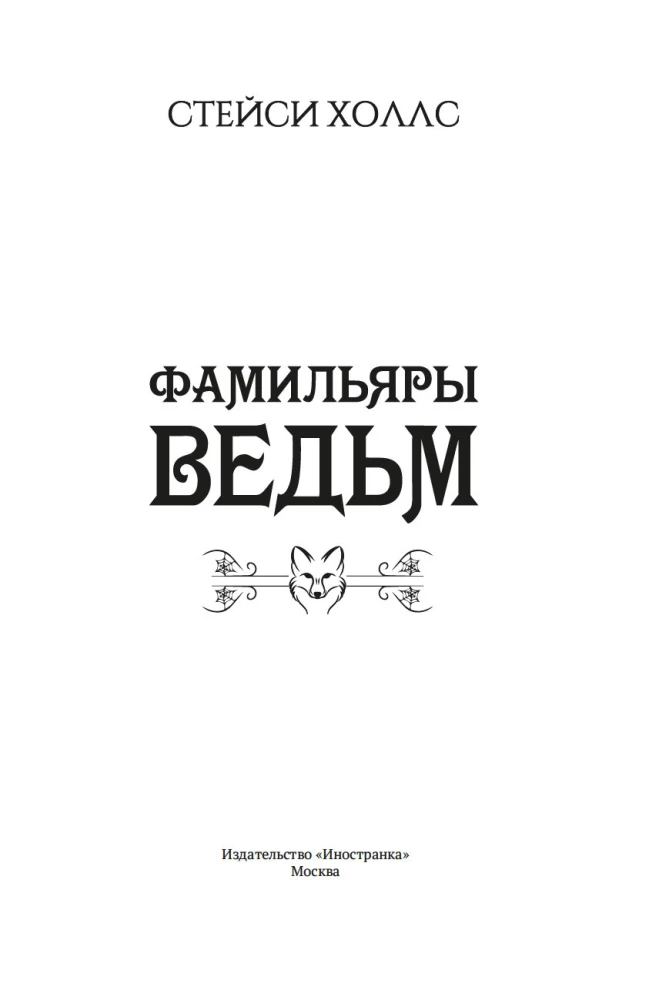
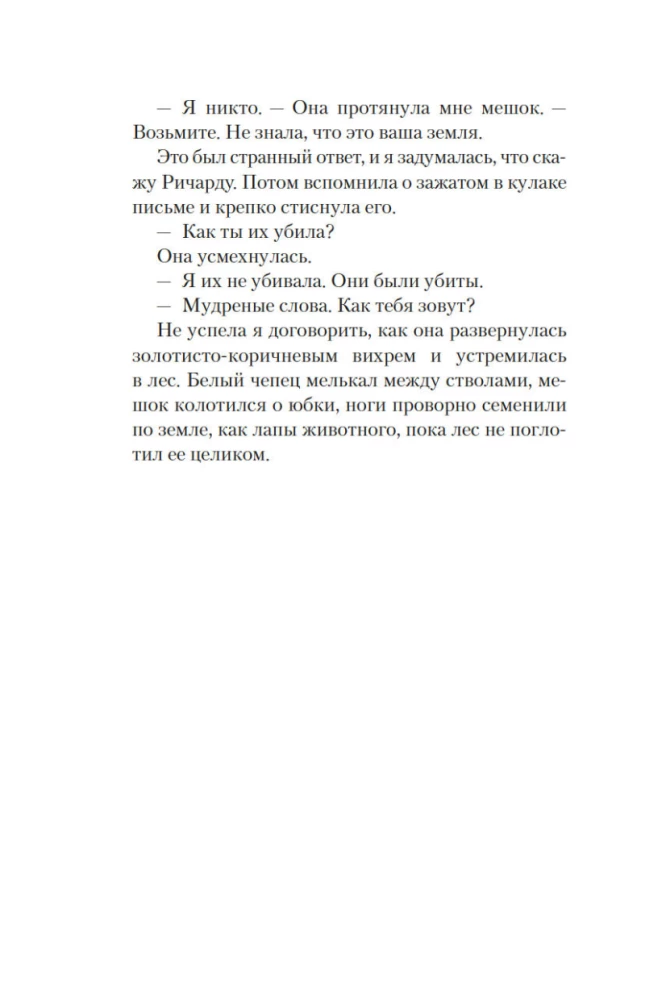
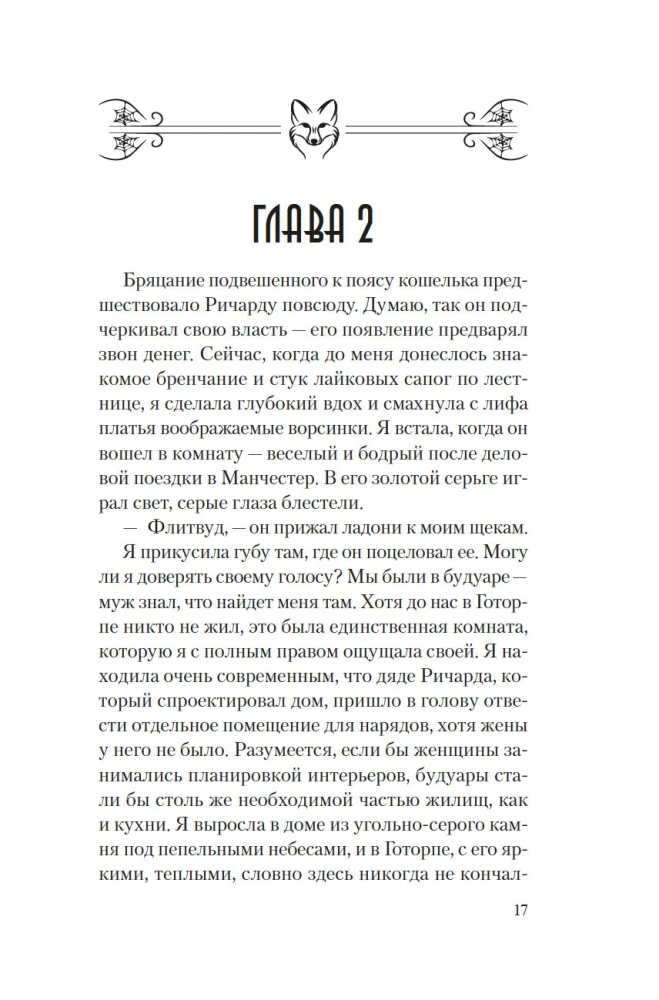
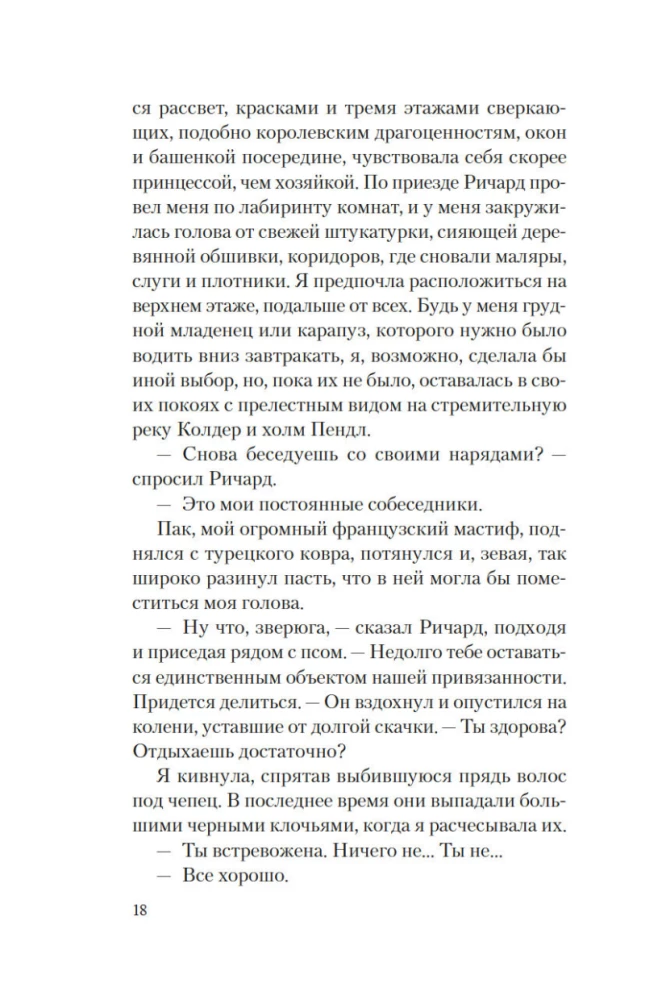
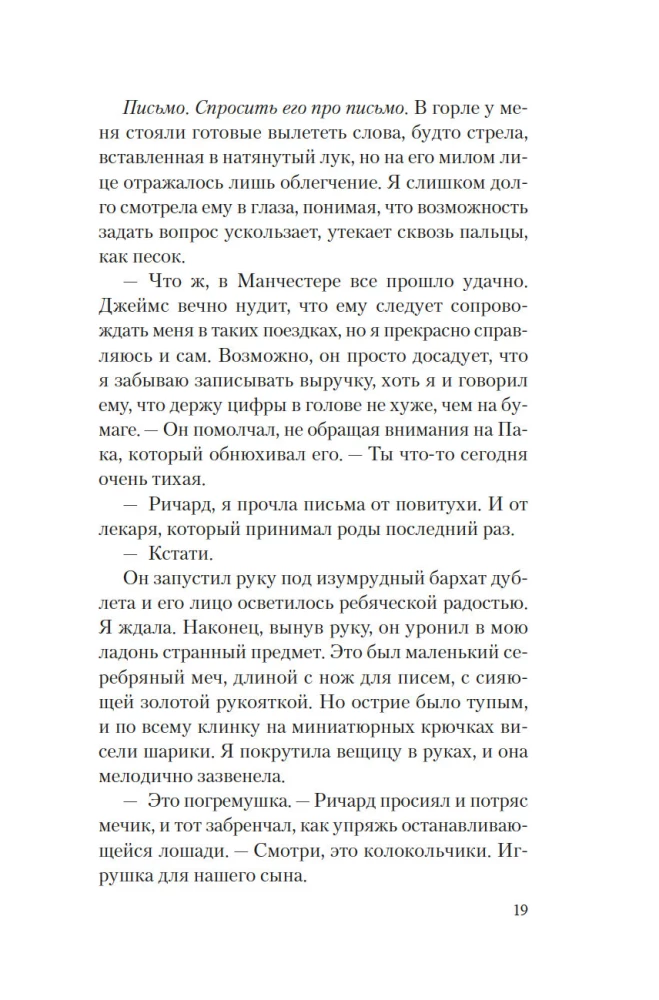



Witch's Familiars
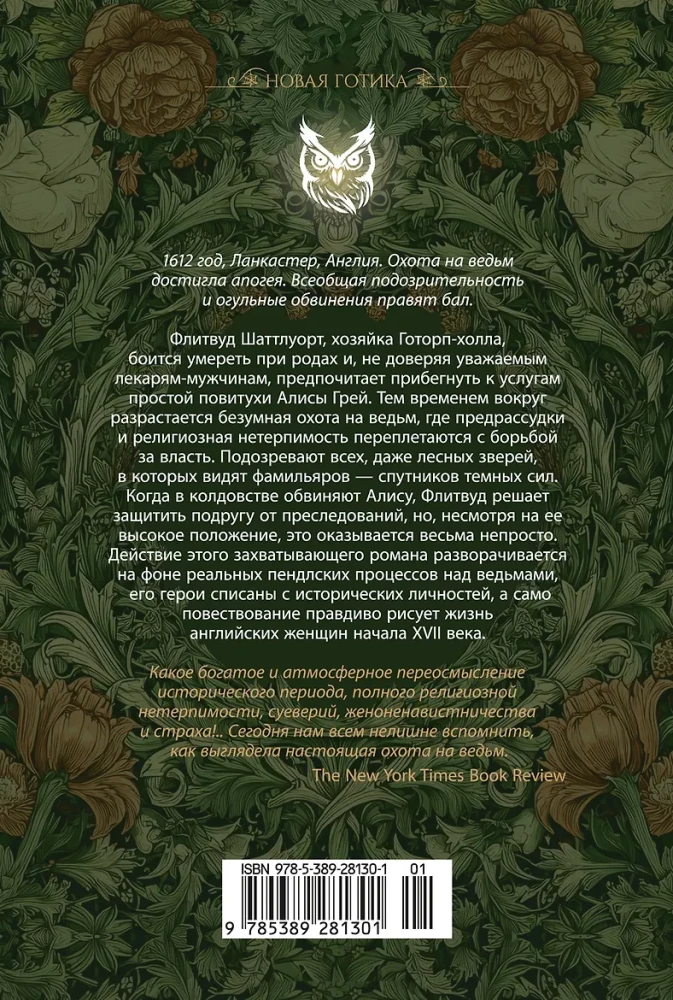
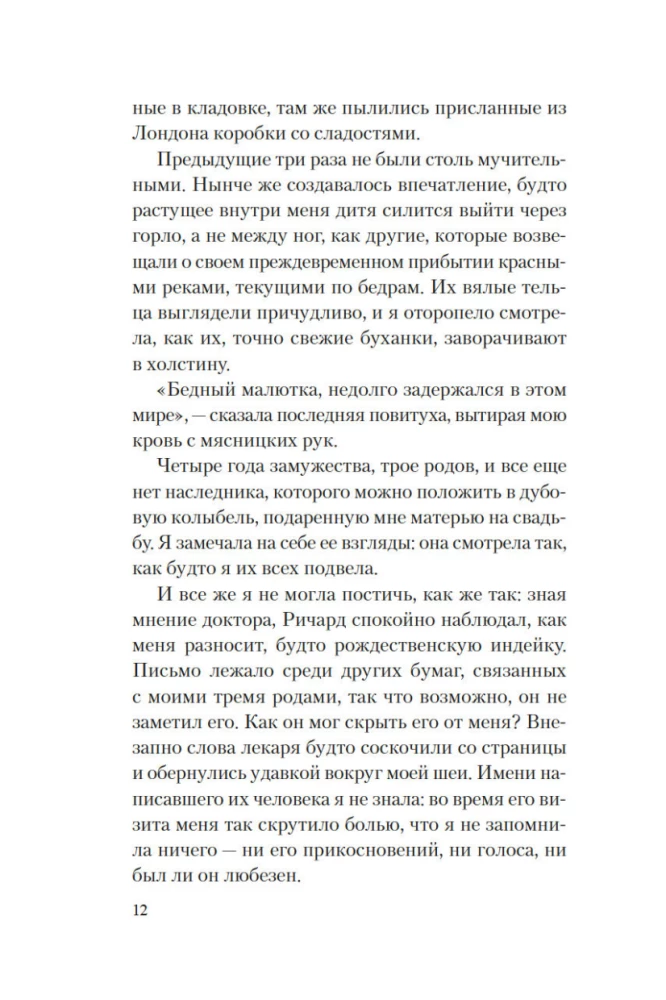
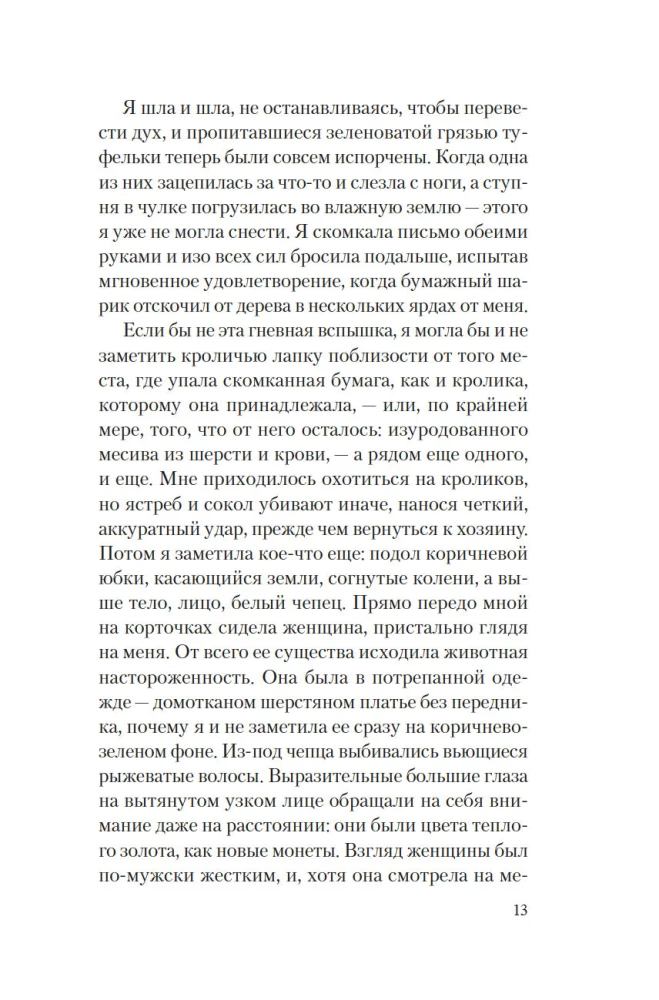
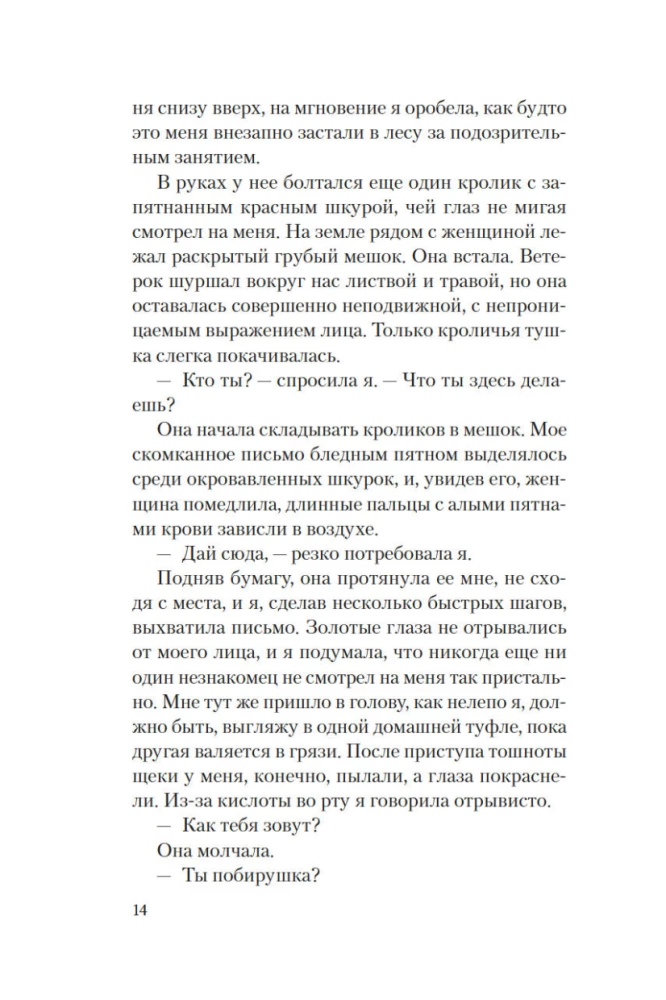
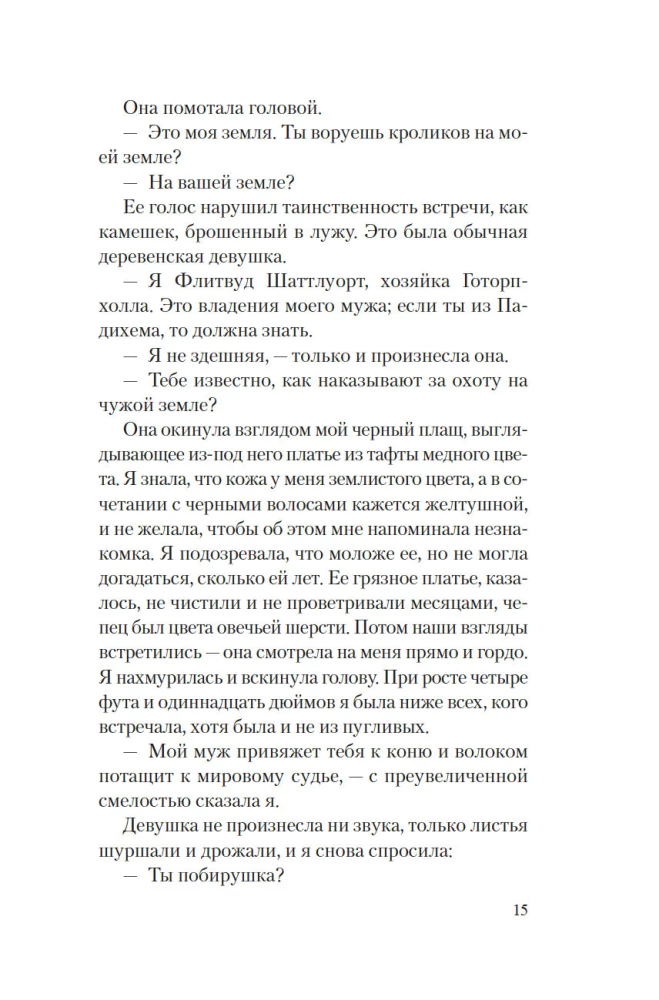
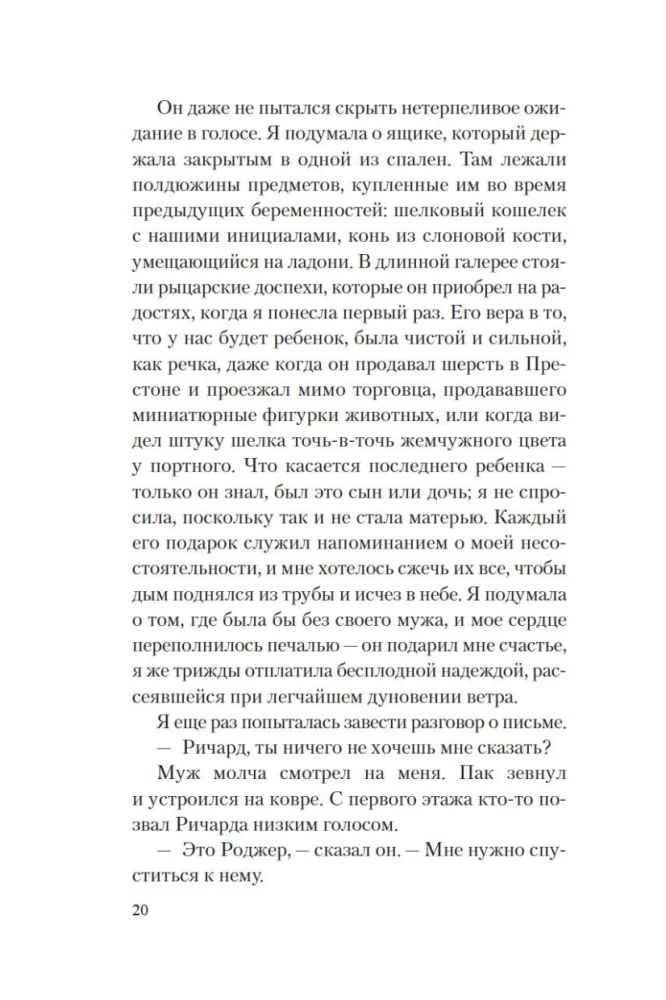
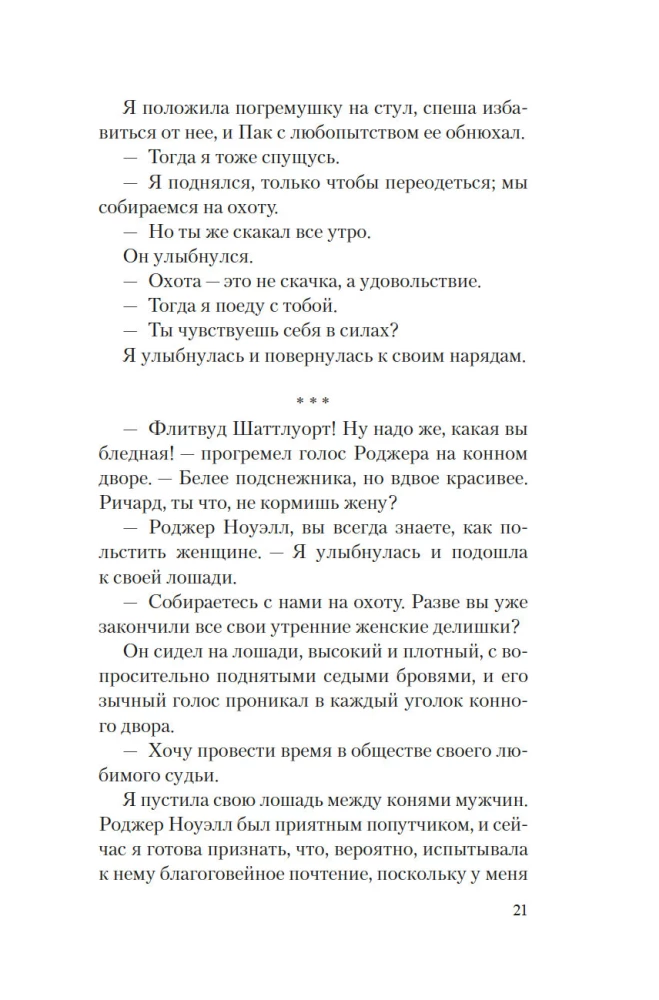
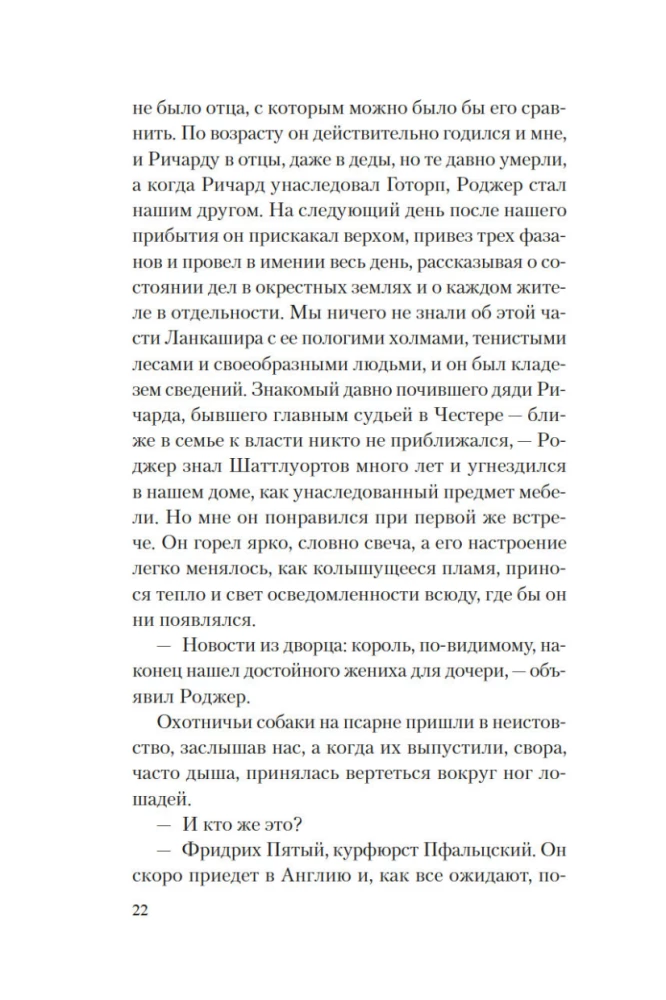
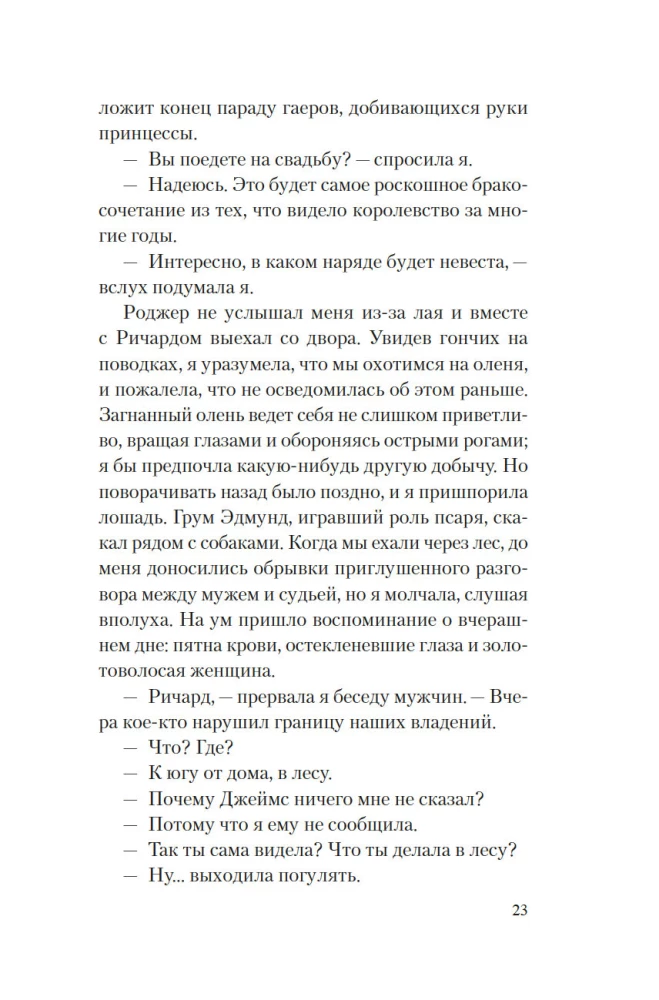
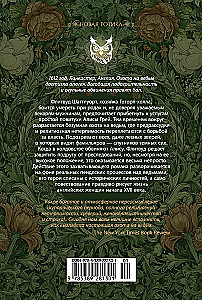
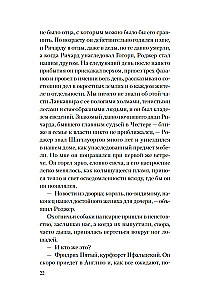
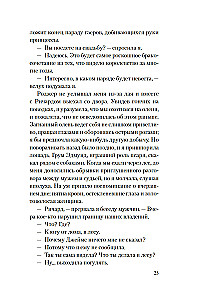
«Witch's Familiars» — a historical novel with gothic elements about a young woman who tries to save herself and protect the one whom society is ready to take to trial. The action takes place in England in 1612, where fear...
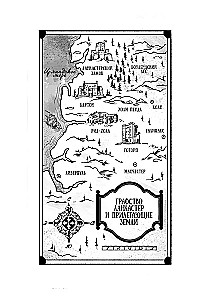
of witchcraft, denunciations, and religious fervor permeate both the houses of the nobility and the everyday lives of ordinary people. At the center of the story is the mistress of Gathorp Hall in Lancashire, whose position does not shield her from vulnerability when it comes to pregnancy, heirs, and the power of men. Against this backdrop, the theme of female solidarity sounds particularly acute: next to her is a simple midwife, Alice Gray, and their bond quickly becomes a challenge in a world where suspicion is more important than facts.
After several miscarriages, the heroine learns that new childbirths could cost her life. Distrusting doctors, she turns to the young midwife and herbalist Alice Gray for help. While a witch hunt spreads in the area, she has to figure out whom to trust, argue with her husband, and live under laws in which a woman has little control over her own fate. The tension here is built not on external effects, but on fear, societal pressure, and the cost of any choice.
Fleetwood Shuttleworth — a seventeen-year-old wife of a wealthy landowner. Her position offers external protection but does not alleviate the fear of childbirth and dependence on men's decisions.
Alice Gray — a young midwife and herbalist, who is well-versed in herbs and helps women where official medicine is powerless or indifferent. Her knowledge and humble origin make Alice particularly vulnerable during the witch trials.
Richard Shuttleworth — the heroine's husband, a man of influence and connections, closely involved in the local system of power and justice.
This novel will suit readers who value historical authenticity, women's destinies, and tense stories without excessive sentimentality. In its attention to female experience and atmosphere, the text can be compared to the prose of Sarah Waters, and in its interest in societal fear and crowd cruelty — with historical novels about witch trials. Here, themes of friendship, religious intolerance, class inequality, and the struggle for the right to control one's life converge.
The basis of the novel is the real Pendle witch trials of 1612, one of the most famous episodes of the English witch hunt. Stacey Halls grew up in Lancashire and relied on local history, which is why the text contains many everyday and social details of the era. This is the writer's debut novel; it won the Betty Trask Award and made the shortlist for the British Book Awards as one of the notable debuts of the year. The book is written in the first person in a modern and accessible language, yet it touches on heavy topics: miscarriages, the risk of maternal mortality, trials against those accused of witchcraft, and the disenfranchisement of women.
After several miscarriages, the heroine learns that new childbirths could cost her life. Distrusting doctors, she turns to the young midwife and herbalist Alice Gray for help. While a witch hunt spreads in the area, she has to figure out whom to trust, argue with her husband, and live under laws in which a woman has little control over her own fate. The tension here is built not on external effects, but on fear, societal pressure, and the cost of any choice.
Fleetwood Shuttleworth — a seventeen-year-old wife of a wealthy landowner. Her position offers external protection but does not alleviate the fear of childbirth and dependence on men's decisions.
Alice Gray — a young midwife and herbalist, who is well-versed in herbs and helps women where official medicine is powerless or indifferent. Her knowledge and humble origin make Alice particularly vulnerable during the witch trials.
Richard Shuttleworth — the heroine's husband, a man of influence and connections, closely involved in the local system of power and justice.
This novel will suit readers who value historical authenticity, women's destinies, and tense stories without excessive sentimentality. In its attention to female experience and atmosphere, the text can be compared to the prose of Sarah Waters, and in its interest in societal fear and crowd cruelty — with historical novels about witch trials. Here, themes of friendship, religious intolerance, class inequality, and the struggle for the right to control one's life converge.
The basis of the novel is the real Pendle witch trials of 1612, one of the most famous episodes of the English witch hunt. Stacey Halls grew up in Lancashire and relied on local history, which is why the text contains many everyday and social details of the era. This is the writer's debut novel; it won the Betty Trask Award and made the shortlist for the British Book Awards as one of the notable debuts of the year. The book is written in the first person in a modern and accessible language, yet it touches on heavy topics: miscarriages, the risk of maternal mortality, trials against those accused of witchcraft, and the disenfranchisement of women.
Author: Стейси Холлс
Printhouse: Inostranka
Series: New Gothic
Age restrictions: 16+
Year of publication: 2026
ISBN: 9785389281301
Number of pages: 416
Size: 210х140х26 mm
Cover type: hard
Weight: 480 g
ID: 1744881
In stock
€ 18.49
Will be delivered to United States on :
Unfortunately, we are currently unable to deliver orders to your region.
In stock
€ 18.49
Will be delivered to United States on :
Unfortunately, we are currently unable to deliver orders to your region.
Bestsellers



Bestseller
€ 12.19
In stock
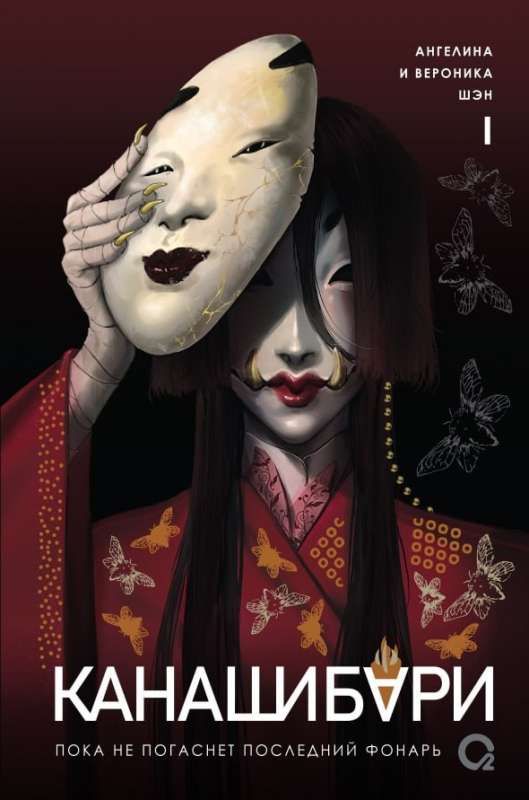
Kanashibari. Until the Last Lantern Goes Out. Volume 1
Ангелина Шэн, Вероника Шэн