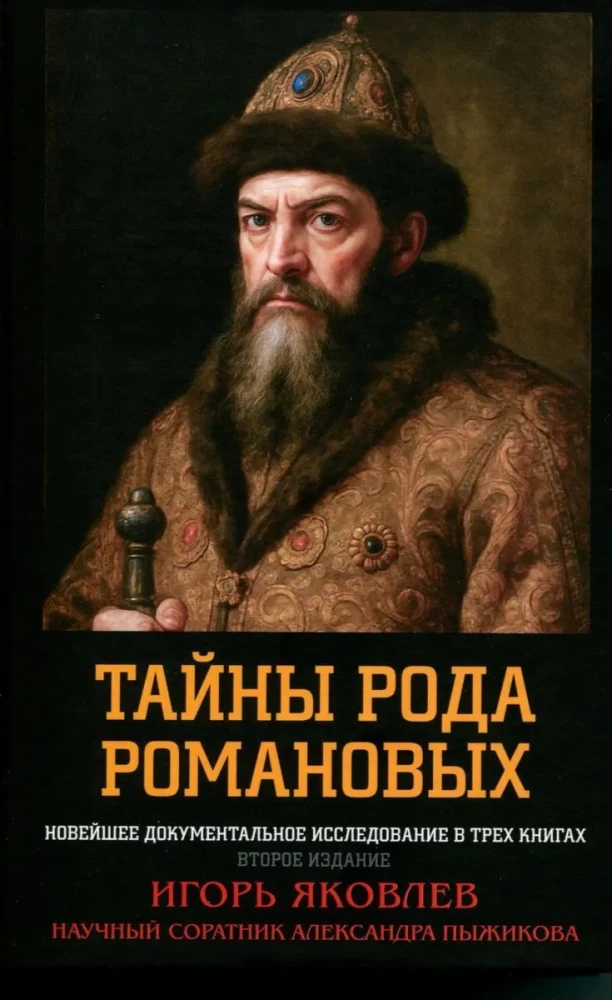
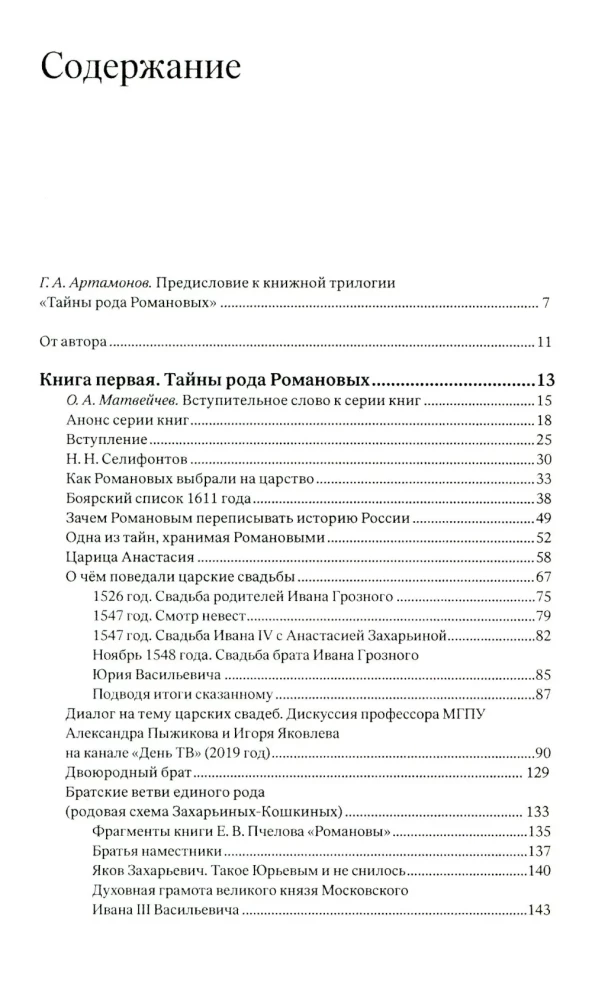
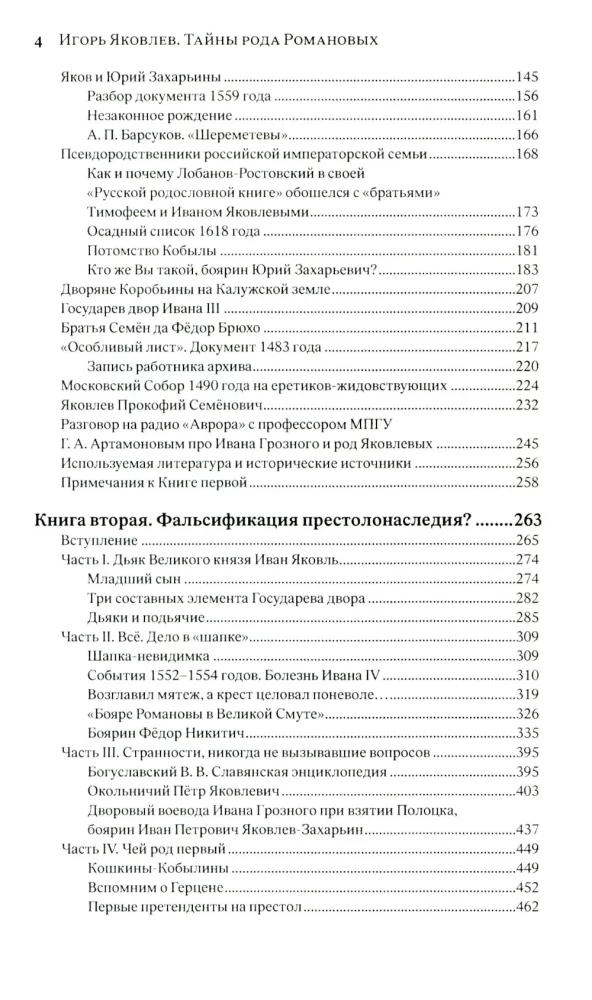
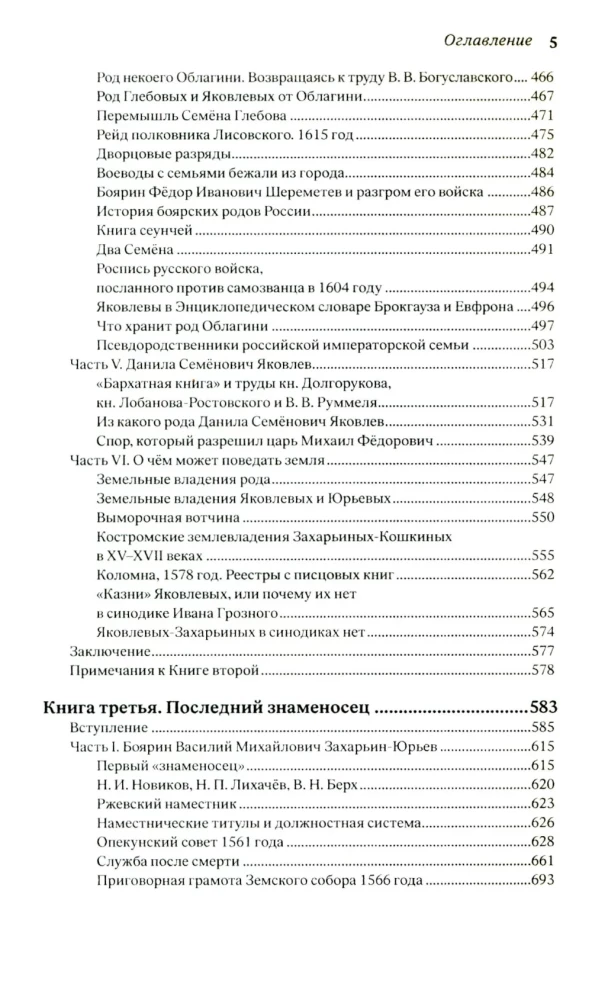
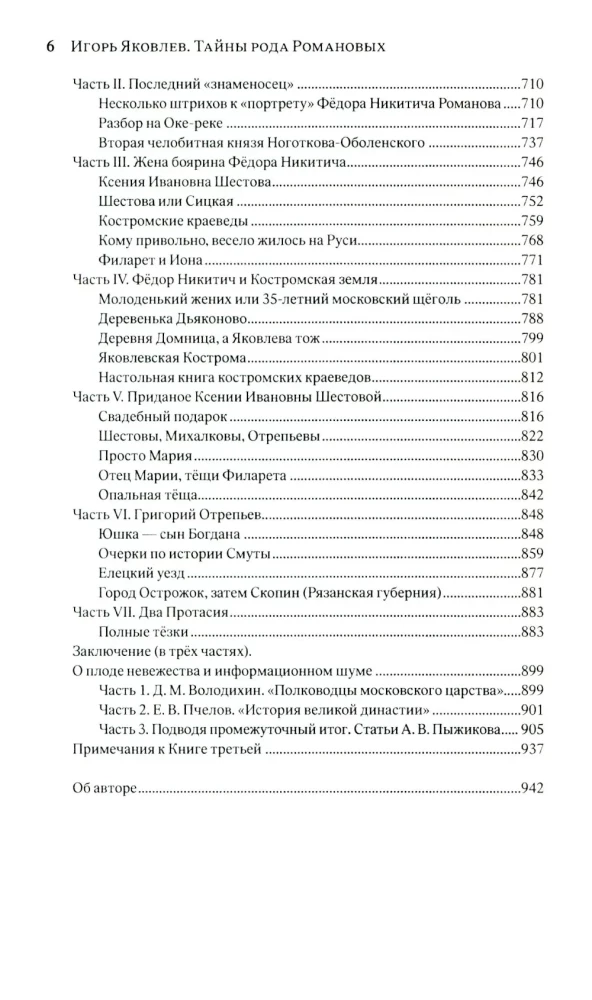
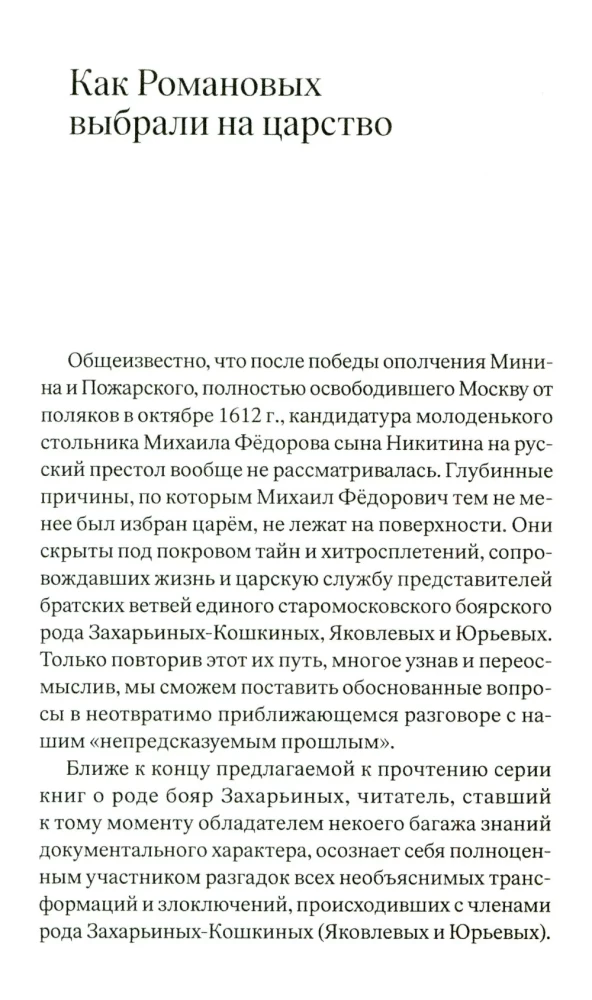
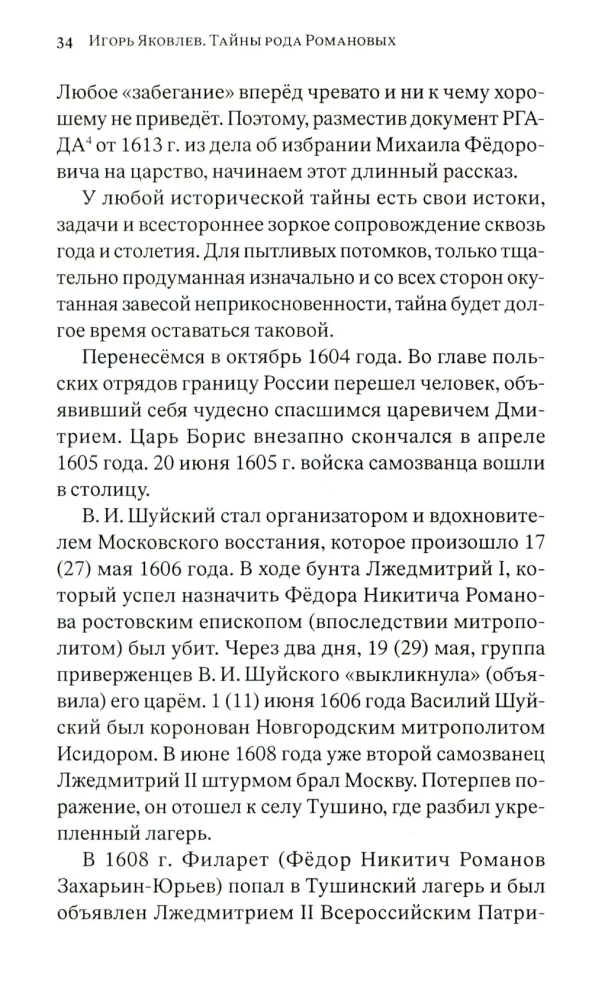
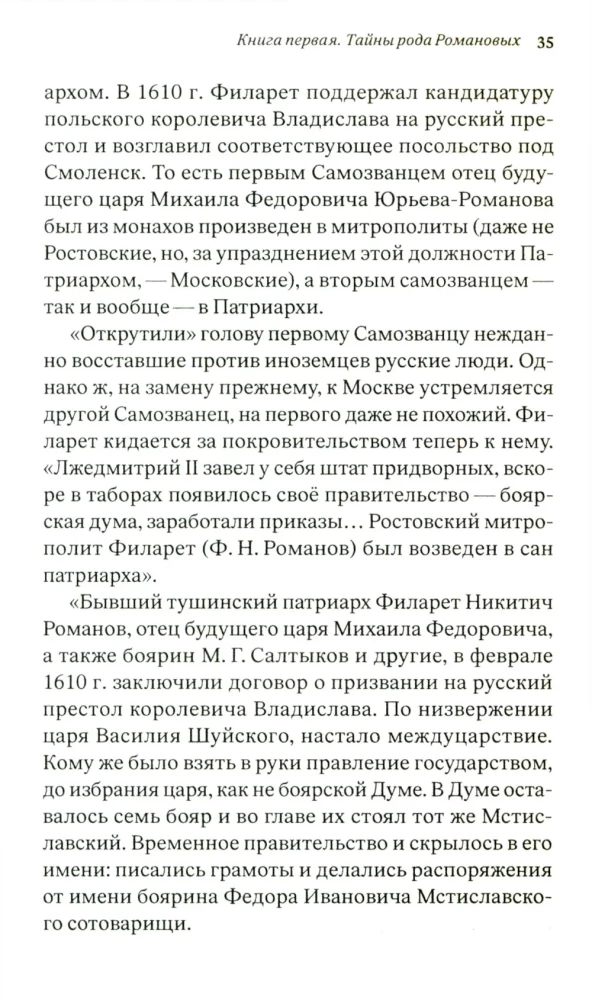
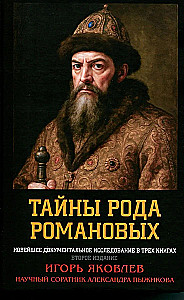
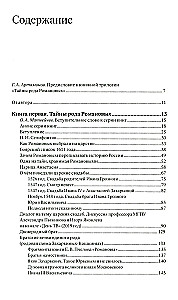
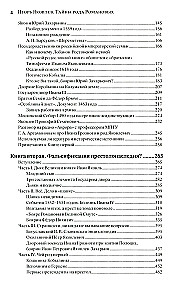
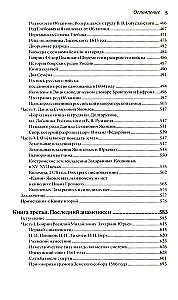
The Secrets of the Romanov Family: A Recent Documentary Research in Three Books
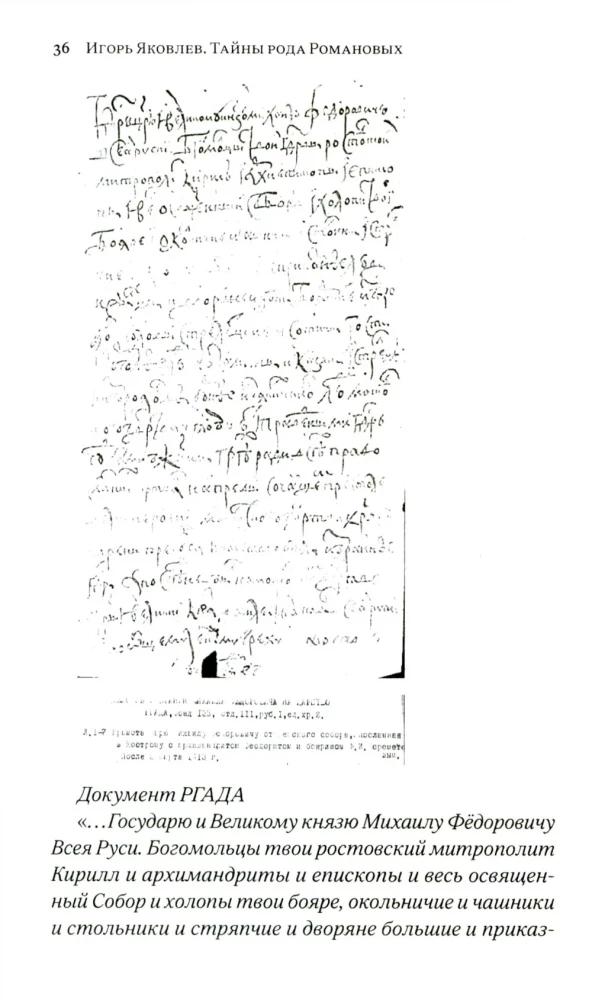
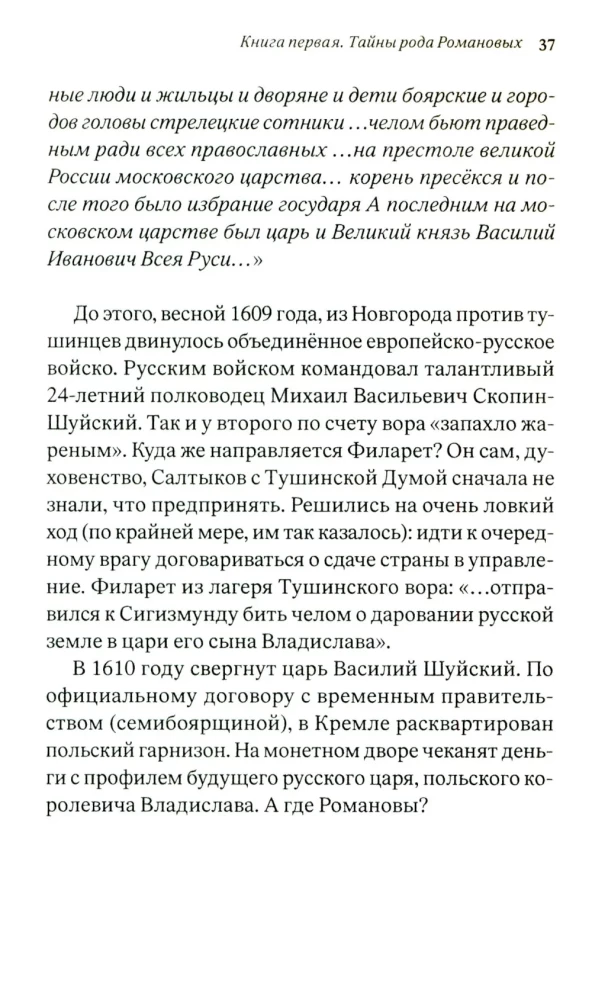
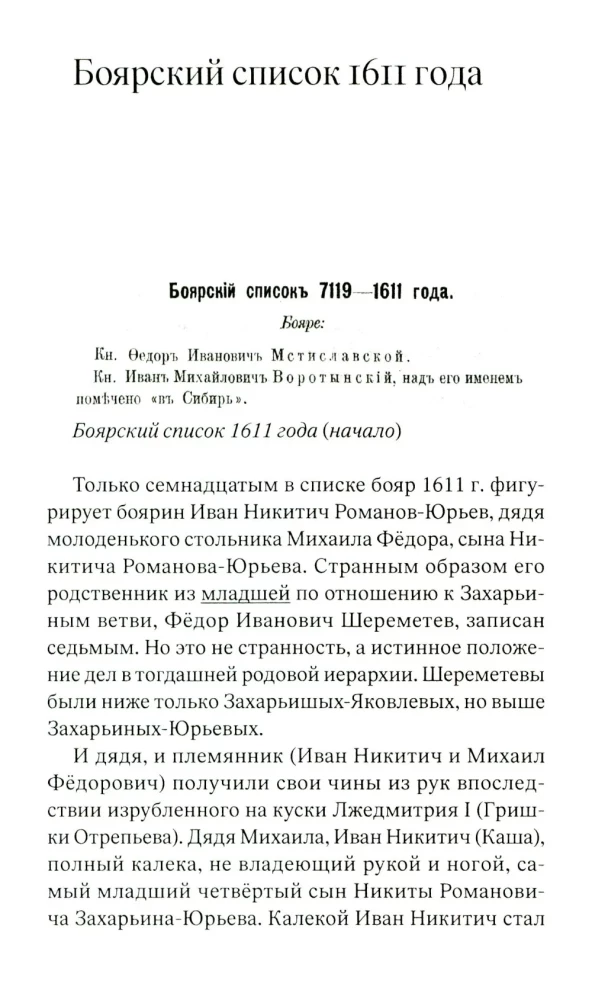
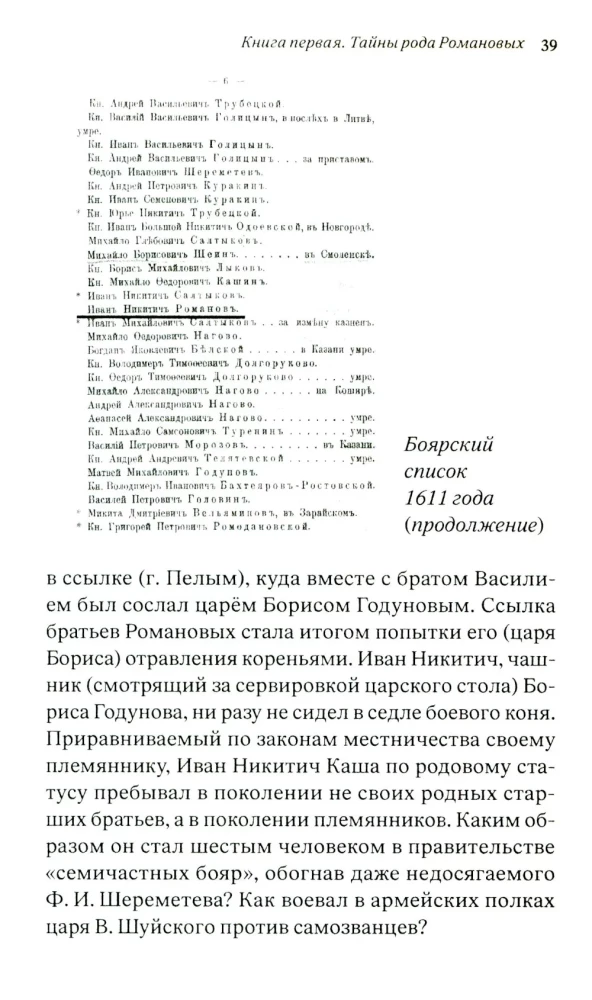
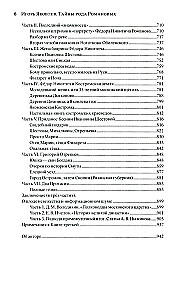
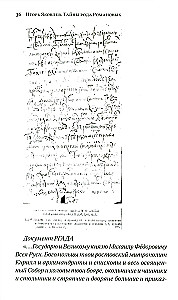
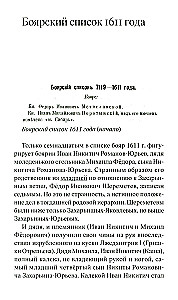
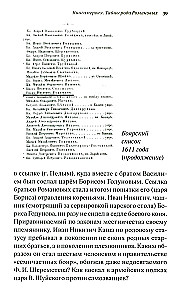
This trilogy is a kind of historical excursion, containing much that is new and interesting. For example, the reader will learn about the discrepancies between the author's interpretation and the official interpretation of several momentous historical events of the 15th-16th...
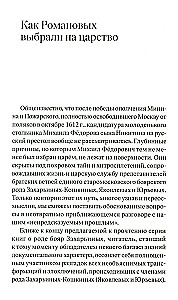
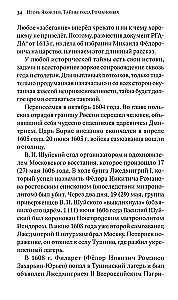
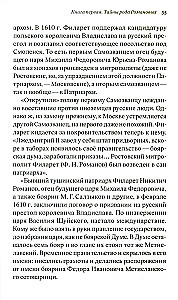
centuries. These events occurred at the dawn of the formation and maturation of the Russian kingdom, both among the highest nobility of the tsar's servants and within the grand princely and royal families, from Ivan III to Mikhail Fyodorovich Zakharyin-Yuryev-Romanov. Over a research period of one and a half decades, it has been possible to discover what has never before been included even in the works of all generations of domestic historians without exception. One of the goals of the ongoing work is to pose a number of specific questions to historical science. Many answers are already available in the research. Their quantity and subsequent systematization have been able to form a number of authorial hypotheses. There is already experience with how new hypotheses, based exclusively on surviving documents, can cool the initial fervor of rejection even from a professional historian-opponent. This is largely archival material, and surprisingly, historical science itself rushes to its aid, along with all the novelty that it entails. However, it rushes not with its own discoveries, but with the blunders, absurdities, and blatant documentary forgeries contained in the inherited interpretations it has received. For a long time, an impenetrable fence has been built around these interpretations, representing the currently unchallenged official viewpoints. This fence has been constructed around the territory cleared for the new "documentary" field, where, in 1682, most of our documentary-historical heritage was destroyed. According to scholars who have become interested in the research, some of its developments may enrich historical science. For example, they can pave the way for new insights into the functioning of the state apparatus of that time or into the nuances of such a "tool" for creating a powerful state as the System of Local Government (Mestnichestvo). Forgotten heroes of the Fatherland, who have not found a worthy place in the official interpretation of ancient events that has reached us, will finally receive their rightful place among the defenders of the Fatherland. Places in history, unjustly obtained, will finally be freed from their illegal owners. This publication is intended for thoughtful readers and historian-scholars exploring the mysteries of the formation of Russian statehood.
Author: Игорь Яковлев
Printhouse: KNIZhNYI MIR
Age restrictions: 12+
Year of publication: 2026
ISBN: 9785605489658
Number of pages: 944
Size: 210х130х40 mm
Cover type: hard
Weight: 898 g
ID: 1744381
In stock
€ 33.49
Will be delivered to United States on 25 September (Fr):
By courier
from € 38.94
Bestsellers
€ 13.29
In stock
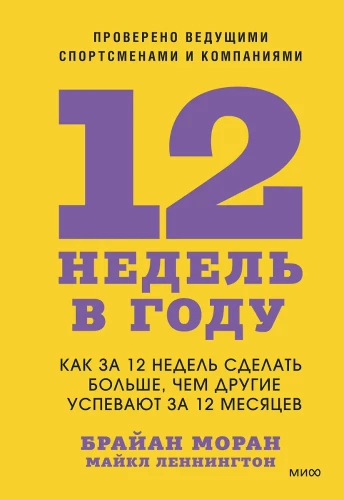
12 Weeks in a Year. How to Achieve More in 12 Weeks Than Others Do in 12 Months
Майкл Леннингтон, Брайан Моран
€ 7.89
In stock
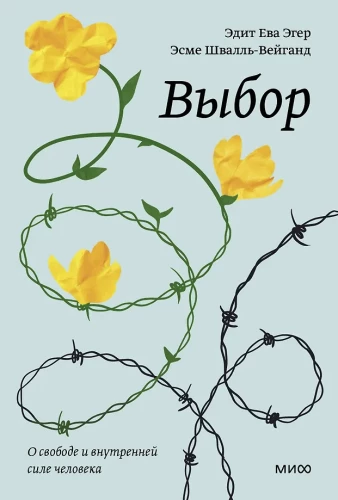
Choice. On the Freedom and Inner Strength of a Person
Эдит Ева Эгер, Эсме Швалль-Вейганд
€ 5.29
In stock
€ 14.99
In stock
The Body Remembers Everything: The Role of Psychological Trauma in a Person's Life and Techniques to Overcome It
Бессел ван дер Колк
€ 6.99
In stock