

Public Opinion and the Crowd
The book by the outstanding French sociologist and criminologist Gabriel Tarde (1843–1904) "Public Opinion and the Crowd," first published in 1901, is one of the foundational works in the field of social psychology.
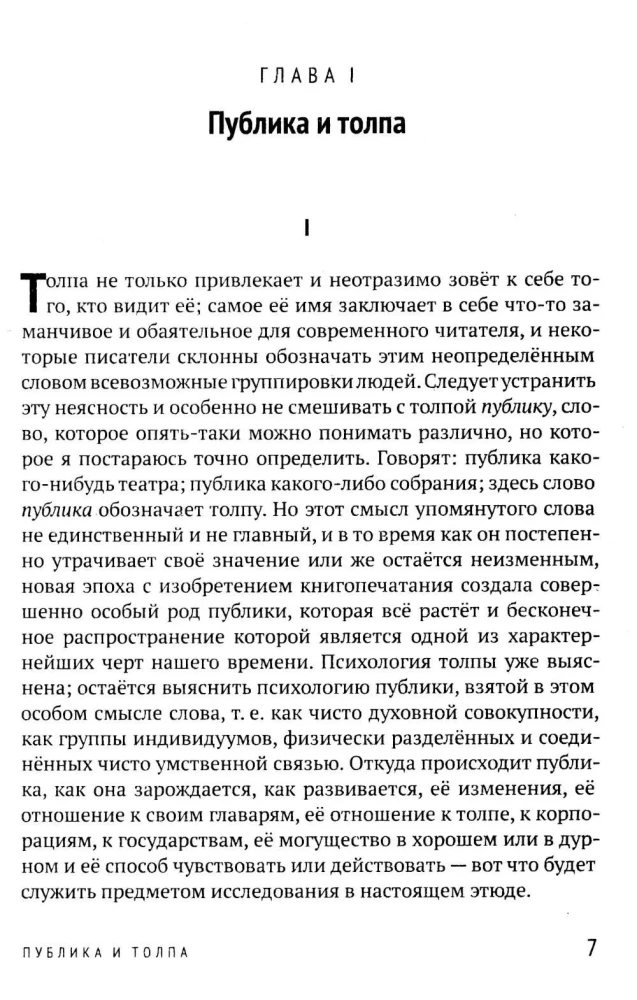
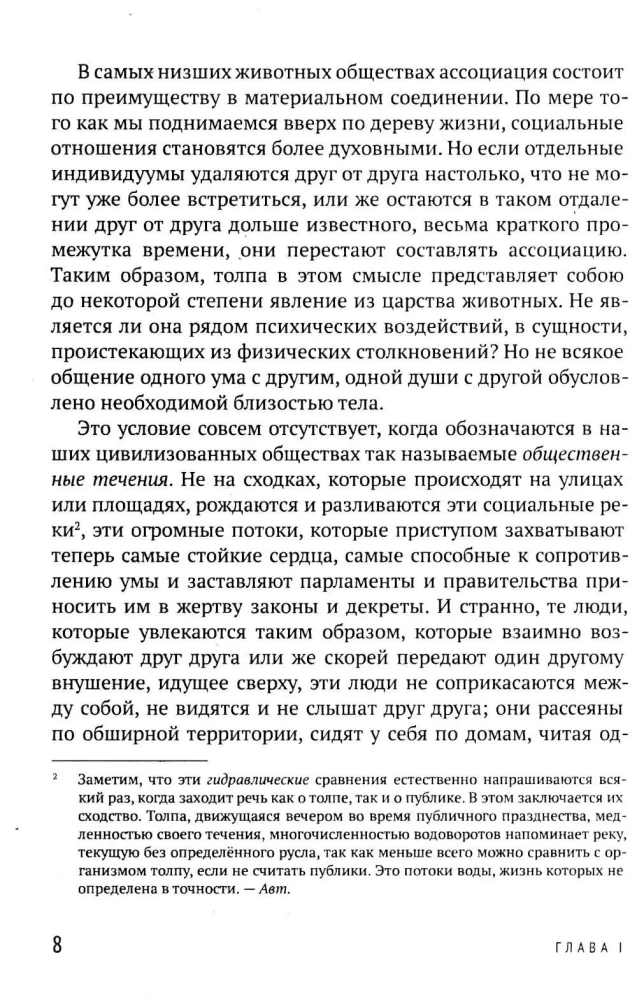
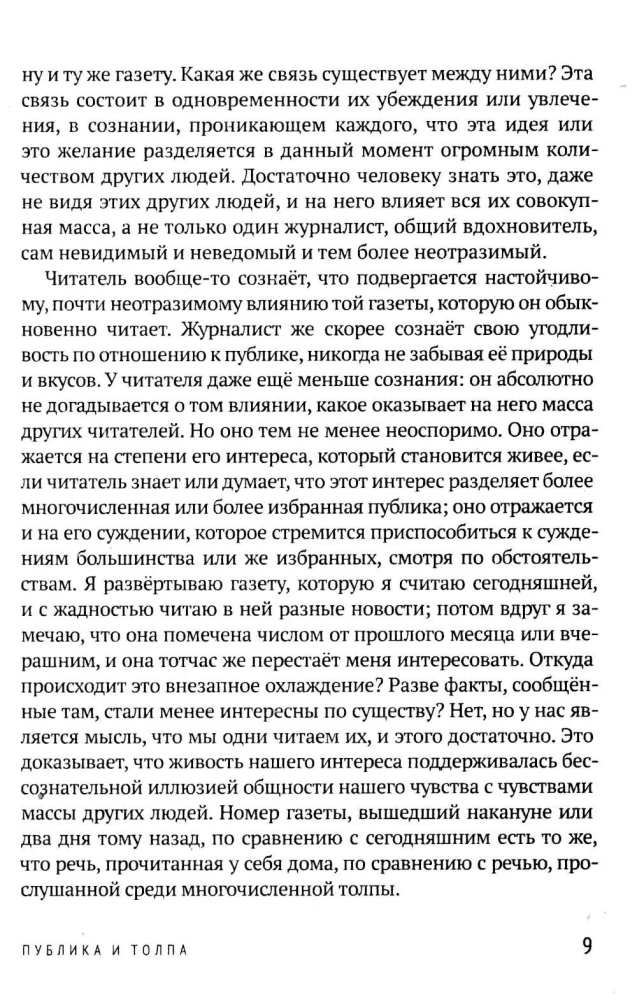
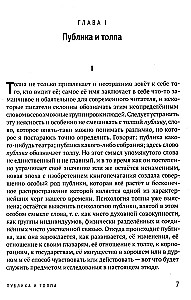
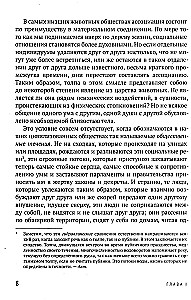
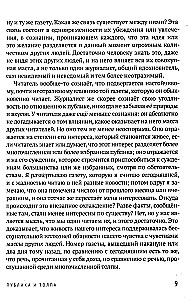
In this work, Tarde offers a groundbreaking view... for his time on the nature of collective behavior, contrasting the physically gathered crowd with the "public"—a spiritual community formed under the influence of the media. The author argues that the coming age is not the "era of the crowd," as many of his contemporaries believed, but the era of the public, connected by invisible ties through reading newspapers. By exploring the mechanisms of public opinion formation, Tarde assigns a key role to what seems to be an ordinary phenomenon, namely conversation. It is in everyday dialogues, fed by information from the press, that collective ideas and beliefs are born, spread, and strengthened, ultimately subjugating tradition and even individual reason.
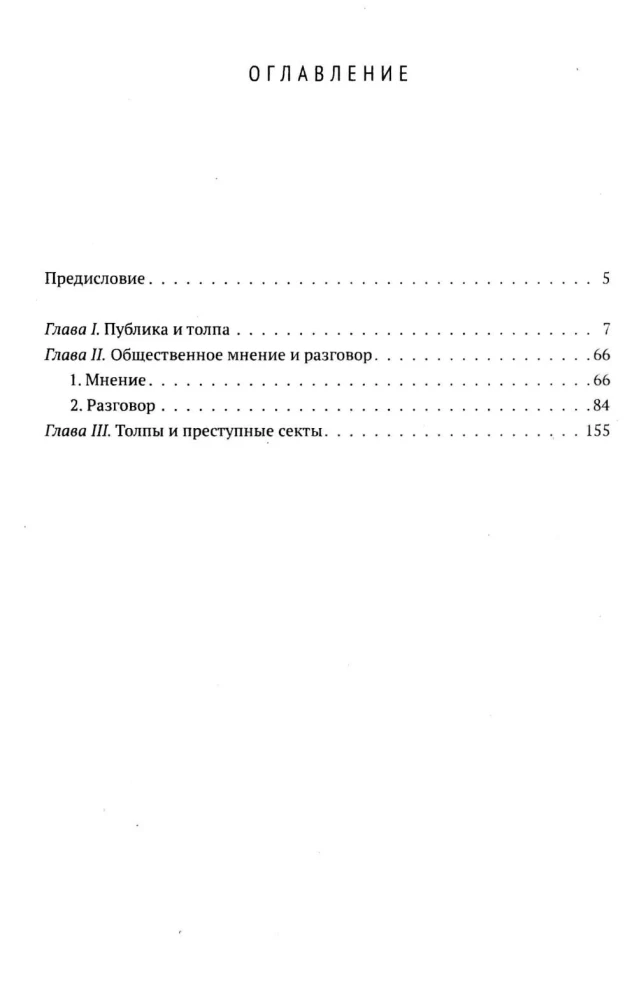
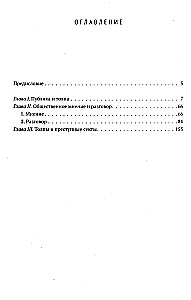
In the third part of the book, the author conducts a comparative analysis of crowds and organized criminal sects, revealing similarities and differences in the psychology of these groups, the role of leaders, and the mechanisms of collective responsibility. Tarde's work remains relevant today, allowing for a deeper understanding of the nature of modern information wars, the phenomenon of "viral" content, and the mechanisms of public consciousness manipulation.
In this work, Tarde offers a groundbreaking view... for his time on the nature of collective behavior, contrasting the physically gathered crowd with the "public"—a spiritual community formed under the influence of the media. The author argues that the coming age is not the "era of the crowd," as many of his contemporaries believed, but the era of the public, connected by invisible ties through reading newspapers. By exploring the mechanisms of public opinion formation, Tarde assigns a key role to what seems to be an ordinary phenomenon, namely conversation. It is in everyday dialogues, fed by information from the press, that collective ideas and beliefs are born, spread, and strengthened, ultimately subjugating tradition and even individual reason.
In the third part of the book, the author conducts a comparative analysis of crowds and organized criminal sects, revealing similarities and differences in the psychology of these groups, the role of leaders, and the mechanisms of collective responsibility. Tarde's work remains relevant today, allowing for a deeper understanding of the nature of modern information wars, the phenomenon of "viral" content, and the mechanisms of public consciousness manipulation.
Author: Жан Габриель Тард
Printhouse: Amrita
Age restrictions: 16+
Year of publication: 2026
ISBN: 9785002285808
Number of pages: 220
Size: 200х140х15 mm
Cover type: soft
Weight: 204 g
ID: 1743943
In stock
€ 13.39
Will be delivered to United States on 29 September (Tu):
By courier
from € 38.94
Bestsellers






€ 13.29
In stock
12 Weeks in a Year. How to Achieve More in 12 Weeks Than Others Do in 12 Months
Майкл Леннингтон, Брайан Моран



€ 7.89
In stock
Choice. On the Freedom and Inner Strength of a Person
Эдит Ева Эгер, Эсме Швалль-Вейганд



€ 14.99
In stock
The Body Remembers Everything: The Role of Psychological Trauma in a Person's Life and Techniques to Overcome It
Бессел ван дер Колк


€ 6.99
In stock

€ 5.29
In stock