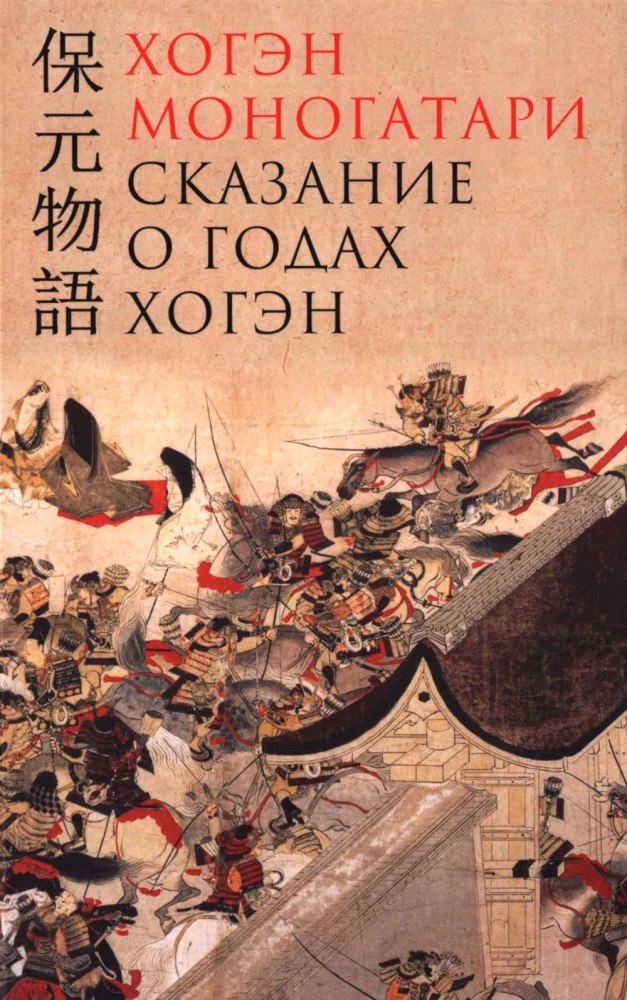
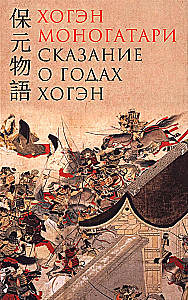





The inter-clan struggle in Japan in the second half of the 12th century led to armed conflicts three times – in 1156, 1159–1160, and in 1185. This was a time of ascendance to absolute power, unchallenged dominance, and then a crushing defeat and destruction of the feudal house of Taira under the blows of its rival house, Minamoto. Each of these conflicts formed the basis for a series of oral tales called "gunki" (literally "warrior tales"). The very first of them, "Hōgen Monogatari," narrates the turmoil of 1156, when after the death of ex-emperor Toba, three major feudal houses (Fujiwara, Taira, and Minamoto) clashed among themselves in the struggle for supreme power. The fourth side in the struggle was represented by large Buddhist monasteries with their formidable warrior monks. It was a fratricidal battle to the death, in which son was against father, brother against brother, violating all human and heavenly laws.
From those brutal times, ballads were composed, which were recited in a sung manner by wandering storytellers called biwa-hōshi, accompanied by the Japanese lute biwa – medieval Japanese people believed that stories of fallen heroes grant rest to their restless souls...