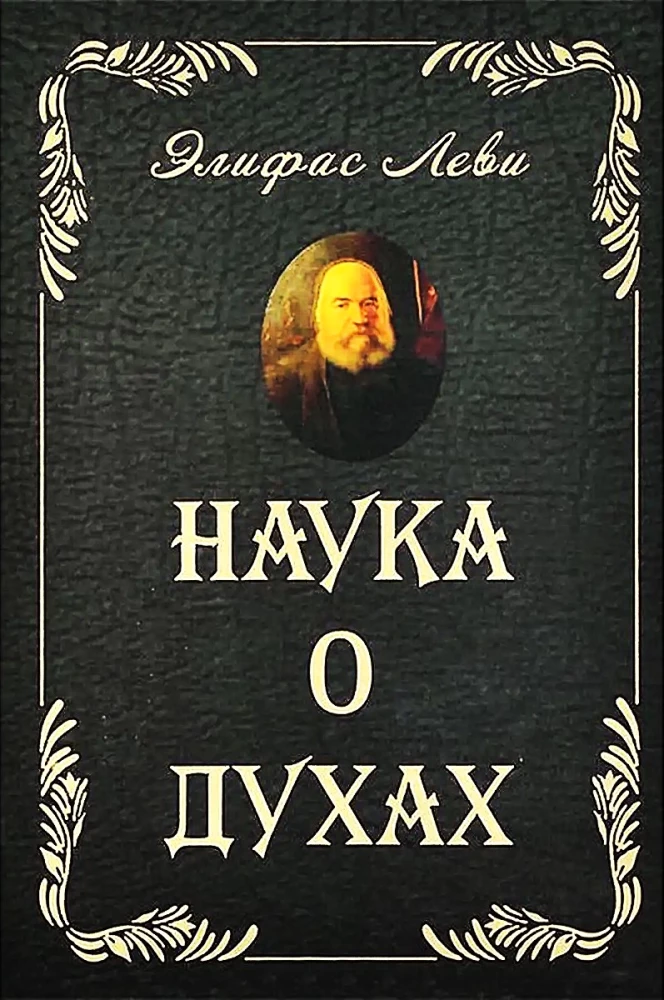
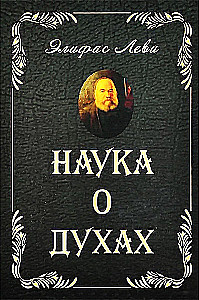
The Science of Spirits
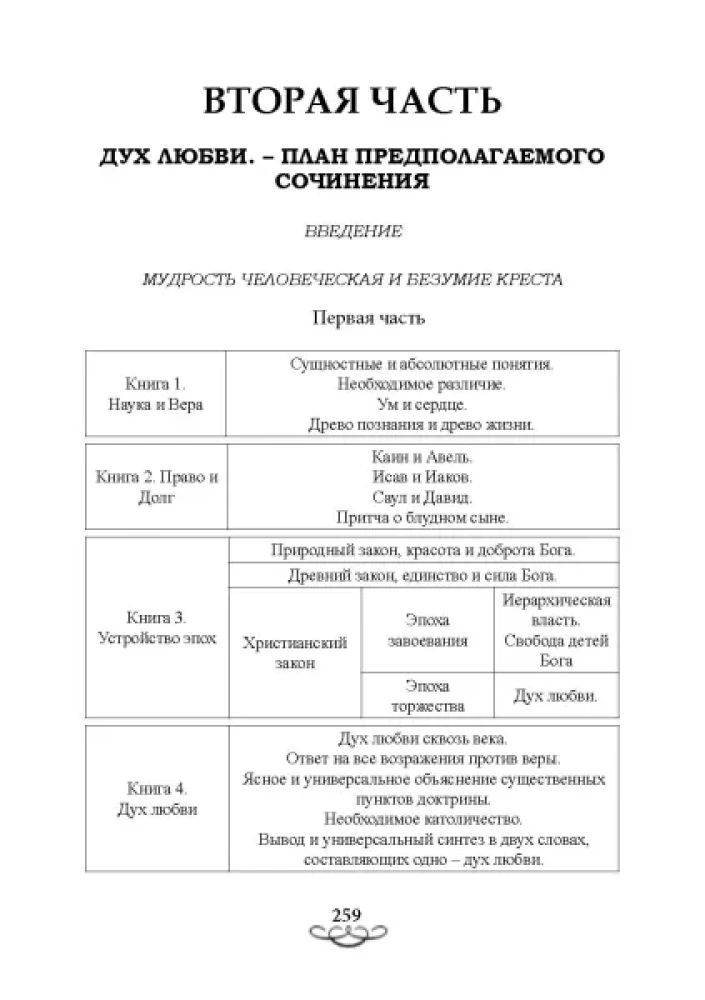
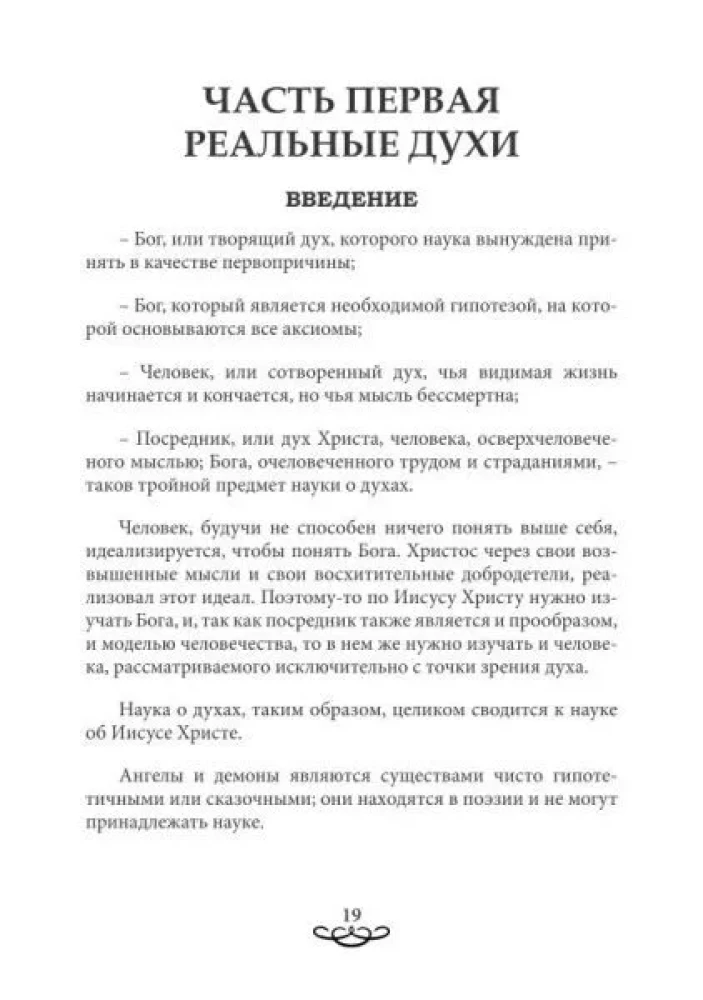
We present to your attention the last of the works published by Éliphas Lévi during his lifetime - THE SCIENCE OF SPIRITS. This is the first translation of the work into Russian, which will help delve into the history of...
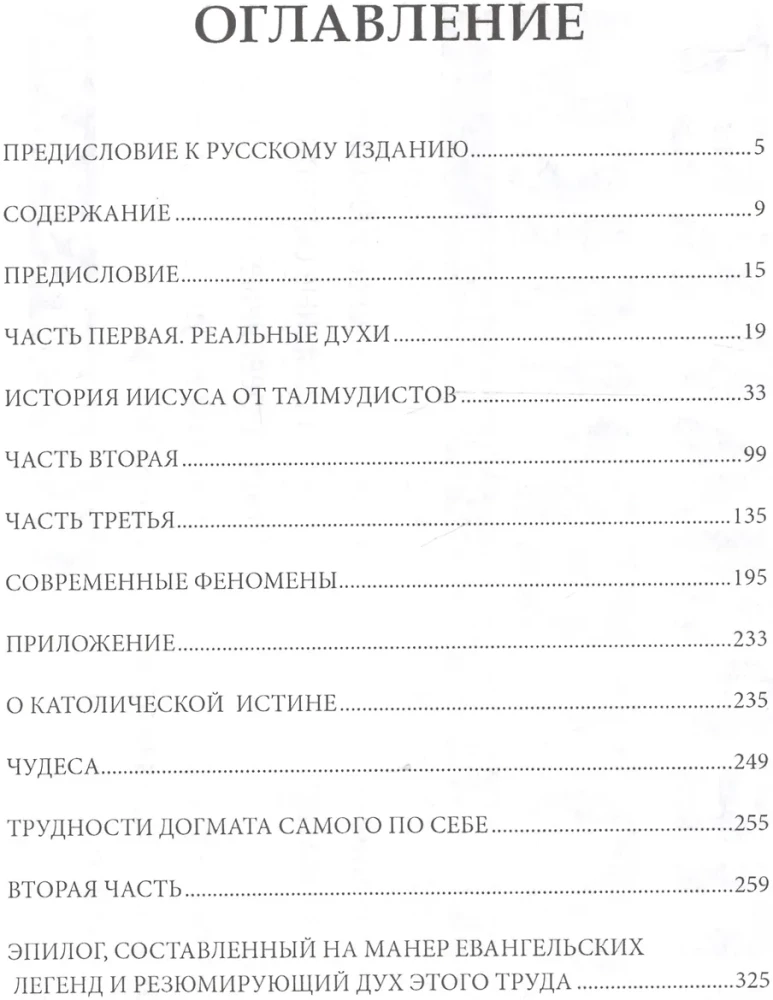
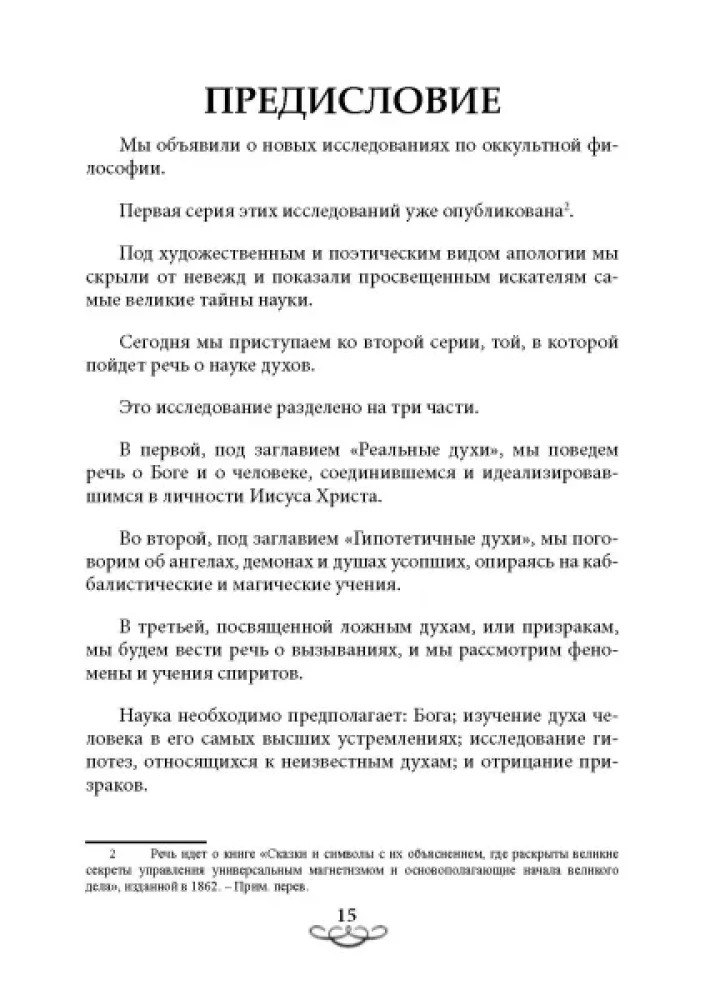
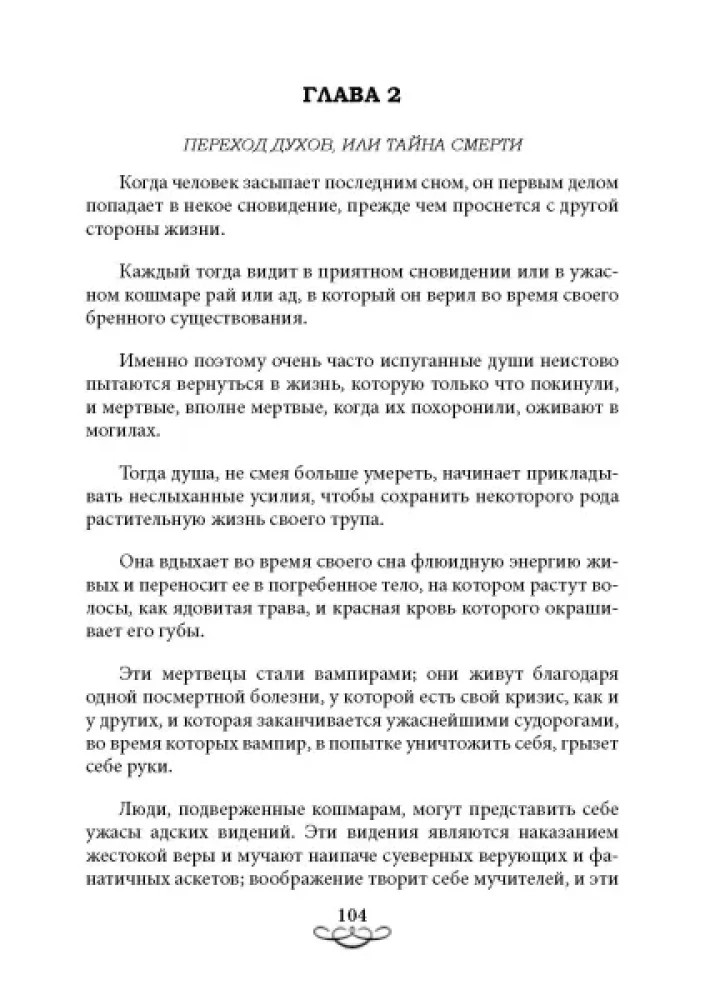
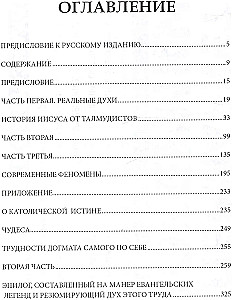
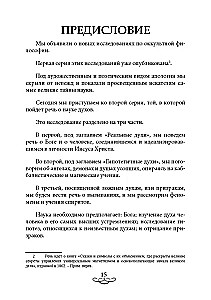
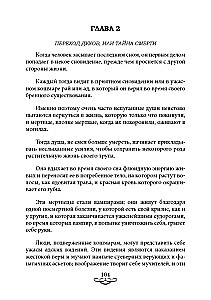
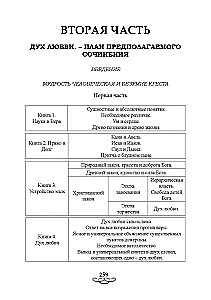
spirit studies. THE SCIENCE OF SPIRITS is divided by Éliphas into three parts. The first part discusses the "spirits" of evangelical legends. The second part is dedicated to spirits as beings, i.e., demons, souls of the deceased, and others. In the third part, Éliphas moves on to consider spiritual phenomena, necromancy, starting with cases described in the Bible and ending with modern spiritualism. The book will be useful to all those interested in classical occultism, especially supporters of the French occult School.
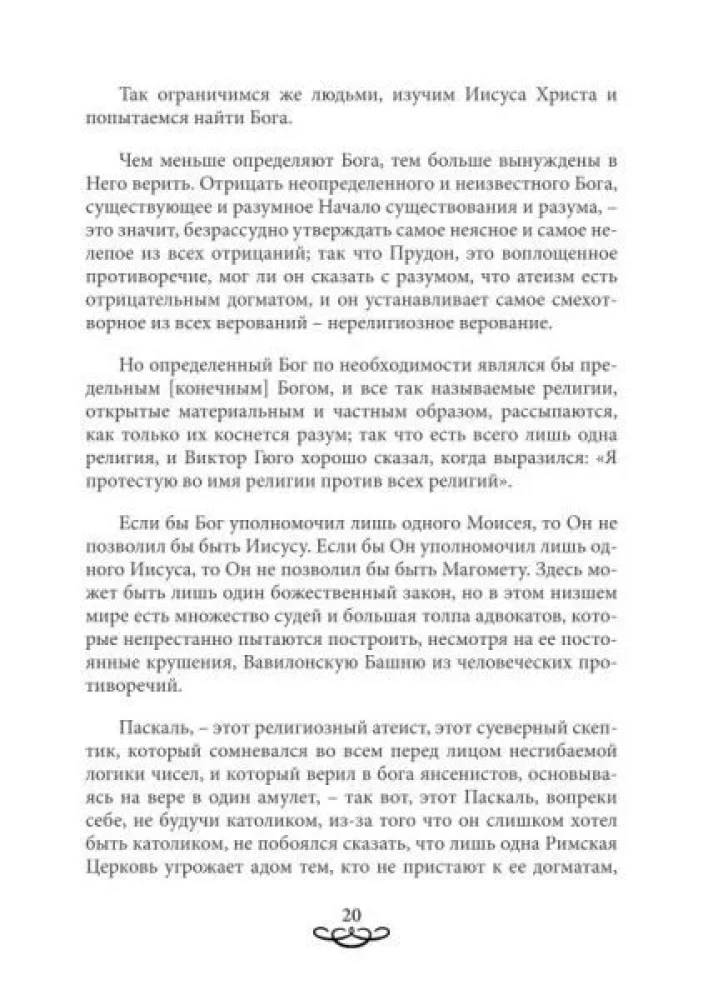
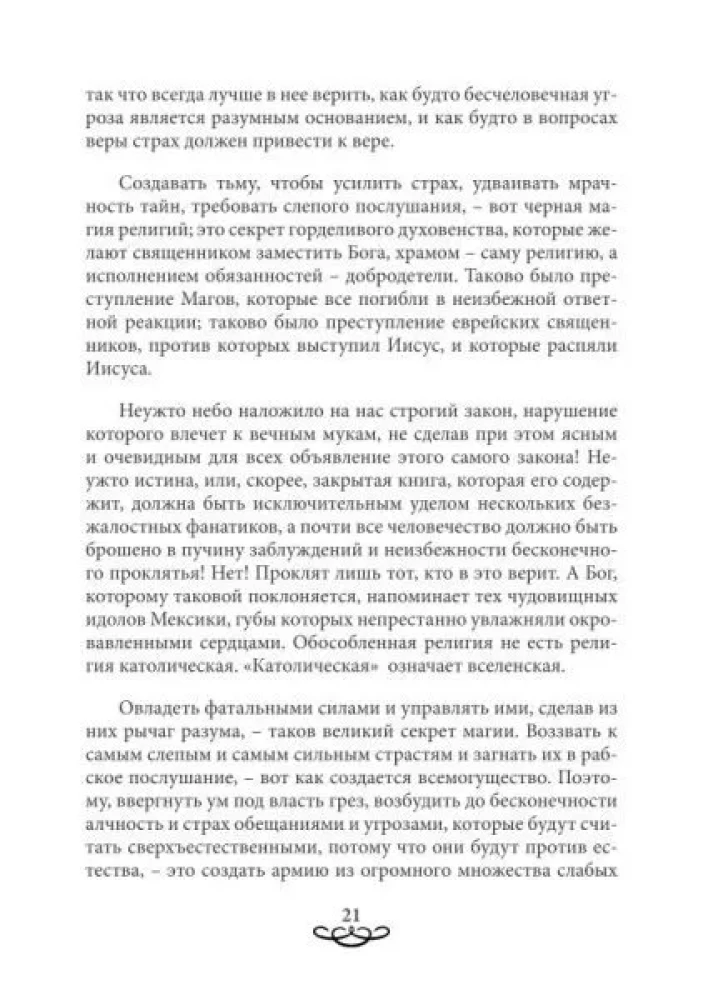
Éliphas Lévi, a French Martinist and tarologist who lived and worked in the 19th century, left a huge mark on culture as well as on the philosophy of occultism in the following centuries. His works inspired masters such as Aleister Crowley, Arthur Waite, and Stanislas de Guaita; for his creativity, he had to endure several terms of imprisonment; according to legends, he did not join any magical order - and yet, all his works were imbued with a special depth that can only be given by a unique, hard-earned philosophy that has passed through one's own soul. This book was the last published during the writer's lifetime. «The Science of Spirits» is a complete almanac of Éliphas Lévi's research into the essence of spirits, angels, and demons. It includes a detailed overview of the master's teaching and comments on biblical legends that establish a connection between his worldview and the Jewish history of Christianity, as well as other Abrahamic religions. An important role in his work is undoubtedly played by magic. Considering spirits as magical entities, Lévi actively uses references to the philosophy of Kabbalah, using it as an explanation for many mystical phenomena that occurred in various cultures throughout different eras. In addition, he presents his views on the essence of necromancy and other sciences related to the world of immaterial beings. Thanks to him, an unusual perspective for those times was established in the occult community regarding certain aspects of traditional mysticism. Despite the fact that some of this knowledge was undeservedly forgotten with the change of generations, the reflections made by Éliphas Lévi remain relevant for modern occultists. His perspective on the nature of the immaterial world allows one to ponder familiar mystical things, view them from a different angle, and expand and diversify one’s knowledge about the essence of magical practice and the surrounding world.
Éliphas Lévi, a French Martinist and tarologist who lived and worked in the 19th century, left a huge mark on culture as well as on the philosophy of occultism in the following centuries. His works inspired masters such as Aleister Crowley, Arthur Waite, and Stanislas de Guaita; for his creativity, he had to endure several terms of imprisonment; according to legends, he did not join any magical order - and yet, all his works were imbued with a special depth that can only be given by a unique, hard-earned philosophy that has passed through one's own soul. This book was the last published during the writer's lifetime. «The Science of Spirits» is a complete almanac of Éliphas Lévi's research into the essence of spirits, angels, and demons. It includes a detailed overview of the master's teaching and comments on biblical legends that establish a connection between his worldview and the Jewish history of Christianity, as well as other Abrahamic religions. An important role in his work is undoubtedly played by magic. Considering spirits as magical entities, Lévi actively uses references to the philosophy of Kabbalah, using it as an explanation for many mystical phenomena that occurred in various cultures throughout different eras. In addition, he presents his views on the essence of necromancy and other sciences related to the world of immaterial beings. Thanks to him, an unusual perspective for those times was established in the occult community regarding certain aspects of traditional mysticism. Despite the fact that some of this knowledge was undeservedly forgotten with the change of generations, the reflections made by Éliphas Lévi remain relevant for modern occultists. His perspective on the nature of the immaterial world allows one to ponder familiar mystical things, view them from a different angle, and expand and diversify one’s knowledge about the essence of magical practice and the surrounding world.
Author: Элифас Леви
Printhouse: Magic-Kniga
Age restrictions: 16+
Year of publication: 2026
ISBN: 9785904844141
Number of pages: 368
Size: 217х153х20 mm
Cover type: hard
Weight: 475 g
ID: 1743226
Sold out
€ 23.19
Sold out
€ 23.19
Bestsellers

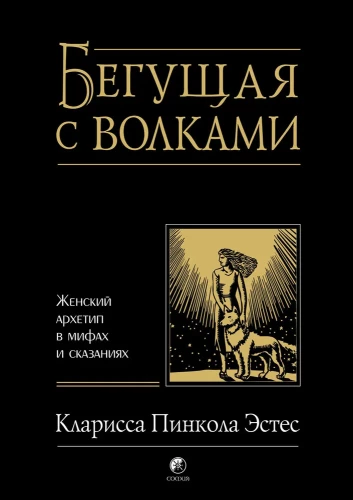
€ 36.99
In stock


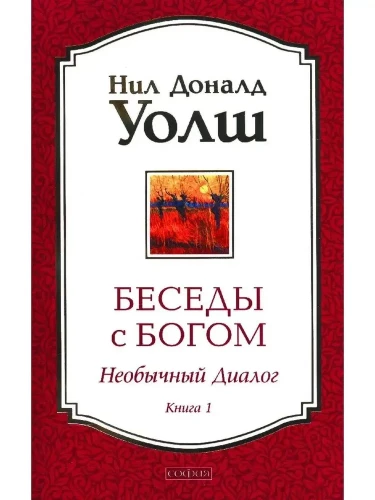


€ 33.69
In stock
Две жизни. Конкордия Антарова. Мистический роман с комментариями в четырех частях. Коллекционное оформление
АНТАРОВА К.Е.
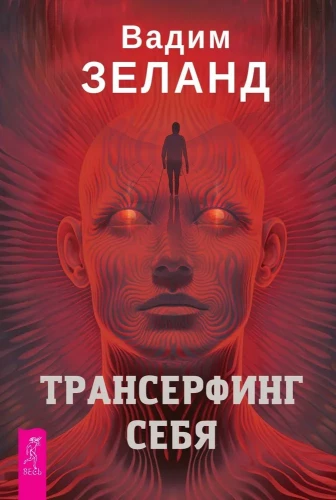

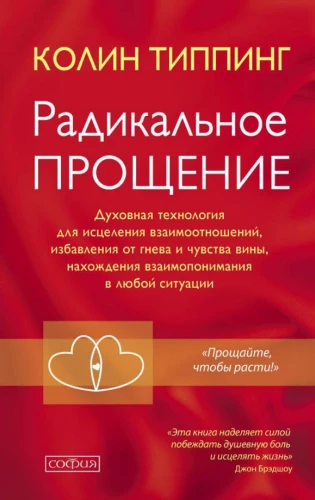


€ 15.59
In stock
Happy Pocket, Full of Money: The Formation of Abundance Consciousness
Джиканди Дэвид Кэмерон
€ 5.29
In stock
Love Your Illness. How to Become Healthy by Knowing the Joy of Life
Валерий Синельников