











Genetic Mysteries: How Humanity Benefits from Our DNA Differences
Being born with certain genes is a lottery. Pure luck—or, on the contrary, misfortune. Genes are beyond our control, but they determine much: educational success, health and lifespan, even income. Once, the science of genetics served as a justification for...
social inequality. But what if it is not the enemy of justice, but a necessary tool for establishing it?
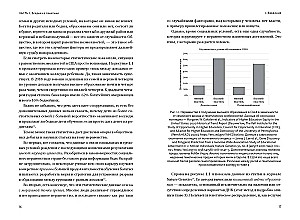
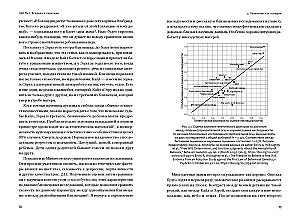
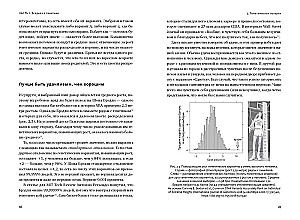
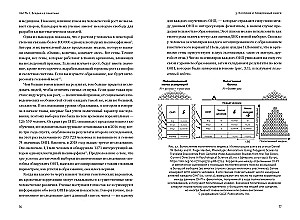
This is exactly what psychologist Katherine Paige Harden proves in her book: differences in DNA truly affect life chances—and ignoring this fact is more dangerous than discussing it openly. Relying on modern research, she reveals what "genetic lottery" really means, why some children learn more easily while others need support, what polygenic indices are and how they work, why genetics doesn't explain "racial differences," and how genetics can help create fair systems of education, medicine, and social policy.
This book is an honest, impeccably scientific, profound yet humane conversation about what makes us different and why recognizing these differences is the path to equality.
Who is this book for?
- For those who want to understand how genes really work.
- For those who want to figure out why people learn, react, and cope with tasks differently—and how to build effective support systems.
- For everyone concerned about issues of equality and justice.
This is exactly what psychologist Katherine Paige Harden proves in her book: differences in DNA truly affect life chances—and ignoring this fact is more dangerous than discussing it openly. Relying on modern research, she reveals what "genetic lottery" really means, why some children learn more easily while others need support, what polygenic indices are and how they work, why genetics doesn't explain "racial differences," and how genetics can help create fair systems of education, medicine, and social policy.
This book is an honest, impeccably scientific, profound yet humane conversation about what makes us different and why recognizing these differences is the path to equality.
Who is this book for?
- For those who want to understand how genes really work.
- For those who want to figure out why people learn, react, and cope with tasks differently—and how to build effective support systems.
- For everyone concerned about issues of equality and justice.
Author: Кэтрин Пейдж Харден
Printhouse: Mann, Ivanov i Ferber
Series: MYTH: Popular Science Books
Age restrictions: 16+
Year of publication: 2025
ISBN: 9785002149520
Number of pages: 288
Size: 243х169х26 mm
Cover type: hard
Weight: 418 g
ID: 1729534
In stock
€ 14.99
Will be delivered to United States on 6 October (Tu):
By courier
from € 38.94
Bestsellers








€ 13.29
In stock
12 Weeks in a Year. How to Achieve More in 12 Weeks Than Others Do in 12 Months
Майкл Леннингтон, Брайан Моран


€ 7.89
In stock
Choice. On the Freedom and Inner Strength of a Person
Эдит Ева Эгер, Эсме Швалль-Вейганд





€ 6.99
In stock

Publishers "Mann, Ivanov i Ferber" recommends






Bestseller
€ 18.69
In stock
How to Stop Learning a Foreign Language and Start Living in It
Анастасия Иванова